Spiritual and religiousEast AsiaShinto, Taoist and folk Chinese
Dajia Mazu Pilgrimage
In its own language: 大甲媽祖遶境進香
A nine-day walking procession across central Taiwan honouring the sea goddess Mazu

The Dajia Mazu Pilgrimage is an annual nine-day spiritual walk in central Taiwan. Devotees escort three statues of the sea goddess Mazu on foot in a covered palanquin, travelling between shrines across several counties while observing a vegetarian diet.
When is Dajia Mazu Pilgrimage kept?
Dajia Mazu Pilgrimage is kept on annually in the third month of the Chinese calendar.
The Dajia Mazu Pilgrimage is an annual nine-day religious march in Taiwan honouring the Taoist maritime goddess Mazu. Devotees accompany a palanquin bearing sacred statues across central counties on a round-trip route. Participants undertake the walk to earn spiritual blessings, express gratitude, and share in communal meals, creating one of the island's largest annual spiritual gatherings.
Origins and evolution
In 1730, immigrant Lin Yongxing carried an image of Mazu from Meizhou Island to central Taiwan. For generations, worshippers made a sea voyage every twelve years back to Meizhou to refresh the deity's sacred energy. After colonial authorities banned cross-strait sailing in 1899, the community redirected its walking pilgrimage toward Beigang in 1914. Following a secret 1987 voyage to mainland China via Japan and rising institutional disputes over temple seniority, organizers changed the destination to Xingang in 1988. This shift reframed the journey from an act of tribute into a blessing tour for surrounding districts.
The march and rituals
Preparations begin when temple leaders consult the goddess through divination to fix the departure date. Before leaving, a blessing ceremony prepares the sacred palanquin carrying three effigies of Mazu. Eight bearers shoulder the sedan chair, escorted by musicians, banner carriers, and delegations from associated shrines. Devotees along the route often lie face down on the roadway so the goddess's carriage can pass over them, an act believed to bestow protection and good fortune. At the destination shrine in Xingang, celebrants hold ceremonies marking the goddess's birthday before beginning the walk back home.
Hospitality and community
During the nine days on the road, pilgrims adhere to a strict vegetarian diet. Towns and rural villages along the path set up roadside tables to offer free meatless dishes to the thousands of walking devotees. Because participants hold Mazu's blessing in high esteem, local groups sometimes attempt to steer the palanquin toward their own neighbourhood shrines, occasionally prompting police oversight to prevent disputes. Meanwhile, sanitation teams and civic volunteers follow the convoy across each municipality to collect waste and keep public streets clean throughout the lengthy festival.
How Dajia Mazu Pilgrimage is kept
The pilgrimage starts at Jenn Lann Temple following divination rites that set the schedule. Eight bearers carry a palanquin holding three Mazu effigies, accompanied by musicians, flag holders, and temple envoys. Marchers walk south through towns like Changhua, Xiluo, and Beidou while eating vegetarian meals gifted by local residents. Along the path, worshippers lie flat on the road to let the palanquin pass above them. After ceremonies at Xingang's Fengtian Temple to celebrate Mazu's birthday, the procession returns north over nine total days.
When and where
The pilgrimage takes place once every year during the third month of the traditional Chinese calendar. Temple elders determine the exact starting day beforehand through a poe divination ceremony held before Mazu's altar.
The event is held in central Taiwan. The procession sets out from the Dajia district in Taichung, passes southward through Changhua and Yunlin, reaches Xingang in Chiayi County, and then circles back to its starting shrine.
What Dajia Mazu Pilgrimage means
According to Taiwanese folk belief, carrying or following Mazu spreads her protective favour across communities. The practice of crawling beneath her sedan chair expresses personal thanks and invites divine safeguarding. Originally intended as a way to renew a subsidiary deity's spiritual charge by visiting an elder shrine, the modern route symbolises the goddess actively inspecting her territory and sharing blessings with common people.
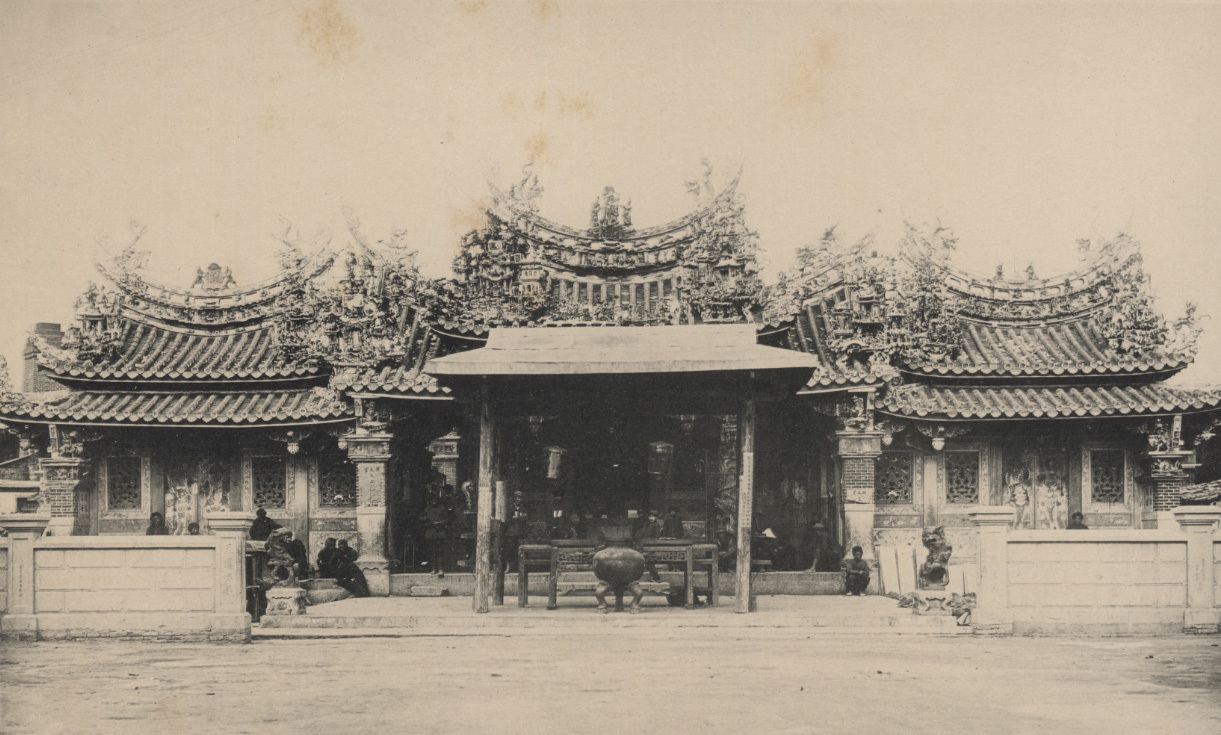


Questions people ask about Dajia Mazu Pilgrimage
When is Dajia Mazu Pilgrimage kept?
Dajia Mazu Pilgrimage is kept on annually in the third month of the Chinese calendar.
What is the Dajia Mazu Pilgrimage?
It is an annual nine-day Taoist walking festival in Taiwan. Thousands of pilgrims accompany a palanquin carrying three statues of the sea goddess Mazu on a round-trip journey between historic shrines.
Why do devotees lie on the ground along the route?
Worshippers prostrate themselves so Mazu's palanquin can pass directly overhead. Known as the kneeling ritual, this act is performed to seek divine protection, receive good fortune, or give thanks.
What do pilgrims eat during the journey?
Participants observe a vegetarian diet for the duration of the trek. Residents in villages and towns along the route provide free meatless meals to nourish passing pilgrims.
See also
 Mid-Autumn FestivalAn annual harvest festival celebrating family reunions, full moons and mooncakes
 Double Ninth FestivalAn autumn festival of mountain walks, chrysanthemum wine and ancestor remembrance
 PassoverA Jewish spring festival celebrating freedom from slavery with ritual meals
 SukkotA seven-day autumn Jewish festival of temporary booths, harvest prayers and hospitality
Good reading and sources
- Dajia Mazu Pilgrimage on WikipediaEncyclopedia
- More photos on Wikimedia CommonsPhotos and video
- Wikidata recordOpen data
The facts on this page come from the Wikipedia article "Dajia Mazu Pilgrimage", written by its contributors and used under the CC BY-SA 4.0 licence, and from its Wikidata record (CC0). EveryParampara rewrote the text in its own words, with AI assistance, and compares every page with the article to make sure no passage is copied. It may be reused under the same CC BY-SA 4.0 licence with a link back.
It may contain mistakes. Traditions differ from one family, village and community to the next, and the people who keep them know them best. If something is wrong, tell us. Last refreshed 2026-10-04.
More from Taiwan
All the traditions of Taiwan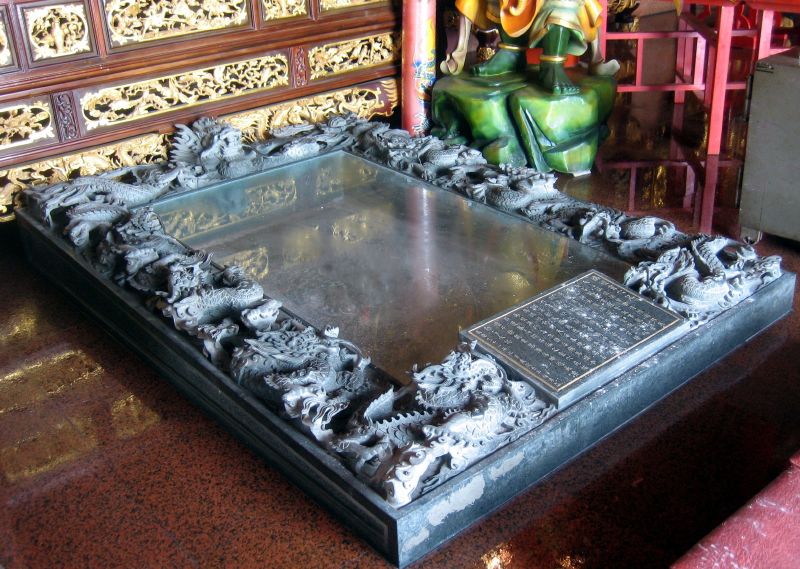 🇨🇳 Meizhou Island, China and 5 moreMazu媽祖
A sea goddess of the Chinese coast, asked for calm water and a safe returnSpiritual
🇨🇳 Meizhou Island, China and 5 moreMazu媽祖
A sea goddess of the Chinese coast, asked for calm water and a safe returnSpiritual
 🇨🇳 China and 1 moreDajiao打醮
An annual Taoist ritual and festival seeking peace and safety for the communitySpiritual · Feasts and festival meals
🇨🇳 China and 3 moreQimen Dunjia奇門遁甲
A classical Chinese divination system that maps time, space, and strategySpiritual
🇨🇳 China and 1 moreDajiao打醮
An annual Taoist ritual and festival seeking peace and safety for the communitySpiritual · Feasts and festival meals
🇨🇳 China and 3 moreQimen Dunjia奇門遁甲
A classical Chinese divination system that maps time, space, and strategySpiritual
 🇨🇳 China and 5 moreQingming Festival清明节
A spring custom of sweeping family graves and honouring ancestors across East Asia.Spiritual
🇨🇳 China and 5 moreQingming Festival清明节
A spring custom of sweeping family graves and honouring ancestors across East Asia.Spiritual
The same idea elsewhere
Pilgrimage compared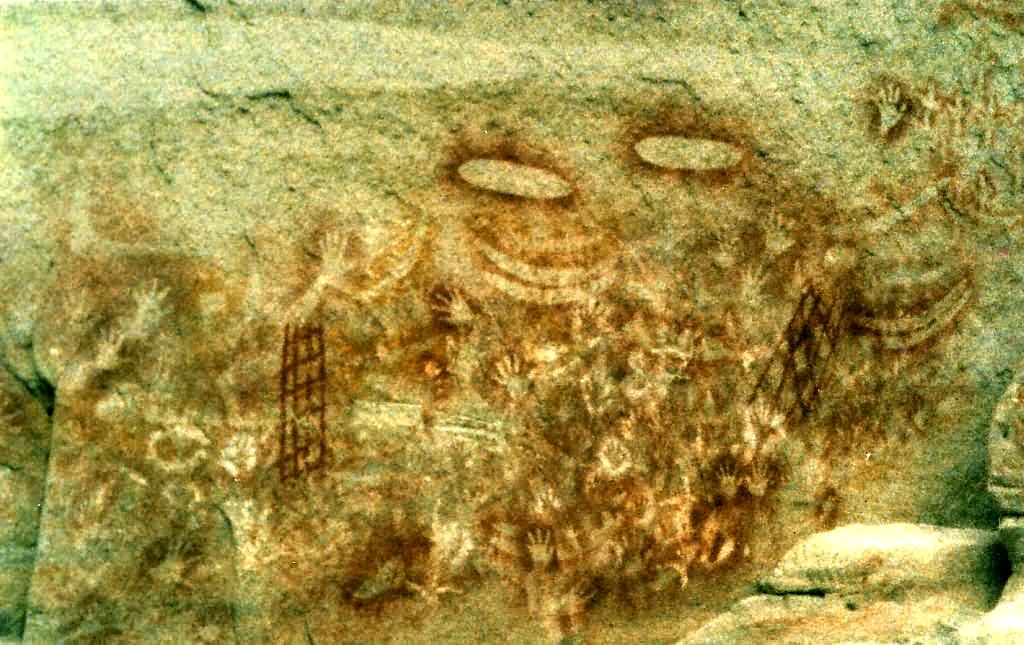 🇦🇺 AustraliaThe Dreaming
A living spiritual worldview and law connecting Aboriginal Australians to ancestors, land, and community.Spiritual
🇦🇺 AustraliaThe Dreaming
A living spiritual worldview and law connecting Aboriginal Australians to ancestors, land, and community.Spiritual
 🇪🇸 Santiago de Compostela, SpainBotafumeiro
A giant swinging censer of brass and silver that fills the Santiago de Compostela Cathedral with incense during solemn fSpiritual
🇪🇸 Santiago de Compostela, SpainBotafumeiro
A giant swinging censer of brass and silver that fills the Santiago de Compostela Cathedral with incense during solemn fSpiritual
 🇮🇳 India and 5 moreThaipusam
A Tamil Hindu festival honoring Murugan through devotional burdens and pilgrimageSpiritual
🇮🇳 India and 5 moreThaipusam
A Tamil Hindu festival honoring Murugan through devotional burdens and pilgrimageSpiritual
 🇵🇭 Cebu City, Philippines and 4 moreSinulog Festival
An annual Philippine dance festival and Catholic devotion honouring the Santo NiñoFestival
🇵🇭 Cebu City, Philippines and 4 moreSinulog Festival
An annual Philippine dance festival and Catholic devotion honouring the Santo NiñoFestival