Life-cycle ritesNorth AmericaChristianIndigenous and traditional
Jazz funeral
A New Orleans funeral march led by brass music, moving from mourning to joyful dance

A jazz funeral is a memorial procession in New Orleans where a brass band accompanies the mourners. The ritual opens with mournful hymns on the way to the cemetery, then shifts into lively, rhythmic music and joyful street dancing once the final farewell is made.
When is Jazz funeral kept?
Jazz funeral is kept on following a death, during the funeral and burial.
In New Orleans, a jazz funeral honors the dead by uniting grief and celebration. Family, friends and a brass band accompany the deceased on the journey to the burial ground with solemn dirges. Once the body is laid to rest or released, the sorrow gives way to exuberant street dancing, uplifting spiritual melodies and brass rhythms that celebrate the life that was lived.
Origins and cultural roots
The custom developed from a fusion of European brass traditions and West African spirituality. Colonial Louisiana established military-style brass ensembles, which later merged with Yoruba beliefs from Nigeria and other West African practices. In those traditions, celebrating after a death honors the guardian spirits of the departed. Over time, Black brass ensembles, Catholic and Protestant congregations, and Mardi Gras Indians all helped define the practice. Although widely held across communities in the early twentieth century, white participation declined before World War I as the tempos grew faster, before reviving across diverse groups in the 1960s.
The walk to burial
A jazz funeral begins with a somber march departing from a private residence, church, or funeral parlor. Relatives, friends, and a hired brass ensemble accompany the coffin toward the burial site. If the deceased was a prominent community figure or a respected musician, fellow players often join the ranks out of respect. Along the way, the band plays slow dirges and reverent spirituals such as 'Nearer My God to Thee' or 'Just a Closer Walk With Thee'. The solemn tone endures until the coffin is placed in the tomb or the hearse drives away.
Cutting loose and celebration
Once the final farewell is spoken, mourners cut the body loose and the mood shifts dramatically. The ensemble transitions into swinging hymns and uptempo melodies. Spectators along the route fall in behind the musicians to form the second line. These dancers twirl parasols and wave handkerchiefs overhead, engaging in energetic, cathartic movement. This shared jubilation celebrates the life of the departed. While historically standard for music figures, Carnival krewes, and social aid and pleasure clubs, the ritual is now also held for deceased young people.
Names and modern styles
Local performers long resisted the outside label jazz funeral, preferring to describe the event as a funeral with music because jazz was merely one component of a sacred rite. This preference shifted toward the end of the twentieth century. Younger generations of New Orleans brass musicians, inspired by modern funk groups such as the Soul Rebels Brass Band and the Dirty Dozen Brass Band, embraced the popular name. Today, families across the city can arrange these brass-led farewells to honor loved ones from all backgrounds.
How Jazz funeral is kept
The gathering commences at a residence, church, or funeral home, where relatives, companions, and a hired brass band assemble. As the cortege advances toward the cemetery, the ensemble performs reverent dirges and slow hymns. When the coffin is entombed or the hearse drives away, the mourners offer a final farewell known as cutting the body loose. The music abruptly turns upbeat, playing swinging spirituals and lively tunes. Spectators and mourners join in as a second line, dancing through the streets while twirling handkerchiefs and parasols.
When and where
A jazz funeral takes place after a person dies, arranged by relatives, a social aid club, or fellow artists for the day of burial. The procession coincides with the journey to the cemetery and continues immediately after the burial rites conclude.
This custom is rooted in New Orleans, Louisiana. Processions move through neighborhood streets from houses, funeral chapels, or churches to local cemeteries, with street celebrations spreading across the surrounding blocks.
What Jazz funeral means
The progression from sorrowful dirges to jubilant melodies mirrors the passage of the soul. In West African beliefs that helped shape the rite, such as those of the Yoruba, post-burial celebration pleases the guardian spirits protecting the departed. Releasing grief through second-line dancing offers catharsis for the living while rejoicing that the deceased is free.

Questions people ask about Jazz funeral
When is Jazz funeral kept?
Jazz funeral is kept on following a death, during the funeral and burial.
What is a jazz funeral?
It is a New Orleans funeral procession where a brass band plays mournful hymns on the way to the cemetery, followed by lively music and street dancing once the deceased is laid to rest.
Where does this tradition take place?
The custom is native to New Orleans, Louisiana. Processions travel through neighborhood streets between a church, chapel, or residence and the local cemetery where burial occurs.
Who typically receives a jazz funeral?
Historically, these funerals honored African American musicians, music industry workers, and members of social clubs or Carnival krewes. Today, anyone may request one, and they are sometimes held for young people who have passed away.
What is the second line?
The second line refers to the crowd of onlookers and mourners who follow behind the brass band, joining the procession to dance with parasols and handkerchiefs as the music turns celebratory.
See also
 ChristmasA festival of Jesus's birth, kept on 25 December with gifts, lights and shared meals
 HalloweenAn annual observance on 31 October marking the eve of All Saints' Day, rooted in Christian tradition and Celtic heritage
 Christmas treeA decorated evergreen or artificial tree placed indoors to mark the Christmas season.
 HanukkahAn eight-day Jewish festival marking the rededication of the Second Temple in Jerusalem and the miracle of a single day'
Good reading and sources
- Jazz funeral on WikipediaEncyclopedia
- More photos on Wikimedia CommonsPhotos and video
- Wikidata recordOpen data
The facts on this page come from the Wikipedia article "Jazz funeral", written by its contributors and used under the CC BY-SA 4.0 licence, and from its Wikidata record (CC0). EveryParampara rewrote the text in its own words, with AI assistance, and compares every page with the article to make sure no passage is copied. It may be reused under the same CC BY-SA 4.0 licence with a link back.
It may contain mistakes. Traditions differ from one family, village and community to the next, and the people who keep them know them best. If something is wrong, tell us. Last refreshed 2026-10-04.
More from the United States
All the traditions of the United States 🇺🇸 United States and 5 moreRite of passage
A ceremony that marks leaving one group and entering another, with a new statusRite of passage
🇺🇸 United States and 5 moreRite of passage
A ceremony that marks leaving one group and entering another, with a new statusRite of passage
 🇰🇪 Kenya and 5 moreBurial
Placing the dead in the ground or a structure to honor them and guide their journey.Rite of passage
🇰🇪 Kenya and 5 moreBurial
Placing the dead in the ground or a structure to honor them and guide their journey.Rite of passage
 🇺🇸 United States and 1 moreIslamic marriageنِكَاح
The sacred contract, agreement and wedding celebration forming an Islamic marriageRite of passage · Feasts and festival meals
🇺🇸 United States and 1 moreIslamic marriageنِكَاح
The sacred contract, agreement and wedding celebration forming an Islamic marriageRite of passage · Feasts and festival meals
 🇺🇸 United States and 1 moreSweet sixteen
A North American coming-of-age celebration marking a sixteenth birthdayRite of passage
🇺🇸 United States and 1 moreSweet sixteen
A North American coming-of-age celebration marking a sixteenth birthdayRite of passage
The same idea elsewhere
Death and mourning compared 🇹🇱 Timor-LesteUma Lulik
Sacred ancestral clan houses and ritual shrines in East TimorSpiritual
🇹🇱 Timor-LesteUma Lulik
Sacred ancestral clan houses and ritual shrines in East TimorSpiritual
 🇳🇿 New Zealand and 2 moreMarae
A cleared, sacred gathering place at the heart of Māori and Polynesian community lifeSpiritual
🇳🇿 New Zealand and 2 moreMarae
A cleared, sacred gathering place at the heart of Māori and Polynesian community lifeSpiritual
 🇼🇸 Samoa and 1 moreʻIe tōga
Precious woven mats exchanged in Samoan ceremonies to honor family ties and chiefly status.Dress
🇼🇸 Samoa and 1 moreʻIe tōga
Precious woven mats exchanged in Samoan ceremonies to honor family ties and chiefly status.Dress
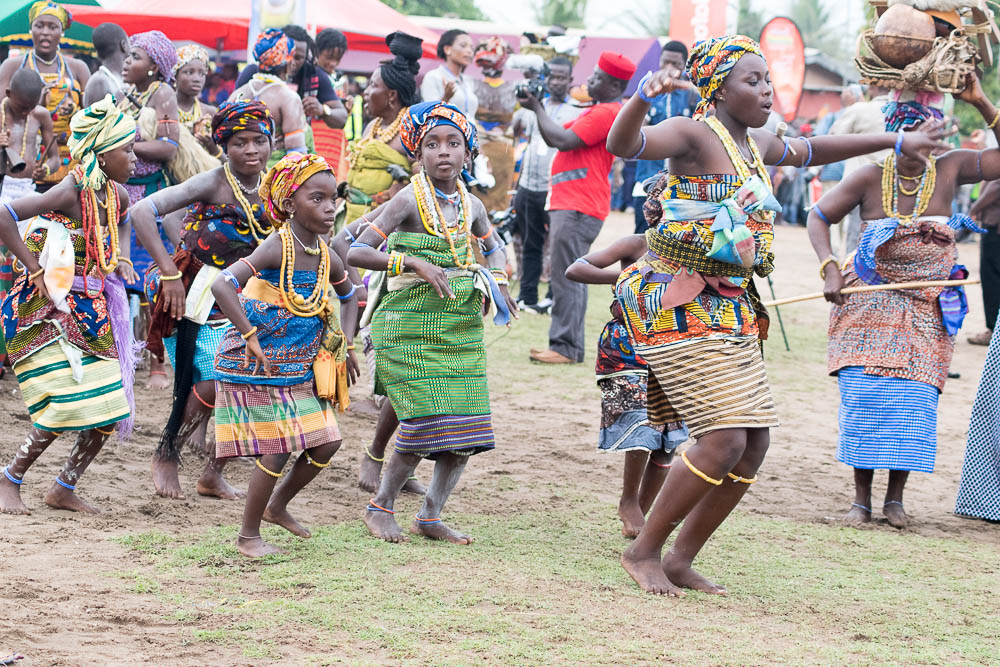 🇬🇭 Ghana and 2 moreAgbadza
An Ewe music and dance, born of war songs and kept for funerals, weddings and festivalsPerformance
🇬🇭 Ghana and 2 moreAgbadza
An Ewe music and dance, born of war songs and kept for funerals, weddings and festivalsPerformance