Kimono
In its own language: 着物
Japan's national dress: a wrapped robe with square sleeves, tied with a wide sash

The kimono is the national dress of Japan: a robe that wraps across the front with square sleeves, closed by a broad sash called an obi. Once the everyday garment of most people there, it is now worn mainly for formal events, summer festivals, and by geisha, maiko and sumo wrestlers at work.
When is Kimono kept?
Kimono is kept on formal occasions such as weddings, funerals and graduations, and at summer festivals; rarely as everyday dress today.
The kimono is the traditional garment and national dress of Japan. It is a robe that wraps at the front, with square sleeves and a straight, narrow body, held closed by a wide sash. People wear it today for weddings, funerals, graduations and summer festivals, and some professions, among them geisha, maiko and sumo wrestlers, wear it as part of their work.
What it is
The word kimono means 'thing to wear'. It is a robe cut from one narrow bolt of cloth, called a tanmono, and its shape is simple: square sleeves, a straight body, and a front that crosses over. The wearer closes it with a sash named the obi. The parts are sewn in a set way, so a kimono can be unpicked and remade. Types differ for women, men and children, and they change with the season, the occasion and the wearer's age. Zōri sandals and tabi socks often complete the outfit. The skill of putting one on is called kitsuke, which means 'dressing'.
Origins and history
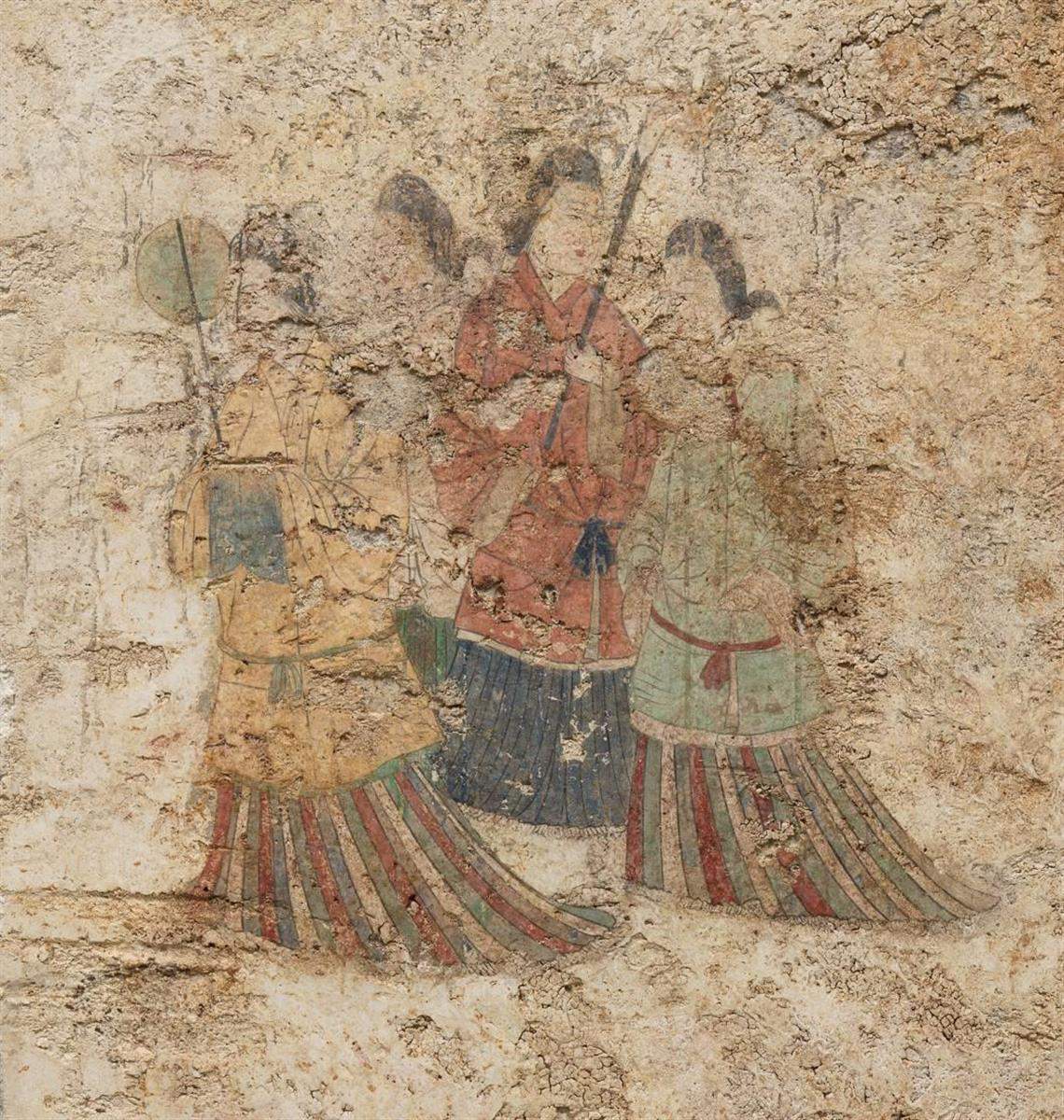
Early Japanese dress drew on clothing from China, brought by envoys and settlers during the Kofun period, and Tang styles became popular at court. A legal code issued in 718 required robes to close with the left side over the right, a rule that still shapes how a kimono is worn. After Japan stopped sending envoys to China, court dress developed on its own, producing layered styles such as the jūnihitoe. The kosode, once underwear, became outerwear by the Muromachi period and is the direct ancestor of the kimono. Its basic shape has hardly changed since the Edo period.
Types and occasions
The yukata is the lightest kind, worn at summer festivals. Formal kimono appear at weddings, funerals and graduations. A woman's kimono may have short or long sleeves, and unmarried women traditionally wore the longer ones. Bridal kimono and the trousseau that accompanies them were set down in the Taishō period. Geisha and maiko wear kimono as part of their profession, and rikishi, or sumo wrestlers, are required to wear one whenever they appear in public. Children wear kimono too, often for festivals.
Cloth and craft
Kimono are usually cut from a tanmono, a single long bolt of cloth, though Western bolts are sometimes used. Silk has been the main material, alongside ramie and satin, and wool became common for casual wear before the 1960s. Dyeing and weaving carry much of the meaning: shibori tie-dye, rinzu damask, the older tsujigahana technique, and ikat, known in Japan as kasuri, where threads are patterned before they are woven. Meisen kimono, made from waste silk, were cheap and brightly coloured, and their designs often followed Art Deco.
Today and change
Few people now wear kimono every day. The garment lost ground from the Meiji period, when Western clothing was taken up for police, postal work, railways, schools and the court as a mark of modernity. Empress Haruko issued a matching edict on women's dress in 1877, and girls' school uniforms changed over during the 1920s. Yet the kimono has returned in waves. Ready-to-wear meisen sold widely after the 1923 earthquake, and today designers and young wearers treat the kimono as fashion again, not only as formal dress.
How Kimono is kept
Putting on a kimono follows a sequence with names. The wearer brings the left front panel over the right, then ties the obi, the broad sash, around the waist, sometimes over a stiffened weave and finished with a knot. Zōri sandals and tabi socks go with it, and accessories vary by formality and season. The whole process is called kitsuke, literally 'dressing'. Geisha and maiko, and sumo wrestlers in public, do this daily as part of their work. For most other people it is occasional: a wedding, a funeral, a graduation, or a summer festival where the light yukata is usual.
When and where
The kimono has no fixed date. It belongs to occasions: weddings, funerals, graduations and other formal events, and summer festivals, where the yukata is the common choice. Geisha, maiko and sumo wrestlers wear it as part of their working day. A small number of people still choose it as everyday dress.
Japan is its home, and the kimono is the national dress. It is strongest in cities with long textile and performance traditions, such as Kyoto, where maiko and geisha wear it, and Nara, where the Shōsōin temple keeps ancient dyed fabric. Cheap meisen kimono sold widely across the country in the 1920s and 1930s.
What Kimono means
Kimono carry meaning in how they are worn. Right over left is kept for the dead, so the living always wrap left over right. Sleeve length, colour, fabric and pattern speak of age, season and formality, and a family crest may appear on formal dress. In the Edo period, merchants used costly dyeing to show their wealth, and the shogunate answered with laws limiting certain colours and techniques. That tension fed an aesthetic of quiet, almost plain elegance which still influences design.


Questions people ask about Kimono
When is Kimono kept?
Kimono is kept on formal occasions such as weddings, funerals and graduations, and at summer festivals; rarely as everyday dress today.
What is a kimono?
It is the national dress of Japan, a robe that wraps at the front with square sleeves and a rectangular body, held closed by a wide sash called an obi. It is cut from a long narrow bolt of cloth and sewn in a set way, and comes in formal and informal types for women, men and children.
Where is it worn?
In Japan, where it is the national dress. Kyoto, home to many maiko and geisha, and Nara, whose Shōsōin temple keeps ancient dyed cloth, have close ties to kimono culture and its textile history.
Why is a kimono wrapped left over right?
A legal code of 718 required robes to close with the left side over the right, following Chinese custom, and the habit stayed. Right over left is used only for the dead, so the living wear the opposite way.
Is it still everyday clothing?
No. It was once the most common Japanese garment, but Western clothing took over from the Meiji period for work, school and uniforms. Today the kimono is mostly occasion wear, though it has returned as fashion several times and is still worn for pleasure in Japan.
See also
 PretaOfferings and rites for spirits enduring deep hunger across Asian traditions.
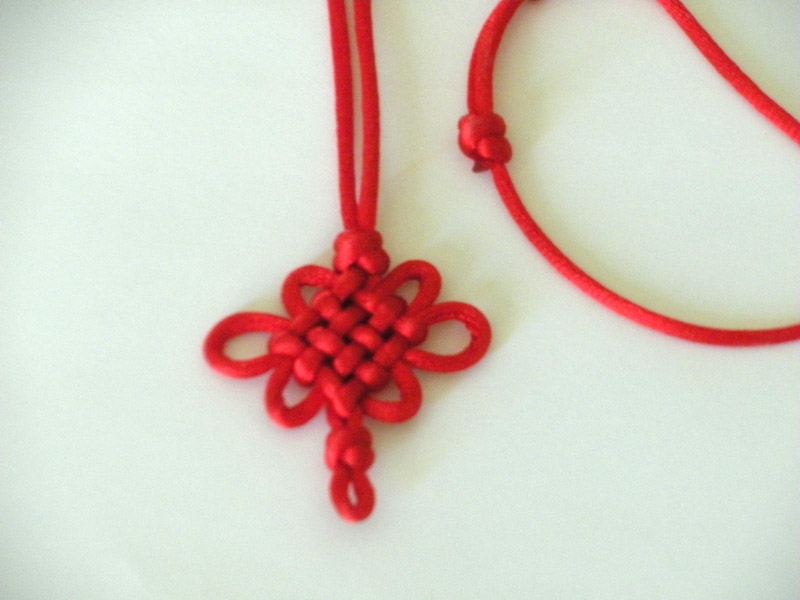 Chinese knottingA folk craft of cord tied into lucky shapes, made in China and given as charms
 IkatA resist-dyeing craft from Southeast Asia, where yarns are tied and dyed before weaving
 Lion danceA dynamic ritual dance featuring costumed lions, drums and martial acrobatics
Good reading and sources
- Encyclopaedia BritannicaArticle
- #KimOhNo: Kim Kardashian West renames Kimono brand amid outcryThe Guardian, Article
- Kimono · V&AV&A, Article
- #KimOhNo: Kim Kardashian West renames Kimono brand amid outcryThe Guardian, Article
- Kimono · V&AV&A, Article
- Kimono on WikipediaEncyclopedia
- More photos on Wikimedia CommonsPhotos and video
- Wikidata recordOpen data
The facts on this page come from the Wikipedia article "Kimono", written by its contributors and used under the CC BY-SA 4.0 licence, and from its Wikidata record (CC0). EveryParampara rewrote the text in its own words, with AI assistance, and compares every page with the article to make sure no passage is copied. It may be reused under the same CC BY-SA 4.0 licence with a link back.
It may contain mistakes. Traditions differ from one family, village and community to the next, and the people who keep them know them best. If something is wrong, tell us. Last refreshed 2026-10-05.
More from Japan
All the traditions of Japan 🇪🇬 Egypt and 5 moreTraditional tattooing
The ancient custom of marking the skin for protection, healing, status and sacred ritesDress
🇪🇬 Egypt and 5 moreTraditional tattooing
The ancient custom of marking the skin for protection, healing, status and sacred ritesDress
 🇮🇳 India and 2 moreKasayaकाषाय
The traditional patchwork robes worn by ordained Buddhist monasticsDress
🇮🇳 India and 2 moreKasayaकाषाय
The traditional patchwork robes worn by ordained Buddhist monasticsDress
 🇯🇵 JapanAuxiliary armour (Japan)
Extra guards that filled the gaps left by the six main pieces of a Japanese armour setDress
🇮🇳 India and 5 morePretaप्रेत
Offerings and rites for spirits enduring deep hunger across Asian traditions.Spiritual
🇯🇵 JapanAuxiliary armour (Japan)
Extra guards that filled the gaps left by the six main pieces of a Japanese armour setDress
🇮🇳 India and 5 morePretaप्रेत
Offerings and rites for spirits enduring deep hunger across Asian traditions.Spiritual
The same idea elsewhere
Weddings compared 🇼🇸 Samoa and 1 moreʻIe tōga
Precious woven mats exchanged in Samoan ceremonies to honor family ties and chiefly status.Dress
🇼🇸 Samoa and 1 moreʻIe tōga
Precious woven mats exchanged in Samoan ceremonies to honor family ties and chiefly status.Dress
 🇹🇱 Timor-LesteUma Lulik
Sacred ancestral clan houses and ritual shrines in East TimorSpiritual
🇹🇱 Timor-LesteUma Lulik
Sacred ancestral clan houses and ritual shrines in East TimorSpiritual
 🇮🇩 Indonesia and 2 moreKenduri
A communal prayer meal and gathering shared across Indonesia, Malaysia and BruneiSpiritual · Feasts and festival meals
🇮🇩 Indonesia and 2 moreKenduri
A communal prayer meal and gathering shared across Indonesia, Malaysia and BruneiSpiritual · Feasts and festival meals
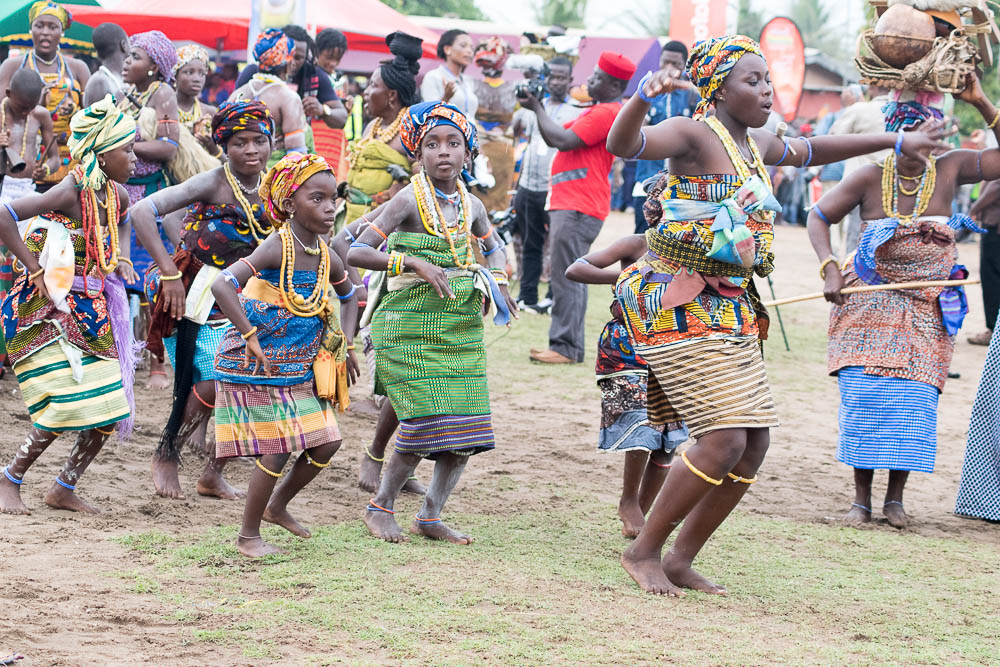 🇬🇭 Ghana and 2 moreAgbadza
An Ewe music and dance, born of war songs and kept for funerals, weddings and festivalsPerformance
🇬🇭 Ghana and 2 moreAgbadza
An Ewe music and dance, born of war songs and kept for funerals, weddings and festivalsPerformance