Customs of food and drinkEast AsiaSecular and civic
Korean ceremonial food
In its own language: 관혼상제 음식 (Gwanhon Sangje Eumsik)
Traditional dishes served during Korean family rites like weddings, funerals, and ancestral memorials.

These foods are central to the four major life events in Korean Confucian culture: coming of age, marriage, death, and ancestor worship. They reflect regional differences and symbolic meanings tied to health, longevity, and harmony.
When is Korean ceremonial food marked?
Korean ceremonial food is kept as part of Chuseok, which runs from 15 to 17 September 2027.
Korean ceremonial food forms the backbone of traditional family rituals rooted in Confucian values. These meals mark major transitions such as birth, marriage, and death, while also honoring ancestors through structured offerings. Each dish carries specific symbolism related to health, prosperity, and familial bonds.
Origins and history
The practice developed during the Joseon dynasty when Confucianism became the state philosophy. The four core ceremonies, coming of age, wedding, funeral, and ancestral rite, were formalized under this influence. Over time, these traditions evolved with regional variations but remained central to Korean social life.
Birth and infancy
At birth, families offer rice and sea mustard soup to childbirth deities and the mother. On the hundredth day, steamed rice cakes and five-colored songpyeon are shared with relatives. For the first birthday, additional items like noodles and jujubes appear alongside symbolic objects used to predict the child’s future.
Weddings and funerals
Weddings feature a table set between bride and groom with rice wine, chestnuts, and candles symbolizing fidelity and fertility. Funerals involve overnight vigils where pork or beef head meat and spicy soup are served to mourners. The chili powder is believed to ward off spirits.
Ancestral rites
Jesa tables follow strict rules from Confucian texts. Rice, soups, meats, kimchi, and fruits are arranged by color and type. Certain foods like garlic and scaleless fish are avoided due to beliefs about purity and spiritual cleanliness.
How Korean ceremonial food is kept
Families prepare specific dishes for each ceremony based on generational knowledge. Tables are arranged according to tradition, with attention to placement and symbolism. Guests receive portions of certain foods like rice cakes to share blessings. Modern practices may simplify some elements but retain core components like sea mustard soup and songpyeon.
When and where
Held during significant life milestones and lunar calendar events such as Seol and Chuseok.
Primarily observed in South Korea, with regional variations in ingredients and presentation styles.
What Korean ceremonial food means
Each item represents deeper values: sea mustard for maternal health, chestnuts for fertility, white rice cakes for innocence, and red-blue pairings for marital harmony. Foods also serve protective or purifying roles in funerary contexts.
On the table
Days Korean ceremonial food is marked
Questions people ask about Korean ceremonial food
When is Korean ceremonial food marked?
Korean ceremonial food is kept as part of Chuseok, which runs from 15 to 17 September 2027.
What is Korean ceremonial food?
It refers to dishes prepared for major life events and ancestor worship in Korean culture, reflecting Confucian values and regional customs.
Why are certain foods avoided?
Items like garlic and scaleless fish are excluded because they are considered impure or associated with negative spiritual qualities.
How do regional differences affect the food?
Local availability and cultural preferences lead to unique preparations, such as grilled shark in Gyeongsang province or skate in Jeolla province.
See also
 HaenyeoFemale free-divers of Jeju Island who harvest seafood from the ocean.
 Korean tea ceremonyTea served in Korea as a rite of courtesy, now mostly grain and herbal brews
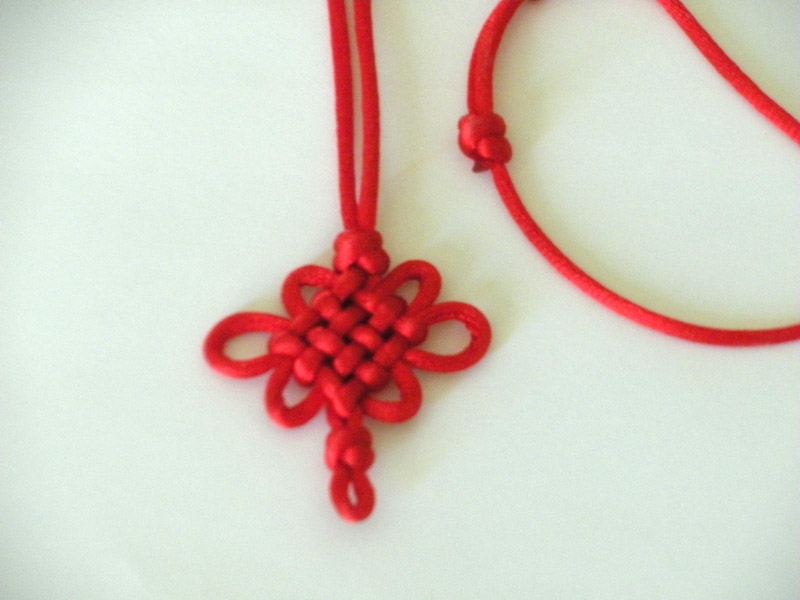 Chinese knottingA folk craft of cord tied into lucky shapes, made in China and given as charms
 Water lanternSmall lamps floated on water to honour the dead and ask for good fortune
Good reading and sources
The facts on this page come from the Wikipedia article "Korean ceremonial food", written by its contributors and used under the CC BY-SA 4.0 licence, and from its Wikidata record (CC0). EveryParampara rewrote the text in its own words, with AI assistance, and compares every page with the article to make sure no passage is copied. It may be reused under the same CC BY-SA 4.0 licence with a link back.
It may contain mistakes. Traditions differ from one family, village and community to the next, and the people who keep them know them best. If something is wrong, tell us. Last refreshed 2026-10-14.
More from South Korea
All the traditions of South Korea
🇰🇷 Jeju, South KoreaHaenyeo해녀
Female free-divers of Jeju Island who harvest seafood from the ocean.Table custom
🇰🇷 South KoreaKorean tea ceremony다례 (茶禮)
Tea served in Korea as a rite of courtesy, now mostly grain and herbal brewsTable custom · Tea, coffee and drinking ceremonies
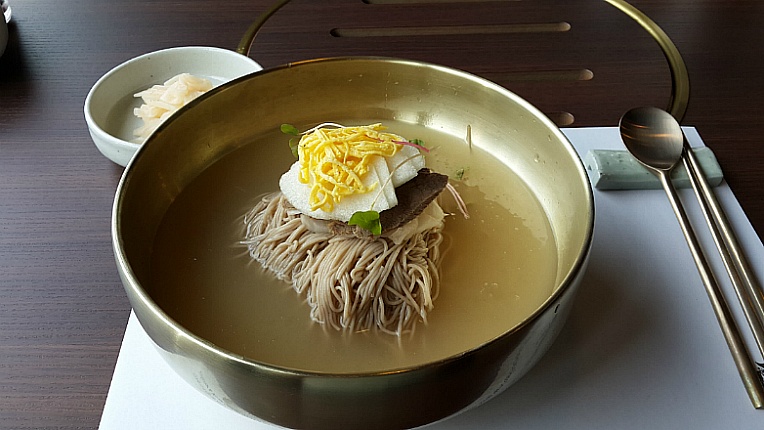 🇰🇵 Pyongyang, North Korea and 3 moreNaengmyeon냉면
Long buckwheat noodles in icy broth, born in North Korea and eaten most in summerTable custom · Dinner
🇰🇵 Pyongyang, North Korea and 3 moreNaengmyeon냉면
Long buckwheat noodles in icy broth, born in North Korea and eaten most in summerTable custom · Dinner
 🇨🇳 China and 5 moreTea culture
How tea is prepared, shared and served, from Chinese tea houses to Tibetan butter teaTable custom · Tea, coffee and drinking ceremonies
🇨🇳 China and 5 moreTea culture
How tea is prepared, shared and served, from Chinese tea houses to Tibetan butter teaTable custom · Tea, coffee and drinking ceremonies
The same idea elsewhere
Birth and new babies compared 🇮🇩 IndonesiaSlametan
A short communal meal on Java where neighbours share food, prayer and a wish for peaceSpiritual · Feasts and festival meals
🇮🇩 IndonesiaSlametan
A short communal meal on Java where neighbours share food, prayer and a wish for peaceSpiritual · Feasts and festival meals
 🇺🇦 Ukraine and 2 moreRushnykрушник
A sacred embroidered cloth used in East Slavic rituals, weddings and daily life.Dress
🇺🇦 Ukraine and 2 moreRushnykрушник
A sacred embroidered cloth used in East Slavic rituals, weddings and daily life.Dress
 🇹🇱 Timor-LesteUma Lulik
Sacred ancestral clan houses and ritual shrines in East TimorSpiritual
🇹🇱 Timor-LesteUma Lulik
Sacred ancestral clan houses and ritual shrines in East TimorSpiritual
 🇺🇸 United States and 5 moreRite of passage
A ceremony that marks leaving one group and entering another, with a new statusRite of passage
🇺🇸 United States and 5 moreRite of passage
A ceremony that marks leaving one group and entering another, with a new statusRite of passage