🇮🇳 India
Hindus cremate the dead, usually within a day, with the eldest son lighting the pyre, and the ashes are immersed in a river such as the Ganges at Varanasi. A thirteen-day period of mourning follows, closing with a feast.
Read: AntyestiEvery culture has a way to say goodbye.
Presented by ClearTrust Free for the curious, the homesick and the hosts.
Every culture has a way to say goodbye. Funeral customs prepare the body, gather the family and community, speak the words that give comfort and mark the weeks and years that follow. They differ greatly: burial within a day in Islam and Judaism, cremation on a riverbank in India, a jazz band in New Orleans, a sky burial in Tibet, a wake with food and song in Ireland. What they share is a wish to treat the dead with dignity and to hold the living together while they grieve. Here is how it is done around the world, described as the people who keep these customs would describe them.
A funeral does several jobs at once. It honours the person, it carries out the duties required by faith, and it gives mourners a shared structure when they are least able to arrange anything. It also announces the death and brings the community to the family's side. The weeks that follow, with visits, meals and set days of remembrance, let grief be spoken. Many traditions teach that the dead need help to move on, through prayer, food or offerings, and so the funeral is also a work of care for the person who has died.
The body is washed and dressed or wrapped, then watched over until the burial or cremation. Prayers or readings are said, and the community comes to pay respects. Dress is usually dark, though white is worn in many parts of Asia and Africa. A meal follows, often given by friends and neighbours. Mourning rules, such as the Jewish seven days of shiva or the Hindu thirteen days, set aside a time for grief. Anniversaries are marked at fixed points, such as forty days, one year or each year after, with prayers, a meal or a visit to the grave.
Food at funerals is often simple and practical, as neighbours bring meals so that the family need not cook. Examples are the Jewish meal of condolence with eggs and lentils, funeral potatoes in the United States, kolyva wheat in Orthodox Christian rites and sweet rice in Japan. Music ranges from the quiet chant of a psalm or sutra to the brass band and second line of New Orleans, or the drums and dance of a Ghanaian funeral. Colour is a strong signal: black in Europe, white in China and India, and in some parts of Africa bright cloth printed with the person's face.
Cremation has become more common in many places, and some families scatter ashes at a place that meant something to the person. Funerals are more personal, with photographs, favourite songs and stories replacing a fixed script. Services are live-streamed for those who cannot travel, and online memorials let friends leave tributes. Many people now plan their own funerals in advance. At the same time there is a renewed interest in older practices, such as home funerals, green burial and the shiva visit, which many people find a comfort in an age of distance.
Hindus cremate the dead, usually within a day, with the eldest son lighting the pyre, and the ashes are immersed in a river such as the Ganges at Varanasi. A thirteen-day period of mourning follows, closing with a feast.
Read: AntyestiKathmandu's Pashupatinath temple hosts cremations on the Bagmati River, and Newar families carry out elaborate rites on the 4th, 13th and 45th days. Sky burial is also practised in the high Himalaya.
Pashupatinath Temple, being writtenBuddhist funerals involve a week or more of chanting at a temple, with monks and relatives, and cremation with a fine wooden pyre. Guests may receive a small book or gift in the name of the dead person.
Read: Thai funeralMourners wear white and give money in white envelopes, with incense and paper offerings burned for the afterlife. In some regions there are funeral bands, a mourning period of 49 days and a visit to the grave at Qingming.
Read: Chinese funeral ritualsTraditional Mongolian and Tibetan Buddhist practice includes sky burial, in which the body is left on the open steppe or mountain, an act of generosity to the birds and a return to nature. The family leaves the place without a marker, and the practice is gradually giving way to burial in the cities.
Read: Sky burialJewish funerals take place as soon as possible, with a plain wooden coffin or shroud, the Kaddish prayer and seven days of shiva at the family home. Visitors bring food and sit with the mourners.
Shiva, being written AntyestiThe Hindu last rites.
 Jazz funeralNew Orleans music for the dead.
 WakeThe gathering before the funeral.
 Sky burialTibetan and Mongolian practice.
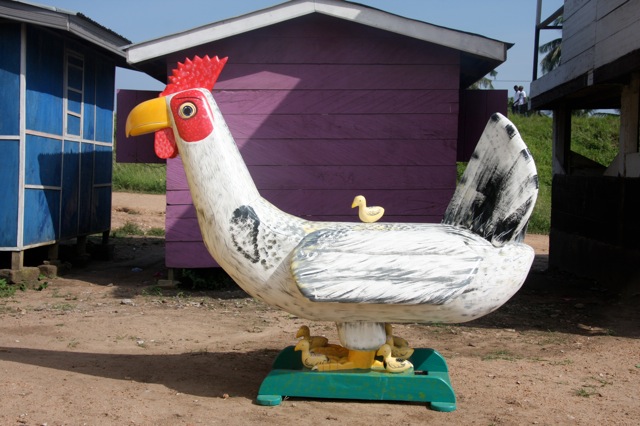 Fantasy coffinsGhana's shaped coffins.
 Day of the DeadMexico's yearly remembrance.
Also part of it, and being written: Shiva (Seven days of mourning.), Tangihanga (The Maori funeral at the marae.).
Dark, modest clothing is the safe choice in most places, but follow the family's lead. White is worn in China, in India and in some Hindu and Buddhist rites, and some families request bright colours.
Islam and Judaism teach that the dead should be buried promptly, as an act of respect, so the funeral usually takes place within a day or two. Others hold the body for days to let relatives arrive.
A gathering, usually before the funeral, at which people sit with the body or the family, share food and tell stories. It is an Irish word, but similar customs are found in many cultures.
Simple words of sympathy, such as "I am sorry for your loss", are welcome everywhere. Faith-based phrases vary, and it is fine to ask the family or follow the others around you.
Yes. White chrysanthemums are for funerals in Japan and parts of Europe, lilies in many Christian settings, and flowers are not given at Jewish or some Muslim funerals. When in doubt, ask or donate to a charity.
Written by the EveryParampara desk with AI assistance. Customs differ from place to place and family to family. If this is your tradition and we have it wrong, tell us.
The traditions written up so far, best known first.
 🇨🇳 Puyang, ChinaFeng shui風水
The Chinese spatial practice of aligning homes and graves with natural energyFolklore
🇨🇳 Puyang, ChinaFeng shui風水
The Chinese spatial practice of aligning homes and graves with natural energyFolklore
 🇰🇷 Jeju, South KoreaGut굿
Sacred rites of song, dance, and spirit communion performed by Korean shamansSpiritual
🇨🇳 China and 4 moreSky burialབྱ་གཏོར་ (bya gtor)
A Tibetan funeral in which the dead are laid out on a rock for vulturesRite of passage
🇰🇷 Jeju, South KoreaGut굿
Sacred rites of song, dance, and spirit communion performed by Korean shamansSpiritual
🇨🇳 China and 4 moreSky burialབྱ་གཏོར་ (bya gtor)
A Tibetan funeral in which the dead are laid out on a rock for vulturesRite of passage
 🇨🇳 China and 5 moreAncestor veneration
Honouring dead relatives with offerings, meals and prayers, kept in cultures worldwideSpiritual
🇨🇳 China and 5 moreAncestor veneration
Honouring dead relatives with offerings, meals and prayers, kept in cultures worldwideSpiritual
 🇨🇳 China and 5 moreAncestor worship
Honouring dead relatives with offerings and prayers, kept in many cultures worldwideSpiritual
🇨🇳 China and 5 moreAncestor worship
Honouring dead relatives with offerings and prayers, kept in many cultures worldwideSpiritual
 🇯🇵 JapanJapanese funeral葬儀 (sōgi)
A Buddhist farewell in Japan: a wake, cremation, bone-gathering and a family graveRite of passage
🇯🇵 JapanJapanese funeral葬儀 (sōgi)
A Buddhist farewell in Japan: a wake, cremation, bone-gathering and a family graveRite of passage
 🇨🇳 China and 5 moreJoss paper金紙 (jīnzhǐ)
Paper money burned for ancestors and gods, folded and offered in Chinese worshipSpiritual
🇨🇳 China and 5 moreJoss paper金紙 (jīnzhǐ)
Paper money burned for ancestors and gods, folded and offered in Chinese worshipSpiritual
 🇨🇳 Lhasa, China and 5 moreButter teaབོད་ཇ་
A salted tea churned with yak butter, served to guests across the HimalayaTable custom · Tea, coffee and drinking ceremonies
🇰🇷 South KoreaKorean traditional funeral
A multi-day ritual blending Confucian rites and shamanic practices to guide the deceased to the afterlife.Rite of passage
🇨🇳 Lhasa, China and 5 moreButter teaབོད་ཇ་
A salted tea churned with yak butter, served to guests across the HimalayaTable custom · Tea, coffee and drinking ceremonies
🇰🇷 South KoreaKorean traditional funeral
A multi-day ritual blending Confucian rites and shamanic practices to guide the deceased to the afterlife.Rite of passage
 🇨🇳 ChinaChinese funeral rituals
Traditional rites of mourning, vigils, offerings, and ancestor veneration across ChinaRite of passage
🇨🇳 ChinaChinese funeral rituals
Traditional rites of mourning, vigils, offerings, and ancestor veneration across ChinaRite of passage
 🇨🇳 ChinaKowtow叩頭
A traditional Chinese prostration of deep respect by kneeling and bowing to the groundEtiquette
🇨🇳 ChinaKowtow叩頭
A traditional Chinese prostration of deep respect by kneeling and bowing to the groundEtiquette
The small pictures above come from Wikimedia Commons under free licences. Some are cropped to fit.
Every week: one tradition from somewhere new, what is being celebrated around the world this week, and one idea explained.