Secular and civic traditions
Secular and civic traditions are those kept without a religious frame: national days, parades, remembrance days, birthdays, graduations, school and university rituals, sporting customs, workplace habits and the rites of clubs and communities.
Secular and civic traditions are those kept without a religious frame: national days, parades, remembrance days, birthdays, graduations, school and university rituals, sporting customs, workplace habits and the rites of clubs and communities. They give people shared moments and symbols outside any faith, and many have grown over a century or two. EveryParampara includes them alongside older traditions, because a Fourth of July barbecue or a Burns Night supper is as much a tradition as any ancient rite, and is kept with equal feeling.
Nations and communities
National days, flags, anthems, parades and minutes of silence create a sense of belonging. Remembrance of war dead, in poppies, wreaths and the Last Post, is observed by millions. Local clubs, guilds and societies keep their own rituals, from the mayor's procession to the Rotary meeting. Each reflects the history and the values of the group, and many invite the public to attend.
Milestones without a church
Birthdays, graduations, retirements, housewarmings and baby showers are secular milestones, kept with cakes, speeches and gifts. Many couples hold civil weddings and non-religious naming ceremonies and funerals led by celebrants. These customs show how people create meaning and mark time together, and how traditions are made as well as inherited. Some of them are only a few decades old, and already feel like old friends. A tradition begins the first time a group of people decides to do something again next year.
Written by the EveryParampara desk with AI assistance. Background on Secular and civic (faith). Customs differ from place to place and family to family. If this is your tradition and we have it wrong, tell us.
 🇺🇸 United States and 5 moreMother's Day
A worldwide annual celebration dedicated to mothers, maternal bonds and family careHome
🇺🇸 United States and 5 moreMother's Day
A worldwide annual celebration dedicated to mothers, maternal bonds and family careHome
 🇮🇪 Ireland and 4 moreTrick-or-treating
A custom where children visit homes in costume to ask for treats or face a playful prank.Festival · Sweets given and shared
🇮🇪 Ireland and 4 moreTrick-or-treating
A custom where children visit homes in costume to ask for treats or face a playful prank.Festival · Sweets given and shared
 🇪🇸 Spain and 5 moreSiesta
A short afternoon rest or sleep taken after the midday mealHome · Lunch
🇪🇸 Spain and 5 moreSiesta
A short afternoon rest or sleep taken after the midday mealHome · Lunch
 🇸🇦 Riyadh, Saudi Arabia and 4 moreMajlis
A traditional sitting room and community assembly for hospitality and civic counselEtiquette
🇸🇦 Riyadh, Saudi Arabia and 4 moreMajlis
A traditional sitting room and community assembly for hospitality and civic counselEtiquette
 🇷🇺 Russia and 4 moreHousewarming party
A gathering held soon after moving into a new home to celebrate the space and welcome guests.Home
🇷🇺 Russia and 4 moreHousewarming party
A gathering held soon after moving into a new home to celebrate the space and welcome guests.Home
 🇺🇸 Chicago, United States and 4 moreKwanzaa
A seven-day African American celebration of heritage, family and community valuesFestival · Feasts and festival meals
🇺🇸 Chicago, United States and 4 moreKwanzaa
A seven-day African American celebration of heritage, family and community valuesFestival · Feasts and festival meals
 🇫🇷 FranceFest nozfest noz (pl. festoù noz)
A Breton night festival of group dancing and live acoustic music, kept in Brittany and its diaspora.Festival · Tea-time and snacking customs
🇫🇷 FranceFest nozfest noz (pl. festoù noz)
A Breton night festival of group dancing and live acoustic music, kept in Brittany and its diaspora.Festival · Tea-time and snacking customs
 🇯🇵 JapanChildren's Dayこどもの日
A Japanese holiday on May fifth celebrating the happiness and growth of childrenFestival
🇯🇵 JapanChildren's Dayこどもの日
A Japanese holiday on May fifth celebrating the happiness and growth of childrenFestival
 🇬🇧 London, United Kingdom and 5 moreChristmas cracker
A decorative paper tube pulled apart with a bang during Christmas dinnerFestival · Dinner
🇬🇧 London, United Kingdom and 5 moreChristmas cracker
A decorative paper tube pulled apart with a bang during Christmas dinnerFestival · Dinner
 🇺🇸 United States and 5 moreBaby shower
A gift-giving party for a new or expected baby, kept in many countriesRite of passage
🇺🇸 United States and 5 moreBaby shower
A gift-giving party for a new or expected baby, kept in many countriesRite of passage
 🇷🇺 Moscow, Russia and 5 moreNovy GodНовый Год
A secular winter celebration of decorated trees, family feasts and midnight giftsFestival · Feasts and festival meals
🇷🇺 Moscow, Russia and 5 moreNovy GodНовый Год
A secular winter celebration of decorated trees, family feasts and midnight giftsFestival · Feasts and festival meals
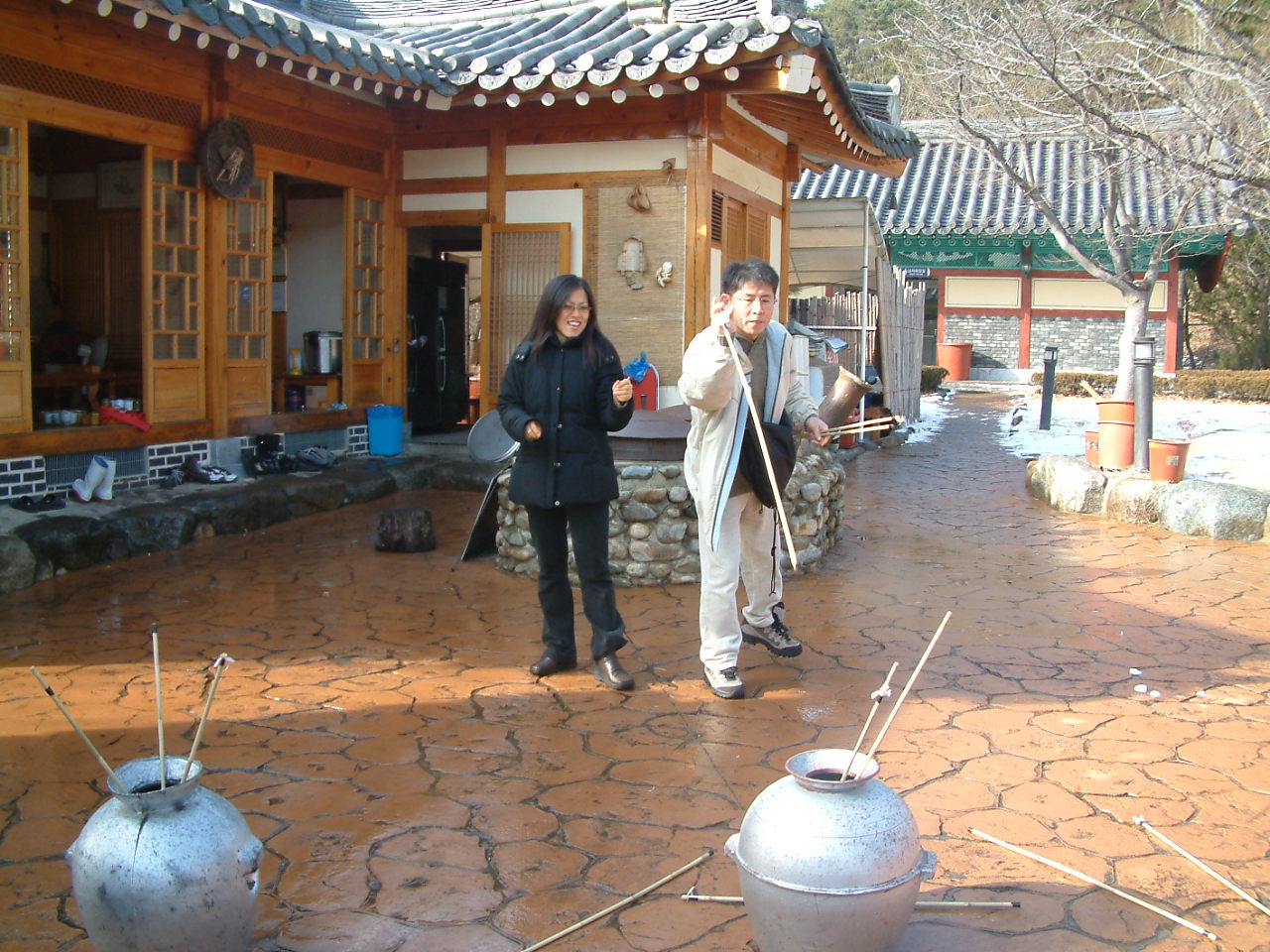 🇰🇷 South Korea and 1 moreKorean New Year설날
A three-day Korean festival celebrating the lunisolar new year with family and feastsSeasonal
🇰🇷 South Korea and 1 moreKorean New Year설날
A three-day Korean festival celebrating the lunisolar new year with family and feastsSeasonal
 🇬🇧 United Kingdom and 1 moreMothering Sunday
A mid-Lent Christian observance and family celebration of mothers and mother churchesSeasonal · Breakfast
🇬🇧 United Kingdom and 1 moreMothering Sunday
A mid-Lent Christian observance and family celebration of mothers and mother churchesSeasonal · Breakfast
 🇰🇷 Seoul, South Korea and 1 moreMarriage in Korea
Weddings in Korea, from Goryeo matchmaking to Confucian rites and modern chapel vowsRite of passage
🇰🇷 Seoul, South Korea and 1 moreMarriage in Korea
Weddings in Korea, from Goryeo matchmaking to Confucian rites and modern chapel vowsRite of passage
 🇰🇷 South Korea and 4 moreParents' Day어버이날 (Eobeoinal)
Days set aside in several countries to thank mothers and fathersFestival
🇰🇷 South Korea and 4 moreParents' Day어버이날 (Eobeoinal)
Days set aside in several countries to thank mothers and fathersFestival
 🇵🇱 Poland and 5 moreGrandparents' Day
A single-day holiday kept on different dates in many countries to honour grandparentsFestival
🇵🇱 Poland and 5 moreGrandparents' Day
A single-day holiday kept on different dates in many countries to honour grandparentsFestival
 🇺🇸 United StatesFestivus
A secular December observance marked by bare poles, voiced grievances, and wrestlingFestival · Dinner
🇺🇸 United StatesFestivus
A secular December observance marked by bare poles, voiced grievances, and wrestlingFestival · Dinner
 🇯🇵 Japan and 5 moreHouse
A traditional children's make-believe game of acting out domestic family rolesGame
🇺🇸 New York, United StatesBark Mitzvah
A lighthearted coming of age celebration held by dog owners for their petsFestival · Feasts and festival meals
🇯🇵 Japan and 5 moreHouse
A traditional children's make-believe game of acting out domestic family rolesGame
🇺🇸 New York, United StatesBark Mitzvah
A lighthearted coming of age celebration held by dog owners for their petsFestival · Feasts and festival meals
 🇮🇷 Iran and 1 moreEidiyahعيدية
The holiday custom of presenting cash and gifts to children and relativesFestival
🇮🇷 Iran and 1 moreEidiyahعيدية
The holiday custom of presenting cash and gifts to children and relativesFestival
Photo credits on this page
The small pictures above come from Wikimedia Commons under free licences. Some are cropped to fit.
- Trick-or-treating: Toyah Anette B, Public domain, source
- Mother's Day: Dave Parker, CC BY 2.0, source
- Kwanzaa: Apavlo at English Wikipedia, Public domain, source
- Children's Day: Comissão de Jovens, CC BY-SA 2.0, source
- Christmas cracker: en:User:Cgros841, Public domain, source
- Novy God: Евгений Самарин, CC BY 4.0, source
- Korean New Year: Kang Byeong Kee, CC BY 3.0, source
- Mothering Sunday: Jonathunder, CC BY-SA 3.0, source
- Siesta: Vincent van Gogh, Public domain, source
- Majlis: Abū Zayd ibn Muḥammad ibn Abī Zayd, CC0, source
- Housewarming party: State Library of Queensland, Australia, No restrictions, source
- Fest noz: Man vyi, Public domain, source
- Baby shower: Goizarin, CC0, source
- Marriage in Korea: Jérôme Banal ( Eden2004 ), CC BY-SA 3.0, source
- Parents' Day: 草花写真館, CC BY-SA 3.0, source
- Grandparents' Day: Wendy Berry, CC BY 2.0, source
- Festivus: en:User:DRosenbach Original uploader was DRosenbach at en.wikipedia, CC BY-SA 3.0, source
- House: Alborzagros, CC BY-SA 3.0, source
- Eidiyah: Rahbar Emamdadi, CC BY 4.0, source