Life-cycle rites
Birth, naming, coming of age, marriage and death.
Life-cycle rites mark the great changes in a human life: birth, naming, coming of age, marriage and death. Every society has them, and they teach a good deal about what a community values. They bring families together and give everyone a script for what to do and say. Here they are gathered from every region, from the Yoruba naming ceremony to the Korean first birthday, the Jewish bar mitzvah and the Maori tangi, each described as those who keep them do.
Beginnings
Birth rites welcome a child and protect mother and baby, with rest, special food, blessings and a name. Many cultures wait a few days or weeks before naming, until the child is stronger. Some give a first haircut, a first food or a first outing as small rites of their own. Godparents, aunts, grandmothers and neighbours all have parts. The common thread is the community making room for a newcomer and promising to help them grow.
Marriage and death
At the other turning points, rites give structure to joy and to grief. Weddings join two families with vows, gifts and feasts, and funerals gather the community to honour the person and support the bereaved. Both are long, with preparation before and customs after, from henna nights to the seven days of shiva. They also tie individual lives to a tradition older than any one family, which many people find a comfort at those moments.
Written by the EveryParampara desk with AI assistance. Background on Life-cycle rites (kind of tradition). Customs differ from place to place and family to family. If this is your tradition and we have it wrong, tell us.
 🇮🇱 Tiberias, Israel and 2 moreYahrzeitיאָרצײַט (yortsayt)
A Jewish death anniversary marked by prayer and a burning candle to honour the departed.Rite of passage
🇮🇱 Tiberias, Israel and 2 moreYahrzeitיאָרצײַט (yortsayt)
A Jewish death anniversary marked by prayer and a burning candle to honour the departed.Rite of passage
 🇮🇱 IsraelTallitטלית
A four-cornered Jewish prayer shawl with ritual fringes worn during worshipSpiritual
🇮🇱 IsraelTallitטלית
A four-cornered Jewish prayer shawl with ritual fringes worn during worshipSpiritual
 🇮🇱 Israel and 5 moreKol Nidreכָּל נִדְרֵי
An Aramaic declaration of vow annulment that opens the Yom Kippur evening service in Jewish synagogues.Spiritual
🇮🇱 Israel and 5 moreKol Nidreכָּל נִדְרֵי
An Aramaic declaration of vow annulment that opens the Yom Kippur evening service in Jewish synagogues.Spiritual
 🇮🇱 Israel and 5 moreKaddishקַדִּישׁ
A Jewish hymn of sanctification recited during prayer services and mourning rituals.Spiritual
🇮🇱 Israel and 5 moreKaddishקַדִּישׁ
A Jewish hymn of sanctification recited during prayer services and mourning rituals.Spiritual
 🇮🇷 Urmia, IranKurdish danceGovend (گۆڤەند)
Circle dances of the Kurds, led by handkerchief twirlers, for weddings and NewrozPerformance
🇮🇷 Urmia, IranKurdish danceGovend (گۆڤەند)
Circle dances of the Kurds, led by handkerchief twirlers, for weddings and NewrozPerformance
 🇮🇱 Safed, Israel and 5 moreHakafotהַקָּפוֹת
Circling the synagogue platform with the Torah scrolls, at Sukkot and Simchat TorahSpiritual
🇮🇱 Safed, Israel and 5 moreHakafotהַקָּפוֹת
Circling the synagogue platform with the Torah scrolls, at Sukkot and Simchat TorahSpiritual
 🇸🇦 Saudi Arabia and 1 moreHenna ceremonyليلة الحناء
A night of henna patterns on a bride's hands and feet, kept before the weddingRite of passage
🇸🇦 Saudi Arabia and 1 moreHenna ceremonyليلة الحناء
A night of henna patterns on a bride's hands and feet, kept before the weddingRite of passage
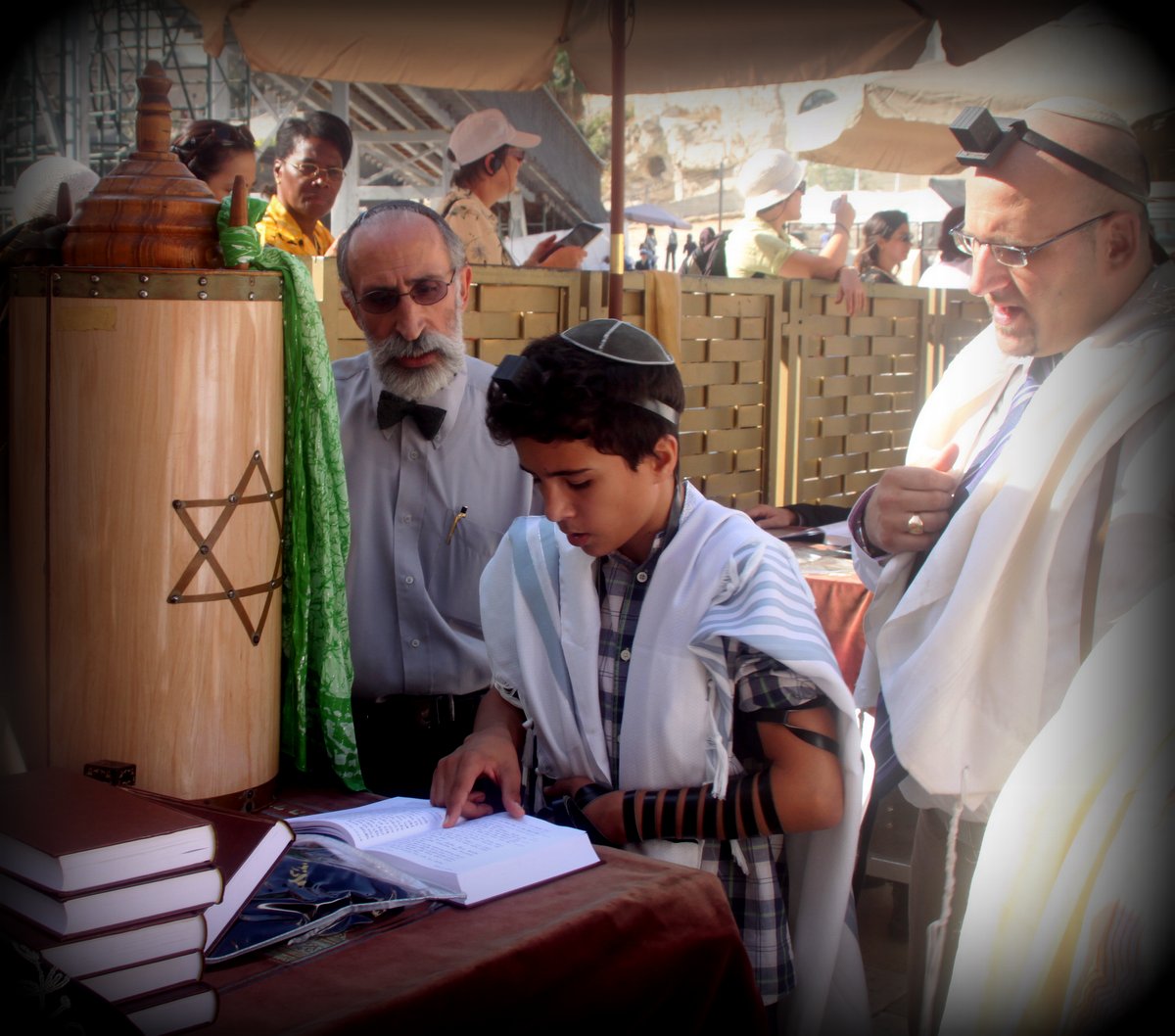 🇮🇱 Jerusalem, Israel and 5 moreBar and bat mitzvahבַּר מִצְוָה / בַּת מִצְוָה
A Jewish rite of passage marking when youth reach adulthood and take responsibility for their own actions.Rite of passage · Feasts and festival meals
🇮🇱 Jerusalem, Israel and 5 moreBar and bat mitzvahבַּר מִצְוָה / בַּת מִצְוָה
A Jewish rite of passage marking when youth reach adulthood and take responsibility for their own actions.Rite of passage · Feasts and festival meals
 🇮🇷 Tehran, IranIranian weddingمراسم عروسی در ایران
A wedding with courtship visits, a henna night and a spread of symbols, kept across IranRite of passage
🇮🇷 Tehran, IranIranian weddingمراسم عروسی در ایران
A wedding with courtship visits, a henna night and a spread of symbols, kept across IranRite of passage
 🇮🇱 IsraelFast of the Firstbornתַעֲנִית בְּכוֹרוֹת
A Jewish fast day kept by firstborns on the eve of PassoverSpiritual · Fasting and breaking the fast
🇮🇱 IsraelFast of the Firstbornתַעֲנִית בְּכוֹרוֹת
A Jewish fast day kept by firstborns on the eve of PassoverSpiritual · Fasting and breaking the fast
 🇮🇱 Israel and 5 moreZeved habatזֶבֶד הַבָּת
A Jewish naming ceremony for newborn girls, kept by Sephardi, Mizrahi and Ashkenazi communities.Rite of passage
🇮🇱 Israel and 5 moreZeved habatזֶבֶד הַבָּת
A Jewish naming ceremony for newborn girls, kept by Sephardi, Mizrahi and Ashkenazi communities.Rite of passage
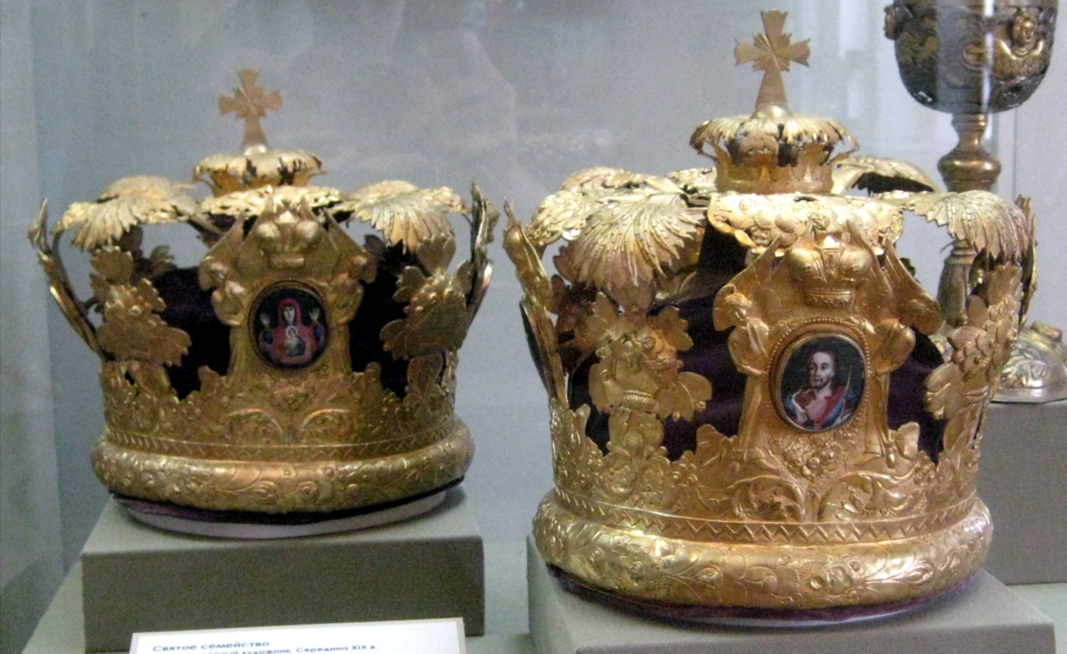 🇸🇾 Syria and 3 moreMystery of Crowning
A ritual where crowns are placed on the heads of the bride and groom during marriage in Eastern Christian churches.Rite of passage
🇵🇸 Jerusalem, Palestine and 1 moreThursday of the Deadخميس الأموات
A spring day of cemetery visits, prayer, and shared yellow breads across the LevantSpiritual · Sweets given and shared
🇸🇾 Syria and 3 moreMystery of Crowning
A ritual where crowns are placed on the heads of the bride and groom during marriage in Eastern Christian churches.Rite of passage
🇵🇸 Jerusalem, Palestine and 1 moreThursday of the Deadخميس الأموات
A spring day of cemetery visits, prayer, and shared yellow breads across the LevantSpiritual · Sweets given and shared
 🇮🇱 Meron, Israel and 1 moreUpsherinאָפּשערן
A boy's first haircut at three, the day his Jewish learning beginsRite of passage · Sweets given and shared
🇮🇱 Meron, Israel and 1 moreUpsherinאָפּשערן
A boy's first haircut at three, the day his Jewish learning beginsRite of passage · Sweets given and shared
 🇾🇪 YemenConfession in Judaismוִדּוּי (vīddūy)
Admitting sin before God, in daily prayer, on Yom Kippur and at the end of lifeSpiritual
🇾🇪 YemenConfession in Judaismוִדּוּי (vīddūy)
Admitting sin before God, in daily prayer, on Yom Kippur and at the end of lifeSpiritual
 🇮🇷 Susa, IranSusa weddings
A mass royal wedding held in 324 BCE to unite Macedonian and Persian nobilityCeremony
🇮🇷 Susa, IranSusa weddings
A mass royal wedding held in 324 BCE to unite Macedonian and Persian nobilityCeremony
 🇮🇱 IsraelProfession of Faith
A public declaration of religious belief across Jewish, Christian and Islamic traditionsSpiritual
🇮🇱 IsraelProfession of Faith
A public declaration of religious belief across Jewish, Christian and Islamic traditionsSpiritual
Photo credits on this page
The small pictures above come from Wikimedia Commons under free licences. Some are cropped to fit.
- Tallit: Mushki Brichta, CC BY-SA 4.0, source
- Kaddish: Jwh, CC BY-SA 3.0 lu, source
- Kol Nidre: אליעזר ב"ר רבי אליהו הלוי שבט סופר, Public domain, source
- Hakafot: Meir624, CC BY-SA 3.0, source
- Yahrzeit: Elipongo, Public domain, source
- Confession in Judaism: Nathan [ben Samson] of Mezhyrich, Public domain, source
- Henna ceremony: No author provided, CC0, source
- Bar and bat mitzvah: Peter van der Sluijs, CC BY-SA 3.0, source
- Kurdish dance: Kaiwan Moradi, CC BY-SA 4.0, source
- Iranian wedding: Flickr.com user "avlxyz", CC BY-SA 2.0, source
- Fast of the Firstborn: J. M. W. Turner, Public domain, source
- Zeved habat: I.am.a.qwerty, CC BY-SA 4.0, source
- Mystery of Crowning: Shakko, CC BY-SA 3.0, source
- Susa weddings: Unknown author, Public domain, source
- Profession of Faith: Westminster Assembly, Public domain, source
- Upsherin: Vered Peer, CC BY 4.0, source