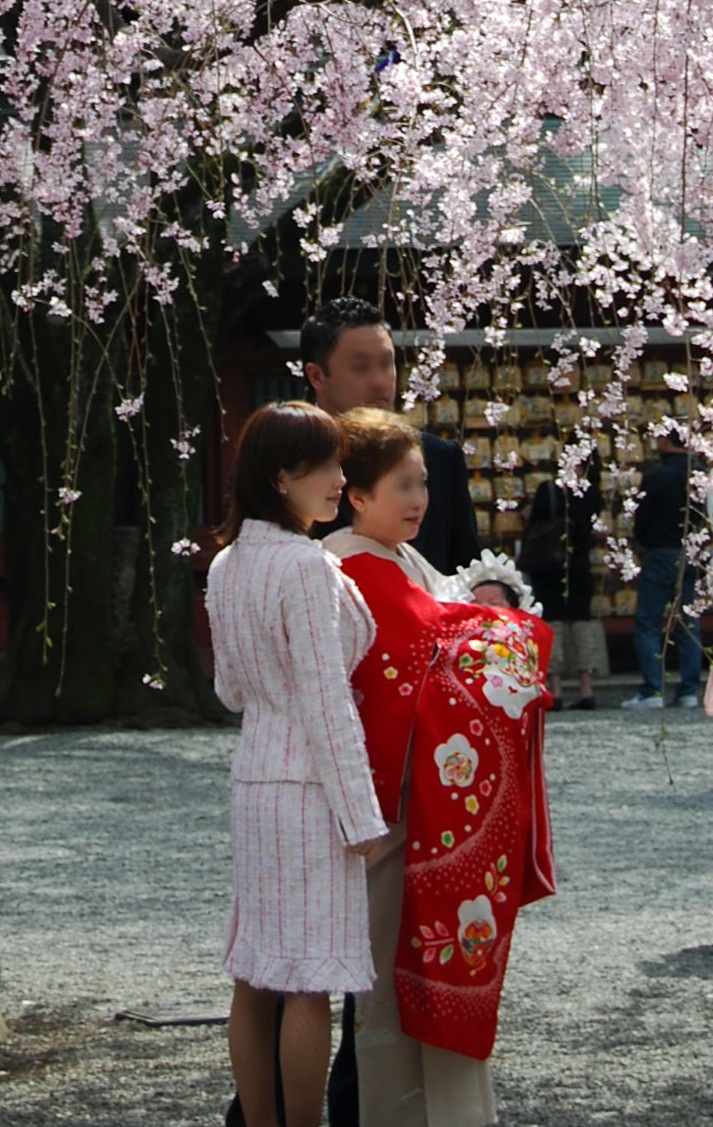
A birth is welcomed by every culture, and nearly all of them wrap the first days in special customs. The mother is rested and fed, the baby is washed and wrapped, and the family gathers to bless, name and show the child. Many traditions are about protection, with charms, prayers and quiet rules for the first weeks. Others are joyful and public, with sweets handed out, songs sung and gifts brought. The details differ widely, from the Chinese month of rest to the Jewish brit and the Muslim aqiqah, but the heart is the same: a community making room for a new person.
What it is for
The first weeks of life were once the most dangerous for mother and child, and many customs grew out of the wish to guard them. Rest, warm food, a protected room and the help of older women are common. There is a social purpose too: the birth tells the community that a new member has arrived and asks it to share in the care. Blessings, first foods and first haircuts mark the baby as part of a family, a faith and a place. The customs belong to the family, who decide how closely to follow them.
Common elements across cultures
Many cultures keep a period of confinement or rest for the mother, often thirty to forty days, in which she is fed special food and relieved of work. The baby's first bath, the cutting of the cord and the burial of the placenta have meaning in many places. Protection against the evil eye is common, using black dots, amulets, blue beads, red thread or iron. A formal naming or welcome often follows within days or weeks, and the family hands out sweets, red eggs or cakes to neighbours to share the news.
Food, dress and music
The mother's food is the most striking part: ginger and sesame chicken in China, ghee and herbal laddus in India, soups, porridge and fenugreek in many places. The baby is dressed in white or in a family christening gown, or in a new outfit given by the grandparents. Lullabies are among the oldest music in the world, and many families have a particular song handed down. Visitors bring cooked meals, which relieve the mother of kitchen work and bring the community into the house.
How it is changing
Hospital births, small families and distance from grandparents have changed the setting, but not always the customs. Many families keep a version of the rest period, with a paid postnatal helper in place of an aunt. Baby showers, once uncommon outside North America, have spread worldwide, as have photo shoots and social posts. Alongside these, there is a revival of older practices, such as midwife-led care, the rest period and traditional naming rites, often chosen deliberately by young parents who want a link to their family's history.
Birth and new babies around the world
🇨🇳 China
Zuo yuezi, or sitting the month, is a month of rest in which the mother stays in, eats warming food such as ginger and sesame oil chicken, and avoids cold water. At one month the family gives out red eggs and ginger.
Read: Postpartum confinement🇮🇳 India
Many Hindu families hold a naming rite on the eleventh or twelfth day, and a first-rice-feeding, annaprashan, at about six months. New mothers are cared for with ghee, herbs and massage, and sometimes return to their parents' home for the birth.
Annaprashana, being written🇯🇵 Japan
Omiyamairi is the first shrine visit, about a month after birth, when the baby is carried in a long robe by a grandmother. At 100 days, okuizome is a ceremonial first meal with rice, soup and a smooth stone for strong teeth.
Read: Miyamairi🇰🇷 Korea
Baek-il is the party for the baby's 100th day, an old milestone of survival, with rice cakes shared with neighbours. The first birthday, dol, includes the doljabi, in which the baby chooses an object that is read as a sign of the future.
Read: Doljanchi🇮🇩 Indonesia
On Bali the baby is not allowed to touch the ground for 105 days, and is carried and treated as a divine being newly arrived. Javanese families hold a selametan and shave the baby's hair.
Read: Slametan🇮🇱 Israel
A baby boy is circumcised on the eighth day at the brit milah, and a girl is named at a simhat bat or a similar rite. Friends gather for a meal, and many bring gifts and food.
Brit milah, being writtenCompare all 18 places
Traditions to start with
Also part of it, and being written: Aqiqah (The Muslim welcome and sacrifice for a newborn.), Brit milah (The Jewish covenant on the eighth day.), Annaprashana (The first-rice ceremony in India.), Christening (The Christian baptism and naming.).
Questions people ask
Why do so many cultures give the mother a rest period?
Because childbirth is demanding and a baby needs constant care in the first weeks. Many traditions formalise rest, warm food and help from relatives, so that the mother is not left alone.
What is the evil eye in relation to babies?
A belief, found from the Mediterranean to South Asia, that admiring looks or envy can bring harm. Families guard against it with blue beads, black dots, red thread, charms or a quiet reply to praise.
Are there customs for fathers?
Yes. In many places the father arranges the naming, hands out sweets, hosts the feast or carries out a rite such as the whisper of the call to prayer. In some cultures the father also keeps a form of rest, called couvade.
Do baby customs vary within a country?
Greatly. Faith, region, community and family all matter, and most countries hold several traditions side by side. The examples on this page are common ones, not the only ones.
What is a baby shower?
A party given for an expectant mother, usually in the last months of pregnancy, with gifts for the baby. It is a modern custom that began in North America and has spread.
About this pageWritten by the EveryParampara desk with AI assistance. Customs differ from place to place and family to family. If this is your tradition and we have it wrong, tell us.