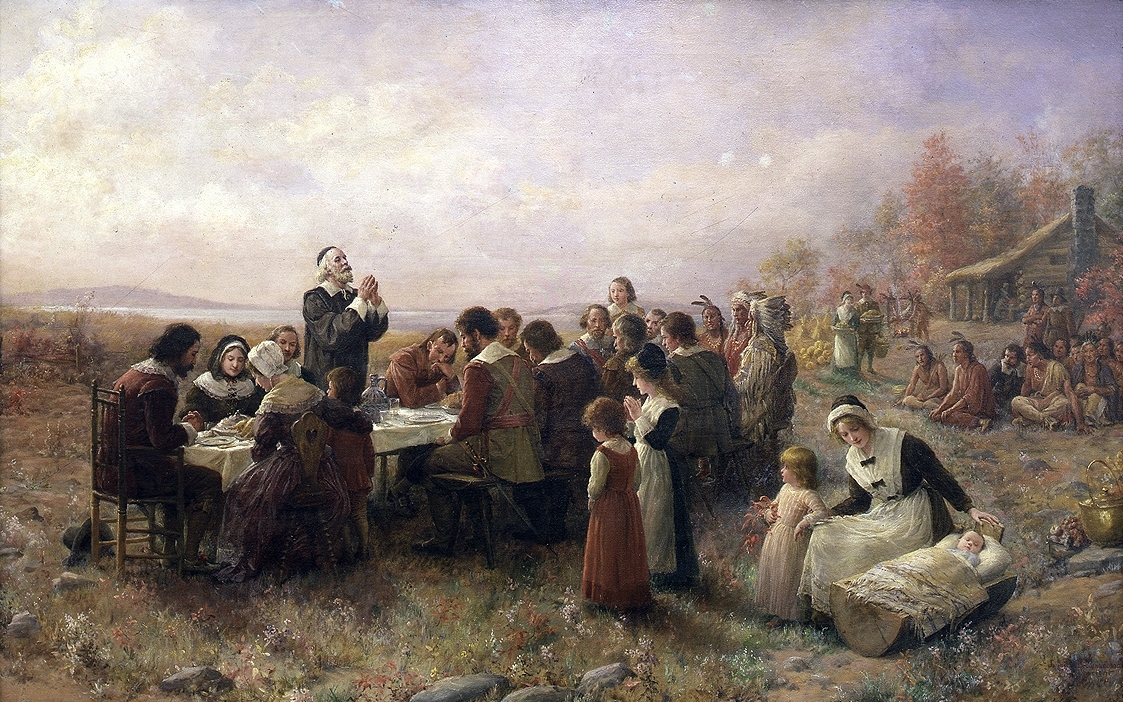
When the crop is in, people celebrate. Harvest festivals are among the oldest in the world, and nearly every farming society has one. They give thanks for food, share it among neighbours, bless the next sowing and let hard-working communities rest. The forms are very varied: a Thanksgiving turkey in North America, a Chuseok table of rice cakes in Korea, the Pongal pot boiling over in South India, a yam festival in West Africa, a Lammas loaf in England. What they have in common is gratitude and plenty. Many have been kept for thousands of years, and many are still the highlight of the village calendar.
What it is for
For farming families the harvest is the moment when a year's work becomes food and income. A festival gives thanks to the sun, rain, earth, gods or ancestors that made it possible, and asks for the same next year. It is also a time of rest, reunion and generosity, when workers and landlords share a meal and the poor are fed. The festival marks the turn of the farming year, and often falls on a day fixed by the moon or the sun. Today it keeps a link between town and country for people who no longer farm.
Common elements across cultures
The first fruits or first sheaf are often offered to the gods, a priest or the ancestors before anyone eats. Houses and places of worship are decorated with grain, fruit and flowers. A communal feast is common, with the best produce of the season. Songs, dances and games follow, and some places hold markets and competitions for the biggest vegetable. Many harvest customs involve the last sheaf, which is plaited into a figure and kept until spring. Rest from work, new clothes and visits to family are the other regular features.
Food, dress and music
Harvest food is whatever has just been gathered: new rice, new yam, maize, apples, wheat, grapes, pumpkins and nuts. The dishes are often the simplest, cooked in the open or in the first pot of the year. Festival dress ranges from the new clothes of Korea and India to the straw costumes of European harvest figures. Music is lively, with drums, pipes, fiddles and songs of the fields, and dances often mimic sowing, reaping or threshing. Many places have a harvest queen or king chosen from the young people.
How it is changing
Mechanised farming has made the harvest less of a communal effort, but the festivals remain, now often a celebration of local food and of the countryside. Churches, schools and towns hold harvest suppers and food drives, and many harvest festivals now collect for food banks. Urban dwellers travel home to the village for the festival, as in the big migrations before Chuseok and Pongal. Tourism has made some festivals famous, and organisers work to keep them true to their meaning, with locals still at the centre of the day.
Harvest and thanksgiving around the world
🇮🇳 India
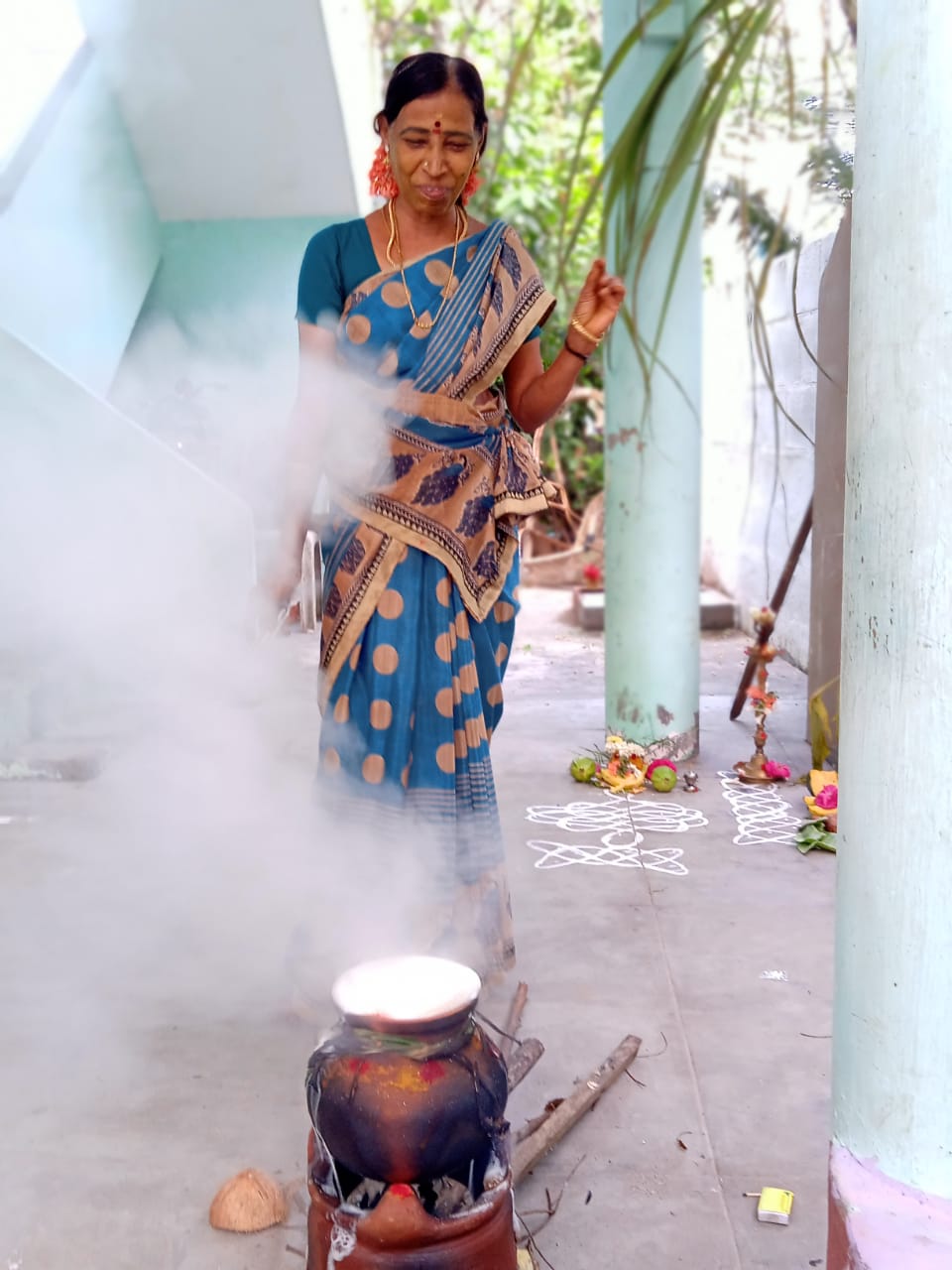
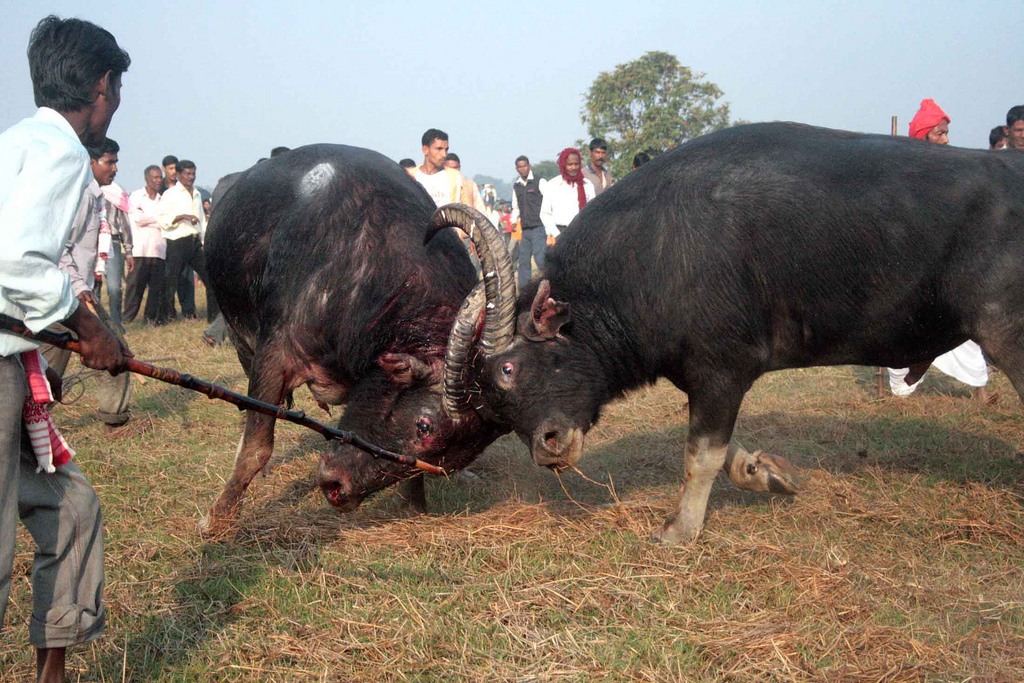
Pongal in Tamil Nadu, Makar Sankranti in the north, Bihu in Assam and Lohri in Punjab all mark the winter harvest in mid-January. At Pongal, new rice is boiled in milk until it overflows, and a cry of "Pongalo Pongal" is raised.
Read: Pongal🇰🇷 South Korea
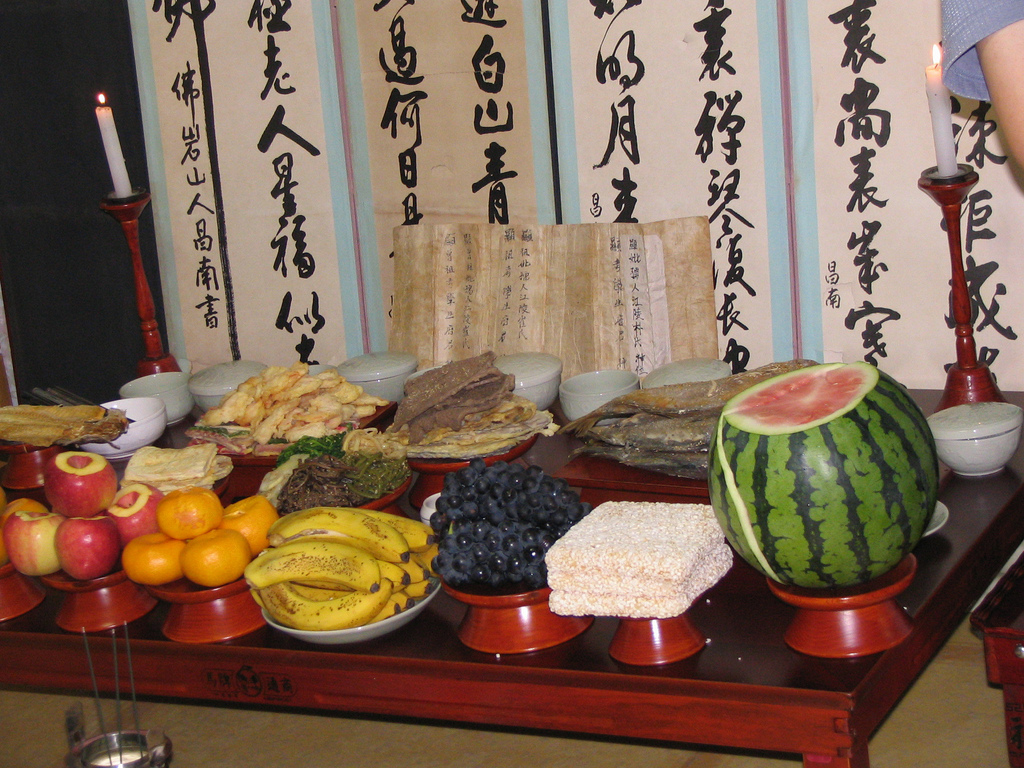
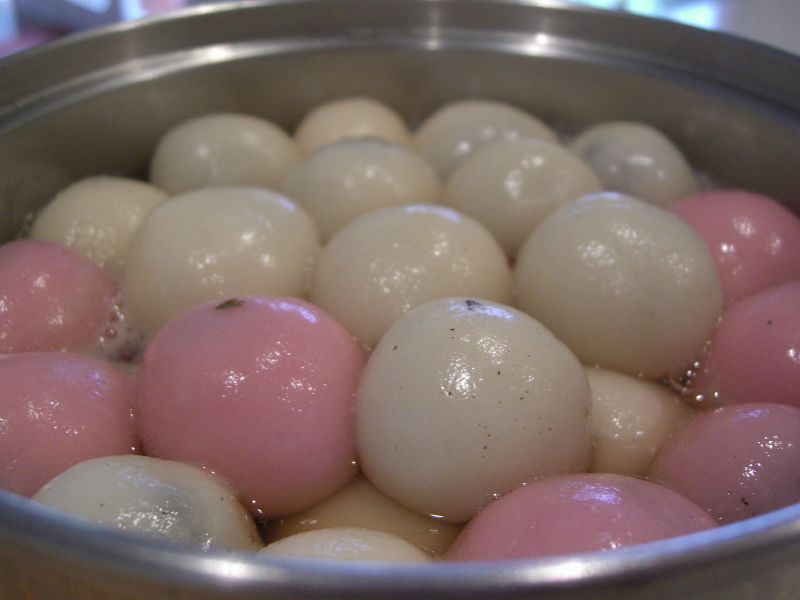
Chuseok falls on the full moon of the eighth lunar month, and families return home to honour ancestors, eat songpyeon rice cakes and share the first rice of the year. It is one of the largest travel periods in the country.
Read: Chuseok🇨🇳 China
The Mid-Autumn Festival is the harvest moon festival, when families gather to admire the full moon and share mooncakes. Lanterns are lit, and stories of the moon goddess Chang'e are told.
Read: Mid-Autumn Festival🇻🇳 Vietnam
Tet Trung Thu is a children's festival with lanterns, lion dances and mooncakes at the autumn moon. Rice farmers also hold offerings after the harvest in many northern villages.
Read: Mid-Autumn Festival🇮🇩 Indonesia
Rice goddess Dewi Sri is honoured at harvest on Java and Bali, with offerings of the first sheaves, and the seren taun in Sundanese villages brings processions, dancing and rice pounding. The festival is a way of thanking the goddess for the harvest, and the first rice is shared among all the families of the village.
Dewi Sri, being written🇬🇪 Georgia
Rtveli is the grape harvest in autumn, when families and friends pick grapes, press them in clay qvevri and feast. The wine makers' tradition is on UNESCO's list.
Read: RtveliCompare all 18 places
Questions people ask
Why do many harvest festivals fall near a full moon?
The harvest moon gave extra light for gathering crops in the evening, and many calendars are based on the moon. Chuseok and the Mid-Autumn Festival both follow it.
Is harvest always in autumn?
No. In the tropics there are several harvests a year, and Pongal and Makar Sankranti come in January. The festival follows the main crop of each region.
Why is the first fruit offered before eating?
It is a gesture of thanks to the gods, spirits or ancestors, and a way of saying that the harvest is a gift. Many cultures forbid eating the new crop before the rite.
What is a harvest supper?
A communal meal held after the harvest, often in a village hall or church, where the community shares the produce and the work is acknowledged.
Do city people take part?
Many do, by travelling to the village for the festival, by cooking the festival dish at home or by attending a market or church service in town.
About this pageWritten by the EveryParampara desk with AI assistance. Customs differ from place to place and family to family. If this is your tradition and we have it wrong, tell us.