Seasons, harvest and the calendar
Customs tied to a season, a harvest, a moon or a day of the week.
Seasonal and calendar traditions follow the turning of the year: the first thaw, the monsoon, the harvest, the longest night, the new moon. They also follow the days of the week, with Friday prayers, Sunday roast and Monday fasts. Because these customs are tied to nature and time, they appear almost everywhere, though each place names and keeps them in its own way. EveryParampara links them to the live calendar, so that you can see what is being kept today and what is coming in the year ahead.
Seasons and harvests
Farming societies marked the sowing, the first fruits and the harvest with offerings and feasts, and many of those festivals are still kept: Pongal, Chuseok, Thanksgiving, the New Yam Festival. Spring brings festivals of renewal, from Nowruz to Holi and Easter, and midwinter brings fire and light. In the tropics the rains rather than the temperature set the year, and festivals greet their arrival or their end.
Moons, weeks and days
Lunar calendars shape the dates of Ramadan, Lunar New Year, Vesak, Diwali and the Jewish festivals, so the dates move against the solar year. The week has its own rhythm, with a day of rest, a day of market and days of fasting for particular gods. EveryParampara's calendar and weekday pages show these patterns, so a visitor can see why Friday is couscous in Morocco and Saturday is Shabbat in Israel.
Written by the EveryParampara desk with AI assistance. Background on Seasons, harvest and the calendar (kind of tradition). Customs differ from place to place and family to family. If this is your tradition and we have it wrong, tell us.
 🇷🇺 Russia and 2 moreMaslenitsaМасленица
A seven-day Eastern Slavic festival of pancakes and bonfires marking the end of winter before Lent.Festival · Breakfast
🇷🇺 Russia and 2 moreMaslenitsaМасленица
A seven-day Eastern Slavic festival of pancakes and bonfires marking the end of winter before Lent.Festival · Breakfast
 🇨🇳 Shanghai, China and 1 moreJiaozi餃子
Crescent Chinese dumplings filled with meat or vegetables, eaten for fortune and feastsTable custom · Breakfast
🇨🇳 Shanghai, China and 1 moreJiaozi餃子
Crescent Chinese dumplings filled with meat or vegetables, eaten for fortune and feastsTable custom · Breakfast
 🇧🇹 Bhutan and 4 moreLosarལོ་གསར་
The Tibetan Buddhist New Year festival of renewal, offerings, and family feastsSeasonal · Feasts and festival meals
🇧🇹 Bhutan and 4 moreLosarལོ་གསར་
The Tibetan Buddhist New Year festival of renewal, offerings, and family feastsSeasonal · Feasts and festival meals
 🇮🇷 Isfahan, Iran and 4 moreChaharshanbe Suriچهارشنبهسوری
An Iranian festival of fire and renewal celebrated on the eve of the final Wednesday before spring.Festival · Tea-time and snacking customs
🇮🇷 Isfahan, Iran and 4 moreChaharshanbe Suriچهارشنبهسوری
An Iranian festival of fire and renewal celebrated on the eve of the final Wednesday before spring.Festival · Tea-time and snacking customs
 🇮🇳 Varanasi, India and 1 moreChhath Pujaछठ पूजा
A four-day Hindu festival honouring the sun and Chhathi Maiya along riverbanksSpiritual · Fasting and breaking the fast
🇮🇳 Varanasi, India and 1 moreChhath Pujaछठ पूजा
A four-day Hindu festival honouring the sun and Chhathi Maiya along riverbanksSpiritual · Fasting and breaking the fast
 🇨🇳 China and 5 moreDouble Ninth Festival重陽節
An autumn festival of mountain walks, chrysanthemum wine and ancestor remembranceSeasonal · Tea-time and snacking customs
🇨🇳 China and 5 moreDouble Ninth Festival重陽節
An autumn festival of mountain walks, chrysanthemum wine and ancestor remembranceSeasonal · Tea-time and snacking customs
 🇦🇿 AzerbaijanNovruzNovruz Bayramı
The Azerbaijani spring equinox festival of bonfires, sweets and sprouted wheatSeasonal · Feasts and festival meals
🇦🇿 AzerbaijanNovruzNovruz Bayramı
The Azerbaijani spring equinox festival of bonfires, sweets and sprouted wheatSeasonal · Feasts and festival meals
 🇰🇭 Phnom Penh, Cambodia and 1 moreBon Om Toukបុណ្យអុំទូក
A three-day Cambodian festival of dragon boat races, floating lanterns and moon offeringsFestival · Tea-time and snacking customs
🇰🇭 Phnom Penh, Cambodia and 1 moreBon Om Toukបុណ្យអុំទូក
A three-day Cambodian festival of dragon boat races, floating lanterns and moon offeringsFestival · Tea-time and snacking customs
 🇭🇹 Port-au-Prince, HaitiHaitian CarnivalKanaval
Haiti's annual street festival of music, satirical plays and costumed paradesFestival · Tea-time and snacking customs
🇭🇹 Port-au-Prince, HaitiHaitian CarnivalKanaval
Haiti's annual street festival of music, satirical plays and costumed paradesFestival · Tea-time and snacking customs
 🇬🇧 United Kingdom and 4 moreSaffron bun
A golden, spiced yeast roll flavoured with saffron, baked for festive and holy daysTable custom · Tea-time and snacking customs
🇬🇧 United Kingdom and 4 moreSaffron bun
A golden, spiced yeast roll flavoured with saffron, baked for festive and holy daysTable custom · Tea-time and snacking customs
 🇪🇸 Jijona, Spain and 5 moreTurrón
A festive Mediterranean nut-and-honey confection shared at Christmas and local feastsTable custom · Sweets given and shared
🇪🇸 Jijona, Spain and 5 moreTurrón
A festive Mediterranean nut-and-honey confection shared at Christmas and local feastsTable custom · Sweets given and shared
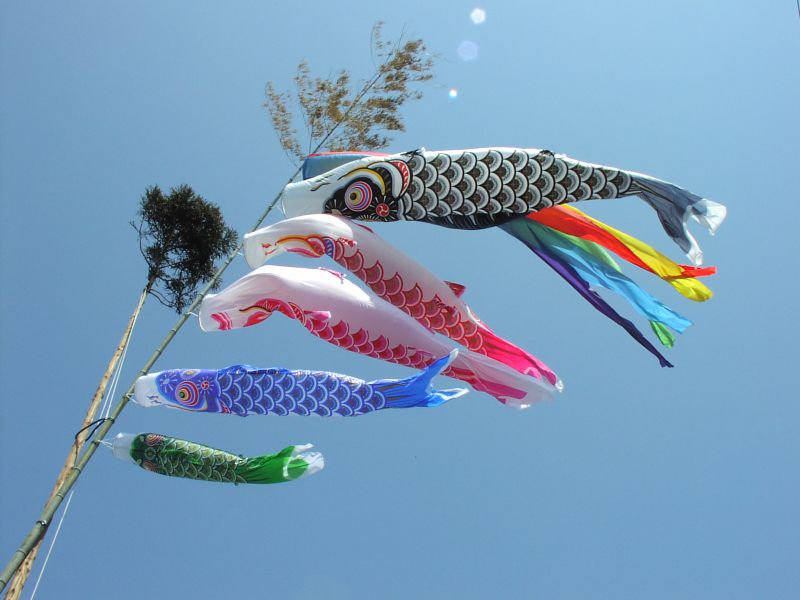 🇯🇵 JapanTango no sekku端午の節句
A Japanese seasonal festival for children marked with carp streamers and iris leaves.Festival · Sweets given and shared
🇯🇵 JapanTango no sekku端午の節句
A Japanese seasonal festival for children marked with carp streamers and iris leaves.Festival · Sweets given and shared
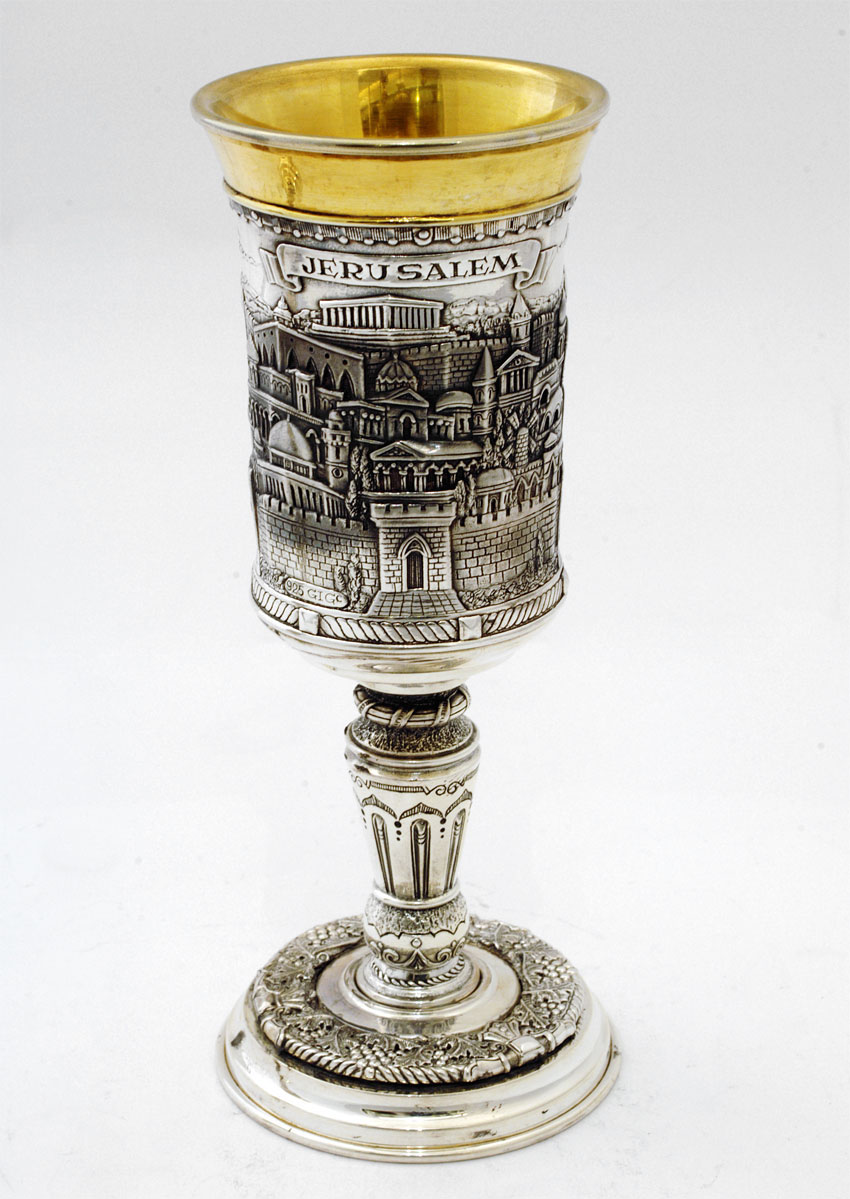 🇮🇱 IsraelKiddushקידוש
A blessing over wine or grape juice that marks Shabbat and festivals as holySpiritual · Tea, coffee and drinking ceremonies
🇮🇱 IsraelKiddushקידוש
A blessing over wine or grape juice that marks Shabbat and festivals as holySpiritual · Tea, coffee and drinking ceremonies
 🇪🇸 Madrid, Spain and 5 moreTwelve GrapesLas doce uvas de la suerte
A grape for every chime at midnight on 31 December, welcoming the new yearFestival · Tea-time and snacking customs
🇪🇸 Madrid, Spain and 5 moreTwelve GrapesLas doce uvas de la suerte
A grape for every chime at midnight on 31 December, welcoming the new yearFestival · Tea-time and snacking customs
 🇵🇭 Manila, PhilippinesFlores de Mayo
A month-long Philippine festival of daily Marian prayers, flower offerings and pageantsFestival · Tea-time and snacking customs
🇵🇭 Manila, PhilippinesFlores de Mayo
A month-long Philippine festival of daily Marian prayers, flower offerings and pageantsFestival · Tea-time and snacking customs
 🇦🇫 Mazar-i-Sharif, AfghanistanNowruzنوروز
The Afghan spring new year, celebrated with picnics, wheat pudding and dried fruit.Seasonal · Feasts and festival meals
🇦🇫 Mazar-i-Sharif, AfghanistanNowruzنوروز
The Afghan spring new year, celebrated with picnics, wheat pudding and dried fruit.Seasonal · Feasts and festival meals
 🇸🇪 Sweden and 2 moreGlögg
A spiced, warm winter wine served across Nordic countries around ChristmasTable custom · Tea, coffee and drinking ceremonies
🇹🇷 TurkeyKandilقنديل
Five holy nights marked by illuminated minarets and prayers in Turkey and the BalkansSpiritual · Tea-time and snacking customs
🇸🇪 Sweden and 2 moreGlögg
A spiced, warm winter wine served across Nordic countries around ChristmasTable custom · Tea, coffee and drinking ceremonies
🇹🇷 TurkeyKandilقنديل
Five holy nights marked by illuminated minarets and prayers in Turkey and the BalkansSpiritual · Tea-time and snacking customs
 🇹🇳 Tunisia and 1 moreBsisaبسيسة
A North African grain and oil ritual to unlock blessings for the yearTable custom · Tea, coffee and drinking ceremonies
🇵🇸 Jerusalem, Palestine and 1 moreThursday of the Deadخميس الأموات
A spring day of cemetery visits, prayer, and shared yellow breads across the LevantSpiritual · Sweets given and shared
🇧🇹 Punakha, BhutanTraditional Day of OfferingBuelwa Phuewi Nyim
A Bhutanese New Year marked by offerings to Zhabdrung Ngawang Namgyal and family feasts.Festival · Breakfast
🇹🇳 Tunisia and 1 moreBsisaبسيسة
A North African grain and oil ritual to unlock blessings for the yearTable custom · Tea, coffee and drinking ceremonies
🇵🇸 Jerusalem, Palestine and 1 moreThursday of the Deadخميس الأموات
A spring day of cemetery visits, prayer, and shared yellow breads across the LevantSpiritual · Sweets given and shared
🇧🇹 Punakha, BhutanTraditional Day of OfferingBuelwa Phuewi Nyim
A Bhutanese New Year marked by offerings to Zhabdrung Ngawang Namgyal and family feasts.Festival · Breakfast
Photo credits on this page
The small pictures above come from Wikimedia Commons under free licences. Some are cropped to fit.
- Bon Om Touk: Codas, CC BY-SA 4.0, source
- Losar: Unknown author, CC BY-SA 3.0, source
- Chaharshanbe Suri: Philippe Giabbanelli, CC BY 3.0, source
- Chhath Puja: Steffen Gauger, CC BY-SA 3.0, source
- Double Ninth Festival: Sgerbic, CC BY-SA 4.0, source
- Maslenitsa: Лобачев Владимир, CC BY-SA 4.0, source
- Jiaozi: Bioniclepluslotr, CC BY-SA 3.0, source
- Novruz: Abutalub, CC BY-SA 4.0, source
- Saffron bun: Nenniu, CC BY-SA 4.0, source
- Haitian Carnival: User:Doron, CC BY-SA 3.0, source
- Flores de Mayo: Markytour777, CC BY-SA 4.0, source
- Nowruz: Peretz Partensky, CC BY-SA 2.0, source
- Glögg: Mr.choppers, CC BY-SA 3.0, source
- Turrón: Tamorlan, CC BY 3.0, source
- Tango no sekku: tiseb, CC BY 2.0, source
- Kiddush: Dimitri, CC BY-SA 3.0, source
- Twelve Grapes: Ralf Roletschek, GFDL 1.2, source
- Bsisa: Kamelgazzah, CC BY-SA 4.0, source