🇸🇦 Saudi Arabia
Arabic coffee, qahwa, with cardamom is poured by the host in tiny cups, starting with the eldest guest, and refilled until the guest shakes the cup. Dates are offered with it.
Read: Arabic coffeeGuests are treated as a blessing in most of the world, and many cultures have elaborate rules for welcoming them.
Presented by ClearTrust Free for the curious, the homesick and the hosts.
Guests are treated as a blessing in most of the world, and many cultures have elaborate rules for welcoming them. A cup of coffee in Arabia, tea in Central Asia, bread and salt in Russia, a lei in Hawaii, a kava bowl in Fiji, an extra place at the table in Greece: these are small acts with deep roots. Hospitality is a duty in faith and in law in many societies, and a way of showing a household's honour. The customs describe who enters first, what is offered, how often it is refused and accepted, and how a guest should leave. Here is how welcome is given around the world.
Hospitality began as survival, since travellers in deserts, mountains and long roads depended on a stranger's door. It grew into a moral code, taught by religions and honoured in sayings and stories, such as Abraham's welcome to the angels or the Greek rule of xenia. Today it also shows the household's character, and a good host is admired. It builds trust between families, between neighbours and between peoples who have never met. A guest, in turn, is expected to be gracious and to give thanks, and sometimes to bring a gift.
The welcome has steps: a greeting at the door, the removal of shoes in many places, a seat of honour, drink and food offered at once, and conversation before any business. The host often refuses payment and presses more food on the guest, while the guest may decline once or twice before accepting. Gifts, such as sweets, flowers or fruit, are exchanged. Many cultures protect the guest for the duration of a visit, and some require that the host walks the guest out and stays until he is out of sight.
The first offering is usually something to drink: coffee with cardamom, tea, water, yoghurt drink or a small glass of spirits. Sweets and fruit follow, then a meal, and the host will often prepare more than the guests can eat. Dress for a guest ranges from the formal to a garland of flowers. Music may be a song of welcome, a pipe, a group dance or a hum of conversation. Gifts of food, particularly sweets, dates and wine, are exchanged on arrival, and a doggy bag of leftovers is often sent home with the guest.
Smaller homes, busy lives and restaurants mean fewer open-house evenings in many cities, but the habits persist in other forms: the dinner invitation, the potluck and the neighbourhood tea. Travel has created new hospitality, as home-stay networks, couch-surfing and communal meals bring strangers into homes. Tourism boards in many countries promote welcome traditions, from the Georgian supra to Saudi coffee. Many people also find the old rules a comfort, an anchor in a quicker world, and teach them to their children as part of the family heritage.
Arabic coffee, qahwa, with cardamom is poured by the host in tiny cups, starting with the eldest guest, and refilled until the guest shakes the cup. Dates are offered with it.
Read: Arabic coffeeMajlis, a sitting room where guests are received, is central to Emirati hospitality, with coffee, dates and incense. The host stays and serves, and the whole family joins on feast days.
Read: Majlis"Atithi Devo Bhava", the guest is god, is a saying from the Taittiriya Upanishad that still shapes the Indian welcome. A guest is offered water, tea and food at once, and is rarely allowed to leave hungry.
Read: Atithi Devo BhavaGuests are garlanded, given a tika on the forehead and offered tea, rice and dal. The host serves the meal and encourages second helpings.
Tika, being writtenOmotenashi is the wholehearted, anticipatory care of a guest, from the tea ceremony to the ryokan, where every detail is prepared before it is asked for. Shoes are left at the door and slippers are offered.
Omotenashi, being writtenA guest is seated opposite the door in the place of honour and is given tea and a dish of boiled meat, beshbarmak, with the head of the sheep offered to the most honoured. Guests who arrive unexpectedly are welcome.
Read: Beshbarmak Arabic coffeeThe cardamom coffee of welcome.
 Habesha coffee ceremonyA long ritual of friendship.
 PōwhiriThe Maori welcome.
 Bread and saltThe Slavic welcome.
 TaarofIranian politeness.
Also part of it, and being written: Supra (The Georgian feast.), Omotenashi (Japanese hospitality.), Kava culture (The Fijian kava gift.).
In many cultures refusing the first offer is expected, but repeated refusal can seem unfriendly. A small taste or a sip is a polite compromise.
Usually yes, something small: sweets, fruit, flowers or a regional product. In Muslim homes avoid alcohol, and in Chinese homes avoid clocks and white flowers.
It shows generosity and care, and a full plate is a sign that the guest is well treated. A guest may leave a little food to signal that he has had enough, in some cultures.
In many places, including much of Asia, the Middle East and parts of Europe, yes. Look for shoes at the door and follow the household.
A sincere word of thanks, a compliment about the meal and a later message or invitation in return are universal courtesies, and in some cultures a small gift on leaving.
Written by the EveryParampara desk with AI assistance. Customs differ from place to place and family to family. If this is your tradition and we have it wrong, tell us.
The traditions written up so far, best known first.
 🇮🇳 India and 1 moreAkhand Pathਅਖੰਡ ਪਾਠ
The unbroken, continuous reading of the entire Sikh scripture over two daysSpiritual
🇮🇳 India and 1 moreAkhand Pathਅਖੰਡ ਪਾਠ
The unbroken, continuous reading of the entire Sikh scripture over two daysSpiritual
 🇮🇩 Indonesia and 2 moreKenduri
A communal prayer meal and gathering shared across Indonesia, Malaysia and BruneiSpiritual · Feasts and festival meals
🇮🇩 Indonesia and 2 moreKenduri
A communal prayer meal and gathering shared across Indonesia, Malaysia and BruneiSpiritual · Feasts and festival meals
 🇳🇪 In-Gall, NigerCure Salée
A yearly gathering of Tuareg and Wodaabe nomads in In-Gall to mark the end of the rainy season.Festival
🇳🇪 In-Gall, NigerCure Salée
A yearly gathering of Tuareg and Wodaabe nomads in In-Gall to mark the end of the rainy season.Festival
 🇳🇿 New Zealand and 2 moreMarae
A cleared, sacred gathering place at the heart of Māori and Polynesian community lifeSpiritual
🇳🇿 New Zealand and 2 moreMarae
A cleared, sacred gathering place at the heart of Māori and Polynesian community lifeSpiritual
 🇦🇺 AustraliaSmoking ceremonyNumbuk Yabbun
An Aboriginal Australian ritual of burning native plants to cleanse, heal and welcomeSpiritual
🇦🇺 AustraliaSmoking ceremonyNumbuk Yabbun
An Aboriginal Australian ritual of burning native plants to cleanse, heal and welcomeSpiritual
 🇷🇺 RussiaRussian wedding traditions
A Russian wedding runs two days to a week, with ransom games, crowns and toastsRite of passage
🇺🇦 Ukraine and 4 moreKorovaiкоровай (Ukrainian), каравай (Russian)
A round wedding bread of Eastern Europe, baked with songs and shared by all the guestsTable custom · Feasts and festival meals
🇷🇺 RussiaRussian wedding traditions
A Russian wedding runs two days to a week, with ransom games, crowns and toastsRite of passage
🇺🇦 Ukraine and 4 moreKorovaiкоровай (Ukrainian), каравай (Russian)
A round wedding bread of Eastern Europe, baked with songs and shared by all the guestsTable custom · Feasts and festival meals
 🇧🇬 Bulgaria and 4 moreBabindenБабинден
A Bulgarian feast honoring midwives and new mothers with rituals of bathing, feasting, and blessing.Festival · Feasts and festival meals
🇧🇬 Bulgaria and 4 moreBabindenБабинден
A Bulgarian feast honoring midwives and new mothers with rituals of bathing, feasting, and blessing.Festival · Feasts and festival meals
 🇺🇸 United States and 3 moreWedding reception
The party after a wedding, where the couple greet guests over food, cake and dancingFestival · Feasts and festival meals
🇺🇸 United States and 3 moreWedding reception
The party after a wedding, where the couple greet guests over food, cake and dancingFestival · Feasts and festival meals
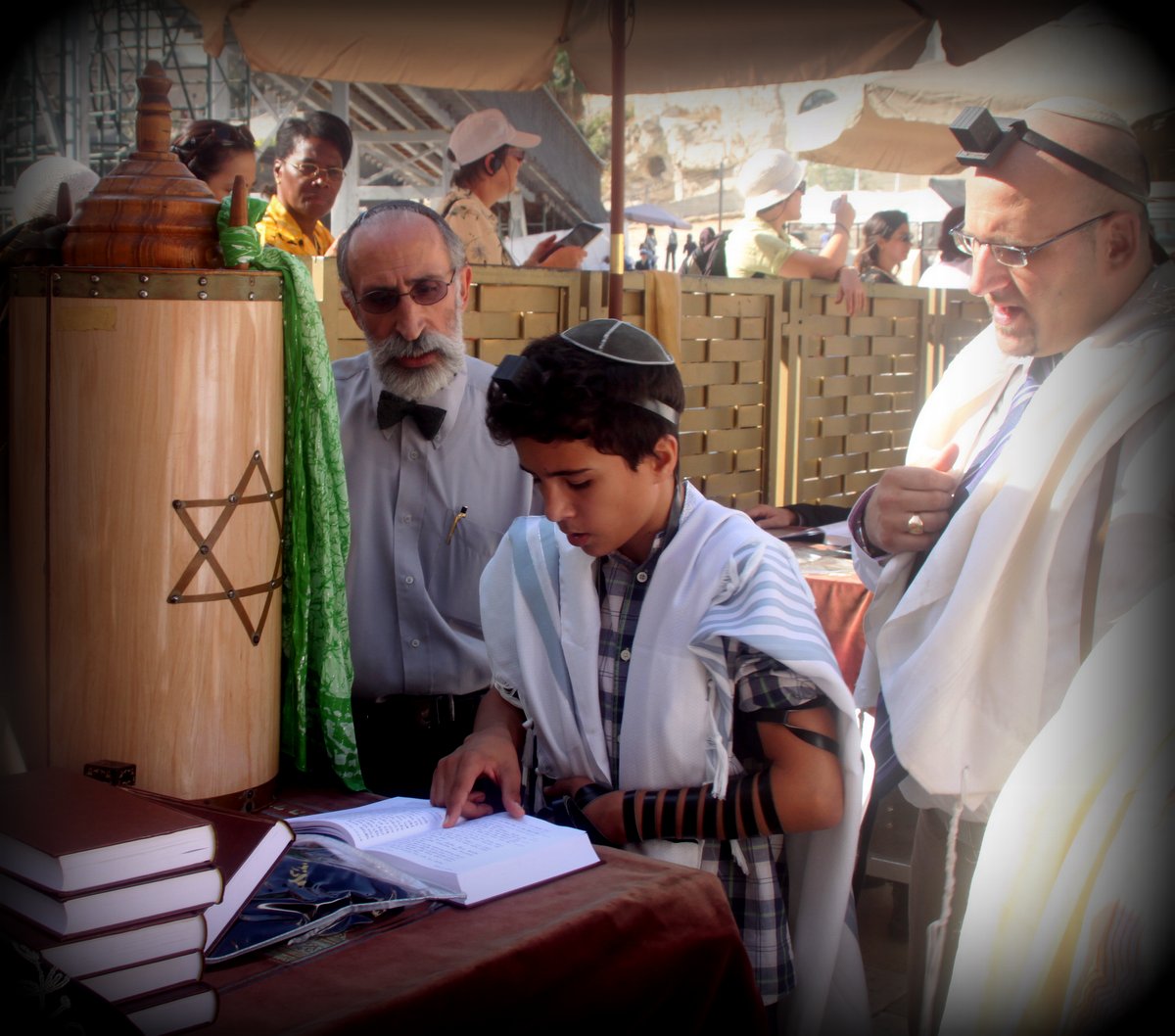 🇮🇱 Jerusalem, Israel and 5 moreBar and bat mitzvahבַּר מִצְוָה / בַּת מִצְוָה
A Jewish rite of passage marking when youth reach adulthood and take responsibility for their own actions.Rite of passage · Feasts and festival meals
🇮🇱 Jerusalem, Israel and 5 moreBar and bat mitzvahבַּר מִצְוָה / בַּת מִצְוָה
A Jewish rite of passage marking when youth reach adulthood and take responsibility for their own actions.Rite of passage · Feasts and festival meals
 🇨🇳 China and 6 moreRed envelope紅包 / 红包 (hóngbāo)
Money in a red packet, given at Lunar New Year, weddings and other big daysEtiquette
🇨🇳 China and 6 moreRed envelope紅包 / 红包 (hóngbāo)
Money in a red packet, given at Lunar New Year, weddings and other big daysEtiquette
 🇮🇩 Bali, IndonesiaTumpengꦠꦸꦩ꧀ꦥꦼꦁ (Javanese); ᬢᬸᬫ᭄ᬧᭂᬂ (Balinese)
A tall cone of rice ringed with side dishes, central to Javanese ceremonies and partiesTable custom · Feasts and festival meals
🇮🇩 Bali, IndonesiaTumpengꦠꦸꦩ꧀ꦥꦼꦁ (Javanese); ᬢᬸᬫ᭄ᬧᭂᬂ (Balinese)
A tall cone of rice ringed with side dishes, central to Javanese ceremonies and partiesTable custom · Feasts and festival meals
 🇵🇰 PakistanPakistani weddingپاکستانی شادی
Weddings across Pakistan: a match is found, a contract signed, two families joinedRite of passage
🇵🇰 PakistanPakistani weddingپاکستانی شادی
Weddings across Pakistan: a match is found, a contract signed, two families joinedRite of passage
 🇮🇳 India and 2 morePujaपूजा (pūjā)
Hindu worship: light, flowers and food offered to a deity or a guestSpiritual
🇮🇳 India and 2 morePujaपूजा (pūjā)
Hindu worship: light, flowers and food offered to a deity or a guestSpiritual
 🇮🇳 India and 1 moreYajnaयज्ञ
A Hindu ritual of offering items into a sacred fire to honor deities and ancestors.Spiritual
🇮🇳 India and 1 moreYajnaयज्ञ
A Hindu ritual of offering items into a sacred fire to honor deities and ancestors.Spiritual
 🇪🇬 Egypt and 5 moreLibation
The ceremonial gift of drink given to deities, ancestors, and the earthSpiritual · Tea, coffee and drinking ceremonies
🇪🇬 Egypt and 5 moreLibation
The ceremonial gift of drink given to deities, ancestors, and the earthSpiritual · Tea, coffee and drinking ceremonies
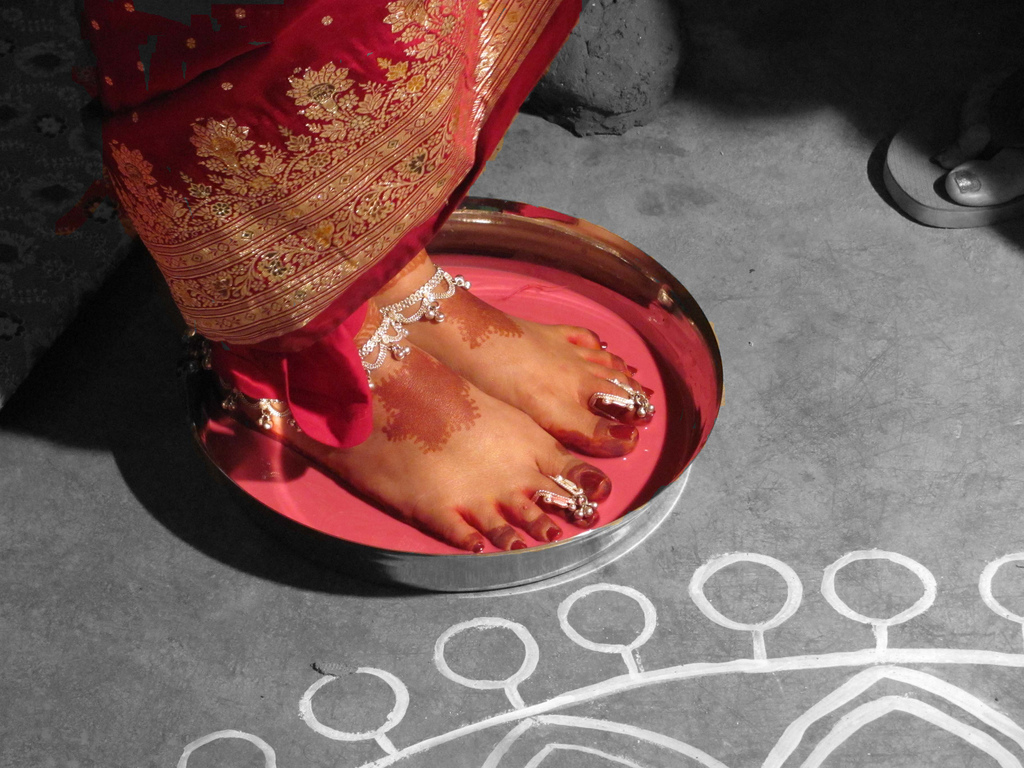 🇮🇳 IndiaVadhu Praveshaवधूप्रवेश
A Hindu ceremony welcoming a bride into her new husband's homeRite of passage
🇮🇳 IndiaVadhu Praveshaवधूप्रवेश
A Hindu ceremony welcoming a bride into her new husband's homeRite of passage
 🇮🇳 India and 1 morePunjabi wedding traditions
The multi-day marriage customs and rituals of Hindu and Sikh Punjabi familiesRite of passage · Sweets given and shared
🇮🇳 India and 1 morePunjabi wedding traditions
The multi-day marriage customs and rituals of Hindu and Sikh Punjabi familiesRite of passage · Sweets given and shared
 🇮🇳 IndiaIndian wedding invitationनिमन्त्रण पत्र/पत्रिका
Decorative ceremonial cards sent to announce marriages and invite guests across IndiaRite of passage
🇮🇳 IndiaIndian wedding invitationनिमन्त्रण पत्र/पत्रिका
Decorative ceremonial cards sent to announce marriages and invite guests across IndiaRite of passage
 🇧🇩 Bangladesh and 1 moreShagoranaসাগরানা
A ceremonial wedding feast platter presented to the groom in BangladeshTable custom · Feasts and festival meals
🇧🇩 Bangladesh and 1 moreShagoranaসাগরানা
A ceremonial wedding feast platter presented to the groom in BangladeshTable custom · Feasts and festival meals
 🇪🇬 Egypt and 5 moreArab weddingزفاف or عرس
A series of ceremonies marking marriage in Arab culture, blending religious rites with regional customs.Rite of passage · Feasts and festival meals
🇪🇬 Egypt and 5 moreArab weddingزفاف or عرس
A series of ceremonies marking marriage in Arab culture, blending religious rites with regional customs.Rite of passage · Feasts and festival meals
 🇵🇭 PhilippinesHarana
A Filipino serenade where a suitor sings beneath his beloved's window at nightPerformance
🇵🇭 PhilippinesHarana
A Filipino serenade where a suitor sings beneath his beloved's window at nightPerformance
The small pictures above come from Wikimedia Commons under free licences. Some are cropped to fit.
Every week: one tradition from somewhere new, what is being celebrated around the world this week, and one idea explained.