🇨🇳 China
Chunjie, the Spring Festival, is the biggest family holiday, with a reunion dinner on New Year's Eve, red envelopes, fireworks, lion dances and a visit to relatives. Dumplings and fish are customary.
Chinese New Year, being writtenThe new year is celebrated on more days than any other festival.
Presented by ClearTrust Free for the curious, the homesick and the hosts.
The new year is celebrated on more days than any other festival. In January for much of the world, in February for the Lunar New Year, in March for Nowruz, in April for Songkran, Vaisakhi and Pohela Boishakh, in September for Rosh Hashanah and Enkutatash, in October or November for Diwali in parts of India, each culture has a calendar of its own. The customs are strikingly alike: cleaning the house, paying debts, wearing new clothes, eating a lucky meal, visiting family, and making wishes. Fireworks, bells and water play a part in many. Here is how the beginning of the year is welcomed across the world.
The turning of the year invites people to leave what was difficult behind and to hope for better days. Customs aim to bring luck, health and prosperity to the year ahead, and to mend relationships. Many also look back, with prayers of thanks and with memorial rites for the dead. New year is also about community, and many people spend it with family or in the streets with strangers. The date is set by the sun, the moon or a mix of both, and the Gregorian January new year is the shared civil date for most of the world.
Houses are cleaned, debts settled and old things thrown away. New clothes are worn and gifts, such as red envelopes or sweets, are given. A first footing, in which the first visitor of the year is chosen for luck, is kept in Scotland and elsewhere. Fire and light, bells, drums and fireworks drive away evil. Water is splashed or sprinkled in South and Southeast Asia, while the Nowruz table is laid with seven items. Special foods, from dumplings to lentils, black-eyed peas and grapes, are eaten at midnight or on the first day.
New year food is symbolic: long noodles for long life, fish for abundance, round fruits for fortune, dumplings shaped like ingots, lentils like coins, apples and honey, grapes at the stroke of midnight in Spain, and sweet rice in Korea and Japan. Dress is new, bright and often traditional: red in China, kimono in Japan, white in Ethiopia and Sri Lanka. Music includes the Auld Lang Syne in Britain, drums and lion dances in China, and gongs and bells in Southeast Asia. Parades, concerts and street dancing are held in many cities.
Global events, such as the count-down in Times Square and the fireworks at the Sydney Harbour Bridge, are broadcast around the world. Many cities have shifted from fireworks to drone displays, for the sake of animals and air quality. Migration has brought Lunar New Year, Nowruz and other festivals to cities everywhere, and many are public holidays in new countries. Resolutions and gratitude lists have become popular, while some people now prefer a quiet night at home, and families remain the main heart of the festival.
Chunjie, the Spring Festival, is the biggest family holiday, with a reunion dinner on New Year's Eve, red envelopes, fireworks, lion dances and a visit to relatives. Dumplings and fish are customary.
Chinese New Year, being writtenTet Nguyen Dan brings a family reunion, a cleaning of ancestors' graves, banh chung rice cakes, kumquat trees and peach blossoms, and the first visitor is chosen with care. Families also visit pagodas and temples, and the first three days are for visiting relatives, in a set order.
Tet, being writtenSeollal is marked with bows to elders, called sebae, and a gift of money, a meal of tteokguk, rice cake soup, and games such as yutnori. Families wear hanbok.
Read: Korean New YearOshogatsu is celebrated with osechi, boxed foods with symbolic meanings, the ringing of 108 bells in Buddhist temples at midnight and the first shrine visit, hatsumode. Otoshidama money is given to children.
Read: Japanese New YearSongkran, in mid-April, is a festival of water, with the pouring of water on Buddha images and elders' hands and a joyful water fight in the streets. People visit temples and clean their homes.
Read: SongkranNew year is celebrated at many times: Diwali in Gujarat, Ugadi in Karnataka, Gudi Padwa in Maharashtra, Vishu in Kerala and Puthandu in Tamil Nadu, Vaisakhi in Punjab. Each has its own food, such as ugadi pachadi with six tastes.
Read: Ugadi NowruzThe Persian New Year.
 SongkranThe water festival.
 HogmanayThe Scottish New Year.
 Rosh HashanahThe Jewish New Year.
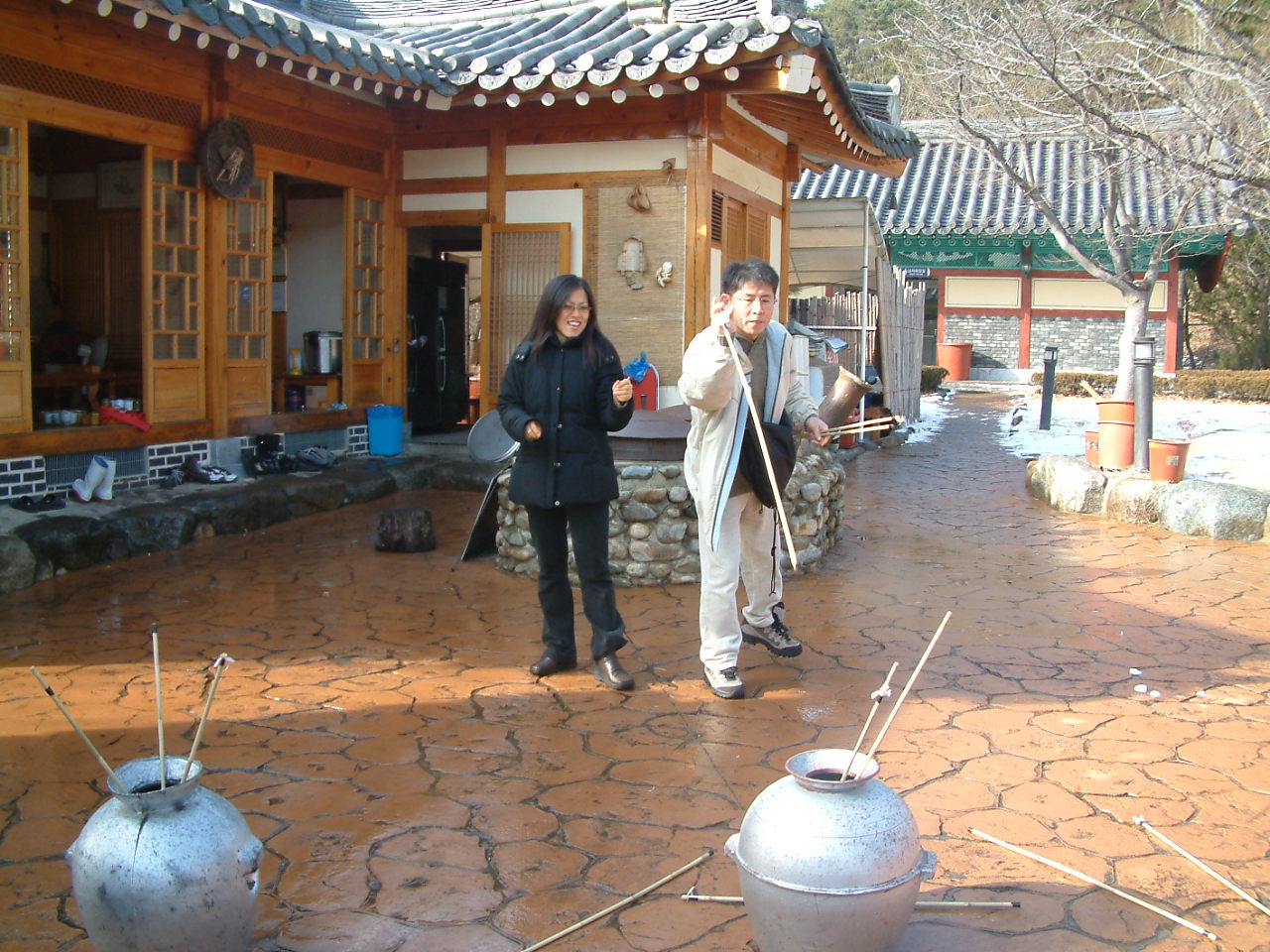 Korean New YearThe Korean new year.
 Twelve GrapesThe Spanish midnight custom.
Also part of it, and being written: Chinese New Year (The Lunar New Year.), Tet (The Vietnamese new year.).
Because calendars differ: lunar, solar and mixed. January 1 is the Gregorian civil date, while Lunar New Year, Nowruz and others follow older systems.
A Scottish and Northern English custom in which the first person to enter the home after midnight brings luck, ideally a tall dark-haired man with gifts of coal, bread and whisky.
To sweep away the old year's troubles, and to welcome luck. In China, sweeping is avoided on the day itself, so as not to sweep away fortune.
In China and Vietnam, red symbolises luck, and money in a red envelope is a blessing from elders to the young, and from employers to staff.
The Gregorian new year on 1 January is the civil date in most countries, and is a public holiday almost everywhere, even where another new year is the main cultural celebration.
Written by the EveryParampara desk with AI assistance. Customs differ from place to place and family to family. If this is your tradition and we have it wrong, tell us.
The traditions written up so far, best known first.
🇮🇷 Iran and 21 moreNowruzنوروز
The Iranian new year at the March equinox, kept with fire, greenery and picnicsSeasonal
 🇮🇱 Jerusalem, Israel and 1 moreHanukkahחֲנֻכָּה
An eight-day Jewish festival marking the rededication of the Second Temple in Jerusalem and the miracle of a single day'Festival
🇮🇱 IsraelRosh Hashanahרֹאשׁ הַשָּׁנָה
The Jewish New Year marked by shofar horn blasts, prayer and sweet foodsSpiritual
🇮🇱 Jerusalem, Israel and 1 moreHanukkahחֲנֻכָּה
An eight-day Jewish festival marking the rededication of the Second Temple in Jerusalem and the miracle of a single day'Festival
🇮🇱 IsraelRosh Hashanahרֹאשׁ הַשָּׁנָה
The Jewish New Year marked by shofar horn blasts, prayer and sweet foodsSpiritual
 🇮🇷 Isfahan, Iran and 4 moreChaharshanbe Suriچهارشنبهسوری
An Iranian festival of fire and renewal celebrated on the eve of the final Wednesday before spring.Festival · Tea-time and snacking customs
🇮🇷 Isfahan, Iran and 4 moreChaharshanbe Suriچهارشنبهسوری
An Iranian festival of fire and renewal celebrated on the eve of the final Wednesday before spring.Festival · Tea-time and snacking customs
 🇮🇷 Shiraz, IranHaft-sinهفتسین
Seven symbolic items whose Persian names begin with S, set out for NowruzSeasonal · Feasts and festival meals
🇮🇷 Shiraz, IranHaft-sinهفتسین
Seven symbolic items whose Persian names begin with S, set out for NowruzSeasonal · Feasts and festival meals
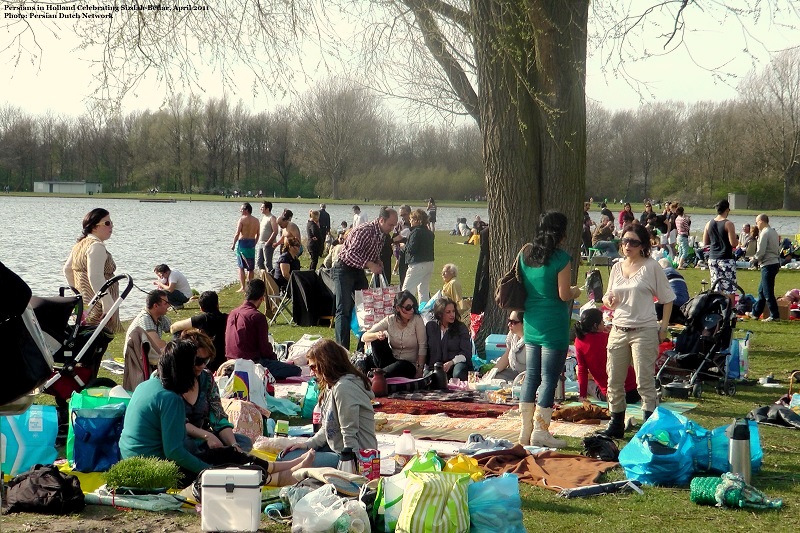 🇮🇷 Iran and 4 moreSizdah Bedarسیزدهبدر
An open-air picnic holiday concluding the Iranian New Year celebrationsFestival
🇮🇷 Iran and 4 moreSizdah Bedarسیزدهبدر
An open-air picnic holiday concluding the Iranian New Year celebrationsFestival
 🇮🇷 Yazd, Iran and 1 moreSadehسده
An ancient midwinter festival of fire, light, and the approach of springFestival · Feasts and festival meals
🇮🇷 Yazd, Iran and 1 moreSadehسده
An ancient midwinter festival of fire, light, and the approach of springFestival · Feasts and festival meals
 🇹🇷 Istanbul, Turkey and 5 moreSimit
A sesame-encrusted ring bread sold by street vendors across Turkey and the former Ottoman lands.Table custom · Breakfast
🇹🇷 Istanbul, Turkey and 5 moreSimit
A sesame-encrusted ring bread sold by street vendors across Turkey and the former Ottoman lands.Table custom · Breakfast
 🇹🇷 Turkey and 5 moreNewrozنەورۆز
A Kurdish spring festival and new year celebration marked by bonfires, dance, and the lighting of fires.Festival
🇹🇷 Turkey and 5 moreNewrozنەورۆز
A Kurdish spring festival and new year celebration marked by bonfires, dance, and the lighting of fires.Festival
 🇮🇱 Tel Aviv, Israel and 1 moreAdloyadaעדלאידע
A humorous Purim parade in Israel featuring giant puppets and satirical floats.Festival
🇮🇱 Tel Aviv, Israel and 1 moreAdloyadaעדלאידע
A humorous Purim parade in Israel featuring giant puppets and satirical floats.Festival
 🇮🇷 Urmia, IranKurdish danceGovend (گۆڤەند)
Circle dances of the Kurds, led by handkerchief twirlers, for weddings and NewrozPerformance
🇮🇷 Urmia, IranKurdish danceGovend (گۆڤەند)
Circle dances of the Kurds, led by handkerchief twirlers, for weddings and NewrozPerformance
 🇱🇧 Lebanon and 2 moreAnnunciationΟ Ευαγγελισμός της Θεοτόκου
A Christian feast marking the angel Gabriel's message to Mary about bearing Jesus, kept on 25 March.Festival
🇱🇧 Lebanon and 2 moreAnnunciationΟ Ευαγγελισμός της Θεοτόκου
A Christian feast marking the angel Gabriel's message to Mary about bearing Jesus, kept on 25 March.Festival
 🇸🇾 Syria and 6 moreKha b'Nisanܚܕ ܒܢܝܣܢ
A spring new year on 1 April, kept with parades, poems and dancing by AssyriansFestival
🇸🇾 Syria and 6 moreKha b'Nisanܚܕ ܒܢܝܣܢ
A spring new year on 1 April, kept with parades, poems and dancing by AssyriansFestival
 🇮🇷 Iran and 1 moreEidiyahعيدية
The holiday custom of presenting cash and gifts to children and relativesFestival
🇦🇪 Abu Dhabi, United Arab EmiratesSheikh Zayed Festivalمهرجان الشيخ زايد
An annual cultural and heritage festival held in Al Wathba, Abu DhabiFestival
🇮🇷 Iran and 1 moreEidiyahعيدية
The holiday custom of presenting cash and gifts to children and relativesFestival
🇦🇪 Abu Dhabi, United Arab EmiratesSheikh Zayed Festivalمهرجان الشيخ زايد
An annual cultural and heritage festival held in Al Wathba, Abu DhabiFestival
 🇮🇱 Jerusalem, Israel and 1 moreHoshana Rabbahהוֹשַׁעְנָא רַבָּה
The seventh and final day of Sukkot, marked by seven synagogue processions and night-long study.Festival · Dinner
🇮🇱 Jerusalem, Israel and 1 moreHoshana Rabbahהוֹשַׁעְנָא רַבָּה
The seventh and final day of Sukkot, marked by seven synagogue processions and night-long study.Festival · Dinner
 🇨🇾 CyprusLimassol CarnivalΚαρναβάλι Λεμεσού
A ten-day spring festival in Limassol featuring parades, costumes, satire and foam fights before Lent.Festival
🇨🇾 CyprusLimassol CarnivalΚαρναβάλι Λεμεσού
A ten-day spring festival in Limassol featuring parades, costumes, satire and foam fights before Lent.Festival
The small pictures above come from Wikimedia Commons under free licences. Some are cropped to fit.
Every week: one tradition from somewhere new, what is being celebrated around the world this week, and one idea explained.