Buddhist traditions
Buddhist traditions are found across Asia and increasingly worldwide, in the forms of Theravada in Sri Lanka and Southeast Asia, Mahayana in East Asia and Vajrayana in Tibet and Mongolia.
Buddhist traditions are found across Asia and increasingly worldwide, in the forms of Theravada in Sri Lanka and Southeast Asia, Mahayana in East Asia and Vajrayana in Tibet and Mongolia. They include the festival of Vesak, the Poya days, almsgiving to monks, the Kathina robe offering, the pilgrimage to Lumbini and Bodh Gaya, temple festivals and the rites of the Tibetan year. At their heart are meditation, compassion and the Buddha's teaching, and many customs are acts of generosity. These pages describe them with respect.
Monks, merit and giving
Laypeople support monks and nuns with food, robes and shelter, and in return receive teaching and blessings. Giving, dana, earns merit, and many festivals centre on it: the morning alms round in Laos and Thailand, the Kathina ceremony at the end of the rains retreat, the free meals of Vesak in Sri Lanka. Temples are also community centres, schools and places for funerals.
Festivals and the year
Vesak marks the birth, enlightenment and death of the Buddha with lanterns and lights. In Thailand, Songkran and Loi Krathong, in Japan Obon, in Tibet Losar and Saga Dawa, and in Korea the Lotus Lantern Festival are among the major events. Each blends Buddhist meaning with local custom, and many include the remembrance of ancestors and a cleansing of the old year.
Written by the EveryParampara desk with AI assistance. Background on Buddhist (faith). Customs differ from place to place and family to family. If this is your tradition and we have it wrong, tell us.
 🇯🇵 Tokyo, Japan and 1 moreBonsai盆栽
A Japanese craft of keeping small trees in shallow pots, shaped for contemplationCraft
🇯🇵 Tokyo, Japan and 1 moreBonsai盆栽
A Japanese craft of keeping small trees in shallow pots, shaped for contemplationCraft
 🇰🇷 South KoreaHanji한지
The Korean craft of making durable paper from mulberry fiber and root mucilage.Craft
🇰🇷 South KoreaHanji한지
The Korean craft of making durable paper from mulberry fiber and root mucilage.Craft
 🇨🇳 China and 1 morePrayer wheelའཁོར་ལོ།
A cylindrical wheel spun in Tibetan Buddhist practice to accumulate merit and wisdomSpiritual
🇨🇳 China and 1 morePrayer wheelའཁོར་ལོ།
A cylindrical wheel spun in Tibetan Buddhist practice to accumulate merit and wisdomSpiritual
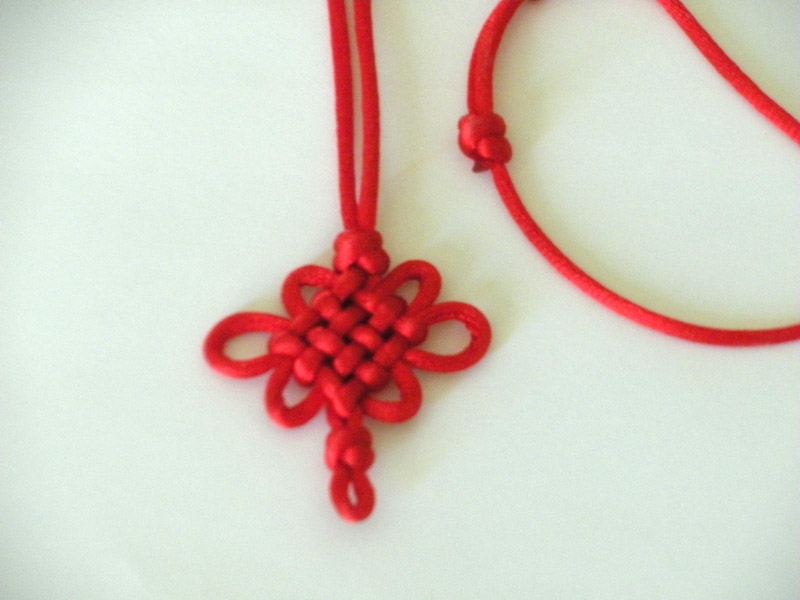 🇨🇳 China and 2 moreChinese knotting中國結 (Zhōngguó jié)
A folk craft of cord tied into lucky shapes, made in China and given as charmsCraft
🇨🇳 China and 2 moreChinese knotting中國結 (Zhōngguó jié)
A folk craft of cord tied into lucky shapes, made in China and given as charmsCraft
 🇰🇷 South Korea and 2 moreNajeonchilgi나전칠기
A Korean craft of inlaying mother-of-pearl onto lacquered wood to create decorative objects.Craft
🇰🇷 South Korea and 2 moreNajeonchilgi나전칠기
A Korean craft of inlaying mother-of-pearl onto lacquered wood to create decorative objects.Craft
 🇰🇷 Seoul, South KoreaYeondeunghoe연등회
A Korean lantern festival celebrating the Buddha's birthday with glowing lotus lightsSpiritual
🇰🇷 Seoul, South KoreaYeondeunghoe연등회
A Korean lantern festival celebrating the Buddha's birthday with glowing lotus lightsSpiritual
 🇰🇷 South KoreaNorigae노리개
A Korean pendant of knots and tassels, worn with hanbok and kept for luckDress
🇰🇷 South KoreaNorigae노리개
A Korean pendant of knots and tassels, worn with hanbok and kept for luckDress
 🇯🇵 JapanKintsugi金継ぎ
Mending broken pottery with lacquer and gold, so the repair stays visibleCraft
🇯🇵 JapanKintsugi金継ぎ
Mending broken pottery with lacquer and gold, so the repair stays visibleCraft
 🇮🇳 India and 2 morePandal
Temporary decorated pavilions and arches built for festivals and gatheringsFestival
🇮🇳 India and 2 morePandal
Temporary decorated pavilions and arches built for festivals and gatheringsFestival
 🇯🇵 Takasaki, JapanDaruma doll達磨 (daruma)
A round Japanese wishing doll: fill one eye to set a goal, the other to mark it done.Folklore
🇯🇵 Takasaki, JapanDaruma doll達磨 (daruma)
A round Japanese wishing doll: fill one eye to set a goal, the other to mark it done.Folklore
 🇮🇳 India and 2 moreKasayaकाषाय
The traditional patchwork robes worn by ordained Buddhist monasticsDress
🇮🇳 India and 2 moreKasayaकाषाय
The traditional patchwork robes worn by ordained Buddhist monasticsDress
 🇰🇭 Longvek, Cambodia and 2 moreKhmer traditional clothing
How Khmer people dress: the wrapped sampot, the embroidered sbai, the checkered kramaDress
🇰🇭 Longvek, Cambodia and 2 moreKhmer traditional clothing
How Khmer people dress: the wrapped sampot, the embroidered sbai, the checkered kramaDress
 🇯🇵 JapanKirikane截金
A Japanese craft of cut gold, silver or platinum leaf for Buddhist statues and paintingsCraft
🇯🇵 JapanKirikane截金
A Japanese craft of cut gold, silver or platinum leaf for Buddhist statues and paintingsCraft
 🇨🇳 China and 1 moreChinese patchwork
A needlework craft joining fabric scraps into protective clothing, quilts and folk artCraft
🇨🇳 China and 1 moreChinese patchwork
A needlework craft joining fabric scraps into protective clothing, quilts and folk artCraft
 🇳🇵 Kathmandu, NepalTraditional Newar clothingनेवार समुदायमा भएको संस्कृति पहिरन
The customary handwoven dress and ceremonial garments of Nepal's Newar peopleDress
🇳🇵 Kathmandu, NepalTraditional Newar clothingनेवार समुदायमा भएको संस्कृति पहिरन
The customary handwoven dress and ceremonial garments of Nepal's Newar peopleDress
 🇰🇭 CambodiaAv pakអាវប៉ាក់
A Cambodian women's shirt in silk or cotton, embroidered or laced, for festivalsDress
🇰🇭 CambodiaAv pakអាវប៉ាក់
A Cambodian women's shirt in silk or cotton, embroidered or laced, for festivalsDress
Photo credits on this page
The small pictures above come from Wikimedia Commons under free licences. Some are cropped to fit.
- Yeondeunghoe: Korea.net / Korean Culture and Information Service (Jeon Han), CC BY-SA 2.0, source
- Bonsai: Ragesoss, CC BY-SA 3.0, source
- Chinese knotting: Ucla90024, CC BY-SA 3.0, source
- Pandal: SHUBHAM KR SONI, CC0, source
- Hanji: Arghun, Public domain, source
- Norigae: Unknown author, Public domain, source
- Prayer wheel: David Abián, CC BY-SA 4.0, source
- Najeonchilgi: Unknown author, CC0, source
- Kintsugi: Daderot, CC0, source
- Av pak: Puppetcreator, CC BY-SA 3.0, source
- Daruma doll: Crisco 1492, Public domain, source
- Khmer traditional clothing: Engsamnang, CC BY-SA 3.0, source
- Kirikane: 内閣府, CC BY 4.0, source
- Chinese patchwork: Unknown author, CC0, source
- Traditional Newar clothing: Uray1130, CC BY-SA 4.0, source
- Kasaya: Unknown author, Public domain, source