Buddhist traditions
Buddhist traditions are found across Asia and increasingly worldwide, in the forms of Theravada in Sri Lanka and Southeast Asia, Mahayana in East Asia and Vajrayana in Tibet and Mongolia.
Buddhist traditions are found across Asia and increasingly worldwide, in the forms of Theravada in Sri Lanka and Southeast Asia, Mahayana in East Asia and Vajrayana in Tibet and Mongolia. They include the festival of Vesak, the Poya days, almsgiving to monks, the Kathina robe offering, the pilgrimage to Lumbini and Bodh Gaya, temple festivals and the rites of the Tibetan year. At their heart are meditation, compassion and the Buddha's teaching, and many customs are acts of generosity. These pages describe them with respect.
Monks, merit and giving
Laypeople support monks and nuns with food, robes and shelter, and in return receive teaching and blessings. Giving, dana, earns merit, and many festivals centre on it: the morning alms round in Laos and Thailand, the Kathina ceremony at the end of the rains retreat, the free meals of Vesak in Sri Lanka. Temples are also community centres, schools and places for funerals.
Festivals and the year
Vesak marks the birth, enlightenment and death of the Buddha with lanterns and lights. In Thailand, Songkran and Loi Krathong, in Japan Obon, in Tibet Losar and Saga Dawa, and in Korea the Lotus Lantern Festival are among the major events. Each blends Buddhist meaning with local custom, and many include the remembrance of ancestors and a cleansing of the old year.
Written by the EveryParampara desk with AI assistance. Background on Buddhist (faith). Customs differ from place to place and family to family. If this is your tradition and we have it wrong, tell us.
 🇯🇵 Kyoto, JapanTorii鳥居
A traditional Japanese gate marking the entrance to a Shinto shrine and separating the sacred from the mundane.Spiritual
🇯🇵 Kyoto, JapanTorii鳥居
A traditional Japanese gate marking the entrance to a Shinto shrine and separating the sacred from the mundane.Spiritual
 🇲🇦 Marrakesh, Morocco and 5 moreGnawa musicڭْناوة or كْناوة
A spiritual musical tradition of Morocco that blends West African rhythms with Islamic ritual to heal and connect communPerformance
🇲🇦 Marrakesh, Morocco and 5 moreGnawa musicڭْناوة or كْناوة
A spiritual musical tradition of Morocco that blends West African rhythms with Islamic ritual to heal and connect communPerformance
 🇯🇵 Tokyo, JapanRakugo落語
Japanese solo comic storytelling told from a cushion using a fan and a clothPerformance
🇯🇵 Tokyo, JapanRakugo落語
Japanese solo comic storytelling told from a cushion using a fan and a clothPerformance
 🇰🇷 South KoreaHanji한지
The Korean craft of making durable paper from mulberry fiber and root mucilage.Craft
🇰🇷 South KoreaHanji한지
The Korean craft of making durable paper from mulberry fiber and root mucilage.Craft
 🇨🇳 China and 5 moreLion dance舞獅
A dynamic ritual dance featuring costumed lions, drums and martial acrobaticsPerformance
🇨🇳 China and 5 moreLion dance舞獅
A dynamic ritual dance featuring costumed lions, drums and martial acrobaticsPerformance
 🇳🇵 Nepal and 1 moreMani stone
Inscribed stones placed along trails in Tibetan Buddhist regions as devotional offerings.Spiritual
🇳🇵 Nepal and 1 moreMani stone
Inscribed stones placed along trails in Tibetan Buddhist regions as devotional offerings.Spiritual
 🇯🇵 Kyoto, JapanIkebana生け花
The Japanese art of arranging cut branches and flowers in a vesselPerformance
🇯🇵 Kyoto, JapanIkebana生け花
The Japanese art of arranging cut branches and flowers in a vesselPerformance
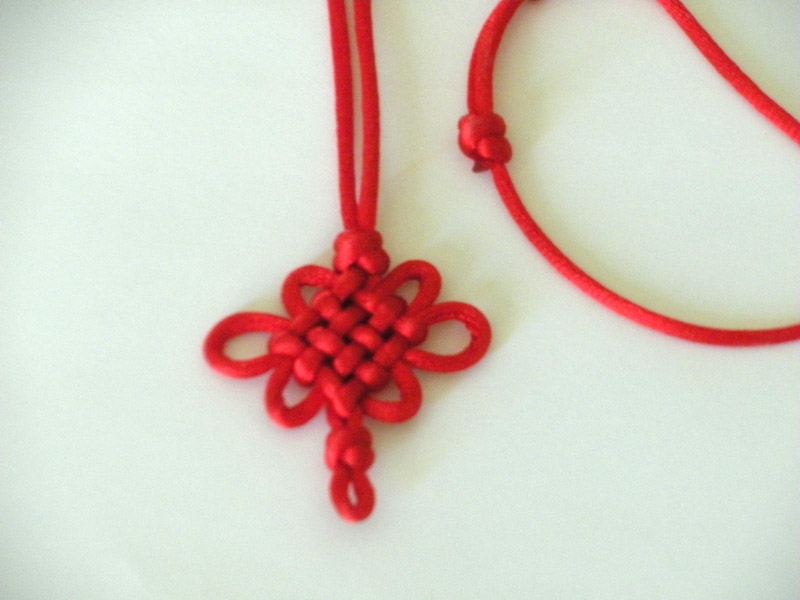 🇨🇳 China and 2 moreChinese knotting中國結 (Zhōngguó jié)
A folk craft of cord tied into lucky shapes, made in China and given as charmsCraft
🇨🇳 China and 2 moreChinese knotting中國結 (Zhōngguó jié)
A folk craft of cord tied into lucky shapes, made in China and given as charmsCraft
 🇱🇰 Kandy, Sri LankaKandyan danceඋඩරට නැටුම්
The sacred dance of Sri Lanka's hill country, kept in temple and on the stagePerformance
🇱🇰 Kandy, Sri LankaKandyan danceඋඩරට නැටුම්
The sacred dance of Sri Lanka's hill country, kept in temple and on the stagePerformance
 🇯🇵 Tokyo, Japan and 1 moreBonsai盆栽
A Japanese craft of keeping small trees in shallow pots, shaped for contemplationCraft
🇯🇵 Tokyo, Japan and 1 moreBonsai盆栽
A Japanese craft of keeping small trees in shallow pots, shaped for contemplationCraft
 🇯🇵 Kyoto, JapanKaiseki懐石
A multi-course Japanese dining tradition shaped by tea ceremonies and the seasonsTable custom · Dinner
🇯🇵 Kyoto, JapanKaiseki懐石
A multi-course Japanese dining tradition shaped by tea ceremonies and the seasonsTable custom · Dinner
 🇧🇹 Thimphu, BhutanTshechuཚེས་བཅུ།
Annual Bhutanese Buddhist festivals of sacred Cham dances and colossal cloth scrollsFestival
🇧🇹 Thimphu, BhutanTshechuཚེས་བཅུ།
Annual Bhutanese Buddhist festivals of sacred Cham dances and colossal cloth scrollsFestival
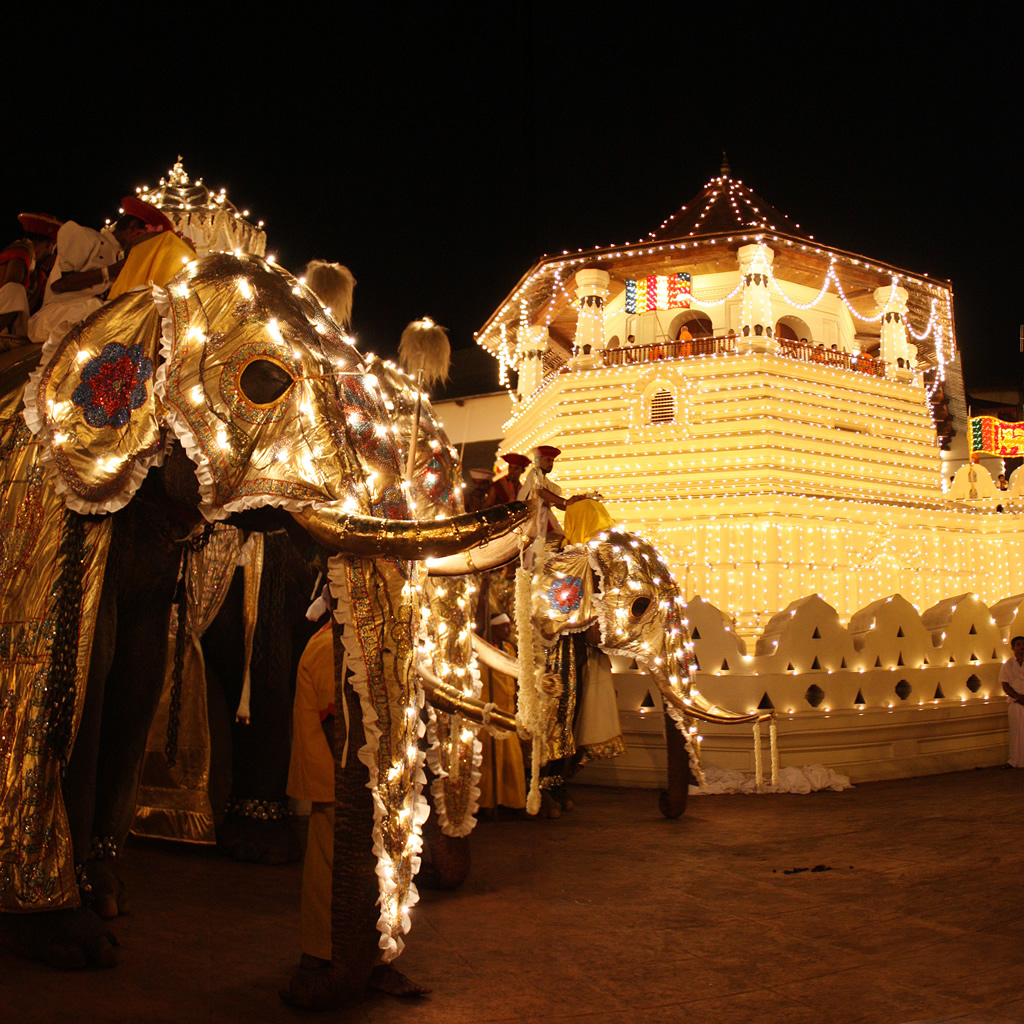 🇱🇰 Kandy, Sri LankaEsala Perahera
A Sri Lankan procession of sacred relics, drummers and elephants honouring the BuddhaSpiritual
🇱🇰 Kandy, Sri LankaEsala Perahera
A Sri Lankan procession of sacred relics, drummers and elephants honouring the BuddhaSpiritual
 🇯🇵 Tokyo, Japan and 5 moreTaiko太鼓 (taiko)
Japanese drums, and the ensemble style of playing themPerformance
🇯🇵 Tokyo, Japan and 5 moreTaiko太鼓 (taiko)
Japanese drums, and the ensemble style of playing themPerformance
 🇸🇬 Singapore and 2 moreChingay Parade妝藝
A lively street procession of floats, giant flags, and performing arts in Southeast AsiaFestival
🇸🇬 Singapore and 2 moreChingay Parade妝藝
A lively street procession of floats, giant flags, and performing arts in Southeast AsiaFestival
 🇯🇵 Tokushima, JapanAwa Dance Festival阿波踊り
A summer street dance festival held in Tokushima during the Buddhist season of ObonFestival
🇯🇵 Tokushima, JapanAwa Dance Festival阿波踊り
A summer street dance festival held in Tokushima during the Buddhist season of ObonFestival
 🇯🇵 Tokyo, Japan and 3 moreObonお盆 (Obon)
A Japanese Buddhist festival honoring the spirits of ancestors through dance, light, and family reunion.Festival
🇲🇾 Kelantan, Malaysia and 2 moreMak yongTarian Mak Yong (Jawi: مق يوڠ)
A dance-drama of Kelantan and Patani, told in song, music and improvised speechPerformance
🇯🇵 Tokyo, Japan and 3 moreObonお盆 (Obon)
A Japanese Buddhist festival honoring the spirits of ancestors through dance, light, and family reunion.Festival
🇲🇾 Kelantan, Malaysia and 2 moreMak yongTarian Mak Yong (Jawi: مق يوڠ)
A dance-drama of Kelantan and Patani, told in song, music and improvised speechPerformance
 🇱🇰 Sri LankaSanni Yakuma
A Sinhalese rite where masked dancers summon eighteen illness demons and banish themSpiritual
🇱🇰 Sri LankaSanni Yakuma
A Sinhalese rite where masked dancers summon eighteen illness demons and banish themSpiritual
 🇲🇳 Mongolia and 5 moreThroat singing
Several deep, guttural singing styles, each named and kept by its own peoplePerformance
🇲🇳 Mongolia and 5 moreThroat singing
Several deep, guttural singing styles, each named and kept by its own peoplePerformance
 🇨🇳 China and 3 moreCham danceའཆམ་
A masked monastery dance of Tibetan Buddhism, staged at festivals to teach and blessSpiritual
🇨🇳 China and 3 moreCham danceའཆམ་
A masked monastery dance of Tibetan Buddhism, staged at festivals to teach and blessSpiritual
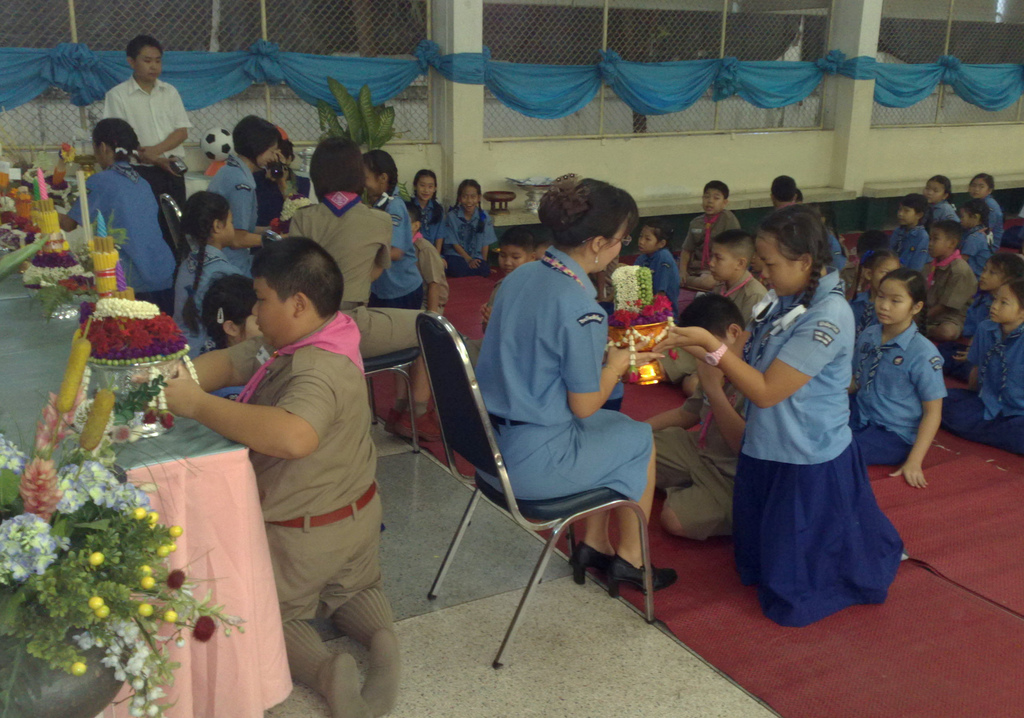 🇹🇭 ThailandWai khruพิธีไหว้ครู
A Thai ceremony of thanks to teachers, held in schools and in the artsSpiritual
🇹🇭 ThailandWai khruพิธีไหว้ครู
A Thai ceremony of thanks to teachers, held in schools and in the artsSpiritual
 🇮🇳 India and 3 moreBhajanभजनम् (bhajanam)
Devotional songs of South Asia, sung alone or together with drums and cymbalsPerformance
🇮🇳 India and 3 moreBhajanभजनम् (bhajanam)
Devotional songs of South Asia, sung alone or together with drums and cymbalsPerformance
 🇹🇭 Thailand and 4 moreVessantara JatakaVessantara Jātaka
A Buddhist festival celebrating the last life of the Buddha as a generous prince.Festival
🇹🇭 Thailand and 4 moreVessantara JatakaVessantara Jātaka
A Buddhist festival celebrating the last life of the Buddha as a generous prince.Festival
 🇮🇳 IndiaGuru-shishya traditionपरम्परा
The lineage system passing spiritual and artistic knowledge from master to discipleSpiritual
🇮🇳 IndiaGuru-shishya traditionपरम्परा
The lineage system passing spiritual and artistic knowledge from master to discipleSpiritual
 🇨🇳 Xi'an, ChinaXi'an guyue西安鼓乐
Ritual wind and percussion music from Xi'an, played sitting or walkingPerformance
🇨🇳 Xi'an, ChinaXi'an guyue西安鼓乐
Ritual wind and percussion music from Xi'an, played sitting or walkingPerformance
 🇨🇳 Dunhuang, China and 2 moreYingluo璎珞
A ring-shaped Buddhist neck ornament that became a Chinese necklace, worn again todayDress
🇨🇳 Dunhuang, China and 2 moreYingluo璎珞
A ring-shaped Buddhist neck ornament that became a Chinese necklace, worn again todayDress
 🇰🇭 Longvek, Cambodia and 2 moreKhmer traditional clothing
How Khmer people dress: the wrapped sampot, the embroidered sbai, the checkered kramaDress
🇰🇭 Longvek, Cambodia and 2 moreKhmer traditional clothing
How Khmer people dress: the wrapped sampot, the embroidered sbai, the checkered kramaDress
 🇳🇵 Kathmandu, NepalGunla Bajanगुंला बाजं
Devotional music the Newars carry through the streets during the holy month of GunlaPerformance
🇳🇵 Kathmandu, NepalGunla Bajanगुंला बाजं
Devotional music the Newars carry through the streets during the holy month of GunlaPerformance
 🇯🇵 JapanKirikane截金
A Japanese craft of cut gold, silver or platinum leaf for Buddhist statues and paintingsCraft
🇯🇵 JapanKirikane截金
A Japanese craft of cut gold, silver or platinum leaf for Buddhist statues and paintingsCraft
Photo credits on this page
The small pictures above come from Wikimedia Commons under free licences. Some are cropped to fit.
- Esala Perahera: Ashan96, CC BY-SA 4.0, source
- Ikebana: Joe Mabel, CC BY-SA 3.0, source
- Tshechu: Stephen Shephard, CC BY-SA 3.0, source
- Bonsai: Ragesoss, CC BY-SA 3.0, source
- Kaiseki: Unknown author, CC BY-SA 3.0, source
- Chingay Parade: HundenvonPenang, CC BY-SA 4.0, source
- Chinese knotting: Ucla90024, CC BY-SA 3.0, source
- Kandyan dance: PIERRE ANDRE LECLERCQ, CC BY-SA 4.0, source
- Awa Dance Festival: Rosino, CC BY-SA 2.0, source
- Obon: Batholith, Public domain, source
- Rakugo: Yuya Tamai, CC BY 2.0, source
- Hanji: Arghun, Public domain, source
- Torii: JordyMeow, CC BY-SA 3.0, source
- Lion dance: Alfresco24, CC BY 3.0, source
- Gnawa music: Lucyin, CC BY-SA 4.0, source
- Taiko: Ohno.A, CC BY-SA 4.0, source
- Mani stone: John Hill, CC BY-SA 4.0, source
- Xi'an guyue: Liuxingy, CC BY-SA 4.0, source
- Guru-shishya tradition: Unknown author, Public domain, source
- Sanni Yakuma: Michael Gunther, CC BY-SA 4.0, source
- Throat singing: Bill Loewy, CC BY-SA 3.0, source
- Cham dance: Arian Zwegers, CC BY 2.0, source
- Gunla Bajan: Kamal Ratna Tuladhar, CC BY-SA 3.0, source
- Wai khru: seetefl on Flickr, CC BY-SA 2.0, source
- Bhajan: Bootervijay at English Wikipedia, CC BY-SA 3.0, source
- Yingluo: Unknown author, CC0, source
- Khmer traditional clothing: Engsamnang, CC BY-SA 3.0, source
- Vessantara Jataka: Adam Jones, CC BY-SA 2.0, source
- Kirikane: 内閣府, CC BY 4.0, source