🇹🇷 Turkey
The nazar boncugu, a blue glass bead with an eye, hangs in houses, on cars and on babies' clothes to turn aside envy. It is also given as a gift to new neighbours.
Read: NazarPeople everywhere have made charms, rites and habits to keep harm away and bring good fortune.
Presented by ClearTrust Free for the curious, the homesick and the hosts.
People everywhere have made charms, rites and habits to keep harm away and bring good fortune. A red thread round the wrist, an evil-eye bead, a horseshoe over the door, a lucky coin, a herb bundle burned for blessing, a prayer said when a child sneezes: these are small, everyday customs, handed down in families. Many are tied to the care of the sick in traditional healing, and are described here as traditions that people keep, not as medical advice. They show how communities have always sought comfort, protection and hope, and how a symbol can steady the mind in uncertain times.
Luck and protection customs speak to the fears and hopes that everyone has: health, safe journeys, good harvests, a baby born well and a house free of trouble. A charm gives a sense of control over what cannot be controlled. Traditional healing, which includes herbs, prayers, massage and ritual, is part of the wider heritage of a community and is often practised alongside modern medicine. This page describes such customs as tradition and does not offer medical advice. For any health concern, please see a qualified doctor.
Common protective objects include beads and amulets, knots and threads, horseshoes, mirrors, bells and iron. Colours matter: red and blue ward off harm in many places, and white is for purity. Plants such as garlic, rue, neem, sage and mistletoe are hung, burned or worn. Words also protect, in prayers, verses, spells, blessings and the habit of saying "touch wood" or "bless you". Many rites are done at the turn of the year, at births, at weddings and at times of illness, and special people, such as healers, shamans or priests, may be called on.
Foods linked to luck are widespread: noodles for long life, lentils and grapes at the new year, round fruits, fish, sweet rice and red eggs. Some are medicinal in tradition, such as ginger tea, turmeric milk, chicken soup and herbal broths. Protective dress includes amulet bracelets, tattoos, talismans sewn into clothes and white or red cloth. Music and rhythm are used in healing ceremonies from Africa to the Americas, where drums, songs and dance are believed to help a person recover and make a community whole.
Some protective customs have become fashion, with evil-eye jewellery and crystals popular worldwide. Traditional medicine is studied by researchers, and ministries in many countries support the training of practitioners. Health authorities warn that some remedies are not safe and that serious illness should be treated by trained doctors. Many families hold both views at once, keeping a charm on the baby's wrist and taking the baby to the clinic. Respect for the tradition and for modern medicine is the sensible meeting point.
The nazar boncugu, a blue glass bead with an eye, hangs in houses, on cars and on babies' clothes to turn aside envy. It is also given as a gift to new neighbours.
Read: NazarThe mati, or evil eye, is guarded against by a blue bead, a clove of garlic and the habit of spitting lightly three times, ftou ftou ftou, after a compliment. Many Greeks also make the sign of the cross three times and say a prayer when someone is thought to have been touched by the eye.
Read: Evil eyeA black dot, kajal, is put on a baby's cheek to turn away the evil eye, and lemons and chillies are hung on a string above shop doors. Ayurveda, an old system of care, is widely used as a tradition.
Read: Nazar battuRed is the colour of luck and protection, and red envelopes, red knots and red underwear in a zodiac year are common customs. Feng shui arranges the home, and traditional Chinese medicine remains a living practice.
Read: Feng shuiOmamori are small amulets from shrines, sold for safe travel, success in exams and health. Maneki-neko, the beckoning cat, brings luck to shops, and a daruma doll is painted with one eye when a goal is set.
Read: OmamoriMonks give sacred white threads, sai sin, tied round the wrist for blessing, and people wear Buddhist amulets, phra khruang, believed to protect them. Spirit houses stand in gardens.
Read: Spirit house Evil eyeA widespread protective belief.
 OmamoriJapanese amulets from shrines.
 Feng shuiThe art of placing things for harmony.
Also part of it, and being written: Hamsa (The hand of Fatima.), Smudging (Native American cleansing with herbs.), Curandero (Latin American traditional healers.), Rongoā (Maori traditional healing.), Superstition (Everyday customs of luck.).
No. These are customs and traditions, described as the people who keep them describe them. For any health problem, please consult a qualified doctor.
Envy and its fear seem to appear in all societies, and a simple charm gives a way to answer them. The belief is documented from ancient Greece and Mesopotamia and now appears across Europe, Asia and Africa.
Red is the colour of blood and life in many cultures, and blue is linked to the sky and water. The meanings differ, and a colour that is lucky in one place may be mournful in another.
Very often. Many families keep a traditional protection and also use doctors, and see the two as serving different needs.
A sacred practice among many First Nations and Native American peoples of burning herbs such as sage, cedar and sweetgrass for cleansing and prayer. It is a living ceremony, and visitors are asked to respect it.
Written by the EveryParampara desk with AI assistance. Customs differ from place to place and family to family. If this is your tradition and we have it wrong, tell us.
The traditions written up so far, best known first.
 🇮🇳 India and 1 moreNazar battuनज़र बट्टू / نظر بٹو
A protective custom in South Asia using deliberate flaws or charms to deflect the evil eye.Spiritual
🇮🇳 India and 1 moreNazar battuनज़र बट्टू / نظر بٹو
A protective custom in South Asia using deliberate flaws or charms to deflect the evil eye.Spiritual
 🇮🇳 India and 4 moreWater lantern
Small lamps floated on water to honour the dead and ask for good fortuneFestival
🇮🇳 India and 4 moreWater lantern
Small lamps floated on water to honour the dead and ask for good fortuneFestival
 🇱🇰 Kandy, Sri LankaKandyan danceඋඩරට නැටුම්
The sacred dance of Sri Lanka's hill country, kept in temple and on the stagePerformance
🇱🇰 Kandy, Sri LankaKandyan danceඋඩරට නැටුම්
The sacred dance of Sri Lanka's hill country, kept in temple and on the stagePerformance
 🇮🇳 India and 5 moreThaipusam
A Tamil Hindu festival honoring Murugan through devotional burdens and pilgrimageSpiritual
🇮🇳 India and 5 moreThaipusam
A Tamil Hindu festival honoring Murugan through devotional burdens and pilgrimageSpiritual
 🇮🇳 Varanasi, India and 1 moreChhath Pujaछठ पूजा
A four-day Hindu festival honouring the sun and Chhathi Maiya along riverbanksSpiritual · Fasting and breaking the fast
🇮🇳 Varanasi, India and 1 moreChhath Pujaछठ पूजा
A four-day Hindu festival honouring the sun and Chhathi Maiya along riverbanksSpiritual · Fasting and breaking the fast
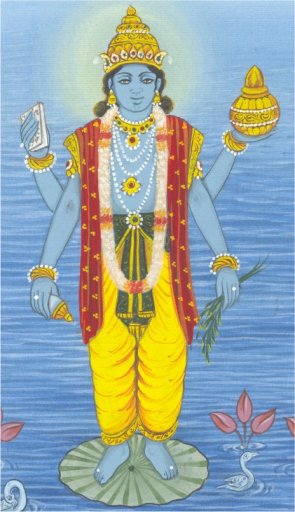 🇮🇳 India and 1 moreDhanterasधनतेरस (Hindi), धनत्रयोदशी (Sanskrit)
The first day of Diwali, a festival of lamps, health and wealth kept across India and Nepal.Festival
🇮🇳 India and 1 moreDhanterasधनतेरस (Hindi), धनत्रयोदशी (Sanskrit)
The first day of Diwali, a festival of lamps, health and wealth kept across India and Nepal.Festival
 🇧🇹 Thimphu, BhutanTshechuཚེས་བཅུ།
Annual Bhutanese Buddhist festivals of sacred Cham dances and colossal cloth scrollsFestival
🇧🇹 Thimphu, BhutanTshechuཚེས་བཅུ།
Annual Bhutanese Buddhist festivals of sacred Cham dances and colossal cloth scrollsFestival
 🇮🇳 India and 1 moreNaraka Chaturdashi
The dawn festival of oil baths, ancestor lamps, and harvest foods during DiwaliFestival · Breakfast
🇮🇳 India and 1 moreNaraka Chaturdashi
The dawn festival of oil baths, ancestor lamps, and harvest foods during DiwaliFestival · Breakfast
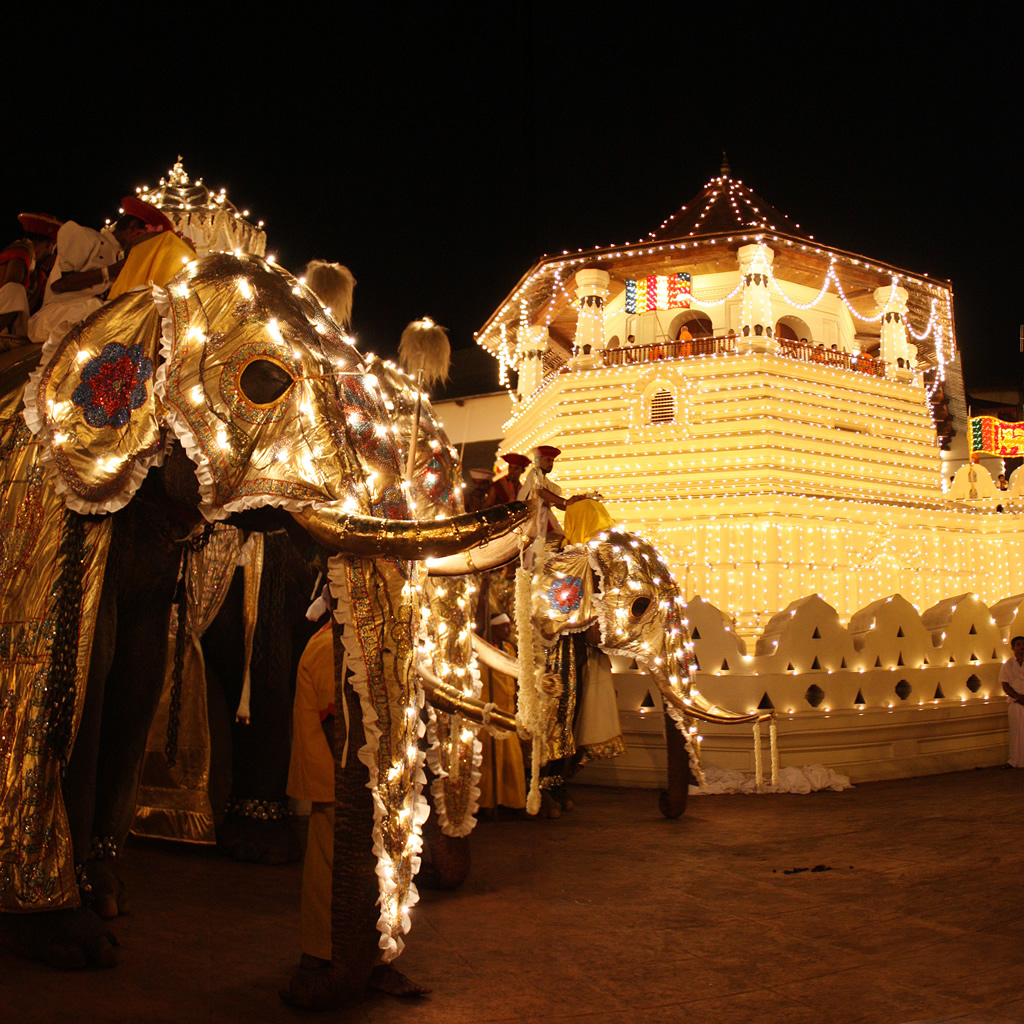 🇱🇰 Kandy, Sri LankaEsala Perahera
A Sri Lankan procession of sacred relics, drummers and elephants honouring the BuddhaSpiritual
🇱🇰 Kandy, Sri LankaEsala Perahera
A Sri Lankan procession of sacred relics, drummers and elephants honouring the BuddhaSpiritual
 🇮🇳 Pune, India and 5 moreTurbanدولبند (dolband)
Cloth wound around the head, worn for faith, rank, shade and identityDress
🇮🇳 Pune, India and 5 moreTurbanدولبند (dolband)
Cloth wound around the head, worn for faith, rank, shade and identityDress
 🇮🇳 Hyderabad, India and 3 moreBonalu
An annual festival of thanksgiving to Goddess Mahakali across Telangana, IndiaFestival · Feasts and festival meals
🇮🇳 Hyderabad, India and 3 moreBonalu
An annual festival of thanksgiving to Goddess Mahakali across Telangana, IndiaFestival · Feasts and festival meals
 🇧🇩 Dhaka, Bangladesh and 1 moreBaul traditionবাউল
A Bengali devotional minstrel path uniting mystic poetry, music and dancePerformance
🇧🇩 Dhaka, Bangladesh and 1 moreBaul traditionবাউল
A Bengali devotional minstrel path uniting mystic poetry, music and dancePerformance
 🇮🇳 IndiaGanga Dussehra
A ten-day Hindu river festival celebrating the descent of the Ganges to earthSpiritual
🇮🇳 IndiaGanga Dussehra
A ten-day Hindu river festival celebrating the descent of the Ganges to earthSpiritual
 🇮🇳 IndiaAhoi Ashtami
A day of fasting by Hindu mothers before Diwali, for their children's wellbeingFestival · Fasting and breaking the fast
🇮🇳 IndiaAhoi Ashtami
A day of fasting by Hindu mothers before Diwali, for their children's wellbeingFestival · Fasting and breaking the fast
 🇱🇰 Sri LankaSanni Yakuma
A Sinhalese rite where masked dancers summon eighteen illness demons and banish themSpiritual
🇱🇰 Sri LankaSanni Yakuma
A Sinhalese rite where masked dancers summon eighteen illness demons and banish themSpiritual
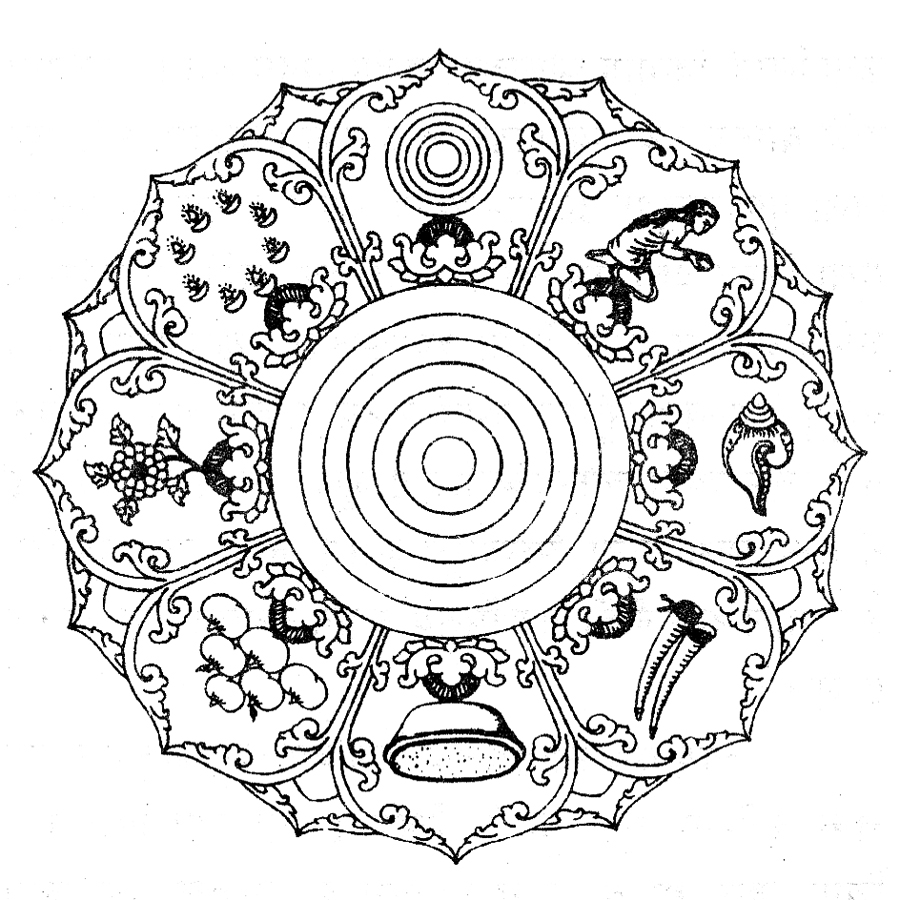 🇳🇵 NepalMha Pujaम्हपुजा
A Newar New Year ritual of self-worship, mandalas and renewal in NepalSpiritual · Feasts and festival meals
🇮🇳 IndiaSheetala Ashtami
A day for the goddess Shitala, kept eight days after Holi with food cooked in advanceSpiritual
🇳🇵 NepalMha Pujaम्हपुजा
A Newar New Year ritual of self-worship, mandalas and renewal in NepalSpiritual · Feasts and festival meals
🇮🇳 IndiaSheetala Ashtami
A day for the goddess Shitala, kept eight days after Holi with food cooked in advanceSpiritual
 🇮🇳 India and 2 morePujaपूजा (pūjā)
Hindu worship: light, flowers and food offered to a deity or a guestSpiritual
🇮🇳 India and 2 morePujaपूजा (pūjā)
Hindu worship: light, flowers and food offered to a deity or a guestSpiritual
 🇮🇳 India and 1 moreRangoliरंगोली
Floor patterns of rice flour, sand or petals, drawn at the doorstep for festivalsCraft
🇮🇳 India and 1 moreRangoliरंगोली
Floor patterns of rice flour, sand or petals, drawn at the doorstep for festivalsCraft
 🇮🇳 India and 2 moreRudrakshaरुद्राक्ष
Seeds of the Elaeocarpus tree, worn as prayer beads by devotees of ShivaSpiritual
🇮🇳 India and 2 moreRudrakshaरुद्राक्ष
Seeds of the Elaeocarpus tree, worn as prayer beads by devotees of ShivaSpiritual
 🇮🇳 India and 5 moreKolamகோலம்
A rice-flour floor drawing made at South Indian doorsteps before sunriseCraft
🇮🇳 India and 5 moreKolamகோலம்
A rice-flour floor drawing made at South Indian doorsteps before sunriseCraft
 🇮🇳 India and 5 moreBindi
A dot worn between the eyebrows, red for marriage and devotion, worn daily by many womenDress
🇮🇳 India and 5 moreBindi
A dot worn between the eyebrows, red for marriage and devotion, worn daily by many womenDress
 🇮🇳 Palani, India and 5 moreKavadi Aattamகாவடி ஆட்டம்
Tamil devotees of Murugan carry burdens as a vow during ThaipusamSpiritual
🇮🇳 Palani, India and 5 moreKavadi Aattamகாவடி ஆட்டம்
Tamil devotees of Murugan carry burdens as a vow during ThaipusamSpiritual
 🇮🇳 Varanasi, IndiaHanuman Chalisaहनुमान चालीसा
A forty-stanza Awadhi hymn praising Hanuman, said by Hindus each daySpiritual
🇮🇳 Varanasi, IndiaHanuman Chalisaहनुमान चालीसा
A forty-stanza Awadhi hymn praising Hanuman, said by Hindus each daySpiritual
 🇮🇳 Muhamma, India and 5 moreAkhiri Chahar Shambah
A day of bathing, prayer and charity on the last Wednesday of SafarSpiritual
🇮🇳 IndiaJiuntia
An autumn festival of western Odisha, kept in two forms by mothers and by sistersSpiritual
🇮🇳 Muhamma, India and 5 moreAkhiri Chahar Shambah
A day of bathing, prayer and charity on the last Wednesday of SafarSpiritual
🇮🇳 IndiaJiuntia
An autumn festival of western Odisha, kept in two forms by mothers and by sistersSpiritual
 🇮🇳 Varanasi, India and 3 moreDupattaदुपट्टा
A traditional South Asian scarf worn across the shoulders, chest, and headDress
🇮🇳 Varanasi, India and 3 moreDupattaदुपट्टा
A traditional South Asian scarf worn across the shoulders, chest, and headDress
 🇮🇳 Chabbi (Chebbi), IndiaChabbi Ganapathi
A three-day Ganesha festival kept by seven households in a Karnataka village since 1827Festival
🇮🇳 IndiaSahasra Purna Chandrodayamसहस्र-(पूर्ण)चन्द्र-दर्शन
A Hindu rite marking a person's thousandth full moon, celebrated around age eighty-one.Rite of passage
🇮🇳 Chabbi (Chebbi), IndiaChabbi Ganapathi
A three-day Ganesha festival kept by seven households in a Karnataka village since 1827Festival
🇮🇳 IndiaSahasra Purna Chandrodayamसहस्र-(पूर्ण)चन्द्र-दर्शन
A Hindu rite marking a person's thousandth full moon, celebrated around age eighty-one.Rite of passage
 🇮🇳 IndiaPrathamastami
An Odia ritual blessing the firstborn child for long life and good fortuneRite of passage
🇮🇳 IndiaPrathamastami
An Odia ritual blessing the firstborn child for long life and good fortuneRite of passage
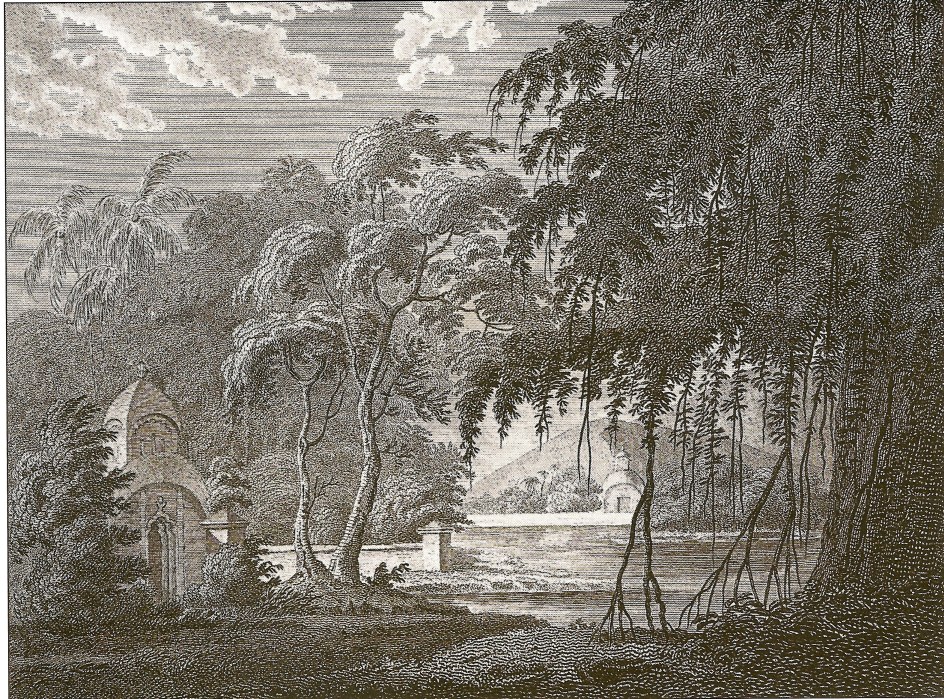 🇮🇳 Delhi, IndiaSacred groves of India
Communal forest sanctuaries across India where religious belief protects biodiversity and local resources.Spiritual
🇮🇳 Delhi, IndiaSacred groves of India
Communal forest sanctuaries across India where religious belief protects biodiversity and local resources.Spiritual
The small pictures above come from Wikimedia Commons under free licences. Some are cropped to fit.
Every week: one tradition from somewhere new, what is being celebrated around the world this week, and one idea explained.