Kings, queens, emperors and chiefs have been crowned, enthroned and anointed in ceremonies that are among the oldest in the world. Some are very ancient and still performed, such as the English coronation in Westminster Abbey, the Japanese enthronement and the Ashanti stool rites. Others are the royal weddings, jubilees and funerals that draw crowds and cameras. The ceremonies use crowns, thrones, oaths, oils, regalia, processions and music to show that authority is conferred by a people, a faith or a tradition. Here is how royalty is celebrated in many places, from palaces to village stools, and what the rites mean to those who keep them.
What it is for
A coronation turns a person into a ruler in the sight of the people and, in many traditions, of God or the ancestors. It sets out the duties of the ruler, often through an oath, and the loyalty of the subjects. The ceremony also displays continuity, linking each ruler to those before, with objects and words that may be centuries old. In constitutional monarchies the rite is symbolic but still carries deep meaning, while in traditional kingdoms the chief or king remains an important figure in the life of the community.
Common elements across cultures
The main elements are an oath or promise, an act of anointing or blessing, the giving of regalia such as the crown, orb, sceptre, sword, stool or spear, an enthronement and an acclamation by the people. A procession carries the ruler through the city, and a feast follows. Dress is rich, with robes, furs, gold and feathers. Many rites include a period of seclusion or fasting, a ritual bath and the presence of priests, elders or kingmakers. The date is often chosen with care, and the ceremony may last days.
Food, dress and music
Royal feasts are among the great banquets of history, and coronation dishes have become part of food culture: coronation chicken in Britain, a ceremonial rice in Thailand, and the royal cuisine of Japan's court. Dress is the heart of the display: ermine and velvet, kimono-style robes, kente cloth and gold regalia, feathered cloaks in Hawaii and Maori lands. Music is organised on a grand scale: anthems, fanfares, trumpets, drums, gongs and choirs, and some traditions have court musicians whose work is handed down in families.
How it is changing
Many monarchies have simplified ceremonies, reduced costs and opened them to people of all faiths. Television and streaming have made the rites a worldwide event, and social media follows every detail. Traditional rulers in Africa and the Pacific play a role beside modern government, resolving disputes and caring for culture. Some countries have ended monarchy and replaced it with civic ceremonies, such as an inauguration, with their own symbols and oaths. Interest in the history and symbolism of royal rites remains strong everywhere.
Royalty and coronation around the world
🇬🇧 United Kingdom
The coronation takes place in Westminster Abbey, with the sovereign anointed with holy oil, crowned with St Edward's Crown and given the orb and sceptre. The ceremony has been held in the Abbey since 1066.
Coronation of the British monarch, being written🇯🇵 Japan
The Sokui-rei, the enthronement of the emperor, and the Daijosai, a ritual in which the emperor offers new rice to the deities, are rooted in Shinto tradition and continue today. The ritual is held at night, in a specially built hall, and is seen as private to the emperor.
Read: Daijō-sai🇹🇭 Thailand
The coronation involves anointing with water from sacred sources, a nine-tiered umbrella and the Great Crown of Victory, in a Brahmin and Buddhist ritual in Bangkok's Grand Palace. The king also receives the regalia, including the sword and the sandals, in a ceremony that lasts several days.
Read: Coronation of the Thai monarch🇧🇹 Bhutan
The Raven Crown, with the head of a raven representing the protective deity Gonpo Jarodongchen, is worn by the king, and the coronation includes a ritual of receiving a scarf, the Dar Kar. The ceremony is accompanied by monks chanting and the presentation of a ceremonial scarf.
Raven Crown, being written🇳🇵 Nepal
The Kumari, a young girl worshipped as a living goddess, has traditionally blessed the king with a tika at the Indra Jatra festival. The institution continues in Kathmandu.
Read: Kumari🇮🇳 India
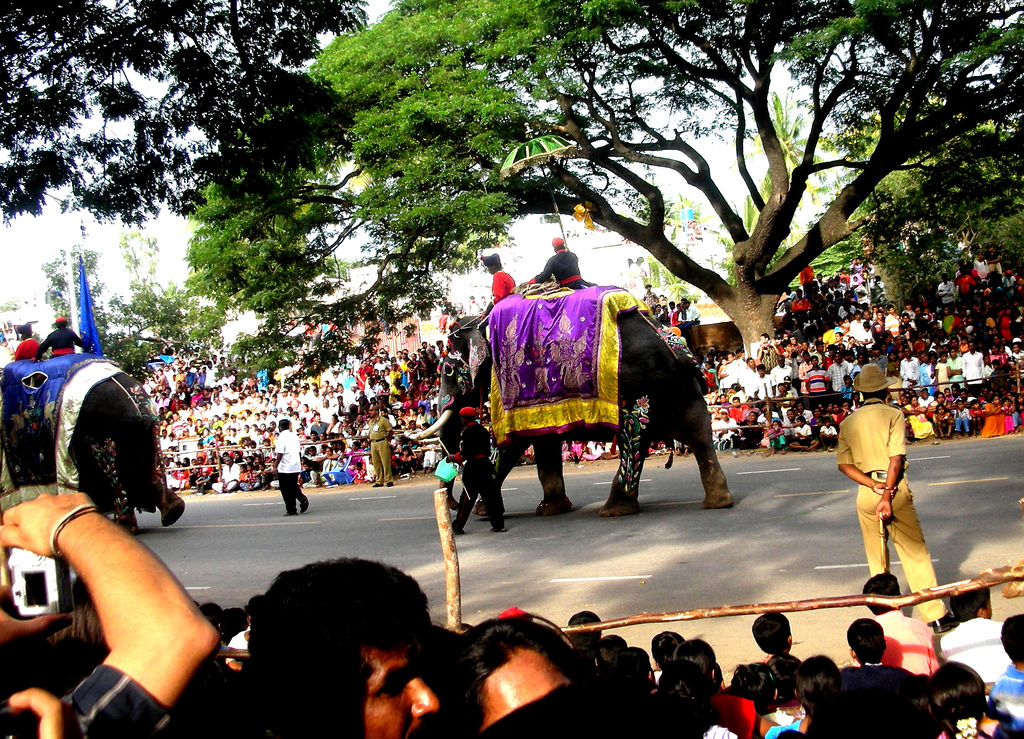
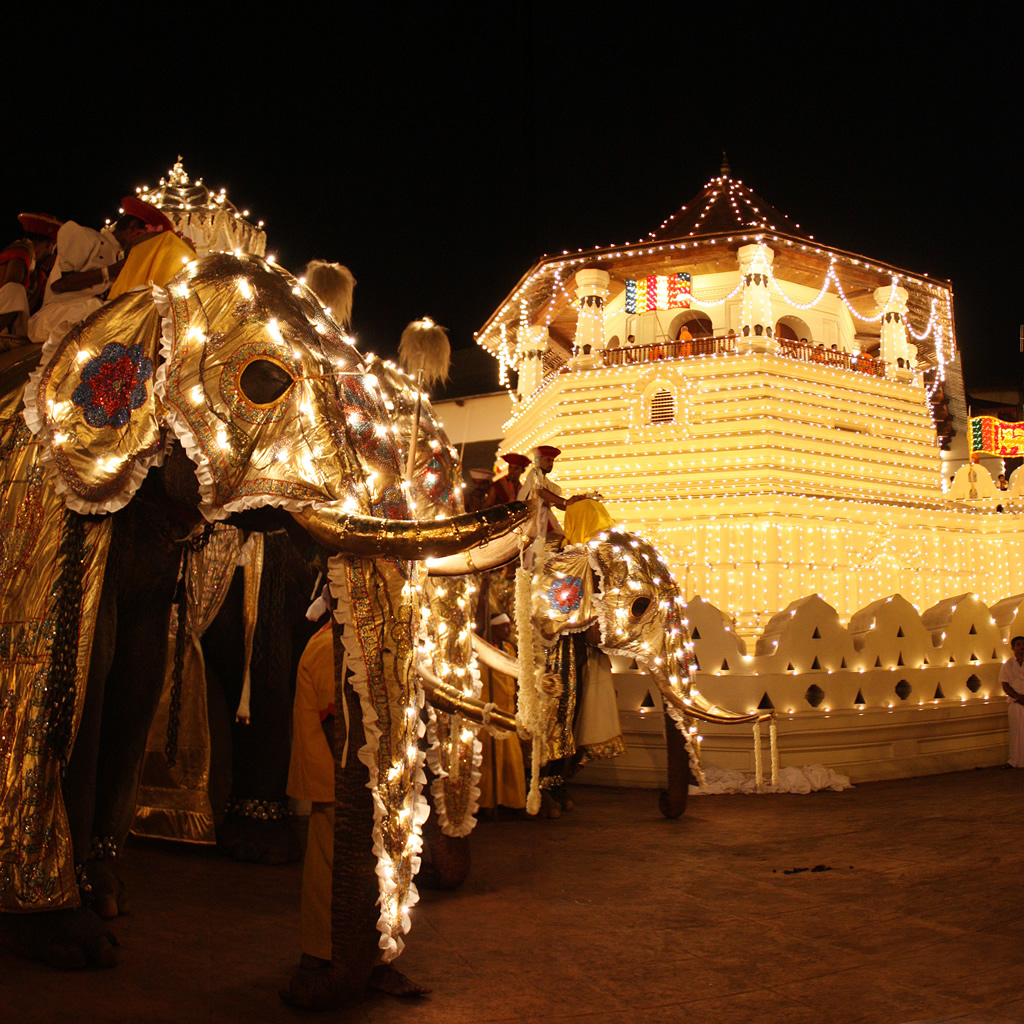
The Dussehra procession at Mysore, with an elephant bearing the golden howdah, recalls the old royal court, and the Rajput kings' coronations involved a tilak and a sword. Today the palace of Mysore is lit with thousands of lights on the evenings of Dasara.
Read: Mysore DasaraCompare all 20 places
Traditions to start with
Also part of it, and being written: Coronation of the British monarch (Westminster Abbey.), Golden Stool (The Ashanti sacred stool.), Tūrangawaewae (The Maori King Movement.).
Questions people ask
What is the difference between a coronation and an enthronement?
A coronation places a crown on the head, while an enthronement seats the ruler on a throne or stool. Many ceremonies include both, with other rites such as anointing.
Why are oils used in coronations?
Anointing with holy oil, an act borrowed from the Hebrew Bible, shows that the ruler is set apart for service. The oil is blessed and may be made to an ancient recipe.
Do monarchies still hold real power?
It varies. In many modern monarchies, such as the United Kingdom, Sweden and Japan, the monarch is a ceremonial head of state, while in a few countries the monarch has real authority.
What are regalia?
The objects of royal office, such as crowns, sceptres, orbs, swords, stools or spears, kept with great care and used in the ceremony.
Are there rites for traditional rulers, not just kings?
Yes. Chiefs, headmen and clan leaders have their own installation rites in much of Africa, the Pacific and the Americas, and many are recognised by modern law.
About this pageWritten by the EveryParampara desk with AI assistance. Customs differ from place to place and family to family. If this is your tradition and we have it wrong, tell us.