🇨🇳 China
Chunjie, the Spring Festival, is the biggest family holiday, with a reunion dinner on New Year's Eve, red envelopes, fireworks, lion dances and a visit to relatives. Dumplings and fish are customary.
Chinese New Year, being writtenThe new year is celebrated on more days than any other festival.
Presented by ClearTrust Free for the curious, the homesick and the hosts.
The new year is celebrated on more days than any other festival. In January for much of the world, in February for the Lunar New Year, in March for Nowruz, in April for Songkran, Vaisakhi and Pohela Boishakh, in September for Rosh Hashanah and Enkutatash, in October or November for Diwali in parts of India, each culture has a calendar of its own. The customs are strikingly alike: cleaning the house, paying debts, wearing new clothes, eating a lucky meal, visiting family, and making wishes. Fireworks, bells and water play a part in many. Here is how the beginning of the year is welcomed across the world.
The turning of the year invites people to leave what was difficult behind and to hope for better days. Customs aim to bring luck, health and prosperity to the year ahead, and to mend relationships. Many also look back, with prayers of thanks and with memorial rites for the dead. New year is also about community, and many people spend it with family or in the streets with strangers. The date is set by the sun, the moon or a mix of both, and the Gregorian January new year is the shared civil date for most of the world.
Houses are cleaned, debts settled and old things thrown away. New clothes are worn and gifts, such as red envelopes or sweets, are given. A first footing, in which the first visitor of the year is chosen for luck, is kept in Scotland and elsewhere. Fire and light, bells, drums and fireworks drive away evil. Water is splashed or sprinkled in South and Southeast Asia, while the Nowruz table is laid with seven items. Special foods, from dumplings to lentils, black-eyed peas and grapes, are eaten at midnight or on the first day.
New year food is symbolic: long noodles for long life, fish for abundance, round fruits for fortune, dumplings shaped like ingots, lentils like coins, apples and honey, grapes at the stroke of midnight in Spain, and sweet rice in Korea and Japan. Dress is new, bright and often traditional: red in China, kimono in Japan, white in Ethiopia and Sri Lanka. Music includes the Auld Lang Syne in Britain, drums and lion dances in China, and gongs and bells in Southeast Asia. Parades, concerts and street dancing are held in many cities.
Global events, such as the count-down in Times Square and the fireworks at the Sydney Harbour Bridge, are broadcast around the world. Many cities have shifted from fireworks to drone displays, for the sake of animals and air quality. Migration has brought Lunar New Year, Nowruz and other festivals to cities everywhere, and many are public holidays in new countries. Resolutions and gratitude lists have become popular, while some people now prefer a quiet night at home, and families remain the main heart of the festival.
Chunjie, the Spring Festival, is the biggest family holiday, with a reunion dinner on New Year's Eve, red envelopes, fireworks, lion dances and a visit to relatives. Dumplings and fish are customary.
Chinese New Year, being writtenTet Nguyen Dan brings a family reunion, a cleaning of ancestors' graves, banh chung rice cakes, kumquat trees and peach blossoms, and the first visitor is chosen with care. Families also visit pagodas and temples, and the first three days are for visiting relatives, in a set order.
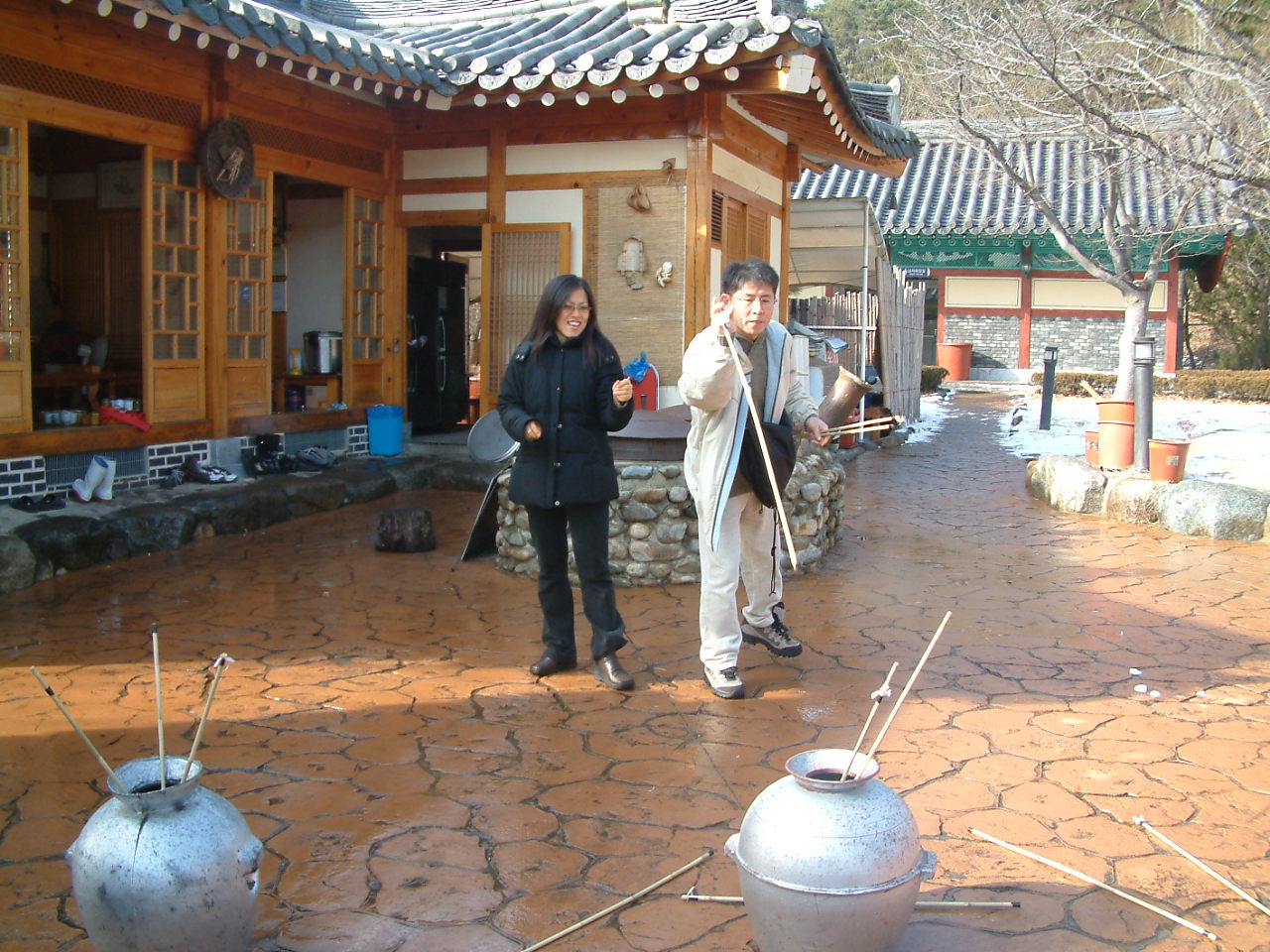
Tet, being writtenSeollal is marked with bows to elders, called sebae, and a gift of money, a meal of tteokguk, rice cake soup, and games such as yutnori. Families wear hanbok.
Read: Korean New YearOshogatsu is celebrated with osechi, boxed foods with symbolic meanings, the ringing of 108 bells in Buddhist temples at midnight and the first shrine visit, hatsumode. Otoshidama money is given to children.
Read: Japanese New YearSongkran, in mid-April, is a festival of water, with the pouring of water on Buddha images and elders' hands and a joyful water fight in the streets. People visit temples and clean their homes.
Read: SongkranNew year is celebrated at many times: Diwali in Gujarat, Ugadi in Karnataka, Gudi Padwa in Maharashtra, Vishu in Kerala and Puthandu in Tamil Nadu, Vaisakhi in Punjab. Each has its own food, such as ugadi pachadi with six tastes.
Read: Ugadi NowruzThe Persian New Year.
 SongkranThe water festival.
 HogmanayThe Scottish New Year.
 Rosh HashanahThe Jewish New Year.
 Korean New YearThe Korean new year.
 Twelve GrapesThe Spanish midnight custom.
Also part of it, and being written: Chinese New Year (The Lunar New Year.), Tet (The Vietnamese new year.).
Because calendars differ: lunar, solar and mixed. January 1 is the Gregorian civil date, while Lunar New Year, Nowruz and others follow older systems.
A Scottish and Northern English custom in which the first person to enter the home after midnight brings luck, ideally a tall dark-haired man with gifts of coal, bread and whisky.
To sweep away the old year's troubles, and to welcome luck. In China, sweeping is avoided on the day itself, so as not to sweep away fortune.
In China and Vietnam, red symbolises luck, and money in a red envelope is a blessing from elders to the young, and from employers to staff.
The Gregorian new year on 1 January is the civil date in most countries, and is a public holiday almost everywhere, even where another new year is the main cultural celebration.
Written by the EveryParampara desk with AI assistance. Customs differ from place to place and family to family. If this is your tradition and we have it wrong, tell us.
The traditions written up so far, best known first.
 🇯🇵 JapanToshikoshi soba年越し蕎麦
Buckwheat noodles eaten on New Year's Eve, cut easily to let the year goTable custom · Feasts and festival meals
🇯🇵 JapanToshikoshi soba年越し蕎麦
Buckwheat noodles eaten on New Year's Eve, cut easily to let the year goTable custom · Feasts and festival meals
 🇨🇳 Shanghai, China and 1 moreJiaozi餃子
Crescent Chinese dumplings filled with meat or vegetables, eaten for fortune and feastsTable custom · Breakfast
🇨🇳 Shanghai, China and 1 moreJiaozi餃子
Crescent Chinese dumplings filled with meat or vegetables, eaten for fortune and feastsTable custom · Breakfast
 🇲🇳 Mongolia and 2 moreTsagaan SarЦагаан сар
The Mongolian Lunar New Year festival of peace, elders, white foods and renewalSeasonal · Feasts and festival meals
🇲🇳 Mongolia and 2 moreTsagaan SarЦагаан сар
The Mongolian Lunar New Year festival of peace, elders, white foods and renewalSeasonal · Feasts and festival meals
 🇰🇷 South Korea and 1 moreDaeboreum대보름
A Korean festival of the first lunar full moon, marked by fires, wishes and feastsSeasonal · Feasts and festival meals
🇰🇷 South Korea and 1 moreDaeboreum대보름
A Korean festival of the first lunar full moon, marked by fires, wishes and feastsSeasonal · Feasts and festival meals
 🇨🇳 China and 5 moreChinese New Year's Evechúxī
A reunion day for ethnic Chinese families before the Lunar New Year, marked by feasts, rituals, and staying up late.Festival · Dinner
🇨🇳 Beijing, ChinaLaba Festival臘八節
A winter porridge festival marking the start of the Chinese New Year seasonFestival · Feasts and festival meals
🇨🇳 China and 5 moreChinese New Year's Evechúxī
A reunion day for ethnic Chinese families before the Lunar New Year, marked by feasts, rituals, and staying up late.Festival · Dinner
🇨🇳 Beijing, ChinaLaba Festival臘八節
A winter porridge festival marking the start of the Chinese New Year seasonFestival · Feasts and festival meals
 🇨🇳 ChinaTorch Festival火把节
A summer fire holiday celebrated by Yi and neighbouring communities in southwest ChinaFestival · Feasts and festival meals
🇨🇳 China and 1 moreReunion dinner團圓飯
A family gathering meal on lunar new year's eve, kept in China and VietnamTable custom · Dinner
🇨🇳 ChinaTorch Festival火把节
A summer fire holiday celebrated by Yi and neighbouring communities in southwest ChinaFestival · Feasts and festival meals
🇨🇳 China and 1 moreReunion dinner團圓飯
A family gathering meal on lunar new year's eve, kept in China and VietnamTable custom · Dinner
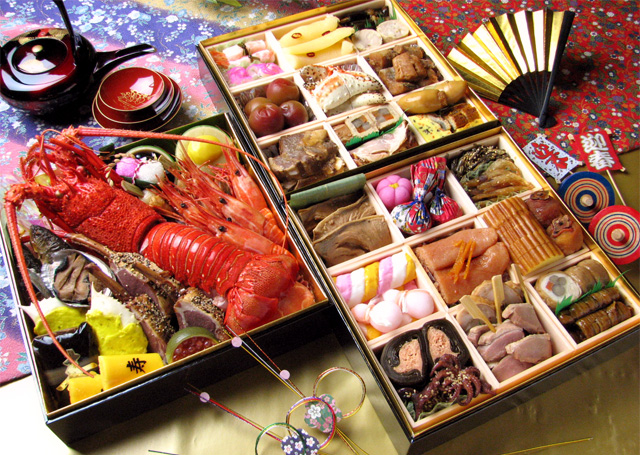 🇯🇵 Tokyo, JapanJapanese New Year正月
An annual celebration of renewal, seasonal foods, and bell ringing across JapanSeasonal · Feasts and festival meals
🇯🇵 Tokyo, JapanJapanese New Year正月
An annual celebration of renewal, seasonal foods, and bell ringing across JapanSeasonal · Feasts and festival meals
The small pictures above come from Wikimedia Commons under free licences. Some are cropped to fit.
Every week: one tradition from somewhere new, what is being celebrated around the world this week, and one idea explained.