Indigenous and traditional traditions
Indigenous and traditional spiritual and cultural practices belong to peoples who have lived on their lands for many generations: the First Nations and Native peoples of the Americas, the Aboriginal and Torres Strait Islander peoples of Australia, the Maori and Pacific Islanders, the Sami, the many peoples of Africa and the hill peoples of Asia.
Indigenous and traditional spiritual and cultural practices belong to peoples who have lived on their lands for many generations: the First Nations and Native peoples of the Americas, the Aboriginal and Torres Strait Islander peoples of Australia, the Maori and Pacific Islanders, the Sami, the many peoples of Africa and the hill peoples of Asia. Their traditions include ceremonies of the land, naming and initiation, healing, story and dance. Some are public and others private. EveryParampara describes only what communities share openly, and credits them as the source.
Land, ancestors and story
For many Indigenous peoples, land is kin, not property, and ceremonies thank the earth, the water and the animals. Ancestors are present, and stories of creation, such as the Dreaming, tell people how to live. Knowledge is passed by elders in language, song and dance. Many of these languages are under threat, and communities are leading efforts to teach them to the young.
Sharing with care
Some ceremonies are open to visitors, such as powwows and the Maori powhiri, and others, such as initiations, are restricted. Visitors are asked to listen, follow instructions, ask before taking photographs and avoid treating sacred things as entertainment. Many nations have protocols on the use of images and symbols. EveryParampara follows these requests and links to community voices and organisations wherever possible.
Written by the EveryParampara desk with AI assistance. Background on Indigenous and traditional (faith). Customs differ from place to place and family to family. If this is your tradition and we have it wrong, tell us.
 🇵🇭 Cebu, PhilippinesBatok
Indigenous Filipino tattooing, once worn as dress, rank and a rite of passageCraft
🇵🇭 Cebu, PhilippinesBatok
Indigenous Filipino tattooing, once worn as dress, rank and a rite of passageCraft
 🇺🇸 United States and 1 moreDreamcatcherᐊᓴᐱᑫᔒᓐᐦ (asabikeshiinh)
A hand-woven hoop from Anishinaabe tradition, hung above a cradle to protect a childCraft
🇺🇸 United States and 1 moreDreamcatcherᐊᓴᐱᑫᔒᓐᐦ (asabikeshiinh)
A hand-woven hoop from Anishinaabe tradition, hung above a cradle to protect a childCraft
 🇨🇬 Republic of the CongoNkisi
Spiritual vessels and figures crafted to channel ancestral power, healing and justiceSpiritual
🇨🇬 Republic of the CongoNkisi
Spiritual vessels and figures crafted to channel ancestral power, healing and justiceSpiritual
 🇺🇸 New York, United StatesNavajo weavingdiyogí
Handwoven wool textiles and rugs made on continuous warps by Navajo artisansCraft
🇺🇸 New York, United StatesNavajo weavingdiyogí
Handwoven wool textiles and rugs made on continuous warps by Navajo artisansCraft
 🇵🇬 Papua New Guinea and 5 moreShell money
Traditional currency made from cowries, ground clam beads, and carved sea shellsCraft
🇵🇬 Papua New Guinea and 5 moreShell money
Traditional currency made from cowries, ground clam beads, and carved sea shellsCraft
 🇲🇬 MadagascarValiha
A bamboo tube zither from Madagascar, played for recreation and spirit ritualsPerformance
🇲🇬 MadagascarValiha
A bamboo tube zither from Madagascar, played for recreation and spirit ritualsPerformance
 🇨🇦 Canada and 1 moreMedicine wheel
Sacred circular stone arrangements built across the plains of North AmericaSpiritual
🇨🇦 Canada and 1 moreMedicine wheel
Sacred circular stone arrangements built across the plains of North AmericaSpiritual
 🇮🇳 IndiaWarli painting
Sacred white rice paste murals made on red clay walls in western IndiaCraft
🇮🇳 IndiaWarli painting
Sacred white rice paste murals made on red clay walls in western IndiaCraft
 🇲🇽 San Salvador Huixcolotla, Mexico and 1 morePapel picado
A Mexican folk art of cutting intricate designs into tissue paper for festive and spiritual displays.Festival
🇲🇽 San Salvador Huixcolotla, Mexico and 1 morePapel picado
A Mexican folk art of cutting intricate designs into tissue paper for festive and spiritual displays.Festival
 🇵🇦 Panama City, PanamaMola
Layered cloth panels hand-sewn by Guna women using reverse appliquéCraft
🇵🇦 Panama City, PanamaMola
Layered cloth panels hand-sewn by Guna women using reverse appliquéCraft
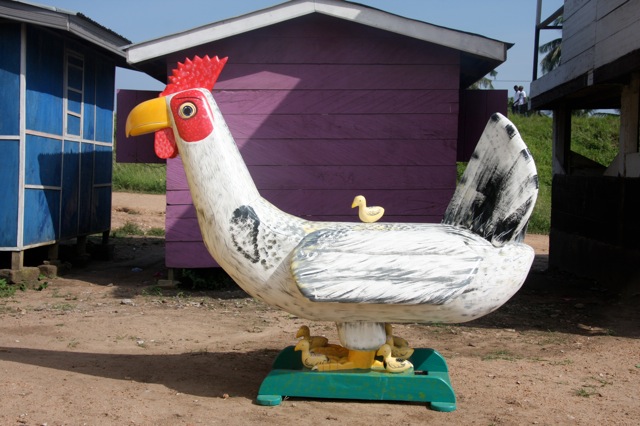 🇬🇭 Accra, GhanaFantasy coffinsAbebuu adekai
Custom hand-carved burial caskets shaped as animals, tools and symbols in southern GhanaRite of passage
🇬🇭 Accra, GhanaFantasy coffinsAbebuu adekai
Custom hand-carved burial caskets shaped as animals, tools and symbols in southern GhanaRite of passage
 🇳🇿 New ZealandWaka
Traditional Māori canoes used for fishing, transport, and ceremony, built from single logs or stitched planks.Craft
🇳🇿 New ZealandWaka
Traditional Māori canoes used for fishing, transport, and ceremony, built from single logs or stitched planks.Craft
 🇺🇸 New York, United StatesWampum
Shell beads woven into belts by Indigenous peoples of the Northeastern Woodlands for record-keeping and ceremony.Folklore
🇺🇸 New York, United StatesWampum
Shell beads woven into belts by Indigenous peoples of the Northeastern Woodlands for record-keeping and ceremony.Folklore
 🇦🇺 AustraliaBark painting
Ochre pictures on flattened tree bark, an Aboriginal art form of northern AustraliaCraft
🇦🇺 AustraliaBark painting
Ochre pictures on flattened tree bark, an Aboriginal art form of northern AustraliaCraft
 🇺🇸 United StatesTalking stick
A carved staff that shows who may speak at a Northwest Coast gatheringCeremony
🇺🇸 United StatesTalking stick
A carved staff that shows who may speak at a Northwest Coast gatheringCeremony
 🇵🇬 Maprik, Papua New GuineaHaus Tambaran
A sacred house of the Sepik peoples, used for ancestor worship and male initiationSpiritual
🇵🇬 Maprik, Papua New GuineaHaus Tambaran
A sacred house of the Sepik peoples, used for ancestor worship and male initiationSpiritual
 🇺🇦 Kyiv, Ukraine and 7 morePysankaписанка
A wax-resist egg decorating tradition kept by Slavic communities for Easter and spring renewal.Festival
🇺🇦 Kyiv, Ukraine and 7 morePysankaписанка
A wax-resist egg decorating tradition kept by Slavic communities for Easter and spring renewal.Festival
 🇰🇷 South KoreaNorigae노리개
A Korean pendant of knots and tassels, worn with hanbok and kept for luckDress
🇰🇷 South KoreaNorigae노리개
A Korean pendant of knots and tassels, worn with hanbok and kept for luckDress
 🇮🇩 Yogyakarta, IndonesiaWayangꦮꦪꦁ
A night-long puppet theatre from Java, where a dalang tells epics behind a lit screenPerformance
🇮🇩 Yogyakarta, IndonesiaWayangꦮꦪꦁ
A night-long puppet theatre from Java, where a dalang tells epics behind a lit screenPerformance
 🇲🇽 Mexico and 1 moreCalaca
Skull and skeleton figures made for the Day of the Dead, joyful rather than sadCraft
🇲🇽 Mexico and 1 moreCalaca
Skull and skeleton figures made for the Day of the Dead, joyful rather than sadCraft
 🇲🇽 Oaxaca, Mexico and 1 moreGuelaguetza
An annual Oaxacan festival of indigenous dance, music, costumes and communal sharingFestival
🇲🇽 Oaxaca, Mexico and 1 moreGuelaguetza
An annual Oaxacan festival of indigenous dance, music, costumes and communal sharingFestival
 🇬🇹 GuatemalaWorry dollMuñecas quitapenas
Hand-made dolls from highland Guatemala that children tell their worries to at nightFolklore
🇬🇹 GuatemalaWorry dollMuñecas quitapenas
Hand-made dolls from highland Guatemala that children tell their worries to at nightFolklore
 🇨🇦 Canada and 2 moreInuksuk
Stone markers raised by Inuit across the Arctic to guide, hunt and rememberCraft
🇨🇦 Canada and 2 moreInuksuk
Stone markers raised by Inuit across the Arctic to guide, hunt and rememberCraft
 🇳🇬 Nigeria and 2 moreGeleGèlè
A voluminous sculpted headwrap worn by Yoruba women for gatherings and daily lifeDress
🇳🇬 Nigeria and 2 moreGeleGèlè
A voluminous sculpted headwrap worn by Yoruba women for gatherings and daily lifeDress
 🇳🇬 Nigeria and 1 moreAso Olona
A patterned Yoruba cloth, woven with symbols and worn as a mark of rank and identityDress
🇳🇬 Nigeria and 1 moreAso Olona
A patterned Yoruba cloth, woven with symbols and worn as a mark of rank and identityDress
 🇵🇭 PhilippinesBali-og
Layered necklaces and fringed collars from the Visayas and MindanaoDress
🇵🇭 PhilippinesBali-og
Layered necklaces and fringed collars from the Visayas and MindanaoDress
 🇵🇭 PhilippinesPatadyong
A traditional Philippine wrap skirt and versatile woven cloth from the VisayasDress
🇵🇭 PhilippinesPatadyong
A traditional Philippine wrap skirt and versatile woven cloth from the VisayasDress
 🇿🇦 South AfricaIsidwaba
A knee-length leather skirt of cowhide or goatskin, worn by married Zulu womenDress
🇿🇦 South AfricaIsidwaba
A knee-length leather skirt of cowhide or goatskin, worn by married Zulu womenDress
Photo credits on this page
The small pictures above come from Wikimedia Commons under free licences. Some are cropped to fit.
- Gele: Royalesignature, CC BY-SA 4.0, source
- Pysanka: Lubap, CC BY-SA 4.0, source
- Bark painting: Unknown artist, Public domain, source
- Talking stick: Sandra Hunt, CC BY-SA 3.0, source
- Haus Tambaran: Sylt-Tinto, CC0, source
- Dreamcatcher: Jorge Barrios, Public domain, source
- Nkisi: MiddleOfAfrica, CC BY-SA 4.0, source
- Guelaguetza: A01321718, CC BY-SA 3.0, source
- Navajo weaving: Don Graham, CC BY-SA 2.0, source
- Norigae: Unknown author, Public domain, source
- Shell money: Niccolò Gualtieri, Public domain, source
- Valiha: Unknown author, Public domain, source
- Medicine wheel: U.S. Forest Service Photo, Public domain, source
- Warli painting: Omrmankar, CC BY-SA 4.0, source
- Papel picado: Ferfive, CC BY 4.0, source
- Mola: Johantheghost, CC BY-SA 3.0, source
- Fantasy coffins: Regula Tschumi, CC BY-SA 3.0 de, source
- Waka: W. Bulach, CC BY-SA 4.0, source
- Wampum: Museuvalenciaetnologia, CC BY-SA 4.0, source
- Worry doll: Leena, CC BY 3.0, source
- Inuksuk: Christina Chan, CC BY 2.0, source
- Wayang: Kevin Gessner, CC BY 2.0, source
- Calaca: Juan Carlos Fonseca Mata, CC BY-SA 4.0, source
- Isidwaba: USBSMG1, CC BY-SA 4.0, source
- Aso Olona: Oramfe, CC BY-SA 4.0, source
- Bali-og: Patrick Poculan, CC BY 2.0, source
- Patadyong: Anonymous Unknown author, Public domain, source
- Batok: Lee, CC BY 2.0, source