Home and family life
The house, the hearth, the family and the neighbourhood.
Home and family life traditions are the customs of the house, the hearth, the kitchen and the neighbourhood: removing shoes, the family meal, the household shrine, the front-door step swept each morning, the Sunday visit to the grandparents. They are often the first traditions a child learns, and the last to be lost. EveryParampara collects them from every region and notes both the old forms and the way they are changing in small flats, busy cities and families spread across the world.
The house as a sacred place
Many cultures treat the house as a living thing to be blessed, protected and kept in order. A threshold is swept, a lamp is lit at dusk, a charm hangs at the door and a new home is entered with a rite. The hearth, the stove or the kitchen is often the centre, with its own rules about who may cook and what may be burned. Even a small flat can keep a corner for these customs.
Family and neighbours
Family traditions include who eats first, how elders are greeted, how children are taught, and who looks after whom. Neighbourhoods have their own customs of sharing, visiting and helping at times of need. Across the world, the weekly family meal, the yearly reunion and the habit of staying in touch by phone or message hold households together, and EveryParampara records these small rhythms, which are rarely written down.
Written by the EveryParampara desk with AI assistance. Background on Home and family life (kind of tradition). Customs differ from place to place and family to family. If this is your tradition and we have it wrong, tell us.
 🇨🇳 China and 5 morePostpartum confinement
A period of rest, nourishment, and seclusion for mothers after giving birth.Rite of passage
🇨🇳 China and 5 morePostpartum confinement
A period of rest, nourishment, and seclusion for mothers after giving birth.Rite of passage
 🇨🇳 Puyang, ChinaFeng shui風水
The Chinese spatial practice of aligning homes and graves with natural energyFolklore
🇨🇳 ChinaGuanxi关系
A Chinese tradition of cultivating trusted networks and reciprocal obligationsEtiquette
🇨🇳 Puyang, ChinaFeng shui風水
The Chinese spatial practice of aligning homes and graves with natural energyFolklore
🇨🇳 ChinaGuanxi关系
A Chinese tradition of cultivating trusted networks and reciprocal obligationsEtiquette
 🇯🇵 JapanKadomatsu門松
A Japanese New Year gateway decoration of pine and bamboo where a visiting deity can restSeasonal
🇯🇵 JapanKadomatsu門松
A Japanese New Year gateway decoration of pine and bamboo where a visiting deity can restSeasonal
 🇯🇵 Kyoto, JapanIkebana生け花
The Japanese art of arranging cut branches and flowers in a vesselPerformance
🇯🇵 Kyoto, JapanIkebana生け花
The Japanese art of arranging cut branches and flowers in a vesselPerformance
 🇯🇵 JapanChildren's Dayこどもの日
A Japanese holiday on May fifth celebrating the happiness and growth of childrenFestival
🇯🇵 JapanChildren's Dayこどもの日
A Japanese holiday on May fifth celebrating the happiness and growth of childrenFestival
 🇯🇵 Japan and 1 moreBento弁当
A single-portion packed meal in a lidded box, carried to school, work or on a trainTable custom · Lunch
🇯🇵 Japan and 1 moreBento弁当
A single-portion packed meal in a lidded box, carried to school, work or on a trainTable custom · Lunch
 🇯🇵 Tokyo, Japan and 2 moreManeki-neko招き猫
A lucky cat figurine, paw raised, kept by shop doors and in homes across JapanFolklore
🇯🇵 Tokyo, Japan and 2 moreManeki-neko招き猫
A lucky cat figurine, paw raised, kept by shop doors and in homes across JapanFolklore
 🇯🇵 JapanYuzu bath柚子湯
A winter solstice soak in hot water with whole yuzu citrus, kept across JapanSeasonal
🇯🇵 JapanYuzu bath柚子湯
A winter solstice soak in hot water with whole yuzu citrus, kept across JapanSeasonal
 🇯🇵 Tokyo, JapanKoinobori鯉のぼり
Carp-shaped windsocks flown across Japan for Children's Day in springFestival
🇯🇵 Tokyo, JapanKoinobori鯉のぼり
Carp-shaped windsocks flown across Japan for Children's Day in springFestival
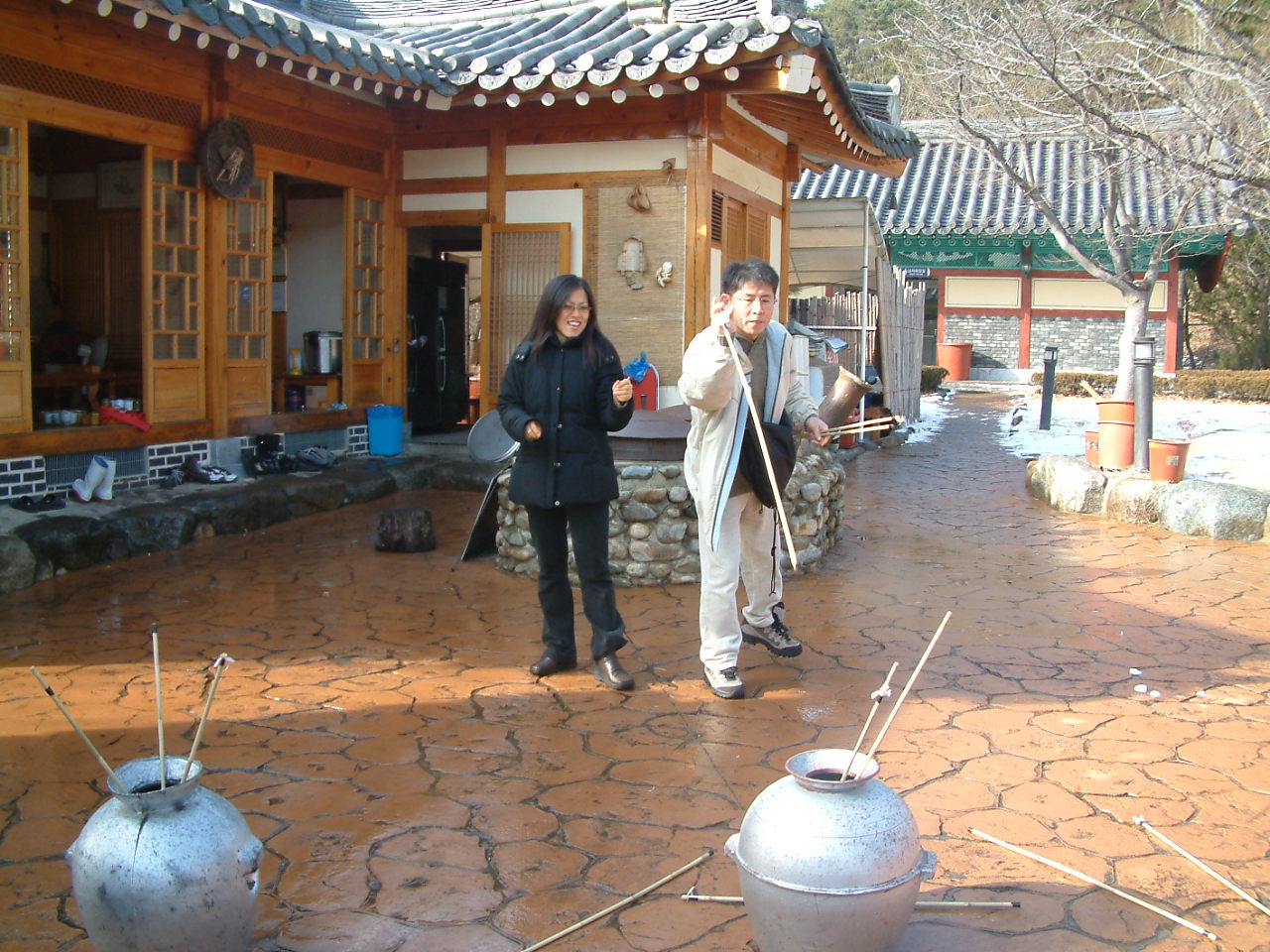 🇰🇷 South Korea and 1 moreKorean New Year설날
A three-day Korean festival celebrating the lunisolar new year with family and feastsSeasonal
🇰🇷 South Korea and 1 moreKorean New Year설날
A three-day Korean festival celebrating the lunisolar new year with family and feastsSeasonal
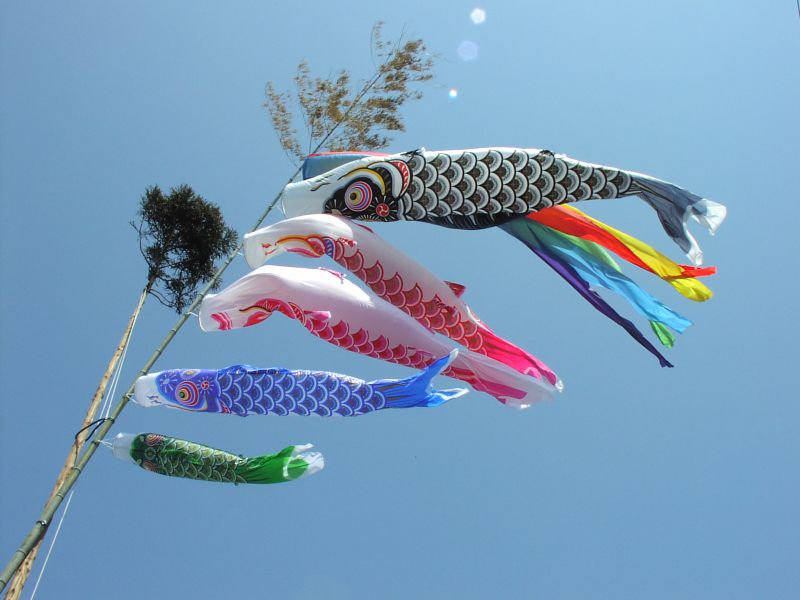 🇯🇵 JapanTango no sekku端午の節句
A Japanese seasonal festival for children marked with carp streamers and iris leaves.Festival · Sweets given and shared
🇯🇵 JapanTango no sekku端午の節句
A Japanese seasonal festival for children marked with carp streamers and iris leaves.Festival · Sweets given and shared
 🇨🇳 ChinaChinese paper cutting剪紙 / 剪纸 (jiǎnzhǐ)
Chinese cut paper pictures, pasted on windows and doors for luck at New YearCraft
🇨🇳 ChinaChinese paper cutting剪紙 / 剪纸 (jiǎnzhǐ)
Chinese cut paper pictures, pasted on windows and doors for luck at New YearCraft
 🇰🇷 Seoul, South Korea and 1 moreMarriage in Korea
Weddings in Korea, from Goryeo matchmaking to Confucian rites and modern chapel vowsRite of passage
🇰🇷 Seoul, South Korea and 1 moreMarriage in Korea
Weddings in Korea, from Goryeo matchmaking to Confucian rites and modern chapel vowsRite of passage
 🇰🇷 South Korea and 4 moreParents' Day어버이날 (Eobeoinal)
Days set aside in several countries to thank mothers and fathersFestival
🇰🇷 South Korea and 4 moreParents' Day어버이날 (Eobeoinal)
Days set aside in several countries to thank mothers and fathersFestival
 🇯🇵 Japan and 5 moreHouse
A traditional children's make-believe game of acting out domestic family rolesGame
🇯🇵 Japan and 5 moreHouse
A traditional children's make-believe game of acting out domestic family rolesGame
 🇯🇵 JapanKappōgi割烹着
A Japanese smock worn over a kimono to keep it clean while cooking and cleaningDress
🇯🇵 JapanKappōgi割烹着
A Japanese smock worn over a kimono to keep it clean while cooking and cleaningDress
 🇨🇳 Huizhou, ChinaHui-style architecture
A traditional Chinese building style of white walls, dark tiles and horse-head gablesCraft
🇨🇳 Huizhou, ChinaHui-style architecture
A traditional Chinese building style of white walls, dark tiles and horse-head gablesCraft
Photo credits on this page
The small pictures above come from Wikimedia Commons under free licences. Some are cropped to fit.
- Hui-style architecture: Huangchenhai, CC BY-SA 4.0, source
- Ikebana: Joe Mabel, CC BY-SA 3.0, source
- Yuzu bath: Nori Norisa, CC BY 2.0, source
- Children's Day: Comissão de Jovens, CC BY-SA 2.0, source
- Kadomatsu: Nesnad, CC BY 4.0, source
- Koinobori: 663highland, CC BY 2.5, source
- Korean New Year: Kang Byeong Kee, CC BY 3.0, source
- Postpartum confinement: Unknown, Public domain, source
- Feng shui: Unknown author, Public domain, source
- Tango no sekku: tiseb, CC BY 2.0, source
- Chinese paper cutting: Lanneixi, CC BY-SA 4.0, source
- Maneki-neko: Su--May, CC BY 2.0, source
- Bento: Blue Lotus, CC BY 2.0, source
- Marriage in Korea: Jérôme Banal ( Eden2004 ), CC BY-SA 3.0, source
- Parents' Day: 草花写真館, CC BY-SA 3.0, source
- Kappōgi: 賢太郎 森川, CC BY 2.0, source
- House: Alborzagros, CC BY-SA 3.0, source