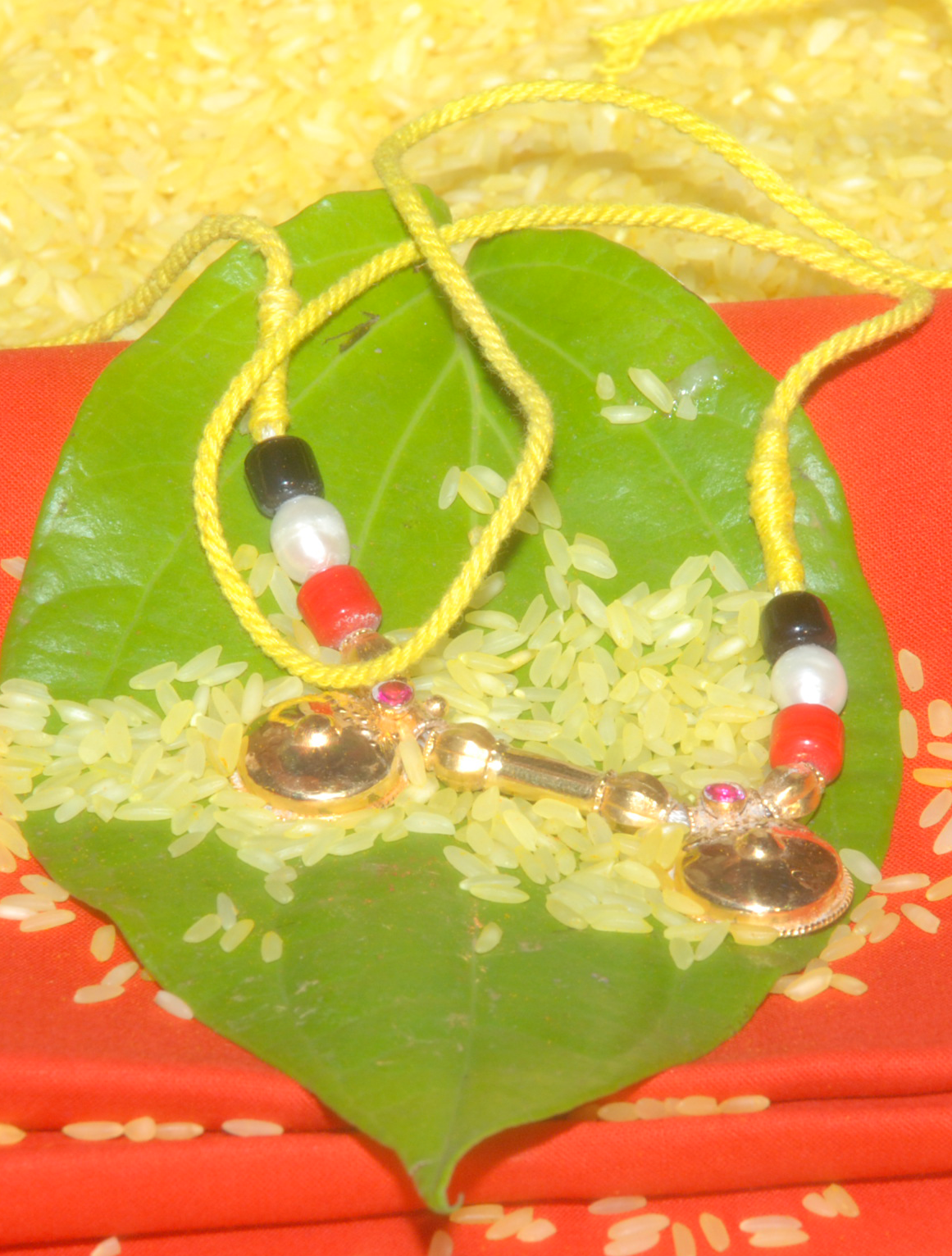
No celebration is kept in more ways than the wedding. It may last an hour or a fortnight, take place in a temple, a church, a tent or a town hall, and involve dozens of rites: a bride's henna, a groom's procession, a tea ceremony for the parents, a seven-step walk around a fire, a broken glass, a ring, a veil, a dance. Underneath the variety, the purpose is the same: two people become a couple and two families are joined, before witnesses. Here is how weddings are celebrated in many countries, what the customs mean to those who keep them and how they are changing in a connected world.
What it is for
A wedding makes a marriage public and recognised by family, faith and law. It joins two households, often with an exchange of gifts, vows and blessings. It also marks a change of status for the couple and a new stage for their parents. Many traditions treat the wedding as a sacrament or a sacred contract, and many have rules about who may marry. For the community, the wedding is the great party, an occasion of music, food and dance, and a chance for everyone to give good wishes and, often, practical help.
Common elements across cultures
Common features include a betrothal or engagement, an exchange of rings, garlands, cups or vows, a blessing by a priest, officiant or elders, a procession, a witness, a feast and music. Preparation rites for the bride and groom, such as henna, a bath, haircuts and blessings, take place on days before. Gifts of money, gold, household items or land are exchanged in many cultures. Dress is the most visible element: red in China and India, white in the West, gold in Africa and the Middle East. The wedding night and the first days of married life are also marked.
Food, dress and music
Wedding feasts are often the largest meal a family gives: biryani and sweets in South Asia, banquets of fish, noodles and soup in China, whole roast lamb in the Middle East, jollof rice in West Africa, cake in Europe. Dress is rich and symbolic, from the sari, qipao and kimono to the white gown, the suit and the kente cloth. Music is central, with drums and horns for a baraat, a band for a Western reception, folk song and group dances. A first dance, a hora and a Greek plate smashing are among the best loved.
How it is changing
Weddings are becoming more personal, mixing traditions of the two families and often those of different faiths and countries. Destination weddings, small gatherings, same-sex marriages, civil ceremonies and online guests have become common. Costs are an issue in many places, and some governments and communities have asked for simpler celebrations. At the same time, many couples are choosing to bring back old crafts, such as handwoven cloth, family jewellery and traditional music, wanting a wedding that feels rooted. The core remains: vows made before the people they love.
Weddings around the world
🇮🇳 India
A Hindu wedding may include a sangeet, a mehndi night, a baraat procession with the groom on a horse, and the saptapadi, seven steps around the sacred fire. The bride wears red or another rich colour, with gold and a mangalsutra.
Read: Hindu wedding🇵🇰 Pakistan
The nikah is the Muslim contract, followed by the mehndi, the barat, and the valima feast hosted by the groom's family. Brides wear red or gold gharara or lehenga and heavy jewellery.
Read: Pakistani wedding🇨🇳 China
The bride wears red, a tea ceremony shows respect to parents, and guests give money in red envelopes at the banquet. The date is chosen by an almanac, and there are door-games where the groom must win entry.
Read: Traditional Chinese marriage🇯🇵 Japan
A Shinto wedding has a bride in a white kimono, shiromuku, a sharing of sake in the san-san-kudo ritual and a banquet. Many couples also hold a Western-style ceremony.
Marriage in Japan, being written🇰🇷 Korea
The traditional pyebaek ceremony has the bride bow to the groom's parents, who throw dates and chestnuts into her skirt, wishing her many children. The couple wear hanbok.
Read: Marriage in Korea🇵🇭 Philippines
Weddings include sponsors, ninongs and ninangs, a cord and a veil binding the couple, coins given to the bride and the money dance. A wedding feast of lechon is typical.
Read: Filipino wedding customsCompare all 20 places
Traditions to start with
Also part of it, and being written: Jewish wedding (The chuppah and broken glass.), Henna (Mehndi for brides.), Wedding (The general practice.).
Questions people ask
Why is the bride's dress white in the West?
White became fashionable after Queen Victoria wore it at her wedding in 1840. Before then brides wore their best dress in any colour, and in many cultures red or gold remains the choice.
What is a baraat?
A lively procession of the groom and his family to the wedding venue, with music, dancing and often a horse, common in North Indian and Pakistani weddings.
Why are weddings so long in some cultures?
Because the events include several families and many rites over days, from engagement and henna to the ceremony and homecoming. Each one has its own meaning and its own celebration.
What does a guest wear?
Dress smartly and follow the cultural or religious guidance. Avoid white at a Western wedding, black at some Asian ones, and cover shoulders and head in many places of worship.
Are arranged marriages still common?
In many countries families still take part in finding a partner, but most couples today have a say in the choice, and matchmaking sites and events have joined older methods.
About this pageWritten by the EveryParampara desk with AI assistance. Customs differ from place to place and family to family. If this is your tradition and we have it wrong, tell us.