🇮🇳 India
Holi celebrates the arrival of spring on the full moon of Phalguna with bonfires the night before, then coloured powder, water and sweets. It also recalls the story of Prahlad and Holika.
Read: HoliWhen the days lengthen and the ground softens, people around the world celebrate.
Presented by ClearTrust Free for the curious, the homesick and the hosts.
When the days lengthen and the ground softens, people around the world celebrate. Spring festivals welcome the return of green, flowers, light and the farming year, and they are among the most colourful of all. Holi throws powders of every colour, Nowruz sets a table with sprouts, Easter brings eggs and lilies, Hanami gathers friends under cherry blossom, May Day crowns a queen and dances around a pole, Songkran splashes water. Each has its own story, but all are about new life. Here is how different cultures greet the spring and what the customs mean to those who keep them.
Spring marks the end of the cold, the return of growth and the start of sowing, and festivals ask for fertility and a good year. The mood is playful, as people have long stored up energy through winter and enjoy letting it out. Many spring festivals are also times for cleansing and forgiveness, as in Holi and Easter, and for renewal of promises and friendships. They remind people of nature's cycle and of their place in it, and offer a chance to be outdoors together again after the long indoor season.
Flowers, green branches and sprouted grain decorate houses and towns. Fires and water play a role: bonfires to burn winter, water to cleanse and bless. Eggs, seeds and young animals symbolise new life, and people clean their homes, put on new clothes and visit family. Public gatherings include processions, dances around a pole or fire, and games. Many cultures hold a market of seedlings or a plant exchange, and farmers bless the fields. Dates are often tied to the equinox or the first full moon after it.
Spring foods are fresh: sprouts, young greens, herbs, lamb, eggs, honey, new dairy and sweets such as gujiya, hot cross buns and simnel cake. Dress is light and bright: white at Holi, new clothes for Nowruz, floral wreaths for May Day and kimono for hanami picnics. Music is lively, with folk songs of the season, drums and pipes. Dance is common, from the maypole and the Morris dance of England to the Holi folk songs of Braj and the stick dances of the Balkans.
Holi and Easter egg hunts have spread far beyond their original homes, and cherry blossom forecasts are followed by millions. Climate change has shifted the timing of blossoms and plantings, and some festivals now keep an eye on the weather as much as the calendar. Cities organise parades, flower shows and markets, and many families keep the home customs of cleaning and cooking. Spring remains a gentle and hopeful festival time, with interest in local food and gardening growing across the world.
Holi celebrates the arrival of spring on the full moon of Phalguna with bonfires the night before, then coloured powder, water and sweets. It also recalls the story of Prahlad and Holika.
Read: HoliFagu Purnima is celebrated with colours in the hills, and the Bisket Jatra in Bhaktapur marks the Nepali new year in April with a chariot procession and the raising of a pole. Water balloons and coloured powder are thrown, and sweets are shared on the streets.
Read: Biska JatraNowruz has the haft-sin table set with sprouted wheat, sumac, garlic, apples, vinegar, coins and a hyacinth, and Persian families jump over a fire at Chaharshanbe Suri, saying "give me your red, take my yellow". On the thirteenth day of Nowruz, families spend the day outdoors and throw their sprouts into running water.
Read: Haft-sinHanami, flower viewing, sees friends and families picnic beneath the cherry blossoms in March and April, and parks fill with blue tarpaulins, food and sake. The brief blossom reminds people of the fleeting nature of life.
Read: HanamiThe Qingming Festival combines tomb sweeping with outings in the new spring, kite flying and eating green rice dumplings. The Lantern Festival ends the new year.
Read: Qingming FestivalCherry blossom festivals in Jinhae, azalea flower pancakes, hwajeon, on the third day of the third lunar month and kite flying on Lunar New Year are among the spring traditions. People in Seoul also gather in the parks of Yeouido to view cherry blossoms along the Han River.
Jinhae Gunhangje Festival, being writtenAn egg contains new life and has been a symbol of rebirth in many cultures, from ancient Persia to Christian Easter. Eggs are painted, hidden, cracked and eaten at spring festivals.
Colours celebrate spring's flowers, the playful love of Krishna and Radha and the joy of equality, as everyone is coloured alike. The festival is also a time to forgive.
The Persian new year table with seven items beginning with the letter sin, such as sprouts, apples and garlic, each symbolising an aspect of life like health, beauty or patience.
Only in the northern hemisphere, and the date depends on the calendar. In the southern hemisphere, spring starts in September, and in the tropics the seasons follow rains rather than temperature.
A tall pole, decorated with flowers and ribbons, around which dancers weave in a pattern on May Day. It is a custom found in many parts of Europe.
Written by the EveryParampara desk with AI assistance. Customs differ from place to place and family to family. If this is your tradition and we have it wrong, tell us.
The traditions written up so far, best known first.
 🇰🇷 Jeju, South KoreaGut굿
Sacred rites of song, dance, and spirit communion performed by Korean shamansSpiritual
🇰🇷 Jeju, South KoreaGut굿
Sacred rites of song, dance, and spirit communion performed by Korean shamansSpiritual
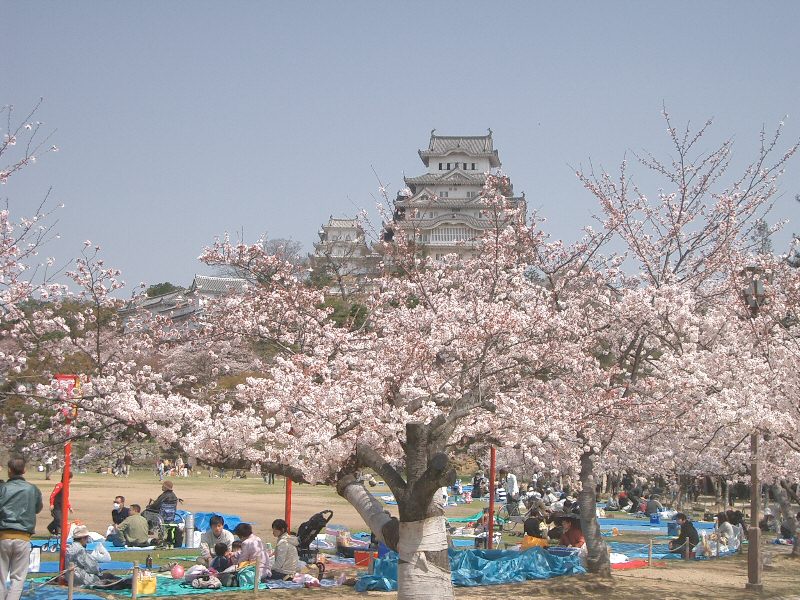 🇯🇵 Kyoto, Japan and 4 moreHanami花見
A Japanese spring custom of gathering under blooming cherry trees to eat, drink, and celebrate the fleeting beauty of thFestival · Lunch
🇯🇵 Kyoto, Japan and 4 moreHanami花見
A Japanese spring custom of gathering under blooming cherry trees to eat, drink, and celebrate the fleeting beauty of thFestival · Lunch
 🇨🇳 China and 5 moreQingming Festival清明节
A spring custom of sweeping family graves and honouring ancestors across East Asia.Spiritual
🇨🇳 China and 5 moreQingming Festival清明节
A spring custom of sweeping family graves and honouring ancestors across East Asia.Spiritual
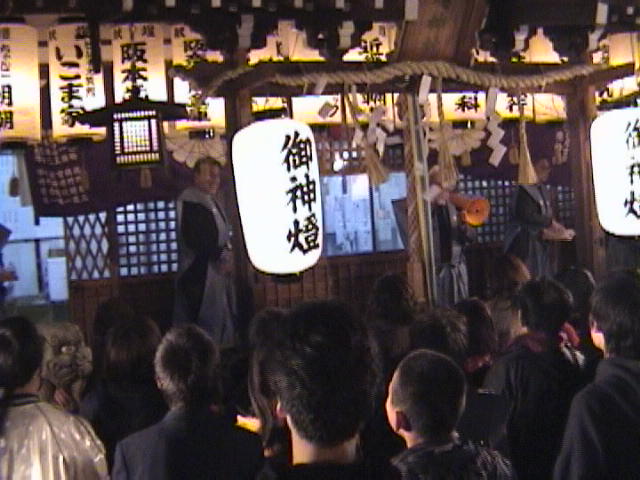 🇯🇵 Tokyo, JapanSetsubun節分
A Japanese ritual of throwing roasted soybeans to banish evil spirits and welcome spring.Festival · Feasts and festival meals
🇯🇵 Tokyo, JapanSetsubun節分
A Japanese ritual of throwing roasted soybeans to banish evil spirits and welcome spring.Festival · Feasts and festival meals
 🇯🇵 JapanChildren's Dayこどもの日
A Japanese holiday on May fifth celebrating the happiness and growth of childrenFestival
🇯🇵 JapanChildren's Dayこどもの日
A Japanese holiday on May fifth celebrating the happiness and growth of childrenFestival
 🇰🇵 Pyongyang, North KoreaDay of the Sun태양절
North Korea's principal holiday, marking the birth anniversary of Kim Il SungCeremony
🇰🇵 Pyongyang, North KoreaDay of the Sun태양절
North Korea's principal holiday, marking the birth anniversary of Kim Il SungCeremony
 🇲🇳 Mongolia and 2 moreTsagaan SarЦагаан сар
The Mongolian Lunar New Year festival of peace, elders, white foods and renewalSeasonal · Feasts and festival meals
🇲🇳 Mongolia and 2 moreTsagaan SarЦагаан сар
The Mongolian Lunar New Year festival of peace, elders, white foods and renewalSeasonal · Feasts and festival meals
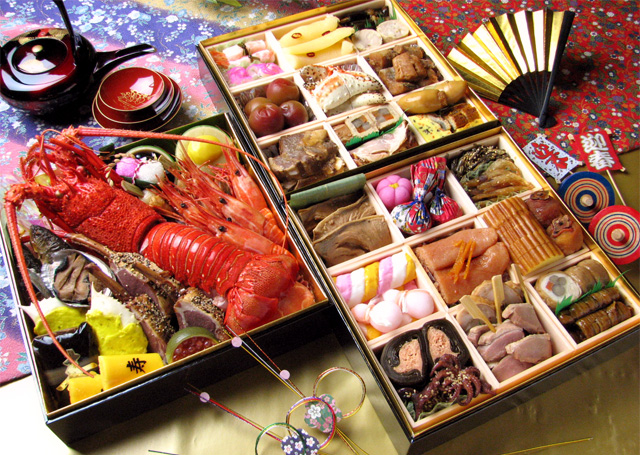 🇯🇵 Tokyo, JapanJapanese New Year正月
An annual celebration of renewal, seasonal foods, and bell ringing across JapanSeasonal · Feasts and festival meals
🇯🇵 Tokyo, JapanJapanese New Year正月
An annual celebration of renewal, seasonal foods, and bell ringing across JapanSeasonal · Feasts and festival meals
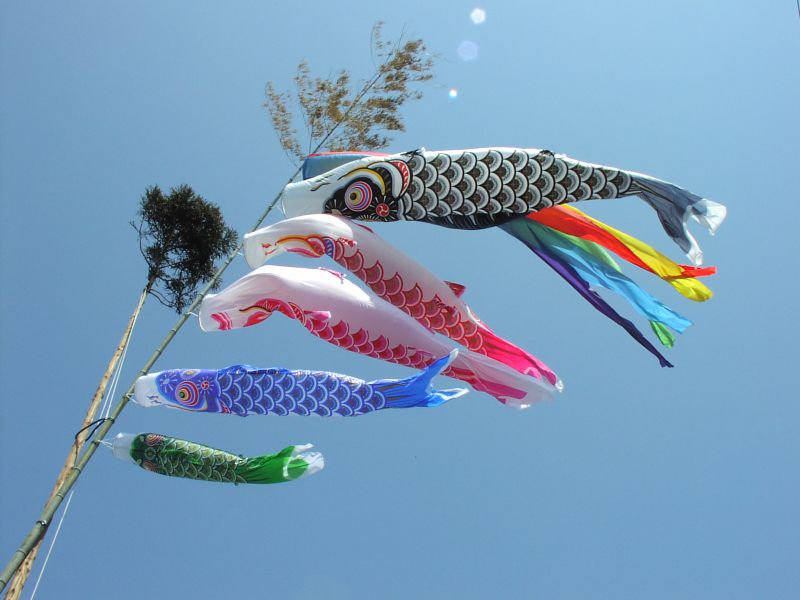 🇯🇵 JapanTango no sekku端午の節句
A Japanese seasonal festival for children marked with carp streamers and iris leaves.Festival · Sweets given and shared
🇯🇵 JapanTango no sekku端午の節句
A Japanese seasonal festival for children marked with carp streamers and iris leaves.Festival · Sweets given and shared
 🇨🇳 Hong Kong, China and 5 moreLunar New Year
New year festivals dated by the moon, kept from East Asia to the Middle EastFestival
🇨🇳 Hong Kong, China and 5 moreLunar New Year
New year festivals dated by the moon, kept from East Asia to the Middle EastFestival
 🇯🇵 Kyoto, JapanAoi Matsuri葵祭
A classical Kyoto festival with an imperial procession and ancient shrine ritualsFestival
🇯🇵 Kyoto, JapanAoi Matsuri葵祭
A classical Kyoto festival with an imperial procession and ancient shrine ritualsFestival
 🇯🇵 Tokyo, JapanKoinobori鯉のぼり
Carp-shaped windsocks flown across Japan for Children's Day in springFestival
🇯🇵 Tokyo, JapanKoinobori鯉のぼり
Carp-shaped windsocks flown across Japan for Children's Day in springFestival
 🇨🇳 Dali, ChinaThird Month Fair三月街
A mountain-foot bazaar, festival, and sports gathering among the Bai in YunnanFestival
🇨🇳 Dali, ChinaThird Month Fair三月街
A mountain-foot bazaar, festival, and sports gathering among the Bai in YunnanFestival
 🇯🇵 Takayama, JapanTakayama Festival高山祭
Twin seasonal shrine festivals in Japan famed for elaborate lantern-lit floatsFestival
🇯🇵 Takayama, JapanTakayama Festival高山祭
Twin seasonal shrine festivals in Japan famed for elaborate lantern-lit floatsFestival
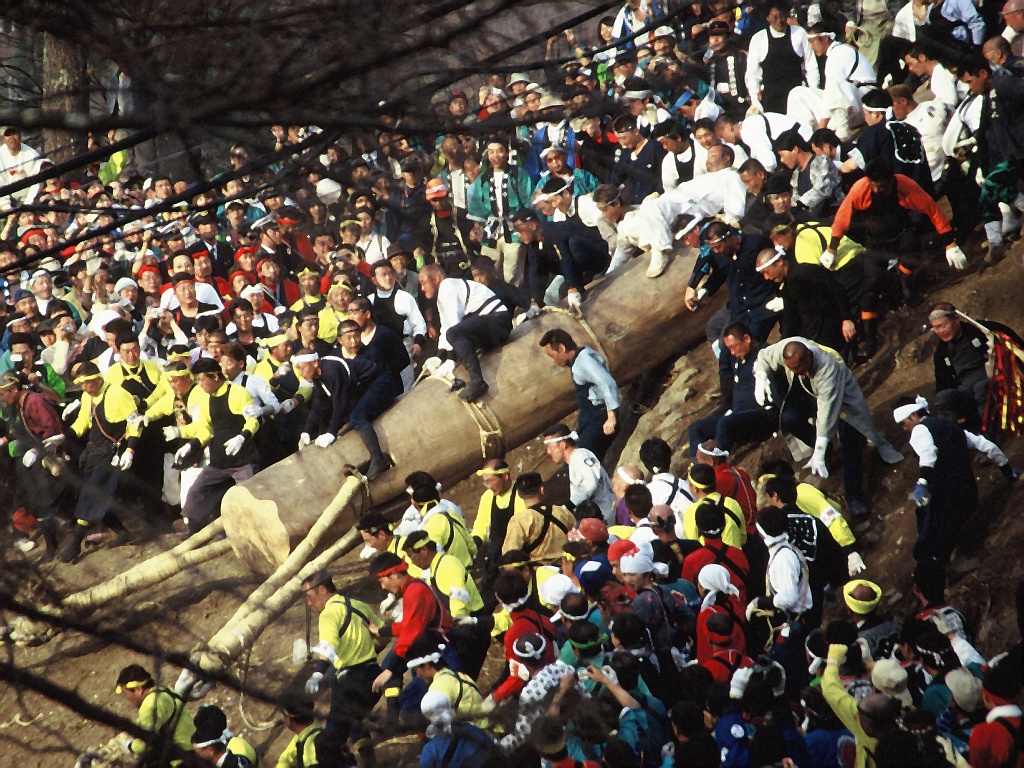 🇯🇵 Suwa, JapanOnbashira Festival式年造営御柱大祭
A rite in Nagano where massive fir logs are dragged down mountains and raised at shrinesSpiritual
🇯🇵 Suwa, JapanOnbashira Festival式年造営御柱大祭
A rite in Nagano where massive fir logs are dragged down mountains and raised at shrinesSpiritual
 🇯🇵 JapanHigan彼岸
A Japanese Buddhist week of reflection and ancestor remembrance at the equinoxesSpiritual
🇯🇵 JapanHigan彼岸
A Japanese Buddhist week of reflection and ancestor remembrance at the equinoxesSpiritual
The small pictures above come from Wikimedia Commons under free licences. Some are cropped to fit.
Every week: one tradition from somewhere new, what is being celebrated around the world this week, and one idea explained.


