Spiritual and religious
Rites, prayers, pilgrimages, fasts and sacred days.
Spiritual and religious traditions are the rites that people keep to connect with the sacred: prayers, pilgrimages, fasts, blessings, holy days and the ceremonies of temples, churches, mosques, synagogues and shrines. They are among the oldest traditions in the world and often the most deeply felt. Here they are described as those who keep them would describe them, with care for what is sacred, and without ranking one faith above another. Browse by country, faith or season to see how the same human need is met in many ways.
Worship in daily life
For many people, the spiritual life is lived at home and in small acts: a morning prayer, a lit lamp, grace before a meal, a head covered or shoes removed at a door. Shrines in the kitchen, a prayer mat, a mezuzah on the doorpost and a rosary in the pocket all belong here. The big public rites rest on this quiet daily practice, and it is often a grandmother or a parent who teaches it, by doing it every day without comment.
Sacred time and place
Every faith marks sacred time: a weekly day of rest or prayer, a month of fasting, a festival of light, a season of penitence. Each also marks sacred places, from a river bank to a mountain, a cathedral to a village shrine. Pilgrims travel to them, and the journey itself is part of the rite. Calendars differ, some tied to the moon, others to the sun, so the dates move from year to year and are listed on the EveryParampara calendar.
Meeting across faiths
People of different faiths live side by side, and many traditions overlap or borrow. Neighbours share each other's festival sweets, attend each other's weddings and join in public celebrations such as Christmas markets or Diwali fairs. EveryParampara writes about each tradition on its own terms and cites the people who keep it. Where beliefs are contested, the page says so, and sacred matters are treated with respect.
Written by the EveryParampara desk with AI assistance. Background on Spiritual and religious (kind of tradition). Customs differ from place to place and family to family. If this is your tradition and we have it wrong, tell us.
 🇮🇳 Tiruvannamalai, IndiaGirivalam
A barefoot walk of about 14 km around Arunachala hill, most of all on full moon nightsSpiritual
🇮🇳 Tiruvannamalai, IndiaGirivalam
A barefoot walk of about 14 km around Arunachala hill, most of all on full moon nightsSpiritual
 🇦🇫 Kabul, Afghanistan and 1 moreBurqa
A garment covering the body and face, worn by some Muslim womenDress
🇦🇫 Kabul, Afghanistan and 1 moreBurqa
A garment covering the body and face, worn by some Muslim womenDress
 🇳🇵 NepalMha Pujaम्हपुजा
A Newar New Year ritual of self-worship, mandalas and renewal in NepalSpiritual · Feasts and festival meals
🇳🇵 NepalMha Pujaम्हपुजा
A Newar New Year ritual of self-worship, mandalas and renewal in NepalSpiritual · Feasts and festival meals
 🇮🇳 Madurai, IndiaMeenakshi TirukalyanamChithirai Thiruvizha
A two-week festival in Madurai celebrating the divine wedding of Meenakshi and Shiva.Festival
🇮🇳 Madurai, IndiaMeenakshi TirukalyanamChithirai Thiruvizha
A two-week festival in Madurai celebrating the divine wedding of Meenakshi and Shiva.Festival
 🇧🇩 BangladeshEid prayersصلاة العيد
The yearly festival prayer of the two Eids, offered in the morning by MuslimsSpiritual
🇧🇩 BangladeshEid prayersصلاة العيد
The yearly festival prayer of the two Eids, offered in the morning by MuslimsSpiritual
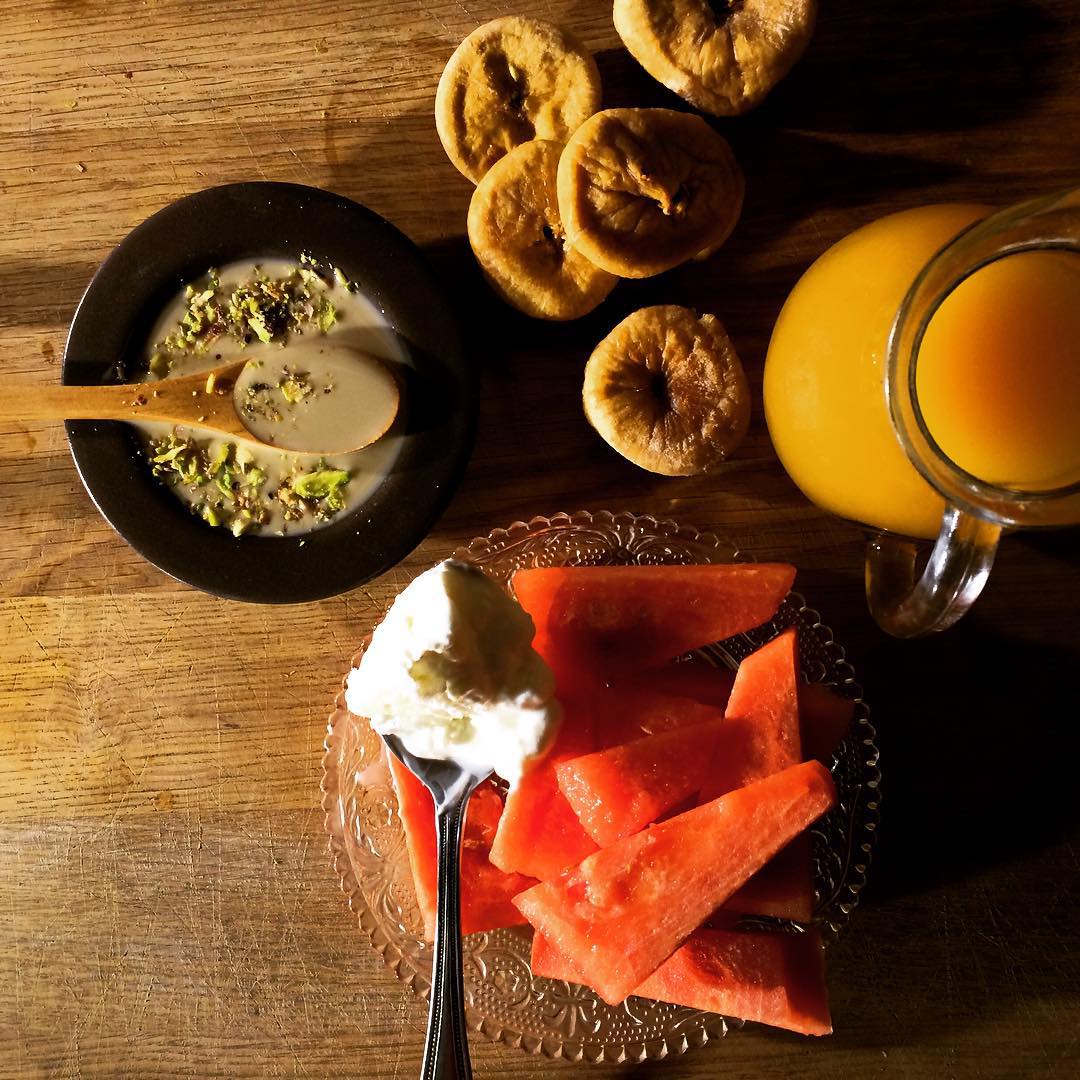 🇧🇩 Dhaka, Bangladesh and 5 moreSuhurسحور
The pre-dawn meal Muslims eat before a day of fasting in RamadanTable custom · Breakfast
🇧🇩 Dhaka, Bangladesh and 5 moreSuhurسحور
The pre-dawn meal Muslims eat before a day of fasting in RamadanTable custom · Breakfast
 🇮🇳 IndiaSattriya
A classical dance from Assam, kept in monasteries and performed on stages worldwidePerformance
🇮🇳 IndiaSattriya
A classical dance from Assam, kept in monasteries and performed on stages worldwidePerformance
 🇮🇳 India and 1 moreRangoliरंगोली
Floor patterns of rice flour, sand or petals, drawn at the doorstep for festivalsCraft
🇮🇳 India and 1 moreRangoliरंगोली
Floor patterns of rice flour, sand or petals, drawn at the doorstep for festivalsCraft
 🇮🇳 India and 2 moreRudrakshaरुद्राक्ष
Seeds of the Elaeocarpus tree, worn as prayer beads by devotees of ShivaSpiritual
🇮🇳 India and 2 moreRudrakshaरुद्राक्ष
Seeds of the Elaeocarpus tree, worn as prayer beads by devotees of ShivaSpiritual
 🇮🇳 Nadia, IndiaDhunachi
A Bengali incense burner, swung in worship and danced with at Durga PujaSpiritual
🇮🇳 Nadia, IndiaDhunachi
A Bengali incense burner, swung in worship and danced with at Durga PujaSpiritual
 🇮🇳 Lucknow, India and 1 moreKathak
A north Indian classical dance of stories, footwork and spins, from temples and courtsPerformance
🇮🇳 Lucknow, India and 1 moreKathak
A north Indian classical dance of stories, footwork and spins, from temples and courtsPerformance
 🇮🇳 India and 5 moreKolamகோலம்
A rice-flour floor drawing made at South Indian doorsteps before sunriseCraft
🇮🇳 India and 5 moreKolamகோலம்
A rice-flour floor drawing made at South Indian doorsteps before sunriseCraft
 🇮🇳 Puri, IndiaOdissiଓଡ଼ିଶୀ
A classical dance of Odisha, told through bends, gestures and sung poetryPerformance
🇮🇳 Puri, IndiaOdissiଓଡ଼ିଶୀ
A classical dance of Odisha, told through bends, gestures and sung poetryPerformance
 🇮🇳 Trivandrum, IndiaKathakaliകഥകളി
A classical dance-drama from Kerala featuring elaborate makeup and costumes to tell epic stories.Performance
🇮🇳 Trivandrum, IndiaKathakaliകഥകളി
A classical dance-drama from Kerala featuring elaborate makeup and costumes to tell epic stories.Performance
 🇮🇳 India and 5 moreBindi
A dot worn between the eyebrows, red for marriage and devotion, worn daily by many womenDress
🇮🇳 India and 5 moreBindi
A dot worn between the eyebrows, red for marriage and devotion, worn daily by many womenDress
 🇮🇳 Palani, India and 5 moreKavadi Aattamகாவடி ஆட்டம்
Tamil devotees of Murugan carry burdens as a vow during ThaipusamSpiritual
🇮🇳 Palani, India and 5 moreKavadi Aattamகாவடி ஆட்டம்
Tamil devotees of Murugan carry burdens as a vow during ThaipusamSpiritual
 🇮🇳 Udupi, IndiaYakshaganaಯಕ್ಷಗಾನ (Kannada)
A night-long dance-drama from coastal Karnataka, with sung dialogue and drummingPerformance
🇮🇳 Udupi, IndiaYakshaganaಯಕ್ಷಗಾನ (Kannada)
A night-long dance-drama from coastal Karnataka, with sung dialogue and drummingPerformance
 🇮🇳 Imphal, India and 1 moreManipuri danceJagoi Raas, Raas Jagoi
A classical dance from Manipur, danced as an offering to Radha and KrishnaPerformance
🇮🇳 Imphal, India and 1 moreManipuri danceJagoi Raas, Raas Jagoi
A classical dance from Manipur, danced as an offering to Radha and KrishnaPerformance
 🇮🇳 India and 4 moreSindoorसिंदूर
A red powder worn in the hair parting by many married Hindu womenDress
🇮🇳 India and 4 moreSindoorसिंदूर
A red powder worn in the hair parting by many married Hindu womenDress
 🇮🇳 IndiaMohiniyattam
A gentle solo dance from Kerala, once a temple art and now taught in dance schoolsPerformance
🇮🇳 IndiaMohiniyattam
A gentle solo dance from Kerala, once a temple art and now taught in dance schoolsPerformance
 🇮🇳 India and 3 moreBhajanभजनम् (bhajanam)
Devotional songs of South Asia, sung alone or together with drums and cymbalsPerformance
🇮🇳 India and 3 moreBhajanभजनम् (bhajanam)
Devotional songs of South Asia, sung alone or together with drums and cymbalsPerformance
 🇮🇳 Kuchipudi, IndiaKuchipudi
A classical dance-drama from Andhra Pradesh, with roots in temple and bhakti performance.Performance
🇮🇳 Kuchipudi, IndiaKuchipudi
A classical dance-drama from Andhra Pradesh, with roots in temple and bhakti performance.Performance
 🇮🇳 Delhi, IndiaLingamliṅga
The pillar-shaped image of Shiva, kept in temples and home shrinesSpiritual
🇮🇳 Delhi, IndiaLingamliṅga
The pillar-shaped image of Shiva, kept in temples and home shrinesSpiritual
 🇮🇳 IndiaAhimsaअहिंसा
A daily Indian discipline of doing no harm, in deed, word and thoughtSpiritual
🇮🇳 IndiaAhimsaअहिंसा
A daily Indian discipline of doing no harm, in deed, word and thoughtSpiritual
 🇮🇳 Varanasi, IndiaHanuman Chalisaहनुमान चालीसा
A forty-stanza Awadhi hymn praising Hanuman, said by Hindus each daySpiritual
🇮🇳 Varanasi, IndiaHanuman Chalisaहनुमान चालीसा
A forty-stanza Awadhi hymn praising Hanuman, said by Hindus each daySpiritual
 🇮🇳 India and 2 morePujaपूजा (pūjā)
Hindu worship: light, flowers and food offered to a deity or a guestSpiritual
🇮🇳 India and 2 morePujaपूजा (pūjā)
Hindu worship: light, flowers and food offered to a deity or a guestSpiritual
 🇮🇳 Palani, IndiaPanchamritaपञ्चामृत (Sanskrit); பஞ்சாமிர்தம் (Tamil)
Five sacred foods mixed and poured over temple images in Hindu and Jain worshipSpiritual · Sweets given and shared
🇮🇳 Palani, IndiaPanchamritaपञ्चामृत (Sanskrit); பஞ்சாமிர்தம் (Tamil)
Five sacred foods mixed and poured over temple images in Hindu and Jain worshipSpiritual · Sweets given and shared
 🇮🇳 India and 2 moreKoothu
Tamil street theatre with dance, music and epic stories, staged at temple festivals.Performance
🇮🇳 India and 2 moreKoothu
Tamil street theatre with dance, music and epic stories, staged at temple festivals.Performance
 🇧🇩 BangladeshNight of Powerليلة القدر
The night Muslims believe the Quran first came down, sought in Ramadan's last ten nightsSpiritual
🇧🇩 BangladeshNight of Powerليلة القدر
The night Muslims believe the Quran first came down, sought in Ramadan's last ten nightsSpiritual
 🇮🇳 India and 5 moreNativity of Mary
A Christian feast day honouring the birth of Mary, the mother of JesusSpiritual · Lunch
🇮🇳 India and 5 moreNativity of Mary
A Christian feast day honouring the birth of Mary, the mother of JesusSpiritual · Lunch
 🇮🇳 India and 1 moreYajnaयज्ञ
A Hindu ritual of offering items into a sacred fire to honor deities and ancestors.Spiritual
🇮🇳 India and 1 moreYajnaयज्ञ
A Hindu ritual of offering items into a sacred fire to honor deities and ancestors.Spiritual
 🇮🇳 IndiaSvayamvaraस्वयंवर
An ancient Indian noble assembly where a bride chose her husband among suitorsRite of passage
🇮🇳 IndiaSvayamvaraस्वयंवर
An ancient Indian noble assembly where a bride chose her husband among suitorsRite of passage
 🇮🇳 Madurai, India and 4 morePuthanduபுத்தாண்டு (Puttāṇṭu)
The first day of the Tamil solar calendar, celebrated by Tamils with family feasts and auspicious trays.Festival · Feasts and festival meals
🇮🇳 Madurai, India and 4 morePuthanduபுத்தாண்டு (Puttāṇṭu)
The first day of the Tamil solar calendar, celebrated by Tamils with family feasts and auspicious trays.Festival · Feasts and festival meals
 🇮🇳 Varanasi, IndiaHead shaving in Hinduism
Ritual tonsure for spiritual renewal, life transitions, and devotion in HinduismSpiritual
🇮🇳 Varanasi, IndiaHead shaving in Hinduism
Ritual tonsure for spiritual renewal, life transitions, and devotion in HinduismSpiritual
 🇮🇳 Chandigarh, India and 3 moreGuru Nanak Gurpurabਗੁਰੂ ਨਾਨਕ ਗੁਰਪੁਰਬ
The birth anniversary of Guru Nanak, kept with processions, hymns and a shared mealSpiritual
🇮🇳 Chandigarh, India and 3 moreGuru Nanak Gurpurabਗੁਰੂ ਨਾਨਕ ਗੁਰਪੁਰਬ
The birth anniversary of Guru Nanak, kept with processions, hymns and a shared mealSpiritual
 🇮🇳 IndiaMonlam Prayer Festival
A Tibetan Buddhist festival of mass prayers, sacred dances and ritual offeringsSpiritual
🇮🇳 IndiaMonlam Prayer Festival
A Tibetan Buddhist festival of mass prayers, sacred dances and ritual offeringsSpiritual
 🇮🇳 IndiaPumsavanaपुंसवन (Puṁsavana)
A Hindu rite of passage held in the third or fourth month of pregnancy to celebrate fetal development.Rite of passage
🇮🇳 IndiaPumsavanaपुंसवन (Puṁsavana)
A Hindu rite of passage held in the third or fourth month of pregnancy to celebrate fetal development.Rite of passage
 🇮🇳 IndiaGuru-shishya traditionपरम्परा
The lineage system passing spiritual and artistic knowledge from master to discipleSpiritual
🇮🇳 IndiaGuru-shishya traditionपरम्परा
The lineage system passing spiritual and artistic knowledge from master to discipleSpiritual
 🇮🇳 India and 1 moreJur Sitalजुड़ शीतल
The first day of the Maithil year, kept with a rice meal, gifts and water blessingsSeasonal · Feasts and festival meals
🇮🇳 India and 1 moreJur Sitalजुड़ शीतल
The first day of the Maithil year, kept with a rice meal, gifts and water blessingsSeasonal · Feasts and festival meals
 🇮🇳 Muhamma, India and 5 moreAkhiri Chahar Shambah
A day of bathing, prayer and charity on the last Wednesday of SafarSpiritual
🇮🇳 Muhamma, India and 5 moreAkhiri Chahar Shambah
A day of bathing, prayer and charity on the last Wednesday of SafarSpiritual
 🇮🇳 Imphal, India and 2 moreLai Haraobaꯂꯥꯏ ꯍꯔꯥꯎꯕ
A ritual dance and music festival kept by the Meitei people to please their deities.Festival
🇮🇳 Imphal, India and 2 moreLai Haraobaꯂꯥꯏ ꯍꯔꯥꯎꯕ
A ritual dance and music festival kept by the Meitei people to please their deities.Festival
 🇮🇳 IndiaNirjala Ekadashiनिर्जला एकादशी
A rigorous, waterless Hindu fast observed in early summer to honour the god Vishnu.Spiritual · Fasting and breaking the fast
🇮🇳 IndiaNirjala Ekadashiनिर्जला एकादशी
A rigorous, waterless Hindu fast observed in early summer to honour the god Vishnu.Spiritual · Fasting and breaking the fast
 🇮🇳 Thrissur, IndiaPooram
An annual Kerala temple festival with percussion orchestras, elephants and fireworksFestival
🇮🇳 IndiaVidyarambhamविद्यारम्भ
A Hindu rite of passage introducing young children to reading, writing and the artsRite of passage
🇮🇳 Thrissur, IndiaPooram
An annual Kerala temple festival with percussion orchestras, elephants and fireworksFestival
🇮🇳 IndiaVidyarambhamविद्यारम्भ
A Hindu rite of passage introducing young children to reading, writing and the artsRite of passage
 🇮🇳 India and 5 moreRemoval of footwear indoors
The widespread custom of leaving outdoor shoes at the door for cleanliness and respectEtiquette
🇮🇳 IndiaRitu Kala SamskaramRitushuddhi
A South Indian Hindu coming-of-age ceremony for girls after their first period.Rite of passage
🇮🇳 India and 5 moreRemoval of footwear indoors
The widespread custom of leaving outdoor shoes at the door for cleanliness and respectEtiquette
🇮🇳 IndiaRitu Kala SamskaramRitushuddhi
A South Indian Hindu coming-of-age ceremony for girls after their first period.Rite of passage
 🇮🇳 India and 5 moreFirst haircut
A rite of passage marking a child's first shave or trim across many cultures and faiths.Rite of passage
🇮🇳 India and 5 moreFirst haircut
A rite of passage marking a child's first shave or trim across many cultures and faiths.Rite of passage
 🇮🇳 IndiaPushpanjaliपुष्पाञ्जलि
A Hindu ritual of offering flowers with cupped hands, used in worship and as an opening dance.Spiritual
🇮🇳 IndiaPushpanjaliपुष्पाञ्जलि
A Hindu ritual of offering flowers with cupped hands, used in worship and as an opening dance.Spiritual
Photo credits on this page
The small pictures above come from Wikimedia Commons under free licences. Some are cropped to fit.
- Pushpanjali: Yosarian, CC BY-SA 3.0, source
- Raslila: https://www.flickr.com/photos/matsukin/, CC BY 2.0, source
- Guru-shishya tradition: Unknown author, Public domain, source
- Rangoli: SreeramKalyan, CC0, source
- Girivalam: Sakthiprasanna, CC BY-SA 4.0, source
- Rudraksha: Merasmita, CC BY-SA 4.0, source
- Eid prayers: Azimronnie, CC BY-SA 4.0, source
- Suhur: Hussein Alazaat, CC BY 2.0, source
- Kathak: Shinjinikulkarni, CC BY 4.0, source
- Dhunachi: Amitbsws, CC BY-SA 4.0, source
- Kolam: mckaysavage, CC BY 2.0, source
- Odissi: Melolagnia28192, CC BY-SA 4.0, source
- Kathakali: Paul Varuni, CC BY 2.0, source
- Bindi: Vinay Sahay, CC BY-SA 4.0, source
- Yakshagana: Krishnamoorthy Sudhakar, CC BY-SA 4.0, source
- Kavadi Aattam: Raja Ravi Varma, Public domain, source
- Sattriya: User: Sattriyadance, CC BY-SA 4.0, source
- Sindoor: Masum-al-hasan, CC BY-SA 3.0, source
- Removal of footwear indoors: Sarang, Public domain, source
- Mohiniyattam: Shagil Kannur, CC BY-SA 4.0, source
- Bhajan: Bootervijay at English Wikipedia, CC BY-SA 3.0, source
- Kuchipudi: Augustus Binu / facebook, CC BY-SA 3.0, source
- Lingam: शिव साहिल, CC BY-SA 4.0, source
- Night of Power: M sh شراونة محمد, CC BY-SA 4.0, source
- Puthandu: Amila Tennakoon, CC BY 2.0, source
- Akhiri Chahar Shambah: Hans Kyoto, CC BY-SA 4.0, source
- Lai Haraoba: Kullachandra Singh, Ngariyambam, CC0, source
- Jur Sital: PCNWorld at English Wikipedia, CC BY-SA 3.0, source
- Nativity of Mary: Giotto, Public domain, source
- Svayamvara: Nandalal Bose, Public domain, source
- Pooram: Augustus Binu : flickr, CC BY-SA 3.0, source
- Head shaving in Hinduism: Napoleon is back, CC0, source
- Pumsavana: Amolnaik3k, Public domain, source
- Nirjala Ekadashi: Unknown author, Public domain, source
- First haircut: https://www.flickr.com/people/69061470@N05, CC BY-SA 3.0, source
- Monlam Prayer Festival: Evan-Lovely, CC BY 2.0, source
- Guru Nanak Gurpurab: Giridhar Appaji Nag Y, CC BY 2.0, source
- Yajna: Chainwit., CC BY-SA 4.0, source
- Meenakshi Tirukalyanam: எஸ். பி. கிருஷ்ணமூர்த்தி, CC BY-SA 4.0, source
- Mha Puja: Karrattul, Public domain, source
- Burqa: [1], CC BY-SA 2.0, source
- Ahimsa: Jain cloud, CC BY-SA 4.0, source
- Hanuman Chalisa: RahulKSaini, CC BY-SA 4.0, source
- Puja: Sakkhar21, CC BY-SA 4.0, source
- Panchamrita: Skubydoo, CC BY-SA 4.0, source
- Koothu: Unknown author, CC0, source