🇸🇦 Saudi Arabia
Arabic coffee, qahwa, with cardamom is poured by the host in tiny cups, starting with the eldest guest, and refilled until the guest shakes the cup. Dates are offered with it.
Read: Arabic coffeeGuests are treated as a blessing in most of the world, and many cultures have elaborate rules for welcoming them.
Presented by ClearTrust Free for the curious, the homesick and the hosts.
Guests are treated as a blessing in most of the world, and many cultures have elaborate rules for welcoming them. A cup of coffee in Arabia, tea in Central Asia, bread and salt in Russia, a lei in Hawaii, a kava bowl in Fiji, an extra place at the table in Greece: these are small acts with deep roots. Hospitality is a duty in faith and in law in many societies, and a way of showing a household's honour. The customs describe who enters first, what is offered, how often it is refused and accepted, and how a guest should leave. Here is how welcome is given around the world.
Hospitality began as survival, since travellers in deserts, mountains and long roads depended on a stranger's door. It grew into a moral code, taught by religions and honoured in sayings and stories, such as Abraham's welcome to the angels or the Greek rule of xenia. Today it also shows the household's character, and a good host is admired. It builds trust between families, between neighbours and between peoples who have never met. A guest, in turn, is expected to be gracious and to give thanks, and sometimes to bring a gift.
The welcome has steps: a greeting at the door, the removal of shoes in many places, a seat of honour, drink and food offered at once, and conversation before any business. The host often refuses payment and presses more food on the guest, while the guest may decline once or twice before accepting. Gifts, such as sweets, flowers or fruit, are exchanged. Many cultures protect the guest for the duration of a visit, and some require that the host walks the guest out and stays until he is out of sight.
The first offering is usually something to drink: coffee with cardamom, tea, water, yoghurt drink or a small glass of spirits. Sweets and fruit follow, then a meal, and the host will often prepare more than the guests can eat. Dress for a guest ranges from the formal to a garland of flowers. Music may be a song of welcome, a pipe, a group dance or a hum of conversation. Gifts of food, particularly sweets, dates and wine, are exchanged on arrival, and a doggy bag of leftovers is often sent home with the guest.
Smaller homes, busy lives and restaurants mean fewer open-house evenings in many cities, but the habits persist in other forms: the dinner invitation, the potluck and the neighbourhood tea. Travel has created new hospitality, as home-stay networks, couch-surfing and communal meals bring strangers into homes. Tourism boards in many countries promote welcome traditions, from the Georgian supra to Saudi coffee. Many people also find the old rules a comfort, an anchor in a quicker world, and teach them to their children as part of the family heritage.
Arabic coffee, qahwa, with cardamom is poured by the host in tiny cups, starting with the eldest guest, and refilled until the guest shakes the cup. Dates are offered with it.
Read: Arabic coffeeMajlis, a sitting room where guests are received, is central to Emirati hospitality, with coffee, dates and incense. The host stays and serves, and the whole family joins on feast days.
Read: Majlis"Atithi Devo Bhava", the guest is god, is a saying from the Taittiriya Upanishad that still shapes the Indian welcome. A guest is offered water, tea and food at once, and is rarely allowed to leave hungry.
Read: Atithi Devo BhavaGuests are garlanded, given a tika on the forehead and offered tea, rice and dal. The host serves the meal and encourages second helpings.
Tika, being writtenOmotenashi is the wholehearted, anticipatory care of a guest, from the tea ceremony to the ryokan, where every detail is prepared before it is asked for. Shoes are left at the door and slippers are offered.
Omotenashi, being writtenA guest is seated opposite the door in the place of honour and is given tea and a dish of boiled meat, beshbarmak, with the head of the sheep offered to the most honoured. Guests who arrive unexpectedly are welcome.
Read: Beshbarmak Arabic coffeeThe cardamom coffee of welcome.
 Habesha coffee ceremonyA long ritual of friendship.
 PōwhiriThe Maori welcome.
 Bread and saltThe Slavic welcome.
 TaarofIranian politeness.
Also part of it, and being written: Supra (The Georgian feast.), Omotenashi (Japanese hospitality.), Kava culture (The Fijian kava gift.).
In many cultures refusing the first offer is expected, but repeated refusal can seem unfriendly. A small taste or a sip is a polite compromise.
Usually yes, something small: sweets, fruit, flowers or a regional product. In Muslim homes avoid alcohol, and in Chinese homes avoid clocks and white flowers.
It shows generosity and care, and a full plate is a sign that the guest is well treated. A guest may leave a little food to signal that he has had enough, in some cultures.
In many places, including much of Asia, the Middle East and parts of Europe, yes. Look for shoes at the door and follow the household.
A sincere word of thanks, a compliment about the meal and a later message or invitation in return are universal courtesies, and in some cultures a small gift on leaving.
Written by the EveryParampara desk with AI assistance. Customs differ from place to place and family to family. If this is your tradition and we have it wrong, tell us.
The traditions written up so far, best known first.
 🇬🇷 GreeceXeniaξενία (xenia)
An ancient Greek code of hospitality and guest-friendship rooted in reciprocity and divine duty.Etiquette
🇬🇷 GreeceXeniaξενία (xenia)
An ancient Greek code of hospitality and guest-friendship rooted in reciprocity and divine duty.Etiquette
 🇦🇿 Azerbaijan and 1 moreArmudu tea glassArmudu stəkan
A pear-shaped glass used in Azerbaijan to serve and drink black tea.Table custom · Tea, coffee and drinking ceremonies
🇦🇿 Azerbaijan and 1 moreArmudu tea glassArmudu stəkan
A pear-shaped glass used in Azerbaijan to serve and drink black tea.Table custom · Tea, coffee and drinking ceremonies
 🇫🇷 France and 4 morePicnic
A meal taken outdoors in a park or scenic spot, often shared with friends and family.Festival · Lunch
🇫🇷 France and 4 morePicnic
A meal taken outdoors in a park or scenic spot, often shared with friends and family.Festival · Lunch
 🇳🇿 New Zealand and 2 moreMarae
A cleared, sacred gathering place at the heart of Māori and Polynesian community lifeSpiritual
🇳🇿 New Zealand and 2 moreMarae
A cleared, sacred gathering place at the heart of Māori and Polynesian community lifeSpiritual
 🇩🇰 Copenhagen, Denmark and 1 moreHygge
A Danish word for unhurried time at home with others, kept with candles and cookingHome
🇩🇰 Copenhagen, Denmark and 1 moreHygge
A Danish word for unhurried time at home with others, kept with candles and cookingHome
 🇮🇹 Naples, ItalyCaffè
Italy's daily coffee habit: espresso taken standing at the bar, and moka coffee at homeTable custom · Tea, coffee and drinking ceremonies
🇮🇹 Naples, ItalyCaffè
Italy's daily coffee habit: espresso taken standing at the bar, and moka coffee at homeTable custom · Tea, coffee and drinking ceremonies
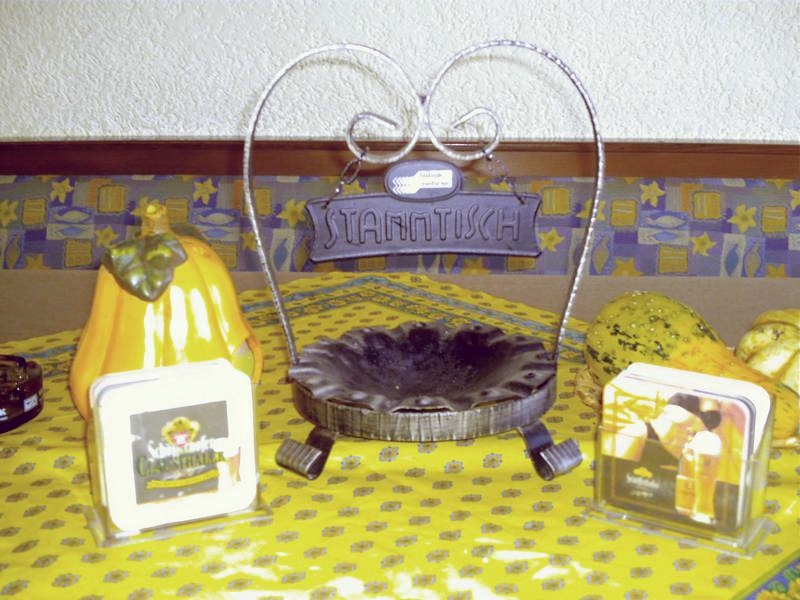 🇩🇪 Germany and 2 moreStammtisch
A weekly gathering of regulars at a reserved table in a pub or restaurant for conversation and community.Etiquette
🇩🇪 Germany and 2 moreStammtisch
A weekly gathering of regulars at a reserved table in a pub or restaurant for conversation and community.Etiquette
 🇯🇵 JapanPindapata𑀧𑀺𑀡𑁆𑀟𑀘𑀸𑀭
A Buddhist almsround where monks walk through towns to receive food and necessities from laypeople.Spiritual
🇯🇵 JapanPindapata𑀧𑀺𑀡𑁆𑀟𑀘𑀸𑀭
A Buddhist almsround where monks walk through towns to receive food and necessities from laypeople.Spiritual
 🇲🇾 Malaysia and 4 moreKopitiam
A neighbourhood coffee shop where Southeast Asians share meals, drinks and newsTable custom · Breakfast
🇪🇹 Ethiopia and 1 moreHabesha coffee ceremonyቡና ማፍላት
A daily ritual of roasting, grinding and serving coffee to welcome guests in Ethiopia and EritreaEtiquette
🇲🇾 Malaysia and 4 moreKopitiam
A neighbourhood coffee shop where Southeast Asians share meals, drinks and newsTable custom · Breakfast
🇪🇹 Ethiopia and 1 moreHabesha coffee ceremonyቡና ማፍላት
A daily ritual of roasting, grinding and serving coffee to welcome guests in Ethiopia and EritreaEtiquette
 🇬🇷 Greece and 5 moreName day
A calendar tradition where people celebrate the feast day of the saint after whom they are named.Festival
🇬🇷 Greece and 5 moreName day
A calendar tradition where people celebrate the feast day of the saint after whom they are named.Festival
 🇬🇷 Greece and 5 moreHandshake
A brief clasp of hands to greet, part or seal a deal, with local rules on how it is doneEtiquette
🇰🇼 KuwaitDewaniya
An evening gathering and reception central to Kuwaiti social, business, and civic lifeEtiquette · Tea, coffee and drinking ceremonies
🇬🇷 Greece and 5 moreHandshake
A brief clasp of hands to greet, part or seal a deal, with local rules on how it is doneEtiquette
🇰🇼 KuwaitDewaniya
An evening gathering and reception central to Kuwaiti social, business, and civic lifeEtiquette · Tea, coffee and drinking ceremonies
 🇳🇿 Auckland, New ZealandWharenui
A Māori carved communal meeting house at the centre of tribal life in New ZealandHome
🇨🇳 ChinaGuanxi关系
A Chinese tradition of cultivating trusted networks and reciprocal obligationsEtiquette
🇳🇿 Auckland, New ZealandWharenui
A Māori carved communal meeting house at the centre of tribal life in New ZealandHome
🇨🇳 ChinaGuanxi关系
A Chinese tradition of cultivating trusted networks and reciprocal obligationsEtiquette
 🇦🇺 AustraliaSmoking ceremonyNumbuk Yabbun
An Aboriginal Australian ritual of burning native plants to cleanse, heal and welcomeSpiritual
🇦🇺 AustraliaSmoking ceremonyNumbuk Yabbun
An Aboriginal Australian ritual of burning native plants to cleanse, heal and welcomeSpiritual
 🇸🇦 Riyadh, Saudi Arabia and 4 moreMajlis
A traditional sitting room and community assembly for hospitality and civic counselEtiquette
🇸🇦 Riyadh, Saudi Arabia and 4 moreMajlis
A traditional sitting room and community assembly for hospitality and civic counselEtiquette
 🇨🇳 Chaozhou, China and 1 moreGongfu tea工夫茶
A skilled Chinese method of brewing tea in small teaware with precise heat and timingTable custom · Tea, coffee and drinking ceremonies
🇮🇳 IndiaAtithi Devo Bhavaअतिथिदेवो भव
A traditional Indian Hindu philosophy and campaign that treats guests with the reverence due to deities.Etiquette
🇨🇳 Chaozhou, China and 1 moreGongfu tea工夫茶
A skilled Chinese method of brewing tea in small teaware with precise heat and timingTable custom · Tea, coffee and drinking ceremonies
🇮🇳 IndiaAtithi Devo Bhavaअतिथिदेवो भव
A traditional Indian Hindu philosophy and campaign that treats guests with the reverence due to deities.Etiquette
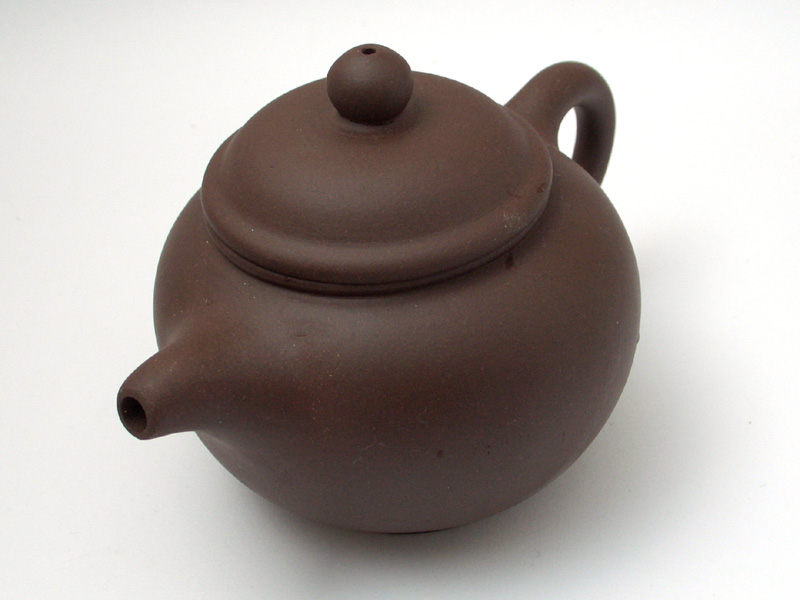 🇨🇳 Yixing, ChinaYixing clay teapot紫砂
Handcrafted Chinese purple clay teapots that season with every brewCraft · Tea, coffee and drinking ceremonies
🇨🇳 Yixing, ChinaYixing clay teapot紫砂
Handcrafted Chinese purple clay teapots that season with every brewCraft · Tea, coffee and drinking ceremonies
 🇮🇹 Naples, Italy and 5 moreCaffè sospeso
An anonymous gift of a paid cup of coffee for a stranger in needTable custom · Tea, coffee and drinking ceremonies
🇨🇳 ChinaHong Kong tea culture
Morning tea with dim sum and milk tea through the day, in Hong Kong's teahousesTable custom · Breakfast
🇮🇹 Naples, Italy and 5 moreCaffè sospeso
An anonymous gift of a paid cup of coffee for a stranger in needTable custom · Tea, coffee and drinking ceremonies
🇨🇳 ChinaHong Kong tea culture
Morning tea with dim sum and milk tea through the day, in Hong Kong's teahousesTable custom · Breakfast
 🇬🇪 GeorgiaTamadaთამადა
The toastmaster who leads the Georgian supra, guiding toasts and conversation at feasts.Etiquette
🇬🇪 GeorgiaTamadaთამადა
The toastmaster who leads the Georgian supra, guiding toasts and conversation at feasts.Etiquette
 🇮🇳 IndiaNamasteनमस्ते
A respectful greeting made with joined palms, spoken in South Asia and beyondEtiquette
🇾🇪 Mokha, Yemen and 7 moreArabic coffeeqahwa (Arabic: قهوة)
A bitter, spiced brew served as a gesture of hospitality across the Arab world.Table custom · Tea, coffee and drinking ceremonies
🇮🇳 IndiaNamasteनमस्ते
A respectful greeting made with joined palms, spoken in South Asia and beyondEtiquette
🇾🇪 Mokha, Yemen and 7 moreArabic coffeeqahwa (Arabic: قهوة)
A bitter, spiced brew served as a gesture of hospitality across the Arab world.Table custom · Tea, coffee and drinking ceremonies
 🇯🇵 Kyoto, JapanKaiseki懐石
A multi-course Japanese dining tradition shaped by tea ceremonies and the seasonsTable custom · Dinner
🇯🇵 Kyoto, JapanKaiseki懐石
A multi-course Japanese dining tradition shaped by tea ceremonies and the seasonsTable custom · Dinner
 🇨🇳 China and 5 moreTea culture
How tea is prepared, shared and served, from Chinese tea houses to Tibetan butter teaTable custom · Tea, coffee and drinking ceremonies
🇨🇳 China and 5 moreTea culture
How tea is prepared, shared and served, from Chinese tea houses to Tibetan butter teaTable custom · Tea, coffee and drinking ceremonies
 🇦🇷 Argentina and 4 moreAsado
A slow fire, a grill and a shared table: how people gather to cook and eat meatTable custom · Feasts and festival meals
🇦🇷 Argentina and 4 moreAsado
A slow fire, a grill and a shared table: how people gather to cook and eat meatTable custom · Feasts and festival meals
 🇱🇾 LibyaLibyan tea
A strong boiled tea in small glasses, served in three foam-topped roundsTable custom · Tea, coffee and drinking ceremonies
🇱🇾 LibyaLibyan tea
A strong boiled tea in small glasses, served in three foam-topped roundsTable custom · Tea, coffee and drinking ceremonies
 🇮🇳 India and 2 moreLangarਲੰਗਰ
The free kitchen at a gurdwara, where all sit and eat together as equalsTable custom
🇦🇱 Albania and 2 moreBesaBesë
A pledge of honour that an Albanian gives once and must never breakEtiquette
🇮🇳 India and 2 moreLangarਲੰਗਰ
The free kitchen at a gurdwara, where all sit and eat together as equalsTable custom
🇦🇱 Albania and 2 moreBesaBesë
A pledge of honour that an Albanian gives once and must never breakEtiquette
 🇦🇱 Albania and 1 moreKanunKanû
Albanian customary law kept by word of mouth, centred on honour and the given wordEtiquette
🇦🇱 Albania and 1 moreKanunKanû
Albanian customary law kept by word of mouth, centred on honour and the given wordEtiquette
 🇺🇸 United States and 3 moreWedding reception
The party after a wedding, where the couple greet guests over food, cake and dancingFestival · Feasts and festival meals
🇺🇸 United States and 3 moreWedding reception
The party after a wedding, where the couple greet guests over food, cake and dancingFestival · Feasts and festival meals
 🇨🇳 Lhasa, China and 5 moreButter teaབོད་ཇ་
A salted tea churned with yak butter, served to guests across the HimalayaTable custom · Tea, coffee and drinking ceremonies
🇨🇳 Lhasa, China and 5 moreButter teaབོད་ཇ་
A salted tea churned with yak butter, served to guests across the HimalayaTable custom · Tea, coffee and drinking ceremonies
 🇬🇧 London, United Kingdom and 4 moreAfternoon tea
A late-afternoon spread of tea, small sandwiches and cakes, kept across BritainTable custom · Tea-time and snacking customs
🇬🇧 London, United Kingdom and 4 moreAfternoon tea
A late-afternoon spread of tea, small sandwiches and cakes, kept across BritainTable custom · Tea-time and snacking customs
 🇬🇪 Tbilisi, GeorgiaSupraსუფრა
A Georgian feast led by a toastmaster, where toasts, wine and food carry the mealTable custom · Feasts and festival meals
🇬🇪 Tbilisi, GeorgiaSupraსუფრა
A Georgian feast led by a toastmaster, where toasts, wine and food carry the mealTable custom · Feasts and festival meals
 🇷🇺 Russia and 1 moreZakuskiзакуски
A laid-out table of cold small dishes that opens a Russian festive mealTable custom · Tea-time and snacking customs
🇷🇺 Russia and 1 moreZakuskiзакуски
A laid-out table of cold small dishes that opens a Russian festive mealTable custom · Tea-time and snacking customs
 🇨🇳 China and 5 moreYum cha飲茶
A Cantonese breakfast of dim sum and tea, eaten slowly in large groupsTable custom · Breakfast
🇨🇳 China and 5 moreYum cha飲茶
A Cantonese breakfast of dim sum and tea, eaten slowly in large groupsTable custom · Breakfast
 🇨🇳 China and 6 moreRed envelope紅包 / 红包 (hóngbāo)
Money in a red packet, given at Lunar New Year, weddings and other big daysEtiquette
🇨🇳 China and 6 moreRed envelope紅包 / 红包 (hóngbāo)
Money in a red packet, given at Lunar New Year, weddings and other big daysEtiquette
 🇹🇷 Istanbul, TurkeyTurkish tea culture
Two stacked pots, tulip glasses, and a choice of strong or weak tea in TurkeyTable custom · Tea, coffee and drinking ceremonies
🇹🇷 Istanbul, TurkeyTurkish tea culture
Two stacked pots, tulip glasses, and a choice of strong or weak tea in TurkeyTable custom · Tea, coffee and drinking ceremonies
 🇦🇹 Vienna, AustriaViennese coffee house cultureWiener Kaffeehauskultur
A Viennese social ritual where patrons linger for hours with a single coffee and newspapers.Etiquette · Tea-time and snacking customs
🇦🇹 Vienna, AustriaViennese coffee house cultureWiener Kaffeehauskultur
A Viennese social ritual where patrons linger for hours with a single coffee and newspapers.Etiquette · Tea-time and snacking customs
 🇰🇬 Kyrgyzstan and 4 moreBeshbarmakбешбармак
Boiled meat and noodles, eaten by hand from one platter, with a set cut for each guestTable custom · Feasts and festival meals
🇰🇬 Kyrgyzstan and 4 moreBeshbarmakбешбармак
Boiled meat and noodles, eaten by hand from one platter, with a set cut for each guestTable custom · Feasts and festival meals
 🇰🇷 South KoreaKorean tea ceremony다례 (茶禮)
Tea served in Korea as a rite of courtesy, now mostly grain and herbal brewsTable custom · Tea, coffee and drinking ceremonies
🇰🇷 South KoreaKorean tea ceremony다례 (茶禮)
Tea served in Korea as a rite of courtesy, now mostly grain and herbal brewsTable custom · Tea, coffee and drinking ceremonies
 🇺🇸 United StatesPotluck
A shared meal where every guest brings a dish, kept by churches, clubs and neighborsTable custom · Dinner
🇺🇸 United StatesPotluck
A shared meal where every guest brings a dish, kept by churches, clubs and neighborsTable custom · Dinner
 🇵🇾 Paraguay and 3 moreTereré
Paraguay's cold yerba mate drink, passed around in one cup with a metal strawTable custom · Tea, coffee and drinking ceremonies
🇷🇺 Russia and 5 moreBread and saltхлеб-соль
Bread and salt offered to a guest: a welcome kept from Russia to AlbaniaEtiquette
🇮🇷 IranTaarofتعارف
An Iranian code of ritual politeness, where offers and refusals are traded with graceEtiquette
🇵🇾 Paraguay and 3 moreTereré
Paraguay's cold yerba mate drink, passed around in one cup with a metal strawTable custom · Tea, coffee and drinking ceremonies
🇷🇺 Russia and 5 moreBread and saltхлеб-соль
Bread and salt offered to a guest: a welcome kept from Russia to AlbaniaEtiquette
🇮🇷 IranTaarofتعارف
An Iranian code of ritual politeness, where offers and refusals are traded with graceEtiquette
The small pictures above come from Wikimedia Commons under free licences. Some are cropped to fit.
Every week: one tradition from somewhere new, what is being celebrated around the world this week, and one idea explained.