Secular and civic traditions
Secular and civic traditions are those kept without a religious frame: national days, parades, remembrance days, birthdays, graduations, school and university rituals, sporting customs, workplace habits and the rites of clubs and communities.
Secular and civic traditions are those kept without a religious frame: national days, parades, remembrance days, birthdays, graduations, school and university rituals, sporting customs, workplace habits and the rites of clubs and communities. They give people shared moments and symbols outside any faith, and many have grown over a century or two. EveryParampara includes them alongside older traditions, because a Fourth of July barbecue or a Burns Night supper is as much a tradition as any ancient rite, and is kept with equal feeling.
Nations and communities
National days, flags, anthems, parades and minutes of silence create a sense of belonging. Remembrance of war dead, in poppies, wreaths and the Last Post, is observed by millions. Local clubs, guilds and societies keep their own rituals, from the mayor's procession to the Rotary meeting. Each reflects the history and the values of the group, and many invite the public to attend.
Milestones without a church
Birthdays, graduations, retirements, housewarmings and baby showers are secular milestones, kept with cakes, speeches and gifts. Many couples hold civil weddings and non-religious naming ceremonies and funerals led by celebrants. These customs show how people create meaning and mark time together, and how traditions are made as well as inherited. Some of them are only a few decades old, and already feel like old friends. A tradition begins the first time a group of people decides to do something again next year.
Written by the EveryParampara desk with AI assistance. Background on Secular and civic (faith). Customs differ from place to place and family to family. If this is your tradition and we have it wrong, tell us.
 🇯🇵 Kyoto, JapanKendo剣道
A Japanese martial art of swordsmanship using bamboo swords and protective armourGame
🇯🇵 Kyoto, JapanKendo剣道
A Japanese martial art of swordsmanship using bamboo swords and protective armourGame
 🇨🇳 China and 2 moreCuju蹴鞠
An ancient Chinese kicking game played without hands using a stuffed or air-filled ballGame
🇨🇳 China and 2 moreCuju蹴鞠
An ancient Chinese kicking game played without hands using a stuffed or air-filled ballGame
 🇯🇵 Japan and 2 moreKyūdō弓道
The Japanese martial art of archery, practiced with an asymmetrical longbowGame
🇯🇵 Japan and 2 moreKyūdō弓道
The Japanese martial art of archery, practiced with an asymmetrical longbowGame
 🇨🇳 China and 5 moreLion dance舞獅
A dynamic ritual dance featuring costumed lions, drums and martial acrobaticsPerformance
🇨🇳 China and 5 moreLion dance舞獅
A dynamic ritual dance featuring costumed lions, drums and martial acrobaticsPerformance
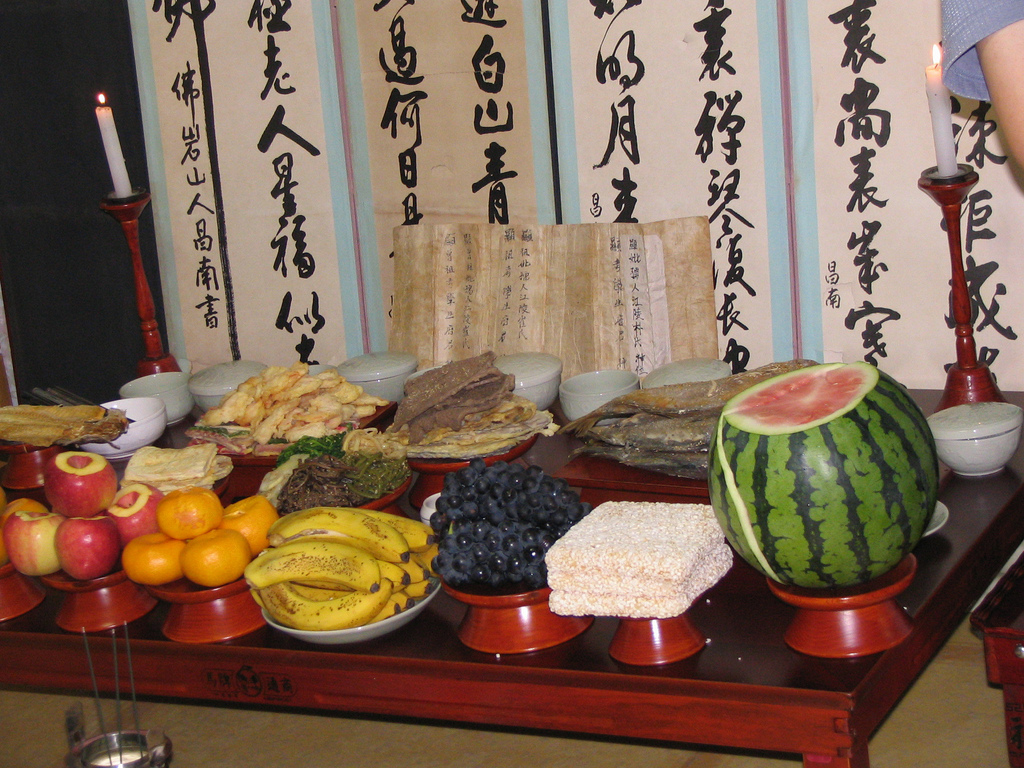 🇰🇷 South KoreaJesa제사 (Jesa)
A Korean ancestral memorial ceremony held on death anniversaries and major holidays.Spiritual · Feasts and festival meals
🇰🇷 South KoreaJesa제사 (Jesa)
A Korean ancestral memorial ceremony held on death anniversaries and major holidays.Spiritual · Feasts and festival meals
 🇰🇷 South KoreaHanji한지
The Korean craft of making durable paper from mulberry fiber and root mucilage.Craft
🇰🇷 South KoreaHanji한지
The Korean craft of making durable paper from mulberry fiber and root mucilage.Craft
 🇯🇵 JapanChildren's Dayこどもの日
A Japanese holiday on May fifth celebrating the happiness and growth of childrenFestival
🇯🇵 JapanChildren's Dayこどもの日
A Japanese holiday on May fifth celebrating the happiness and growth of childrenFestival
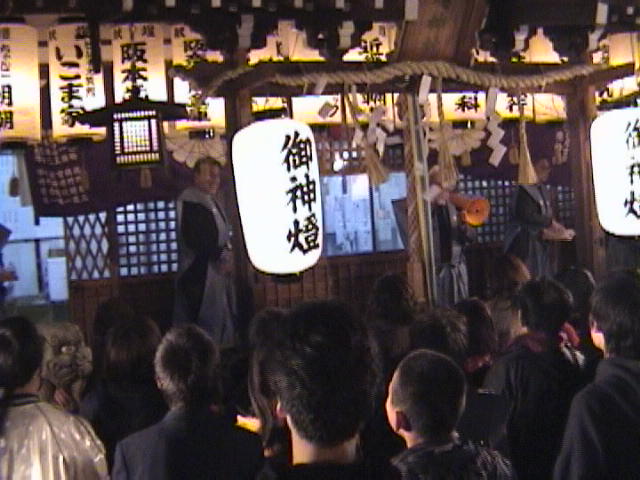 🇯🇵 Tokyo, JapanSetsubun節分
A Japanese ritual of throwing roasted soybeans to banish evil spirits and welcome spring.Festival · Feasts and festival meals
🇯🇵 Tokyo, JapanSetsubun節分
A Japanese ritual of throwing roasted soybeans to banish evil spirits and welcome spring.Festival · Feasts and festival meals
 🇨🇳 Xi'an, ChinaChinese tea culture中国茶文化 (Zhōngguó chá wénhuà)
A centuries-old practice of cultivating, brewing, and sharing tea as a social and spiritual ritual in China.Table custom · Tea, coffee and drinking ceremonies
🇨🇳 Xi'an, ChinaChinese tea culture中国茶文化 (Zhōngguó chá wénhuà)
A centuries-old practice of cultivating, brewing, and sharing tea as a social and spiritual ritual in China.Table custom · Tea, coffee and drinking ceremonies
 🇰🇵 Pyongyang, North KoreaDay of the Sun태양절
North Korea's principal holiday, marking the birth anniversary of Kim Il SungCeremony
🇰🇵 Pyongyang, North KoreaDay of the Sun태양절
North Korea's principal holiday, marking the birth anniversary of Kim Il SungCeremony
 🇨🇳 China and 5 moreDouble Ninth Festival重陽節
An autumn festival of mountain walks, chrysanthemum wine and ancestor remembranceSeasonal · Tea-time and snacking customs
🇨🇳 China and 5 moreDouble Ninth Festival重陽節
An autumn festival of mountain walks, chrysanthemum wine and ancestor remembranceSeasonal · Tea-time and snacking customs
 🇰🇵 Pyongyang, North KoreaArirang Mass Games아리랑 축제
A massive civic spectacle of gymnastics, dance, and card stunts in PyongyangCeremony
🇰🇵 Pyongyang, North KoreaArirang Mass Games아리랑 축제
A massive civic spectacle of gymnastics, dance, and card stunts in PyongyangCeremony
 🇯🇵 JapanComing of Age Day成人の日
A Japanese public holiday welcoming new adults with municipal rites and celebrationsRite of passage
🇯🇵 JapanComing of Age Day成人の日
A Japanese public holiday welcoming new adults with municipal rites and celebrationsRite of passage
 🇹🇼 Taipei, TaiwanDouble Ten Day國慶日
The national holiday of Taiwan marking the start of the 1911 revolution.Ceremony
🇹🇼 Taipei, TaiwanDouble Ten Day國慶日
The national holiday of Taiwan marking the start of the 1911 revolution.Ceremony
 🇨🇳 ChinaGolden Week黄金周
Seven- or eight-day national holiday periods in China for travel and family visitsSeasonal
🇨🇳 ChinaGolden Week黄金周
Seven- or eight-day national holiday periods in China for travel and family visitsSeasonal
 🇰🇷 South Korea and 1 moreDaeboreum대보름
A Korean festival of the first lunar full moon, marked by fires, wishes and feastsSeasonal · Feasts and festival meals
🇰🇷 South Korea and 1 moreDaeboreum대보름
A Korean festival of the first lunar full moon, marked by fires, wishes and feastsSeasonal · Feasts and festival meals
 🇰🇵 Pyongyang, North KoreaDay of the Shining Star광명성절
A two-day national holiday in North Korea honouring the birth of Kim Jong Il.Ceremony
🇰🇵 Pyongyang, North KoreaDay of the Shining Star광명성절
A two-day national holiday in North Korea honouring the birth of Kim Jong Il.Ceremony
 🇰🇷 Boryeong, South KoreaBoryeong Mud Festival보령머드축제
A summer festival of mud baths, slides and music on the coast of South KoreaFestival
🇰🇷 Boryeong, South KoreaBoryeong Mud Festival보령머드축제
A summer festival of mud baths, slides and music on the coast of South KoreaFestival
 🇨🇳 Hong Kong, China and 5 moreLunar New Year
New year festivals dated by the moon, kept from East Asia to the Middle EastFestival
🇨🇳 Hong Kong, China and 5 moreLunar New Year
New year festivals dated by the moon, kept from East Asia to the Middle EastFestival
 🇨🇳 ChinaChinese funeral rituals
Traditional rites of mourning, vigils, offerings, and ancestor veneration across ChinaRite of passage
🇰🇷 South KoreaKorean traditional funeral
A multi-day ritual blending Confucian rites and shamanic practices to guide the deceased to the afterlife.Rite of passage
🇨🇳 ChinaChinese funeral rituals
Traditional rites of mourning, vigils, offerings, and ancestor veneration across ChinaRite of passage
🇰🇷 South KoreaKorean traditional funeral
A multi-day ritual blending Confucian rites and shamanic practices to guide the deceased to the afterlife.Rite of passage
 🇰🇵 Pyongyang, North Korea and 4 moreMass games
Disciplined, large-scale gymnastic spectacles celebrating unity and national prideCeremony
🇰🇵 Pyongyang, North Korea and 4 moreMass games
Disciplined, large-scale gymnastic spectacles celebrating unity and national prideCeremony
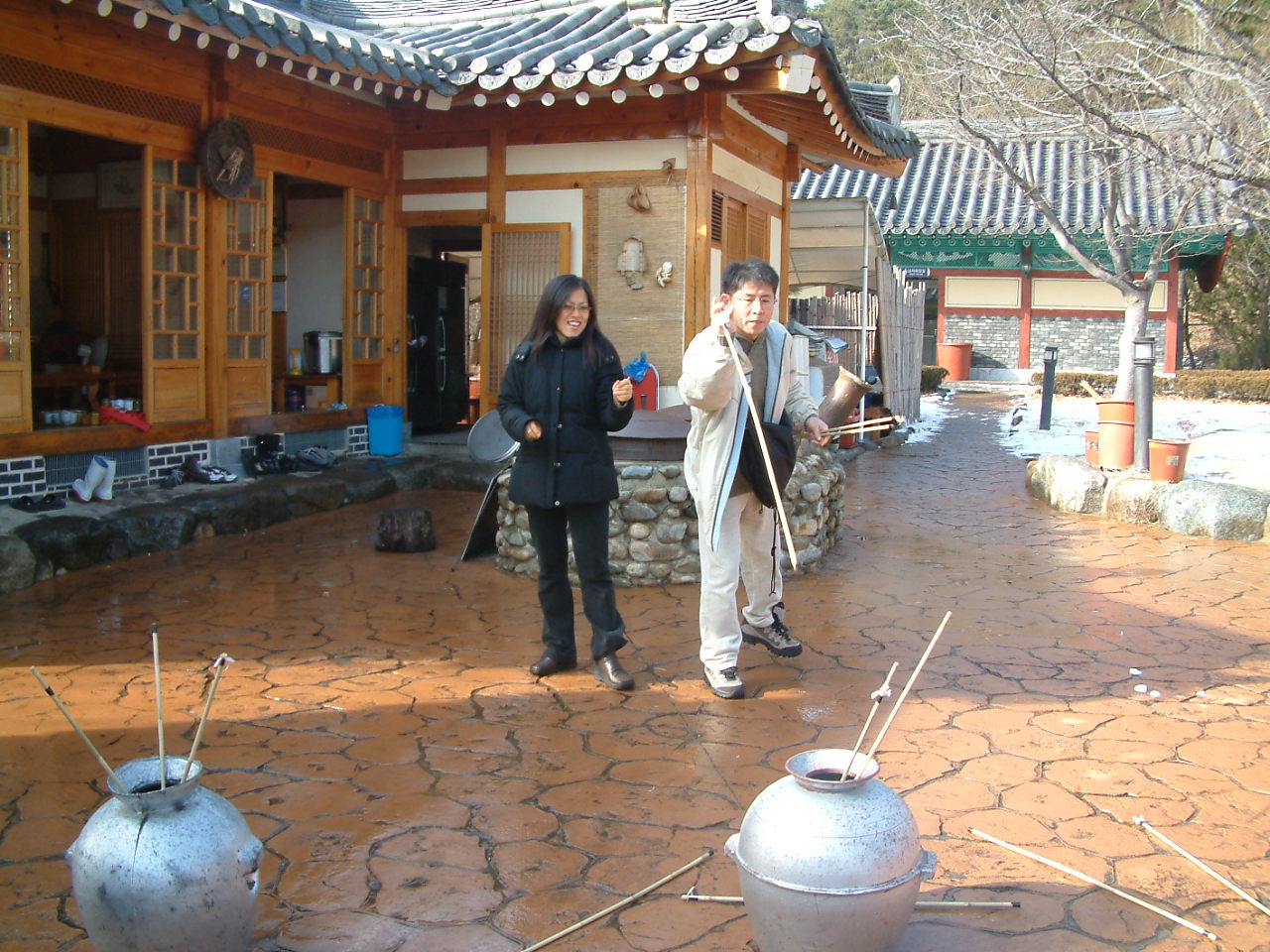 🇰🇷 South Korea and 1 moreKorean New Year설날
A three-day Korean festival celebrating the lunisolar new year with family and feastsSeasonal
🇰🇷 South Korea and 1 moreChuseok추석
A Korean harvest festival of ancestral rites, seasonal rice cakes, and folk gamesFestival · Feasts and festival meals
🇰🇷 South Korea and 1 moreKorean New Year설날
A three-day Korean festival celebrating the lunisolar new year with family and feastsSeasonal
🇰🇷 South Korea and 1 moreChuseok추석
A Korean harvest festival of ancestral rites, seasonal rice cakes, and folk gamesFestival · Feasts and festival meals
 🇰🇷 South Korea and 1 moreDoljanchi돌 (dol); 돌잔치 (doljanchi)
A Korean first-birthday rite where a baby picks an object that hints at the years aheadRite of passage
🇰🇷 South Korea and 1 moreDoljanchi돌 (dol); 돌잔치 (doljanchi)
A Korean first-birthday rite where a baby picks an object that hints at the years aheadRite of passage
 🇯🇵 JapanBowing in Japanお辞儀
The Japanese bow, used to greet, thank, apologise and show respectEtiquette
🇯🇵 JapanBowing in Japanお辞儀
The Japanese bow, used to greet, thank, apologise and show respectEtiquette
 🇨🇳 Yining, China and 1 moreMeshrepمەشرەپ
A Uyghur gathering of music, poetry, dance and moral counsel at harvest and weddingsPerformance
🇨🇳 Yining, China and 1 moreMeshrepمەشرەپ
A Uyghur gathering of music, poetry, dance and moral counsel at harvest and weddingsPerformance
 🇰🇷 Seoul, South Korea and 1 moreMarriage in Korea
Weddings in Korea, from Goryeo matchmaking to Confucian rites and modern chapel vowsRite of passage
🇰🇷 Seoul, South Korea and 1 moreMarriage in Korea
Weddings in Korea, from Goryeo matchmaking to Confucian rites and modern chapel vowsRite of passage
 🇨🇳 ChinaKowtow叩頭
A traditional Chinese prostration of deep respect by kneeling and bowing to the groundEtiquette
🇨🇳 ChinaKowtow叩頭
A traditional Chinese prostration of deep respect by kneeling and bowing to the groundEtiquette
 🇰🇷 South Korea and 4 moreParents' Day어버이날 (Eobeoinal)
Days set aside in several countries to thank mothers and fathersFestival
🇰🇷 South Korea and 4 moreParents' Day어버이날 (Eobeoinal)
Days set aside in several countries to thank mothers and fathersFestival
 🇯🇵 Japan and 1 moreFukubukuro福袋
Surprise discount grab bags sold by Japanese retailers for the New YearSeasonal
🇯🇵 Japan and 1 moreFukubukuro福袋
Surprise discount grab bags sold by Japanese retailers for the New YearSeasonal
 🇯🇵 Japan and 5 moreHouse
A traditional children's make-believe game of acting out domestic family rolesGame
🇯🇵 Japan and 5 moreHouse
A traditional children's make-believe game of acting out domestic family rolesGame
 🇰🇵 Pyongyang, North KoreaParty Foundation Day조선로동당 창건일
A national holiday in North Korea that marks the founding of its ruling party in 1945.Ceremony
🇹🇼 TaiwanSimple Life Festival簡單生活節
A biennial cultural gathering in Taiwan featuring live music, markets and craftsFestival
🇰🇵 Pyongyang, North KoreaParty Foundation Day조선로동당 창건일
A national holiday in North Korea that marks the founding of its ruling party in 1945.Ceremony
🇹🇼 TaiwanSimple Life Festival簡單生活節
A biennial cultural gathering in Taiwan featuring live music, markets and craftsFestival
 🇨🇳 Xi'an, ChinaXi'an guyue西安鼓乐
Ritual wind and percussion music from Xi'an, played sitting or walkingPerformance
🇯🇵 JapanMoai模合 (Mo-ai)
A Japanese social support group that provides mutual aid and companionship to its members.Etiquette
🇨🇳 Xi'an, ChinaXi'an guyue西安鼓乐
Ritual wind and percussion music from Xi'an, played sitting or walkingPerformance
🇯🇵 JapanMoai模合 (Mo-ai)
A Japanese social support group that provides mutual aid and companionship to its members.Etiquette
 🇨🇳 China and 1 moreDahu褡护 (Dāhù)
A cross-collar jacket worn in the Ming dynasty, blending Chinese and Mongol styles.Dress
🇨🇳 China and 1 moreDahu褡护 (Dāhù)
A cross-collar jacket worn in the Ming dynasty, blending Chinese and Mongol styles.Dress
 🇯🇵 JapanKamifūsen紙風船
Japanese paper balloons enjoyed as self-inflating toys, gifts and festival lanternsGame
🇯🇵 JapanKamifūsen紙風船
Japanese paper balloons enjoyed as self-inflating toys, gifts and festival lanternsGame
Photo credits on this page
The small pictures above come from Wikimedia Commons under free licences. Some are cropped to fit.
- Kamifūsen: アルトクール, CC BY-SA 3.0, source
- Double Ninth Festival: Sgerbic, CC BY-SA 4.0, source
- Day of the Sun: Uri Tours, CC BY-SA 2.0, source
- Arirang Mass Games: Michael Day, CC BY 2.0, source
- Chinese tea culture: Gary Stevens, CC BY 2.0, source
- Children's Day: Comissão de Jovens, CC BY-SA 2.0, source
- Day of the Shining Star: Nicor, CC BY-SA 3.0, source
- Daeboreum: hojusaram, CC BY-SA 2.0, source
- Golden Week: User:czhongwu, CC BY-SA 3.0, source
- Setsubun: Unknown author, CC BY-SA 3.0, source
- Boryeong Mud Festival: Stinkie Pinkie, CC BY 2.0, source
- Coming of Age Day: moguphotos, CC BY-SA 2.0, source
- Chinese funeral rituals: Salzmann, E.v., CC BY-SA 3.0 de, source
- Mass games: photo: unknown file: James Steakley, Public domain, source
- Korean New Year: Kang Byeong Kee, CC BY 3.0, source
- Dahu: Gary Todd, CC0, source
- Chuseok: by Joseph Steinberg (Baltimoron in Korea) at Flickr, CC BY-SA 2.0, source
- Hanji: Arghun, Public domain, source
- Kendo: Source: photo taken by Harald Hofer, CC BY-SA 2.0 at, source
- Cuju: BabelStone, CC BY-SA 3.0, source
- Kyūdō: Unknown author, Public domain, source
- Lion dance: Alfresco24, CC BY 3.0, source
- Meshrep: https://www.flickr.com/photos/travelingmipo/, CC BY-SA 2.0, source
- Doljanchi: en:User:Jamsong, CC BY-SA 3.0, source
- Xi'an guyue: Liuxingy, CC BY-SA 4.0, source
- Lunar New Year: Flying Pharmacist, CC BY-SA 3.0, source
- Bowing in Japan: Maya-Anaïs Yataghène, CC BY 2.0, source
- Double Ten Day: 總統府, CC BY 2.0, source
- Marriage in Korea: Jérôme Banal ( Eden2004 ), CC BY-SA 3.0, source
- Parents' Day: 草花写真館, CC BY-SA 3.0, source
- Kowtow: Gary Todd, CC0, source
- Fukubukuro: Jnn, CC BY-SA 3.0, source
- House: Alborzagros, CC BY-SA 3.0, source
- Party Foundation Day: David Stanley, CC BY 2.0, source