Spiritual and religious
Rites, prayers, pilgrimages, fasts and sacred days.
Spiritual and religious traditions are the rites that people keep to connect with the sacred: prayers, pilgrimages, fasts, blessings, holy days and the ceremonies of temples, churches, mosques, synagogues and shrines. They are among the oldest traditions in the world and often the most deeply felt. Here they are described as those who keep them would describe them, with care for what is sacred, and without ranking one faith above another. Browse by country, faith or season to see how the same human need is met in many ways.
Worship in daily life
For many people, the spiritual life is lived at home and in small acts: a morning prayer, a lit lamp, grace before a meal, a head covered or shoes removed at a door. Shrines in the kitchen, a prayer mat, a mezuzah on the doorpost and a rosary in the pocket all belong here. The big public rites rest on this quiet daily practice, and it is often a grandmother or a parent who teaches it, by doing it every day without comment.
Sacred time and place
Every faith marks sacred time: a weekly day of rest or prayer, a month of fasting, a festival of light, a season of penitence. Each also marks sacred places, from a river bank to a mountain, a cathedral to a village shrine. Pilgrims travel to them, and the journey itself is part of the rite. Calendars differ, some tied to the moon, others to the sun, so the dates move from year to year and are listed on the EveryParampara calendar.
Meeting across faiths
People of different faiths live side by side, and many traditions overlap or borrow. Neighbours share each other's festival sweets, attend each other's weddings and join in public celebrations such as Christmas markets or Diwali fairs. EveryParampara writes about each tradition on its own terms and cites the people who keep it. Where beliefs are contested, the page says so, and sacred matters are treated with respect.
Written by the EveryParampara desk with AI assistance. Background on Spiritual and religious (kind of tradition). Customs differ from place to place and family to family. If this is your tradition and we have it wrong, tell us.
 🇯🇵 Tokyo, JapanDaijō-sai大嘗祭
The emperor's once-in-a-reign Shinto rite of thanks for the rice harvestSpiritual
🇯🇵 Tokyo, JapanDaijō-sai大嘗祭
The emperor's once-in-a-reign Shinto rite of thanks for the rice harvestSpiritual
 🇯🇵 Tokyo, Japan and 5 moreTaiko太鼓 (taiko)
Japanese drums, and the ensemble style of playing themPerformance
🇯🇵 Tokyo, Japan and 5 moreTaiko太鼓 (taiko)
Japanese drums, and the ensemble style of playing themPerformance
 🇨🇳 Beijing, China and 1 moreLaba congee腊八粥
A ceremonial Chinese porridge of rice, beans and dried fruit, eaten at the Laba FestivalTable custom · Feasts and festival meals
🇨🇳 Beijing, China and 1 moreLaba congee腊八粥
A ceremonial Chinese porridge of rice, beans and dried fruit, eaten at the Laba FestivalTable custom · Feasts and festival meals
 🇯🇵 Japan and 1 moreIomanteイオマンテ
An Ainu rite that sends a hand-raised bear cub's spirit home to the god-worldSpiritual
🇯🇵 Japan and 1 moreIomanteイオマンテ
An Ainu rite that sends a hand-raised bear cub's spirit home to the god-worldSpiritual
 🇨🇳 Lhasa, China and 5 moreButter teaབོད་ཇ་
A salted tea churned with yak butter, served to guests across the HimalayaTable custom · Tea, coffee and drinking ceremonies
🇨🇳 Lhasa, China and 5 moreButter teaབོད་ཇ་
A salted tea churned with yak butter, served to guests across the HimalayaTable custom · Tea, coffee and drinking ceremonies
 🇰🇷 South Korea and 1 moreDoljanchi돌 (dol); 돌잔치 (doljanchi)
A Korean first-birthday rite where a baby picks an object that hints at the years aheadRite of passage
🇰🇷 South Korea and 1 moreDoljanchi돌 (dol); 돌잔치 (doljanchi)
A Korean first-birthday rite where a baby picks an object that hints at the years aheadRite of passage
 🇰🇷 Seoul, South KoreaJongmyo jerye종묘 제례
Ancestral rite for Korea's Joseon kings, with court music and a line dance, held in SeoulSpiritual
🇰🇷 Seoul, South KoreaJongmyo jerye종묘 제례
Ancestral rite for Korea's Joseon kings, with court music and a line dance, held in SeoulSpiritual
 🇨🇳 China and 4 moreSky burialབྱ་གཏོར་ (bya gtor)
A Tibetan funeral in which the dead are laid out on a rock for vulturesRite of passage
🇨🇳 China and 4 moreSky burialབྱ་གཏོར་ (bya gtor)
A Tibetan funeral in which the dead are laid out on a rock for vulturesRite of passage
 🇨🇳 China and 5 moreAncestor veneration
Honouring dead relatives with offerings, meals and prayers, kept in cultures worldwideSpiritual
🇨🇳 China and 5 moreAncestor veneration
Honouring dead relatives with offerings, meals and prayers, kept in cultures worldwideSpiritual
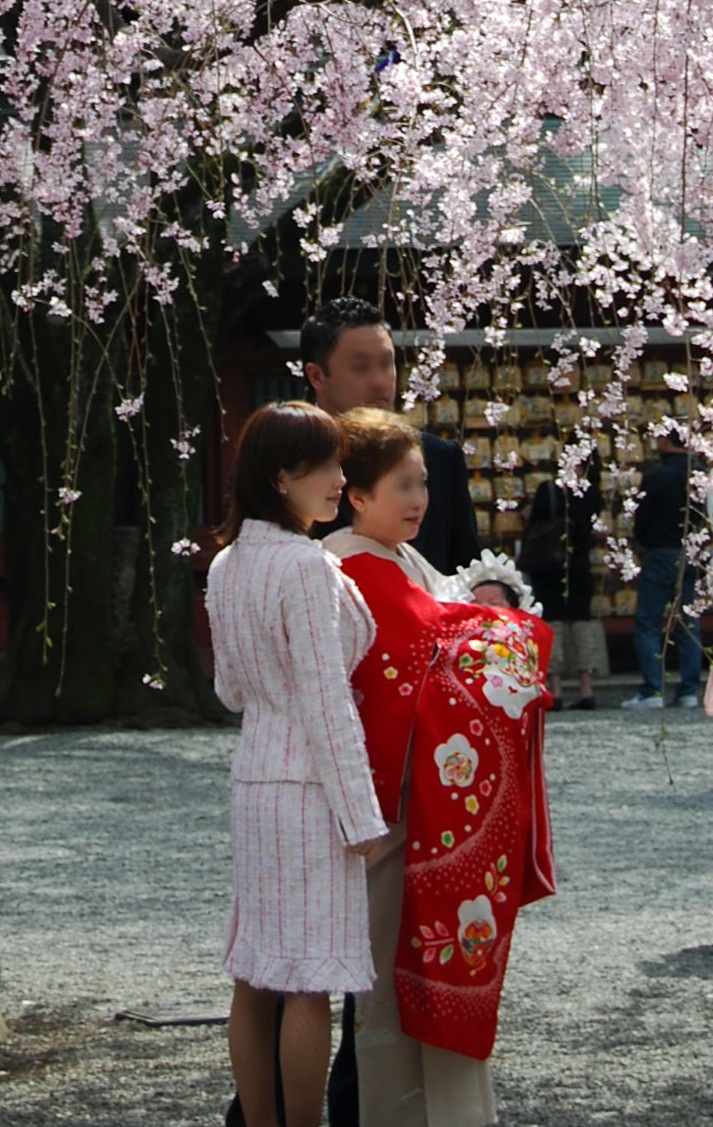 🇯🇵 JapanMiyamairi宮参り
A first visit to a Shinto shrine, about a month after a baby is bornRite of passage
🇯🇵 JapanMiyamairi宮参り
A first visit to a Shinto shrine, about a month after a baby is bornRite of passage
 🇯🇵 Hiroshima, JapanKagura神楽
A sacred Shinto dance tradition in Japan that invites deities to descend and perform through human dancers.Performance
🇯🇵 Hiroshima, JapanKagura神楽
A sacred Shinto dance tradition in Japan that invites deities to descend and perform through human dancers.Performance
 🇨🇳 China and 5 moreAncestor worship
Honouring dead relatives with offerings and prayers, kept in many cultures worldwideSpiritual
🇨🇳 China and 5 moreAncestor worship
Honouring dead relatives with offerings and prayers, kept in many cultures worldwideSpiritual
 🇯🇵 JapanJapanese funeral葬儀 (sōgi)
A Buddhist farewell in Japan: a wake, cremation, bone-gathering and a family graveRite of passage
🇯🇵 JapanJapanese funeral葬儀 (sōgi)
A Buddhist farewell in Japan: a wake, cremation, bone-gathering and a family graveRite of passage
 🇯🇵 JapanBowing in Japanお辞儀
The Japanese bow, used to greet, thank, apologise and show respectEtiquette
🇯🇵 JapanBowing in Japanお辞儀
The Japanese bow, used to greet, thank, apologise and show respectEtiquette
 🇯🇵 Tokyo, JapanShinto wedding神前結婚
A short purification ceremony before the kami, sealed by three cups of sakeRite of passage
🇯🇵 Tokyo, JapanShinto wedding神前結婚
A short purification ceremony before the kami, sealed by three cups of sakeRite of passage
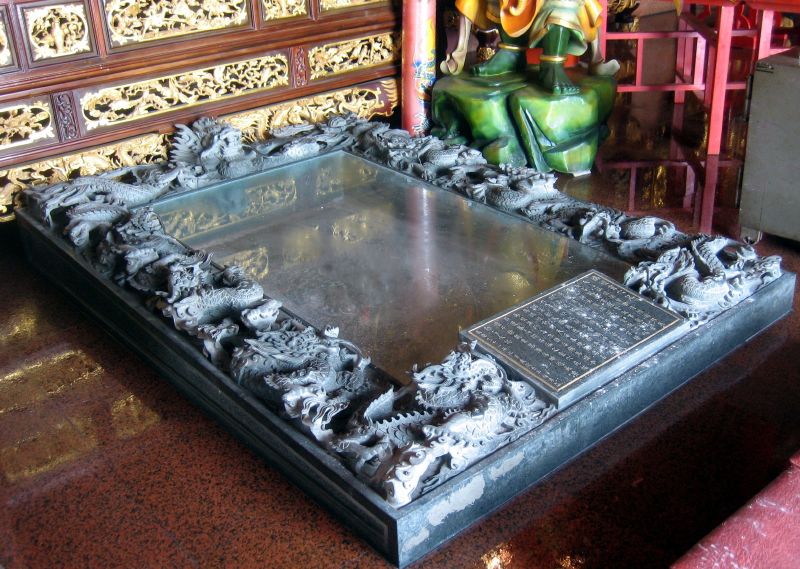 🇨🇳 Meizhou Island, China and 5 moreMazu媽祖
A sea goddess of the Chinese coast, asked for calm water and a safe returnSpiritual
🇨🇳 Meizhou Island, China and 5 moreMazu媽祖
A sea goddess of the Chinese coast, asked for calm water and a safe returnSpiritual
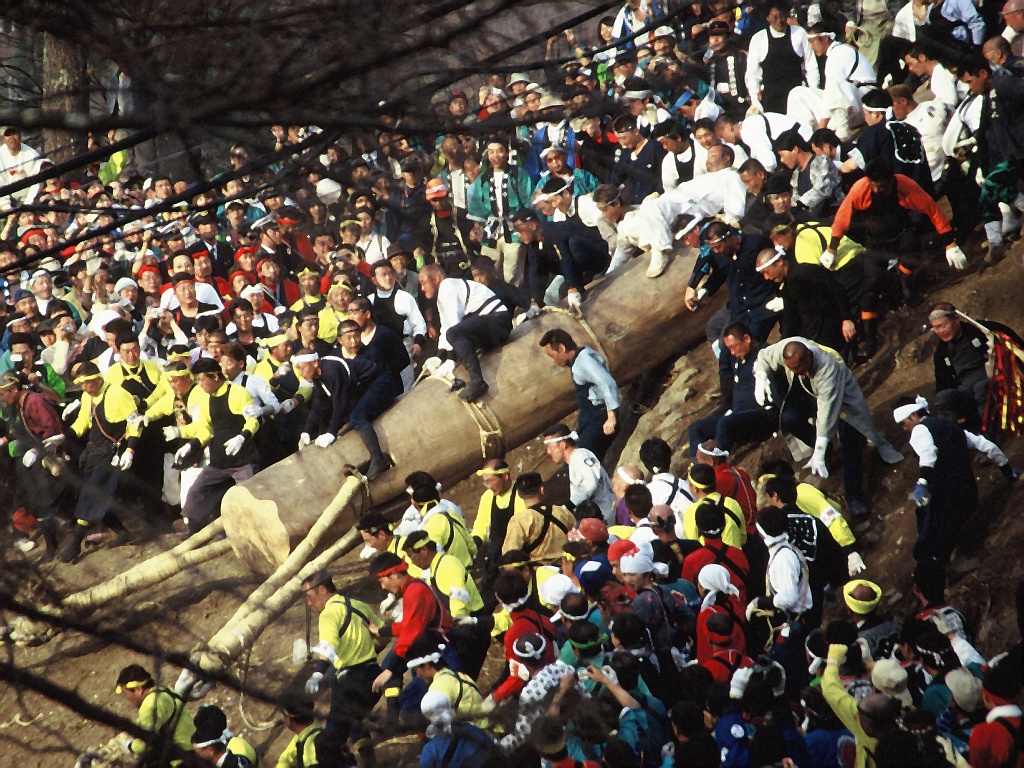 🇯🇵 Suwa, JapanOnbashira Festival式年造営御柱大祭
A rite in Nagano where massive fir logs are dragged down mountains and raised at shrinesSpiritual
🇯🇵 Suwa, JapanOnbashira Festival式年造営御柱大祭
A rite in Nagano where massive fir logs are dragged down mountains and raised at shrinesSpiritual
 🇯🇵 Tokushima, JapanAwa Dance Festival阿波踊り
A summer street dance festival held in Tokushima during the Buddhist season of ObonFestival
🇯🇵 Tokushima, JapanAwa Dance Festival阿波踊り
A summer street dance festival held in Tokushima during the Buddhist season of ObonFestival
 🇨🇳 ChinaChinese funeral rituals
Traditional rites of mourning, vigils, offerings, and ancestor veneration across ChinaRite of passage
🇨🇳 ChinaChinese funeral rituals
Traditional rites of mourning, vigils, offerings, and ancestor veneration across ChinaRite of passage
 🇨🇳 China and 5 moreJoss paper金紙 (jīnzhǐ)
Paper money burned for ancestors and gods, folded and offered in Chinese worshipSpiritual
🇨🇳 China and 5 moreJoss paper金紙 (jīnzhǐ)
Paper money burned for ancestors and gods, folded and offered in Chinese worshipSpiritual
 🇭🇰 Cheung Chau, Hong KongCheung Chau Bun Festival包山節
A week of vegetarian days, bun towers and a midnight scramble on a Hong Kong islandFestival
🇭🇰 Cheung Chau, Hong KongCheung Chau Bun Festival包山節
A week of vegetarian days, bun towers and a midnight scramble on a Hong Kong islandFestival
 🇨🇳 China and 3 moreCham danceའཆམ་
A masked monastery dance of Tibetan Buddhism, staged at festivals to teach and blessSpiritual
🇨🇳 China and 3 moreCham danceའཆམ་
A masked monastery dance of Tibetan Buddhism, staged at festivals to teach and blessSpiritual
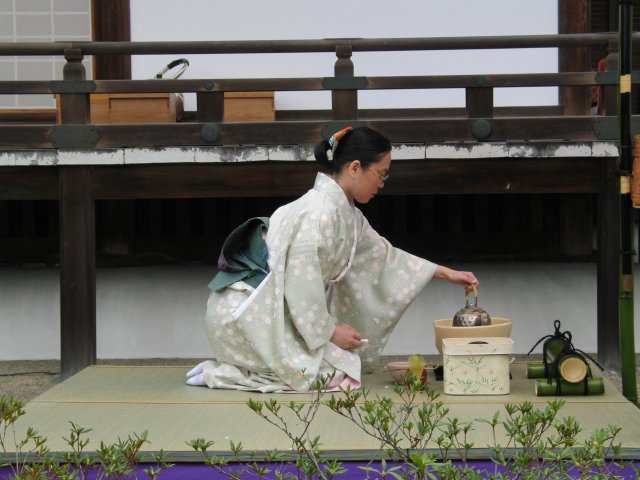 🇯🇵 Kyoto, JapanJapanese tea ceremony茶道 (Sadō / Chadō), 茶の湯 (Chanoyu)
The formal serving of powdered matcha, shaped by Zen, Shinto and wabiTable custom · Tea, coffee and drinking ceremonies
🇯🇵 Kyoto, JapanJapanese tea ceremony茶道 (Sadō / Chadō), 茶の湯 (Chanoyu)
The formal serving of powdered matcha, shaped by Zen, Shinto and wabiTable custom · Tea, coffee and drinking ceremonies
 🇲🇳 Mongolia and 5 moreThroat singing
Several deep, guttural singing styles, each named and kept by its own peoplePerformance
🇲🇳 Mongolia and 5 moreThroat singing
Several deep, guttural singing styles, each named and kept by its own peoplePerformance
 🇨🇳 ChinaKowtow叩頭
A traditional Chinese prostration of deep respect by kneeling and bowing to the groundEtiquette
🇨🇳 ChinaKowtow叩頭
A traditional Chinese prostration of deep respect by kneeling and bowing to the groundEtiquette
 🇨🇳 China and 1 moreDajiao打醮
An annual Taoist ritual and festival seeking peace and safety for the communitySpiritual · Feasts and festival meals
🇨🇳 Taiyuan, ChinaGuan Li冠禮
The traditional Chinese coming-of-age capping ceremony for young menRite of passage
🇨🇳 China and 3 moreQimen Dunjia奇門遁甲
A classical Chinese divination system that maps time, space, and strategySpiritual
🇨🇳 China and 1 moreRed Thread of Fate姻緣紅線
An East Asian belief in an invisible cord binding two people destined for marriageFolklore
🇨🇳 China and 1 moreDajiao打醮
An annual Taoist ritual and festival seeking peace and safety for the communitySpiritual · Feasts and festival meals
🇨🇳 Taiyuan, ChinaGuan Li冠禮
The traditional Chinese coming-of-age capping ceremony for young menRite of passage
🇨🇳 China and 3 moreQimen Dunjia奇門遁甲
A classical Chinese divination system that maps time, space, and strategySpiritual
🇨🇳 China and 1 moreRed Thread of Fate姻緣紅線
An East Asian belief in an invisible cord binding two people destined for marriageFolklore
 🇨🇳 China and 5 moreLife release放生
A Buddhist practice of freeing captive animals to spare their lives and gain meritSpiritual
🇨🇳 China and 5 moreLife release放生
A Buddhist practice of freeing captive animals to spare their lives and gain meritSpiritual
 🇨🇳 Quanzhou, China and 5 moreNanguan南管
An introspective chamber music tradition from southern Fujian and Taiwan.Performance
🇨🇳 Quanzhou, China and 5 moreNanguan南管
An introspective chamber music tradition from southern Fujian and Taiwan.Performance
 🇨🇳 China and 3 moreBuddhist initiation受戒
A public ceremony where a lay follower takes refuge in the Triple Gem and accepts moral precepts.Spiritual
🇨🇳 Tianjin, China and 1 moreBa-zha八蜡
An old Chinese harvest rite of eight offerings, later a guardian against locustsSpiritual
🇨🇳 China and 3 moreBuddhist initiation受戒
A public ceremony where a lay follower takes refuge in the Triple Gem and accepts moral precepts.Spiritual
🇨🇳 Tianjin, China and 1 moreBa-zha八蜡
An old Chinese harvest rite of eight offerings, later a guardian against locustsSpiritual
 🇨🇳 China and 1 moreTaiyin Xingjun太陰星君
The Chinese moon goddess, honoured at Mid-Autumn with incense, mooncakes and prayersSpiritual · Sweets given and shared
🇨🇳 China and 1 moreTaiyin Xingjun太陰星君
The Chinese moon goddess, honoured at Mid-Autumn with incense, mooncakes and prayersSpiritual · Sweets given and shared
 🇨🇳 Beijing, ChinaZangfu臟腑 (simplified 脏腑; zàngfǔ)
A Chinese medicine view of organs as networks of qi, blood and five phasesFolklore
🇨🇳 Beijing, ChinaZangfu臟腑 (simplified 脏腑; zàngfǔ)
A Chinese medicine view of organs as networks of qi, blood and five phasesFolklore
 🇨🇳 Ziyang, China and 1 moreThree Corpses三尸
A Daoist belief in three inner parasites that cause illness and cut life shortFolklore
🇨🇳 Ziyang, China and 1 moreThree Corpses三尸
A Daoist belief in three inner parasites that cause illness and cut life shortFolklore
 🇨🇳 Luoyang, China and 1 moreYin and yang陰陽
Two opposite but complementary forces that Chinese thought sees in all thingsFolklore
🇨🇳 Luoyang, China and 1 moreYin and yang陰陽
Two opposite but complementary forces that Chinese thought sees in all thingsFolklore
 🇨🇳 Dunhuang, China and 2 moreYingluo璎珞
A ring-shaped Buddhist neck ornament that became a Chinese necklace, worn again todayDress
🇨🇳 ChinaTui na推拿
A traditional Chinese hands-on therapy using pushing, grasping, and acupressure pointsFolklore
🇨🇳 Beijing, ChinaZangfu脏腑
A traditional Chinese model of internal organs as paired networks of energy and functionFolklore
🇨🇳 Beijing, ChinaZangfu脏腑
The traditional Chinese medical model of interconnected organ networks and vital energyFolklore
🇰🇷 South KoreaMusok eumak무속 음악 (巫俗音樂)
Ritual music of Korean shamanism, sung and drummed to carry a shaman into trancePerformance
🇨🇳 Dunhuang, China and 2 moreYingluo璎珞
A ring-shaped Buddhist neck ornament that became a Chinese necklace, worn again todayDress
🇨🇳 ChinaTui na推拿
A traditional Chinese hands-on therapy using pushing, grasping, and acupressure pointsFolklore
🇨🇳 Beijing, ChinaZangfu脏腑
A traditional Chinese model of internal organs as paired networks of energy and functionFolklore
🇨🇳 Beijing, ChinaZangfu脏腑
The traditional Chinese medical model of interconnected organ networks and vital energyFolklore
🇰🇷 South KoreaMusok eumak무속 음악 (巫俗音樂)
Ritual music of Korean shamanism, sung and drummed to carry a shaman into trancePerformance
 🇨🇳 Xi'an, ChinaXi'an guyue西安鼓乐
Ritual wind and percussion music from Xi'an, played sitting or walkingPerformance
🇨🇳 Xi'an, ChinaXi'an guyue西安鼓乐
Ritual wind and percussion music from Xi'an, played sitting or walkingPerformance
 🇨🇳 China and 1 moreFive Grains五穀
A sacred grouping of staple crops honoured as the bedrock of East Asian civilizationFolklore
🇨🇳 China and 1 moreFive Grains五穀
A sacred grouping of staple crops honoured as the bedrock of East Asian civilizationFolklore
Photo credits on this page
The small pictures above come from Wikimedia Commons under free licences. Some are cropped to fit.
- Five Grains: Kurt Stüber [1], CC BY-SA 3.0, source
- Daijō-sai: Abasaa, Public domain, source
- Taiko: Ohno.A, CC BY-SA 4.0, source
- Laba congee: N509FZ, CC BY-SA 4.0, source
- Iomante: Murase Yoshinori, Public domain, source
- Butter tea: Yosomono, CC BY 2.0, source
- Doljanchi: en:User:Jamsong, CC BY-SA 3.0, source
- Xi'an guyue: Liuxingy, CC BY-SA 4.0, source
- Jongmyo jerye: David McNally, USAG-Yongsan, Public domain, source
- Sky burial: FishOil at English Wikipedia, Public domain, source
- Ancestor veneration: Thang Nguyen, CC BY-SA 2.0, source
- Miyamairi: I (Sakura-saku-kuni) took this photograph., Public domain, source
- Life release: Wonderlane, CC BY 2.0, source
- Kagura: Elstner Hilton, Public domain, source
- Ancestor worship: Lyn Gateley, CC BY 2.0, source
- Japanese funeral: 夢の散歩, CC BY-SA 3.0, source
- Bowing in Japan: Maya-Anaïs Yataghène, CC BY 2.0, source
- Shinto wedding: Jakub Hałun, CC BY-SA 4.0, source
- Mazu: Prince Roy, CC BY-SA 3.0, source
- Yin and yang: Klem, Public domain, source
- Yingluo: Unknown author, CC0, source
- Zangfu: Foristslow, CC BY 4.0, source
- Dajiao: 29cm, CC BY-SA 2.0, source
- Kowtow: Gary Todd, CC0, source
- Onbashira Festival: Si-take. at Japanese Wikipedia, CC BY-SA 3.0, source
- Awa Dance Festival: Rosino, CC BY-SA 2.0, source
- Taiyin Xingjun: Unknown author, Public domain, source
- Three Corpses: Michał Boym, Public domain, source
- Chinese funeral rituals: Salzmann, E.v., CC BY-SA 3.0 de, source
- Buddhist initiation: ScooterSponson, CC BY-SA 4.0, source
- Joss paper: Vmenkov, CC BY-SA 3.0, source
- Cheung Chau Bun Festival: .怪貓., CC BY 2.0, source
- Cham dance: Arian Zwegers, CC BY 2.0, source
- Japanese tea ceremony: Photograph taken by Stephane D'Alu ( en:User:Sdalu ) in April 2004, CC BY-SA 3.0, source
- Throat singing: Bill Loewy, CC BY-SA 3.0, source
- Nanguan: Jnzl's Public Domain Photos, Public domain, source