Spiritual and religious
Rites, prayers, pilgrimages, fasts and sacred days.
Spiritual and religious traditions are the rites that people keep to connect with the sacred: prayers, pilgrimages, fasts, blessings, holy days and the ceremonies of temples, churches, mosques, synagogues and shrines. They are among the oldest traditions in the world and often the most deeply felt. Here they are described as those who keep them would describe them, with care for what is sacred, and without ranking one faith above another. Browse by country, faith or season to see how the same human need is met in many ways.
Worship in daily life
For many people, the spiritual life is lived at home and in small acts: a morning prayer, a lit lamp, grace before a meal, a head covered or shoes removed at a door. Shrines in the kitchen, a prayer mat, a mezuzah on the doorpost and a rosary in the pocket all belong here. The big public rites rest on this quiet daily practice, and it is often a grandmother or a parent who teaches it, by doing it every day without comment.
Sacred time and place
Every faith marks sacred time: a weekly day of rest or prayer, a month of fasting, a festival of light, a season of penitence. Each also marks sacred places, from a river bank to a mountain, a cathedral to a village shrine. Pilgrims travel to them, and the journey itself is part of the rite. Calendars differ, some tied to the moon, others to the sun, so the dates move from year to year and are listed on the EveryParampara calendar.
Meeting across faiths
People of different faiths live side by side, and many traditions overlap or borrow. Neighbours share each other's festival sweets, attend each other's weddings and join in public celebrations such as Christmas markets or Diwali fairs. EveryParampara writes about each tradition on its own terms and cites the people who keep it. Where beliefs are contested, the page says so, and sacred matters are treated with respect.
Written by the EveryParampara desk with AI assistance. Background on Spiritual and religious (kind of tradition). Customs differ from place to place and family to family. If this is your tradition and we have it wrong, tell us.
 🇯🇵 Kishiwada, JapanKishiwada Danjiri Matsuri岸和田だんじり祭
A high-speed festival of wooden shrine floats pulled through Kishiwada, JapanFestival
🇯🇵 Kishiwada, JapanKishiwada Danjiri Matsuri岸和田だんじり祭
A high-speed festival of wooden shrine floats pulled through Kishiwada, JapanFestival
 🇰🇷 Jeju, South KoreaGut굿
Sacred rites of song, dance, and spirit communion performed by Korean shamansSpiritual
🇰🇷 Jeju, South KoreaGut굿
Sacred rites of song, dance, and spirit communion performed by Korean shamansSpiritual
 🇯🇵 Kyoto, JapanTorii鳥居
A traditional Japanese gate marking the entrance to a Shinto shrine and separating the sacred from the mundane.Spiritual
🇯🇵 Kyoto, JapanTorii鳥居
A traditional Japanese gate marking the entrance to a Shinto shrine and separating the sacred from the mundane.Spiritual
 🇨🇳 Puyang, ChinaFeng shui風水
The Chinese spatial practice of aligning homes and graves with natural energyFolklore
🇨🇳 Puyang, ChinaFeng shui風水
The Chinese spatial practice of aligning homes and graves with natural energyFolklore
 🇯🇵 JapanOmikujiおみくじ
Paper fortunes drawn at Japanese shrines and temples to consult divine guidanceSpiritual
🇯🇵 JapanOmikujiおみくじ
Paper fortunes drawn at Japanese shrines and temples to consult divine guidanceSpiritual
 🇯🇵 Japan and 2 moreKyūdō弓道
The Japanese martial art of archery, practiced with an asymmetrical longbowGame
🇯🇵 Japan and 2 moreKyūdō弓道
The Japanese martial art of archery, practiced with an asymmetrical longbowGame
 🇨🇳 China and 1 morePrayer wheelའཁོར་ལོ།
A cylindrical wheel spun in Tibetan Buddhist practice to accumulate merit and wisdomSpiritual
🇨🇳 China and 1 morePrayer wheelའཁོར་ལོ།
A cylindrical wheel spun in Tibetan Buddhist practice to accumulate merit and wisdomSpiritual
 🇰🇷 Seoul, South KoreaTemplestay템플스테이
A program that invites visitors to live in South Korean Buddhist temples and join the daily routines of monastic life.Spiritual · Dinner
🇰🇷 Seoul, South KoreaTemplestay템플스테이
A program that invites visitors to live in South Korean Buddhist temples and join the daily routines of monastic life.Spiritual · Dinner
 🇯🇵 JapanJichinsai地鎮祭
A Shinto ritual to ask the land spirits for protection before building a new home or structure.Spiritual
🇯🇵 JapanJichinsai地鎮祭
A Shinto ritual to ask the land spirits for protection before building a new home or structure.Spiritual
 🇯🇵 JapanPindapata𑀧𑀺𑀡𑁆𑀟𑀘𑀸𑀭
A Buddhist almsround where monks walk through towns to receive food and necessities from laypeople.Spiritual
🇯🇵 JapanPindapata𑀧𑀺𑀡𑁆𑀟𑀘𑀸𑀭
A Buddhist almsround where monks walk through towns to receive food and necessities from laypeople.Spiritual
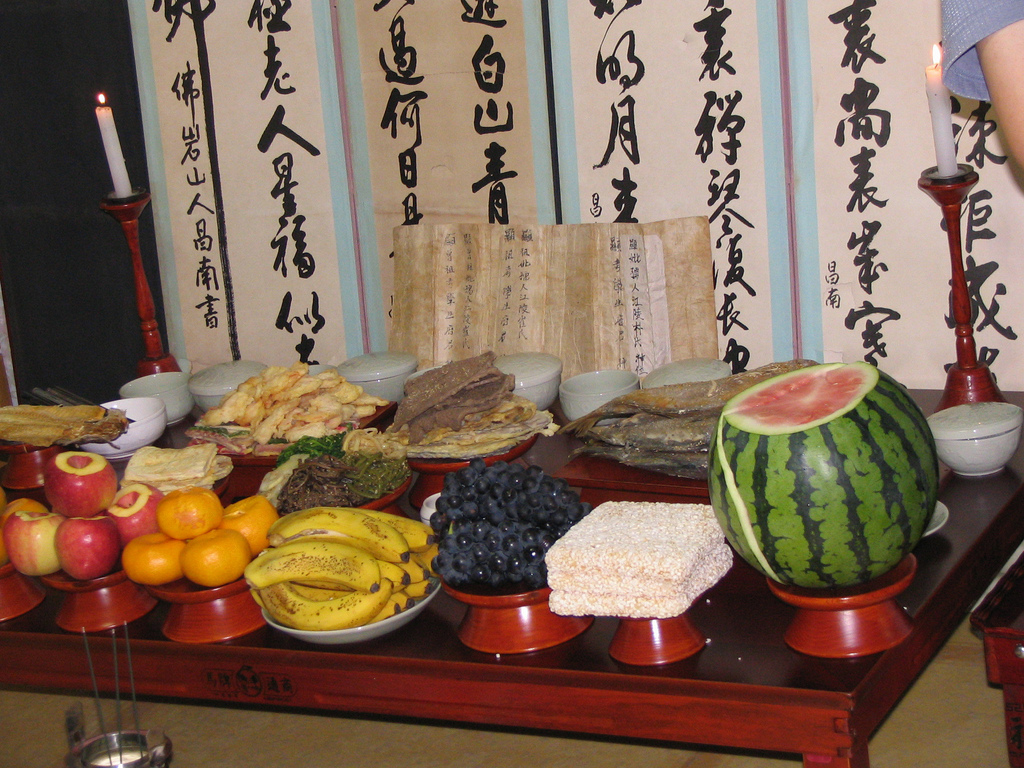 🇰🇷 South KoreaJesa제사 (Jesa)
A Korean ancestral memorial ceremony held on death anniversaries and major holidays.Spiritual · Feasts and festival meals
🇰🇷 South KoreaJesa제사 (Jesa)
A Korean ancestral memorial ceremony held on death anniversaries and major holidays.Spiritual · Feasts and festival meals
 🇯🇵 JapanEma絵馬
Small wooden plaques left at Japanese shrines and temples for prayers and wishes.Spiritual
🇯🇵 JapanEma絵馬
Small wooden plaques left at Japanese shrines and temples for prayers and wishes.Spiritual
 🇯🇵 JapanMiko巫女
A woman who serves at a Shinto shrine, dancing, cleansing and helping with ritesSpiritual
🇯🇵 JapanMiko巫女
A woman who serves at a Shinto shrine, dancing, cleansing and helping with ritesSpiritual
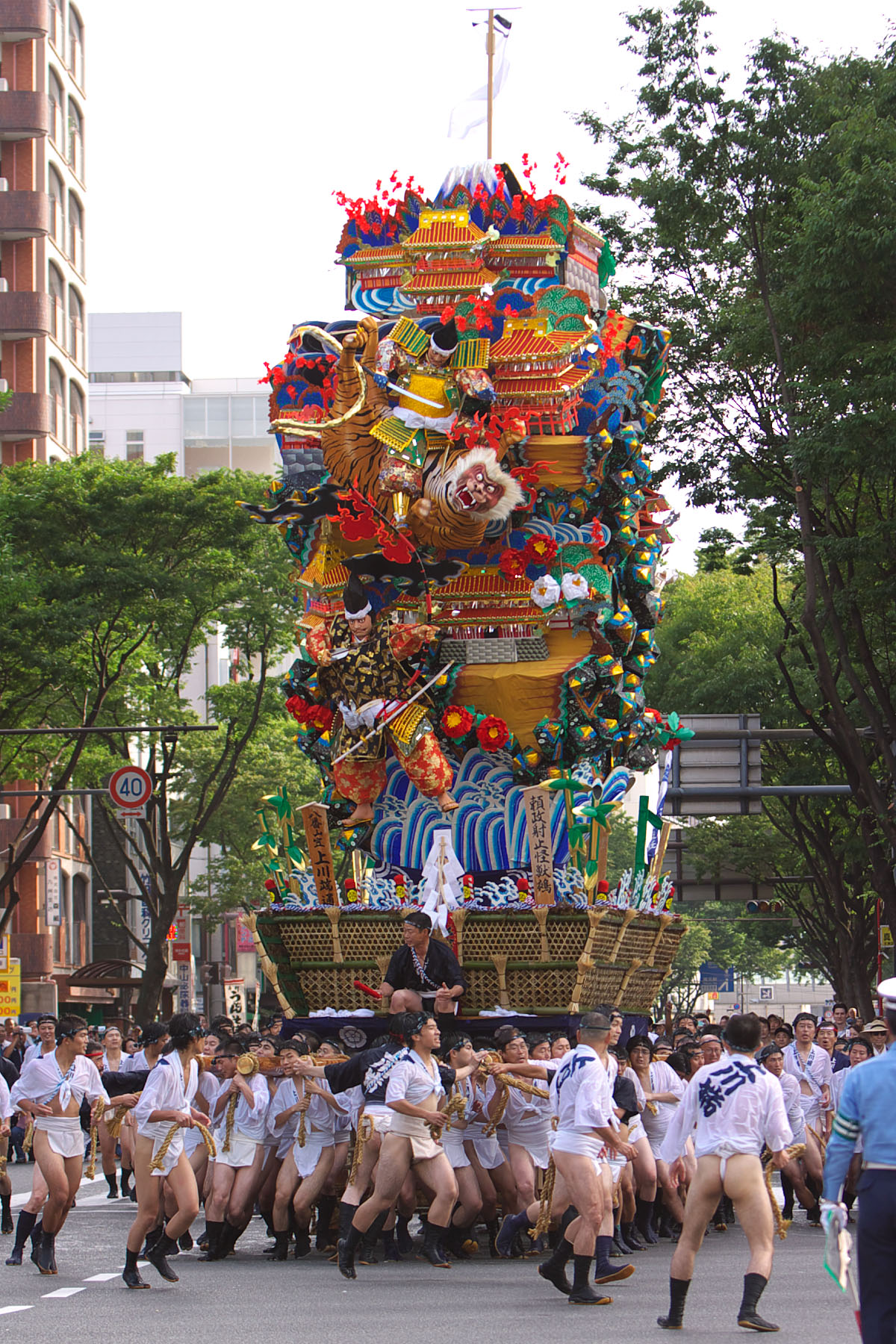 🇯🇵 Fukuoka, JapanHakata Gion Yamakasa博多祇園山笠
A July festival in Fukuoka featuring heavy float races through the streets of Hakata.Festival
🇯🇵 Fukuoka, JapanHakata Gion Yamakasa博多祇園山笠
A July festival in Fukuoka featuring heavy float races through the streets of Hakata.Festival
 🇨🇳 China and 3 moreButter lampདཀར་མེ (Tibetan)
A lit candle made from clarified yak butter, kept in Tibetan Buddhist temples to aid meditation and symbolize enlightenmSpiritual
🇨🇳 China and 3 moreButter lampདཀར་མེ (Tibetan)
A lit candle made from clarified yak butter, kept in Tibetan Buddhist temples to aid meditation and symbolize enlightenmSpiritual
 🇯🇵 JapanOmamori御守 (omamori)
Japanese protective amulets sold at shrines and temples for luck and safety.Spiritual
🇯🇵 JapanOmamori御守 (omamori)
Japanese protective amulets sold at shrines and temples for luck and safety.Spiritual
 🇰🇷 Seoul, South Korea and 1 moreTalchum탈춤
A Korean mask dance drama in which masked actors sing, dance and mock the powerfulPerformance
🇰🇷 Seoul, South Korea and 1 moreTalchum탈춤
A Korean mask dance drama in which masked actors sing, dance and mock the powerfulPerformance
 🇲🇳 Mongolia and 3 moreOvooовоо (Cyrillic Mongolian); ᠣᠪᠤᠭᠠ (Traditional Mongol)
A stone cairn on a peak or pass, circled by travellers and honoured in sky worshipSpiritual
🇲🇳 Mongolia and 3 moreOvooовоо (Cyrillic Mongolian); ᠣᠪᠤᠭᠠ (Traditional Mongol)
A stone cairn on a peak or pass, circled by travellers and honoured in sky worshipSpiritual
 🇨🇳 China and 5 moreQingming Festival清明节
A spring custom of sweeping family graves and honouring ancestors across East Asia.Spiritual
🇨🇳 China and 5 moreQingming Festival清明节
A spring custom of sweeping family graves and honouring ancestors across East Asia.Spiritual
 🇨🇳 China and 7 moreGhost Festival中元節 / 中元节 (Zhōngyuán jié)
A full-moon night in the seventh lunar month for feeding ghosts and guiding souls homeSpiritual
🇨🇳 China and 7 moreGhost Festival中元節 / 中元节 (Zhōngyuán jié)
A full-moon night in the seventh lunar month for feeding ghosts and guiding souls homeSpiritual
 🇯🇵 Tokyo, JapanShichi-Go-San七五三
A Japanese festival celebrating the growth of three-year-old girls, five-year-old boys, and seven-year-old girls.Rite of passage
🇯🇵 Tokyo, JapanShichi-Go-San七五三
A Japanese festival celebrating the growth of three-year-old girls, five-year-old boys, and seven-year-old girls.Rite of passage
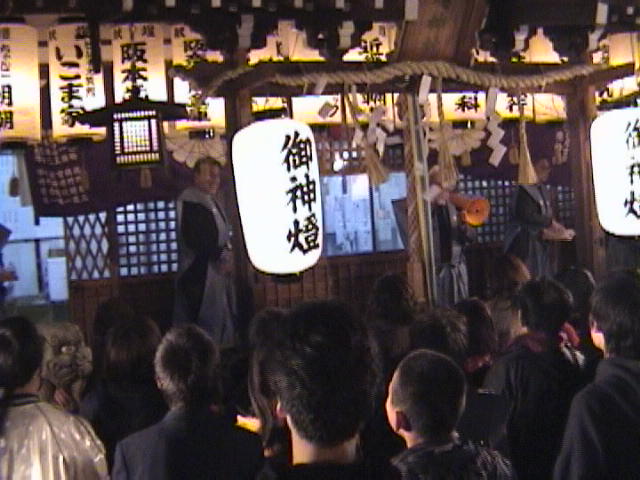 🇯🇵 Tokyo, JapanSetsubun節分
A Japanese ritual of throwing roasted soybeans to banish evil spirits and welcome spring.Festival · Feasts and festival meals
🇯🇵 Tokyo, JapanSetsubun節分
A Japanese ritual of throwing roasted soybeans to banish evil spirits and welcome spring.Festival · Feasts and festival meals
 🇨🇳 Xi'an, ChinaChinese tea culture中国茶文化 (Zhōngguó chá wénhuà)
A centuries-old practice of cultivating, brewing, and sharing tea as a social and spiritual ritual in China.Table custom · Tea, coffee and drinking ceremonies
🇨🇳 Xi'an, ChinaChinese tea culture中国茶文化 (Zhōngguó chá wénhuà)
A centuries-old practice of cultivating, brewing, and sharing tea as a social and spiritual ritual in China.Table custom · Tea, coffee and drinking ceremonies
 🇯🇵 Tokyo, JapanHatsumōde初詣
The first shrine or temple visit of the Japanese New Year to pray for good fortuneSpiritual
🇯🇵 Tokyo, JapanHatsumōde初詣
The first shrine or temple visit of the Japanese New Year to pray for good fortuneSpiritual
 🇯🇵 JapanHadaka Matsuri裸祭り
Japanese festivals where participants clad in loincloths seek luck and purificationSpiritual
🇯🇵 JapanHadaka Matsuri裸祭り
Japanese festivals where participants clad in loincloths seek luck and purificationSpiritual
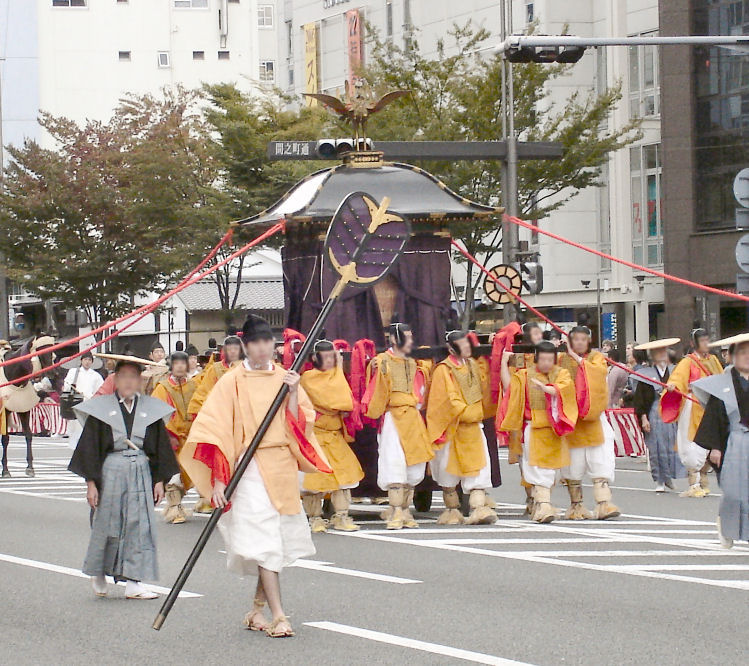 🇯🇵 Kyoto, JapanJidai Matsuri時代祭
An autumn costume procession celebrating Kyoto's imperial heritage and historyFestival
🇯🇵 Kyoto, JapanJidai Matsuri時代祭
An autumn costume procession celebrating Kyoto's imperial heritage and historyFestival
 🇰🇷 Seoul, South KoreaYeondeunghoe연등회
A Korean lantern festival celebrating the Buddha's birthday with glowing lotus lightsSpiritual
🇰🇷 Seoul, South KoreaYeondeunghoe연등회
A Korean lantern festival celebrating the Buddha's birthday with glowing lotus lightsSpiritual
 🇯🇵 Osaka, JapanTsukimi月見 (Tsukimi) / お月見 (Otsukimi)
A Japanese autumn festival honoring the harvest moon with seasonal foods and pampas grass decorations.Festival · Dinner
🇯🇵 Osaka, JapanTsukimi月見 (Tsukimi) / お月見 (Otsukimi)
A Japanese autumn festival honoring the harvest moon with seasonal foods and pampas grass decorations.Festival · Dinner
 🇨🇳 China and 5 moreChinese New Year's Evechúxī
A reunion day for ethnic Chinese families before the Lunar New Year, marked by feasts, rituals, and staying up late.Festival · Dinner
🇨🇳 Beijing, ChinaLaba Festival臘八節
A winter porridge festival marking the start of the Chinese New Year seasonFestival · Feasts and festival meals
🇨🇳 China and 5 moreChinese New Year's Evechúxī
A reunion day for ethnic Chinese families before the Lunar New Year, marked by feasts, rituals, and staying up late.Festival · Dinner
🇨🇳 Beijing, ChinaLaba Festival臘八節
A winter porridge festival marking the start of the Chinese New Year seasonFestival · Feasts and festival meals
 🇨🇳 Lhasa, China and 2 moreSho Dun Festivalཞོ་སྟོན། (Tibetan), 雪頓節 (Chinese)
A summer festival in Lhasa where a monks' retreat ends with yogurt and all-day operaFestival · Feasts and festival meals
🇰🇷 South Korea and 1 moreChuseok추석
A Korean harvest festival of ancestral rites, seasonal rice cakes, and folk gamesFestival · Feasts and festival meals
🇨🇳 Lhasa, China and 2 moreSho Dun Festivalཞོ་སྟོན། (Tibetan), 雪頓節 (Chinese)
A summer festival in Lhasa where a monks' retreat ends with yogurt and all-day operaFestival · Feasts and festival meals
🇰🇷 South Korea and 1 moreChuseok추석
A Korean harvest festival of ancestral rites, seasonal rice cakes, and folk gamesFestival · Feasts and festival meals
 🇯🇵 Tokyo, JapanKanda Matsuri神田祭
A major Shinto festival with massive parades through the streets of central TokyoFestival
🇯🇵 Tokyo, JapanKanda Matsuri神田祭
A major Shinto festival with massive parades through the streets of central TokyoFestival
 🇯🇵 JapanShikoku Pilgrimage四国遍路
A long circuit of 88 temples on Japan's Shikoku island, kept by pilgrims called henroSpiritual
🇹🇼 TaiwanFlying Fish Festival飛魚祭
A months-long seasonal fishing observance kept by the Tao people of Orchid IslandSeasonal
🇰🇷 South KoreaKorean traditional funeral
A multi-day ritual blending Confucian rites and shamanic practices to guide the deceased to the afterlife.Rite of passage
🇯🇵 JapanShikoku Pilgrimage四国遍路
A long circuit of 88 temples on Japan's Shikoku island, kept by pilgrims called henroSpiritual
🇹🇼 TaiwanFlying Fish Festival飛魚祭
A months-long seasonal fishing observance kept by the Tao people of Orchid IslandSeasonal
🇰🇷 South KoreaKorean traditional funeral
A multi-day ritual blending Confucian rites and shamanic practices to guide the deceased to the afterlife.Rite of passage
 🇯🇵 Japan and 4 moreBodhi Day成道会
A Buddhist observance marking the enlightenment of Gautama Buddha under the Bodhi TreeSpiritual
🇯🇵 Japan and 4 moreBodhi Day成道会
A Buddhist observance marking the enlightenment of Gautama Buddha under the Bodhi TreeSpiritual
 🇹🇼 Taichung, TaiwanDajia Mazu Pilgrimage大甲媽祖遶境進香
A nine-day walking procession across central Taiwan honouring the sea goddess MazuSpiritual
🇹🇼 Taichung, TaiwanDajia Mazu Pilgrimage大甲媽祖遶境進香
A nine-day walking procession across central Taiwan honouring the sea goddess MazuSpiritual
 🇯🇵 Kyoto, JapanAoi Matsuri葵祭
A classical Kyoto festival with an imperial procession and ancient shrine ritualsFestival
🇯🇵 Kyoto, JapanAoi Matsuri葵祭
A classical Kyoto festival with an imperial procession and ancient shrine ritualsFestival
 🇨🇳 Dali, ChinaThird Month Fair三月街
A mountain-foot bazaar, festival, and sports gathering among the Bai in YunnanFestival
🇨🇳 Dali, ChinaThird Month Fair三月街
A mountain-foot bazaar, festival, and sports gathering among the Bai in YunnanFestival
 🇯🇵 Kyoto, JapanGion Matsuri祇園祭
A month-long Kyoto festival of grand floats, evening markets and purifying ritualsFestival
🇯🇵 Kyoto, JapanGion Matsuri祇園祭
A month-long Kyoto festival of grand floats, evening markets and purifying ritualsFestival
 🇯🇵 JapanHigan彼岸
A Japanese Buddhist week of reflection and ancestor remembrance at the equinoxesSpiritual
🇯🇵 JapanHigan彼岸
A Japanese Buddhist week of reflection and ancestor remembrance at the equinoxesSpiritual
 🇯🇵 Osaka, JapanTenjin Matsuri天神祭
A major Shinto festival in Osaka featuring a street procession and a river boat parade on the Okawa River.Festival
🇯🇵 Osaka, JapanTenjin Matsuri天神祭
A major Shinto festival in Osaka featuring a street procession and a river boat parade on the Okawa River.Festival
 🇯🇵 Tokyo, JapanSanja Matsuri三社祭
A loud three-day Shinto festival in Tokyo honoring the founders of Sensō-ji temple.Festival
🇯🇵 Tokyo, JapanSanja Matsuri三社祭
A loud three-day Shinto festival in Tokyo honoring the founders of Sensō-ji temple.Festival
 🇯🇵 Chichibu, JapanChichibu Night Festival秩父夜祭
A December shrine gathering in Chichibu featuring historic Japanese festival floats.Festival
🇯🇵 Chichibu, JapanChichibu Night Festival秩父夜祭
A December shrine gathering in Chichibu featuring historic Japanese festival floats.Festival
 🇯🇵 Kyoto, JapanGozan no Okuribi五山送り火
Five giant bonfires lit across Kyoto's hills to bid farewell to ancestor spirits.Spiritual
🇯🇵 Kyoto, JapanGozan no Okuribi五山送り火
Five giant bonfires lit across Kyoto's hills to bid farewell to ancestor spirits.Spiritual
 🇯🇵 Japan and 2 moreJoya no Kane除夜の鐘
A Japanese Buddhist New Year's Eve ritual where temple bells are struck to cleanse the year of worldly desires.Spiritual
🇯🇵 Japan and 2 moreJoya no Kane除夜の鐘
A Japanese Buddhist New Year's Eve ritual where temple bells are struck to cleanse the year of worldly desires.Spiritual
 🇯🇵 Tokyo, Japan and 3 moreObonお盆 (Obon)
A Japanese Buddhist festival honoring the spirits of ancestors through dance, light, and family reunion.Festival
🇯🇵 Tokyo, Japan and 3 moreObonお盆 (Obon)
A Japanese Buddhist festival honoring the spirits of ancestors through dance, light, and family reunion.Festival
Photo credits on this page
The small pictures above come from Wikimedia Commons under free licences. Some are cropped to fit.
- Hatsumōde: KKPCW, CC BY-SA 4.0, source
- Kanda Matsuri: Jose Fernando, CC BY-SA 2.0, source
- Shikoku Pilgrimage: Dokudami, CC BY-SA 3.0, source
- Yeondeunghoe: Korea.net / Korean Culture and Information Service (Jeon Han), CC BY-SA 2.0, source
- Chinese tea culture: Gary Stevens, CC BY 2.0, source
- Shichi-Go-San: Bergmann at Japanese Wikipedia, CC BY 3.0, source
- Setsubun: Unknown author, CC BY-SA 3.0, source
- Ovoo: Bouette ., CC BY-SA 3.0, source
- Bodhi Day: Shirazibustan, CC BY-SA 4.0, source
- Jidai Matsuri: PlusMinus, CC BY-SA 3.0, source
- Dajia Mazu Pilgrimage: Mazubobee, CC BY-SA 4.0, source
- Tsukimi: katorisi, CC BY 3.0, source
- Aoi Matsuri: Japanexperterna, CC BY-SA 3.0, source
- Miko: Chris Gladis, Flickr user MShades, CC BY 2.0, source
- Third Month Fair: ZhaoScorpio, CC BY-SA 2.0, source
- Gion Matsuri: 江戸村のとくぞう, CC BY-SA 4.0, source
- Chuseok: by Joseph Steinberg (Baltimoron in Korea) at Flickr, CC BY-SA 2.0, source
- Talchum: originally by photoren, CC BY 2.0, source
- Higan: Kakidai, CC BY-SA 4.0, source
- Tenjin Matsuri: 663highland, CC BY 2.5, source
- Sanja Matsuri: View_of_mikoshi_from_sensoji_Sanja_Matsuri_2006-2.jpg : * View_of_miko, CC BY-SA 3.0, source
- Chichibu Night Festival: ちちびあん, CC BY-SA 4.0, source
- Gozan no Okuribi: J_o, CC BY-SA 3.0, source
- Joya no Kane: Leung Ming Ho (Michael) (MHLeung), CC BY-SA 4.0, source
- Obon: Batholith, Public domain, source
- Kishiwada Danjiri Matsuri: Kounosu, CC BY-SA 3.0, source
- Gut: ReSearcher at English Wikipedia, CC BY-SA 3.0, source
- Torii: JordyMeow, CC BY-SA 3.0, source
- Feng shui: Unknown author, Public domain, source
- Omikuji: C121749n, Public domain, source
- Kyūdō: Unknown author, Public domain, source
- Prayer wheel: David Abián, CC BY-SA 4.0, source
- Templestay: (c)한국불교문화사업단, culturalcorpsofkoreanbuddhism, CC BY-SA 3.0, source
- Jichinsai: ウィキ太郎(Wiki Taro), Public domain, source
- Pindapata: Suhendro winarso, CC BY-SA 4.0, source
- Ema: No machine-readable author provided. Fg2 assumed (based on copyright c, Public domain, source
- Hakata Gion Yamakasa: Pontafon, CC BY-SA 3.0, source
- Butter lamp: Chris Fynn, CC BY-SA 3.0, source
- Omamori: Leongboy1, Public domain, source
- Sho Dun Festival: No machine-readable author provided. John Hill assumed (based on copyr, CC BY 2.5, source
- Hadaka Matsuri: CES, CC BY-SA 3.0, source
- Qingming Festival: Jacklee ., CC BY-SA 3.0, source
- Ghost Festival: Chong Fat, CC BY-SA 3.0, source
- Chinese New Year's Eve: Mickey Đại Phát, CC BY-SA 4.0, source