Shinto, Taoist and folk Chinese traditions
Shinto, Taoist and folk Chinese traditions cover the native customs of Japan and China and their neighbours: shrine visits and festivals, ancestor veneration, temple fairs, the Lunar New Year, Qingming, the Hungry Ghost month, the rites of birth and marriage, feng shui and traditional medicine.
Shinto, Taoist and folk Chinese traditions cover the native customs of Japan and China and their neighbours: shrine visits and festivals, ancestor veneration, temple fairs, the Lunar New Year, Qingming, the Hungry Ghost month, the rites of birth and marriage, feng shui and traditional medicine. These are practised alongside Buddhism and Confucian ethics and often without a clear line between them. Many people take part in the customs without thinking of them as a religion. These pages describe them as those who keep them do.
Shrines, gods and spirits
In Shinto, kami, spirits of nature, places and ancestors, are honoured at shrines, with a bow, a clap, a coin and a prayer. Festivals, matsuri, carry the kami in portable shrines through the streets, accompanied by drums and food stalls. In Chinese folk religion, temples to local gods, such as Mazu and Guandi, are the centre of festivals, with incense, offerings and operas performed for the deities.
Ancestors and the year
Households keep an ancestral altar, and the year is marked by Lunar New Year, Qingming tomb sweeping, the Dragon Boat Festival, the Hungry Ghost Festival and the Mid-Autumn Festival. In Japan, hatsumode, setsubun, the Girls' Day and Obon give the year its rhythm. Many of these blend Buddhist, Taoist and Confucian elements, and families keep them as part of being at home.
Written by the EveryParampara desk with AI assistance. Background on Shinto, Taoist and folk Chinese (faith). Customs differ from place to place and family to family. If this is your tradition and we have it wrong, tell us.
 🇮🇳 India and 5 morePretaप्रेत
Offerings and rites for spirits enduring deep hunger across Asian traditions.Spiritual
🇮🇳 India and 5 morePretaप्रेत
Offerings and rites for spirits enduring deep hunger across Asian traditions.Spiritual
 🇯🇵 JapanJichinsai地鎮祭
A Shinto ritual to ask the land spirits for protection before building a new home or structure.Spiritual
🇯🇵 JapanJichinsai地鎮祭
A Shinto ritual to ask the land spirits for protection before building a new home or structure.Spiritual
 🇯🇵 JapanEma絵馬
Small wooden plaques left at Japanese shrines and temples for prayers and wishes.Spiritual
🇯🇵 JapanEma絵馬
Small wooden plaques left at Japanese shrines and temples for prayers and wishes.Spiritual
 🇯🇵 Japan and 2 moreKyūdō弓道
The Japanese martial art of archery, practiced with an asymmetrical longbowGame
🇯🇵 Japan and 2 moreKyūdō弓道
The Japanese martial art of archery, practiced with an asymmetrical longbowGame
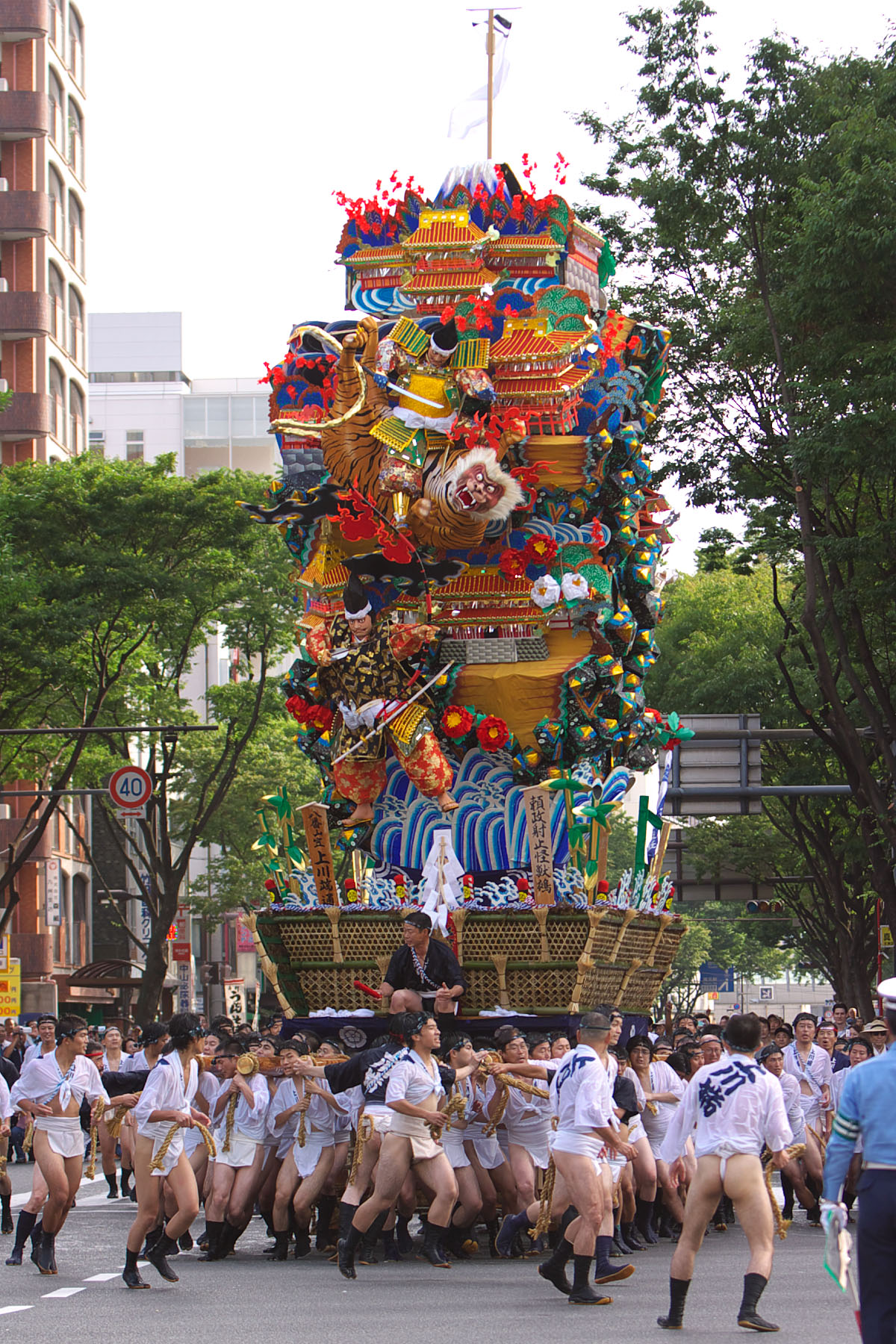 🇯🇵 Fukuoka, JapanHakata Gion Yamakasa博多祇園山笠
A July festival in Fukuoka featuring heavy float races through the streets of Hakata.Festival
🇯🇵 Fukuoka, JapanHakata Gion Yamakasa博多祇園山笠
A July festival in Fukuoka featuring heavy float races through the streets of Hakata.Festival
 🇯🇵 JapanOmamori御守 (omamori)
Japanese protective amulets sold at shrines and temples for luck and safety.Spiritual
🇯🇵 JapanOmamori御守 (omamori)
Japanese protective amulets sold at shrines and temples for luck and safety.Spiritual
 🇯🇵 JapanOmikujiおみくじ
Paper fortunes drawn at Japanese shrines and temples to consult divine guidanceSpiritual
🇯🇵 JapanOmikujiおみくじ
Paper fortunes drawn at Japanese shrines and temples to consult divine guidanceSpiritual
 🇨🇳 Puyang, ChinaFeng shui風水
The Chinese spatial practice of aligning homes and graves with natural energyFolklore
🇨🇳 Puyang, ChinaFeng shui風水
The Chinese spatial practice of aligning homes and graves with natural energyFolklore
 🇯🇵 Kyoto, JapanTorii鳥居
A traditional Japanese gate marking the entrance to a Shinto shrine and separating the sacred from the mundane.Spiritual
🇯🇵 Kyoto, JapanTorii鳥居
A traditional Japanese gate marking the entrance to a Shinto shrine and separating the sacred from the mundane.Spiritual
 🇯🇵 JapanMiko巫女
A woman who serves at a Shinto shrine, dancing, cleansing and helping with ritesSpiritual
🇯🇵 JapanMiko巫女
A woman who serves at a Shinto shrine, dancing, cleansing and helping with ritesSpiritual
 🇯🇵 Kishiwada, JapanKishiwada Danjiri Matsuri岸和田だんじり祭
A high-speed festival of wooden shrine floats pulled through Kishiwada, JapanFestival
🇯🇵 Kishiwada, JapanKishiwada Danjiri Matsuri岸和田だんじり祭
A high-speed festival of wooden shrine floats pulled through Kishiwada, JapanFestival
 🇲🇦 Marrakesh, Morocco and 5 moreGnawa musicڭْناوة or كْناوة
A spiritual musical tradition of Morocco that blends West African rhythms with Islamic ritual to heal and connect communPerformance
🇲🇦 Marrakesh, Morocco and 5 moreGnawa musicڭْناوة or كْناوة
A spiritual musical tradition of Morocco that blends West African rhythms with Islamic ritual to heal and connect communPerformance
 🇨🇳 China and 5 moreQingming Festival清明节
A spring custom of sweeping family graves and honouring ancestors across East Asia.Spiritual
🇨🇳 China and 5 moreQingming Festival清明节
A spring custom of sweeping family graves and honouring ancestors across East Asia.Spiritual
 🇨🇳 China and 7 moreGhost Festival中元節 / 中元节 (Zhōngyuán jié)
A full-moon night in the seventh lunar month for feeding ghosts and guiding souls homeSpiritual
🇨🇳 China and 7 moreGhost Festival中元節 / 中元节 (Zhōngyuán jié)
A full-moon night in the seventh lunar month for feeding ghosts and guiding souls homeSpiritual
 🇺🇦 Kyiv, Ukraine and 14 morePysankaписанка
A wax-resist egg decorating tradition kept by Slavic communities for Easter and spring renewal.Festival
🇺🇦 Kyiv, Ukraine and 14 morePysankaписанка
A wax-resist egg decorating tradition kept by Slavic communities for Easter and spring renewal.Festival
 🇯🇵 Tokyo, JapanShichi-Go-San七五三
A Japanese festival celebrating the growth of three-year-old girls, five-year-old boys, and seven-year-old girls.Rite of passage
🇯🇵 Tokyo, JapanShichi-Go-San七五三
A Japanese festival celebrating the growth of three-year-old girls, five-year-old boys, and seven-year-old girls.Rite of passage
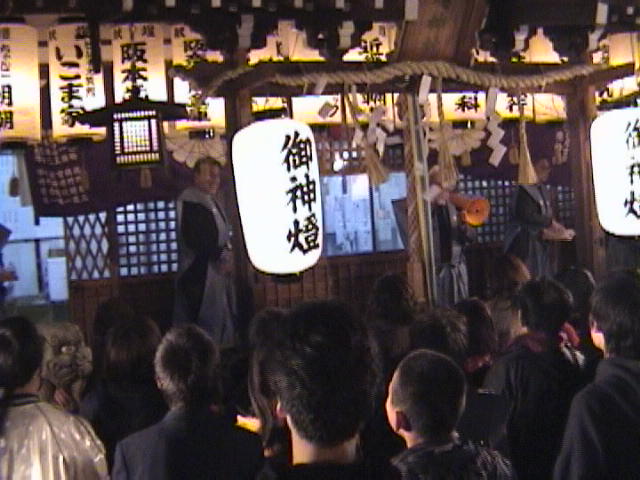 🇯🇵 Tokyo, JapanSetsubun節分
A Japanese ritual of throwing roasted soybeans to banish evil spirits and welcome spring.Festival · Feasts and festival meals
🇯🇵 Tokyo, JapanSetsubun節分
A Japanese ritual of throwing roasted soybeans to banish evil spirits and welcome spring.Festival · Feasts and festival meals
 🇺🇦 Kyiv, UkraineChristmas in UkraineРіздво (Rizdvo)
A Ukrainian Christmas celebration with a twelve-dish vegan supper on Christmas Eve and observance on January 6 or DecembFestival · Supper
🇺🇦 Kyiv, UkraineChristmas in UkraineРіздво (Rizdvo)
A Ukrainian Christmas celebration with a twelve-dish vegan supper on Christmas Eve and observance on January 6 or DecembFestival · Supper
 🇯🇵 Tokyo, JapanHatsumōde初詣
The first shrine or temple visit of the Japanese New Year to pray for good fortuneSpiritual
🇯🇵 Tokyo, JapanHatsumōde初詣
The first shrine or temple visit of the Japanese New Year to pray for good fortuneSpiritual
 🇯🇵 JapanHadaka Matsuri裸祭り
Japanese festivals where participants clad in loincloths seek luck and purificationSpiritual
🇯🇵 JapanHadaka Matsuri裸祭り
Japanese festivals where participants clad in loincloths seek luck and purificationSpiritual
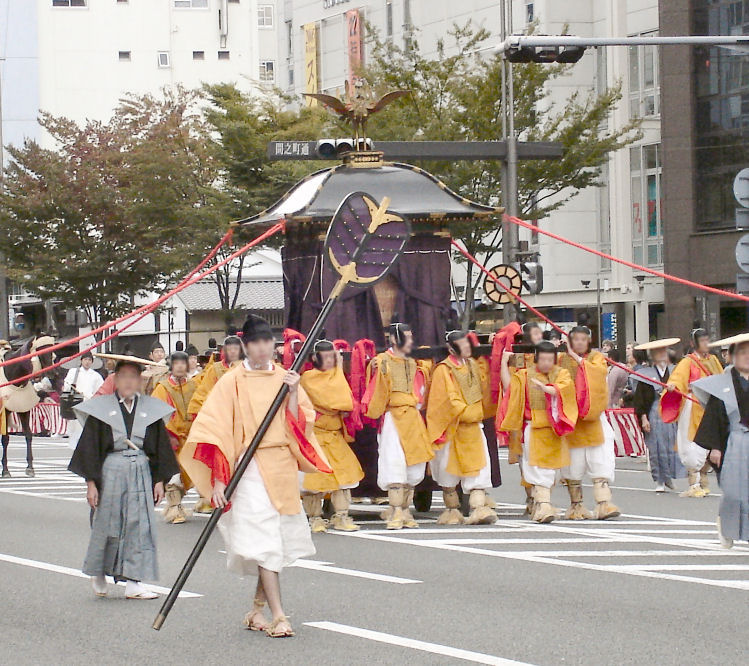 🇯🇵 Kyoto, JapanJidai Matsuri時代祭
An autumn costume procession celebrating Kyoto's imperial heritage and historyFestival
🇯🇵 Kyoto, JapanJidai Matsuri時代祭
An autumn costume procession celebrating Kyoto's imperial heritage and historyFestival
 🇨🇳 China and 5 moreChinese New Year's Evechúxī
A reunion day for ethnic Chinese families before the Lunar New Year, marked by feasts, rituals, and staying up late.Festival · Dinner
🇨🇳 Beijing, ChinaLaba Festival臘八節
A winter porridge festival marking the start of the Chinese New Year seasonFestival · Feasts and festival meals
🇨🇳 China and 5 moreChinese New Year's Evechúxī
A reunion day for ethnic Chinese families before the Lunar New Year, marked by feasts, rituals, and staying up late.Festival · Dinner
🇨🇳 Beijing, ChinaLaba Festival臘八節
A winter porridge festival marking the start of the Chinese New Year seasonFestival · Feasts and festival meals
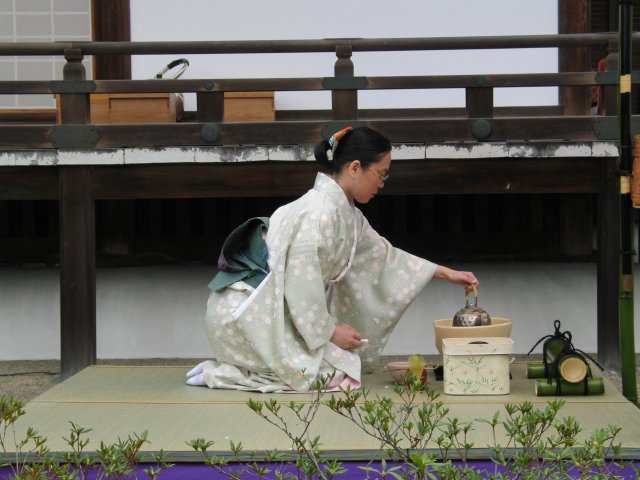 🇯🇵 Kyoto, JapanJapanese tea ceremony茶道 (Sadō / Chadō), 茶の湯 (Chanoyu)
The formal serving of powdered matcha, shaped by Zen, Shinto and wabiTable custom · Tea, coffee and drinking ceremonies
🇯🇵 Kyoto, JapanJapanese tea ceremony茶道 (Sadō / Chadō), 茶の湯 (Chanoyu)
The formal serving of powdered matcha, shaped by Zen, Shinto and wabiTable custom · Tea, coffee and drinking ceremonies
 🇯🇵 Tokyo, JapanKanda Matsuri神田祭
A major Shinto festival with massive parades through the streets of central TokyoFestival
🇯🇵 Tokyo, JapanKanda Matsuri神田祭
A major Shinto festival with massive parades through the streets of central TokyoFestival
 🇹🇼 Taichung, TaiwanDajia Mazu Pilgrimage大甲媽祖遶境進香
A nine-day walking procession across central Taiwan honouring the sea goddess MazuSpiritual
🇹🇼 Taichung, TaiwanDajia Mazu Pilgrimage大甲媽祖遶境進香
A nine-day walking procession across central Taiwan honouring the sea goddess MazuSpiritual
 🇯🇵 Kyoto, JapanAoi Matsuri葵祭
A classical Kyoto festival with an imperial procession and ancient shrine ritualsFestival
🇯🇵 Kyoto, JapanAoi Matsuri葵祭
A classical Kyoto festival with an imperial procession and ancient shrine ritualsFestival
 🇯🇵 Kyoto, JapanGion Matsuri祇園祭
A month-long Kyoto festival of grand floats, evening markets and purifying ritualsFestival
🇯🇵 Kyoto, JapanGion Matsuri祇園祭
A month-long Kyoto festival of grand floats, evening markets and purifying ritualsFestival
 🇯🇵 Osaka, JapanTenjin Matsuri天神祭
A major Shinto festival in Osaka featuring a street procession and a river boat parade on the Okawa River.Festival
🇯🇵 Osaka, JapanTenjin Matsuri天神祭
A major Shinto festival in Osaka featuring a street procession and a river boat parade on the Okawa River.Festival
 🇯🇵 Tokyo, JapanSanja Matsuri三社祭
A loud three-day Shinto festival in Tokyo honoring the founders of Sensō-ji temple.Festival
🇯🇵 Tokyo, JapanSanja Matsuri三社祭
A loud three-day Shinto festival in Tokyo honoring the founders of Sensō-ji temple.Festival
 🇯🇵 Tokyo, JapanDaijō-sai大嘗祭
The emperor's once-in-a-reign Shinto rite of thanks for the rice harvestSpiritual
🇯🇵 Tokyo, JapanDaijō-sai大嘗祭
The emperor's once-in-a-reign Shinto rite of thanks for the rice harvestSpiritual
 🇯🇵 Tokyo, Japan and 5 moreTaiko太鼓 (taiko)
Japanese drums, and the ensemble style of playing themPerformance
🇯🇵 Tokyo, Japan and 5 moreTaiko太鼓 (taiko)
Japanese drums, and the ensemble style of playing themPerformance
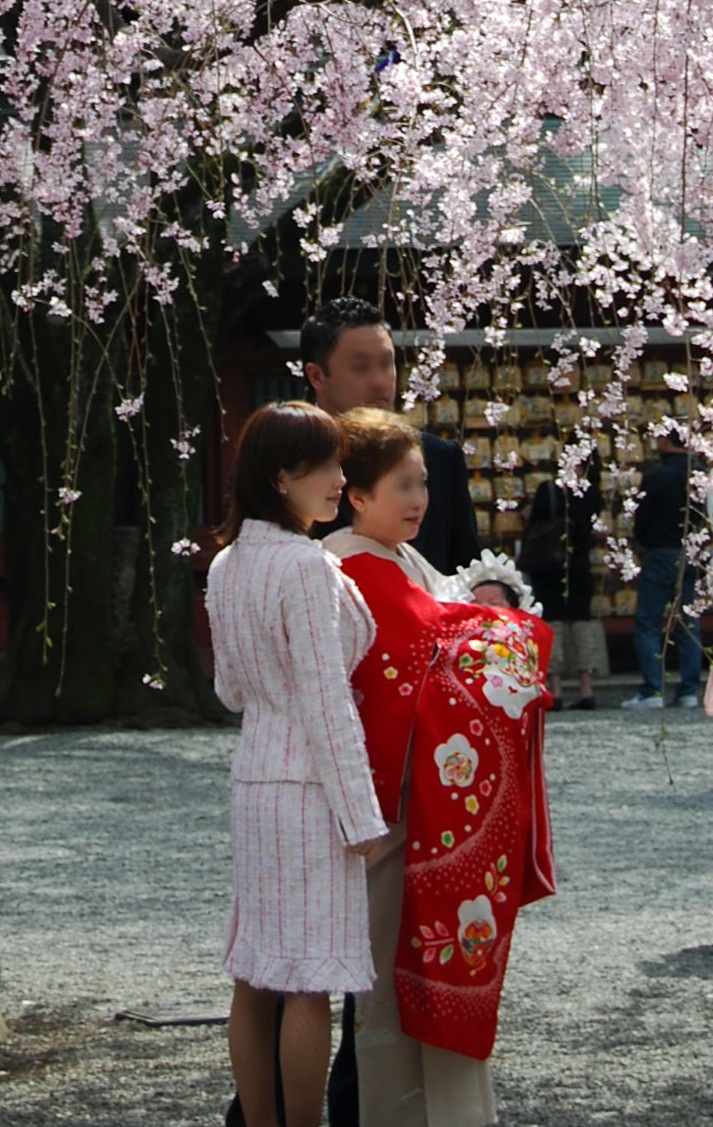 🇯🇵 JapanMiyamairi宮参り
A first visit to a Shinto shrine, about a month after a baby is bornRite of passage
🇯🇵 JapanMiyamairi宮参り
A first visit to a Shinto shrine, about a month after a baby is bornRite of passage
 🇯🇵 Hiroshima, JapanKagura神楽
A sacred Shinto dance tradition in Japan that invites deities to descend and perform through human dancers.Performance
🇯🇵 Hiroshima, JapanKagura神楽
A sacred Shinto dance tradition in Japan that invites deities to descend and perform through human dancers.Performance
 🇯🇵 JapanJapanese funeral葬儀 (sōgi)
A Buddhist farewell in Japan: a wake, cremation, bone-gathering and a family graveRite of passage
🇯🇵 JapanJapanese funeral葬儀 (sōgi)
A Buddhist farewell in Japan: a wake, cremation, bone-gathering and a family graveRite of passage
 🇯🇵 Tokyo, JapanShinto wedding神前結婚
A short purification ceremony before the kami, sealed by three cups of sakeRite of passage
🇯🇵 Tokyo, JapanShinto wedding神前結婚
A short purification ceremony before the kami, sealed by three cups of sakeRite of passage
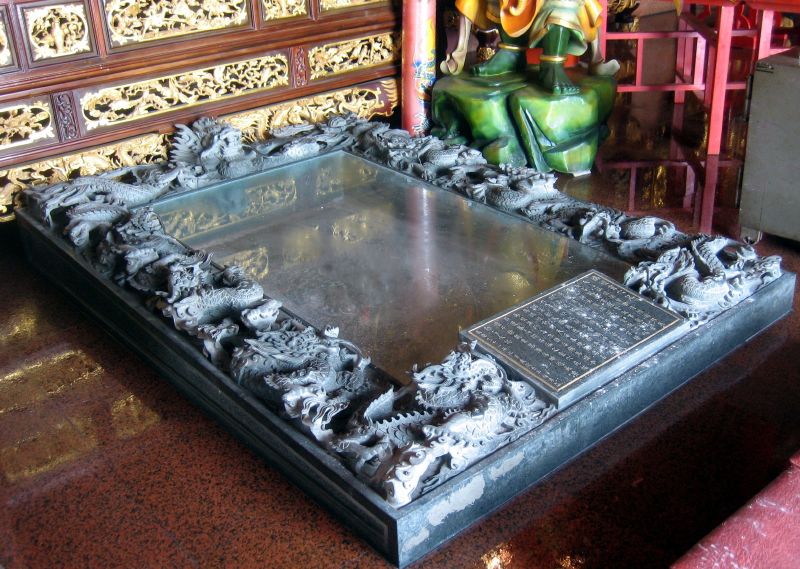 🇨🇳 Meizhou Island, China and 5 moreMazu媽祖
A sea goddess of the Chinese coast, asked for calm water and a safe returnSpiritual
🇨🇳 Meizhou Island, China and 5 moreMazu媽祖
A sea goddess of the Chinese coast, asked for calm water and a safe returnSpiritual
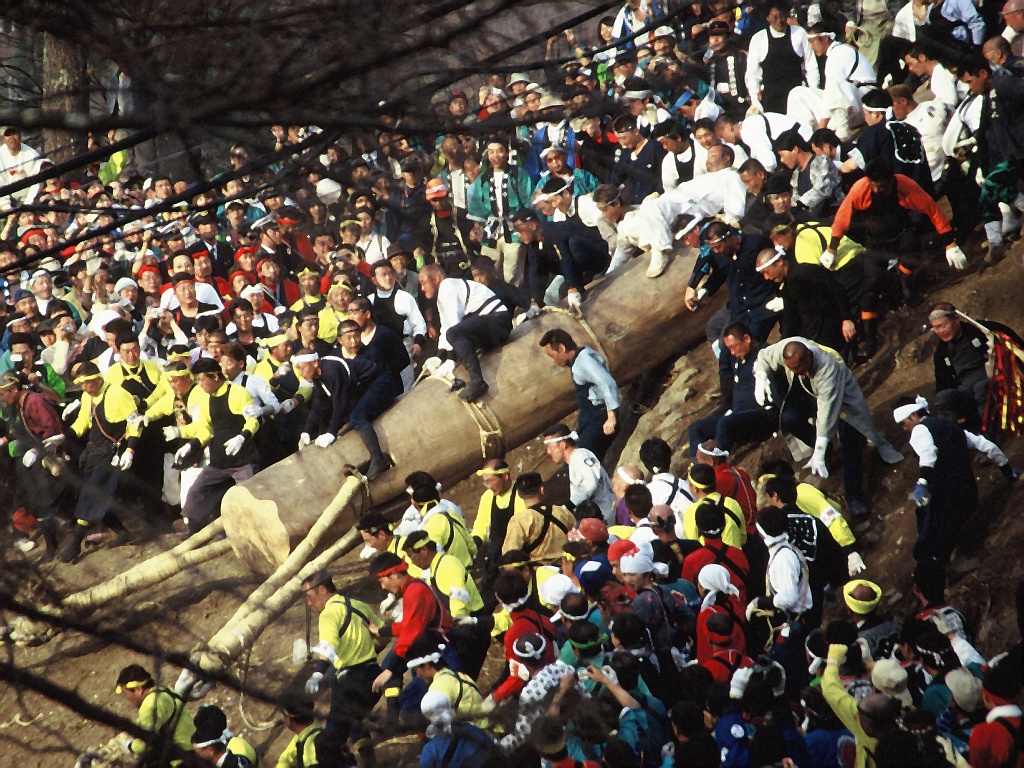 🇯🇵 Suwa, JapanOnbashira Festival式年造営御柱大祭
A rite in Nagano where massive fir logs are dragged down mountains and raised at shrinesSpiritual
🇯🇵 Suwa, JapanOnbashira Festival式年造営御柱大祭
A rite in Nagano where massive fir logs are dragged down mountains and raised at shrinesSpiritual
 🇨🇳 ChinaChinese funeral rituals
Traditional rites of mourning, vigils, offerings, and ancestor veneration across ChinaRite of passage
🇨🇳 ChinaChinese funeral rituals
Traditional rites of mourning, vigils, offerings, and ancestor veneration across ChinaRite of passage
 🇨🇳 China and 5 moreJoss paper金紙 (jīnzhǐ)
Paper money burned for ancestors and gods, folded and offered in Chinese worshipSpiritual
🇨🇳 China and 5 moreJoss paper金紙 (jīnzhǐ)
Paper money burned for ancestors and gods, folded and offered in Chinese worshipSpiritual
 🇭🇰 Cheung Chau, Hong KongCheung Chau Bun Festival包山節
A week of vegetarian days, bun towers and a midnight scramble on a Hong Kong islandFestival
🇦🇱 Gjirokastër, Albania and 5 moreDodola and Perperuna
A rainmaking ritual kept across Southeast Europe, where children dressed in greenery lead processions to call for summerSpiritual
🇭🇰 Cheung Chau, Hong KongCheung Chau Bun Festival包山節
A week of vegetarian days, bun towers and a midnight scramble on a Hong Kong islandFestival
🇦🇱 Gjirokastër, Albania and 5 moreDodola and Perperuna
A rainmaking ritual kept across Southeast Europe, where children dressed in greenery lead processions to call for summerSpiritual
 🇨🇳 China and 1 moreDajiao打醮
An annual Taoist ritual and festival seeking peace and safety for the communitySpiritual · Feasts and festival meals
🇨🇳 China and 1 moreDajiao打醮
An annual Taoist ritual and festival seeking peace and safety for the communitySpiritual · Feasts and festival meals
 🇨🇳 Xi'an, ChinaXi'an guyue西安鼓乐
Ritual wind and percussion music from Xi'an, played sitting or walkingPerformance
🇨🇳 Taiyuan, ChinaGuan Li冠禮
The traditional Chinese coming-of-age capping ceremony for young menRite of passage
🇨🇳 China and 3 moreQimen Dunjia奇門遁甲
A classical Chinese divination system that maps time, space, and strategySpiritual
🇨🇳 China and 1 moreRed Thread of Fate姻緣紅線
An East Asian belief in an invisible cord binding two people destined for marriageFolklore
🇨🇳 Xi'an, ChinaXi'an guyue西安鼓乐
Ritual wind and percussion music from Xi'an, played sitting or walkingPerformance
🇨🇳 Taiyuan, ChinaGuan Li冠禮
The traditional Chinese coming-of-age capping ceremony for young menRite of passage
🇨🇳 China and 3 moreQimen Dunjia奇門遁甲
A classical Chinese divination system that maps time, space, and strategySpiritual
🇨🇳 China and 1 moreRed Thread of Fate姻緣紅線
An East Asian belief in an invisible cord binding two people destined for marriageFolklore
 🇨🇳 China and 1 moreFive Grains五穀
A sacred grouping of staple crops honoured as the bedrock of East Asian civilizationFolklore
🇨🇳 China and 1 moreFive Grains五穀
A sacred grouping of staple crops honoured as the bedrock of East Asian civilizationFolklore
Photo credits on this page
The small pictures above come from Wikimedia Commons under free licences. Some are cropped to fit.
- Five Grains: Kurt Stüber [1], CC BY-SA 3.0, source
- Hatsumōde: KKPCW, CC BY-SA 4.0, source
- Christmas in Ukraine: Halyna Kuchmanych, CC BY-SA 4.0, source
- Kanda Matsuri: Jose Fernando, CC BY-SA 2.0, source
- Shichi-Go-San: Bergmann at Japanese Wikipedia, CC BY 3.0, source
- Setsubun: Unknown author, CC BY-SA 3.0, source
- Jidai Matsuri: PlusMinus, CC BY-SA 3.0, source
- Dajia Mazu Pilgrimage: Mazubobee, CC BY-SA 4.0, source
- Aoi Matsuri: Japanexperterna, CC BY-SA 3.0, source
- Miko: Chris Gladis, Flickr user MShades, CC BY 2.0, source
- Gion Matsuri: 江戸村のとくぞう, CC BY-SA 4.0, source
- Tenjin Matsuri: 663highland, CC BY 2.5, source
- Sanja Matsuri: View_of_mikoshi_from_sensoji_Sanja_Matsuri_2006-2.jpg : * View_of_miko, CC BY-SA 3.0, source
- Preta: Temple, Richard Carnac, Sir, Public domain, source
- Kishiwada Danjiri Matsuri: Kounosu, CC BY-SA 3.0, source
- Torii: JordyMeow, CC BY-SA 3.0, source
- Feng shui: Unknown author, Public domain, source
- Omikuji: C121749n, Public domain, source
- Kyūdō: Unknown author, Public domain, source
- Daijō-sai: Abasaa, Public domain, source
- Gnawa music: Lucyin, CC BY-SA 4.0, source
- Jichinsai: ウィキ太郎(Wiki Taro), Public domain, source
- Ema: No machine-readable author provided. Fg2 assumed (based on copyright c, Public domain, source
- Taiko: Ohno.A, CC BY-SA 4.0, source
- Hakata Gion Yamakasa: Pontafon, CC BY-SA 3.0, source
- Omamori: Leongboy1, Public domain, source
- Xi'an guyue: Liuxingy, CC BY-SA 4.0, source
- Miyamairi: I (Sakura-saku-kuni) took this photograph., Public domain, source
- Kagura: Elstner Hilton, Public domain, source
- Japanese funeral: 夢の散歩, CC BY-SA 3.0, source
- Shinto wedding: Jakub Hałun, CC BY-SA 4.0, source
- Mazu: Prince Roy, CC BY-SA 3.0, source
- Pysanka: Lubap, CC BY-SA 4.0, source
- Hadaka Matsuri: CES, CC BY-SA 3.0, source
- Qingming Festival: Jacklee ., CC BY-SA 3.0, source
- Ghost Festival: Chong Fat, CC BY-SA 3.0, source
- Chinese New Year's Eve: Mickey Đại Phát, CC BY-SA 4.0, source
- Dajiao: 29cm, CC BY-SA 2.0, source
- Onbashira Festival: Si-take. at Japanese Wikipedia, CC BY-SA 3.0, source
- Chinese funeral rituals: Salzmann, E.v., CC BY-SA 3.0 de, source
- Joss paper: Vmenkov, CC BY-SA 3.0, source
- Cheung Chau Bun Festival: .怪貓., CC BY 2.0, source
- Japanese tea ceremony: Photograph taken by Stephane D'Alu ( en:User:Sdalu ) in April 2004, CC BY-SA 3.0, source