Traditions of Foumban
The seat of the Bamum sultanate in Cameroon, with a royal palace, a script of its own and a Nguon festival.
Foumban is the capital of the Bamum people, ruled by a sultan whose line goes back to about 1394. The palace, built in the early twentieth century in a German-influenced style, contains a museum. King Njoya invented the Bamum script in 1896. Crafts of bronze, wood and beads thrive in the town.
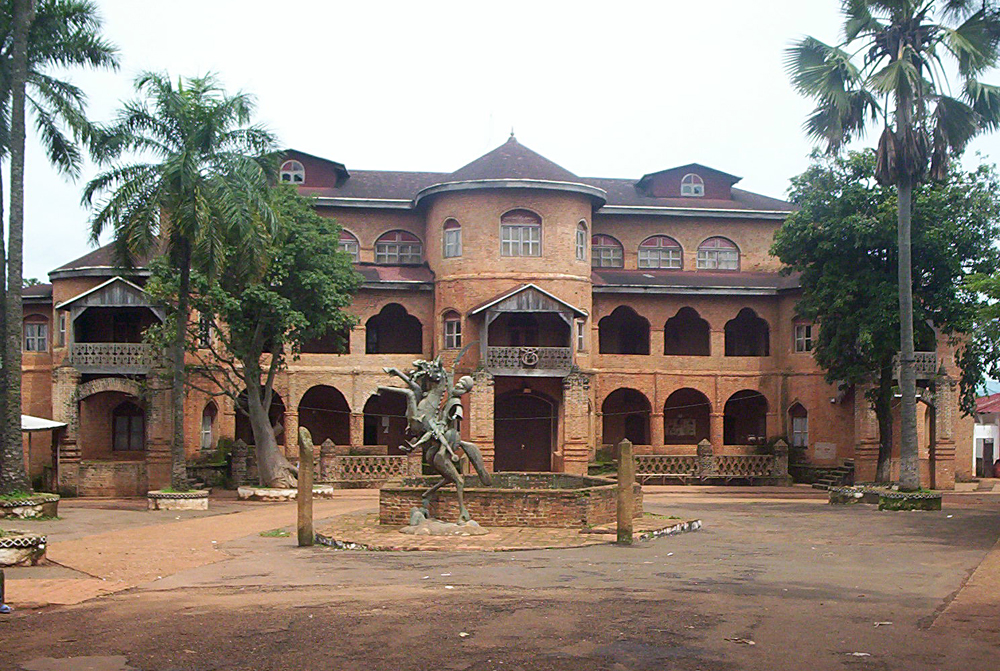
Nguon and the arts
The Nguon festival, held every two years in December, includes a procession of the sultan and dancers in masks and costumes, with horsemen and drumming. The Bamum are known for beadwork, carved stools and bronze casting by the lost-wax method. The sultan's palace shows a thousand objects in the museum.
At the table
Meals include achu, pounded cocoyam in a yellow soup of palm oil and lime, and ndolé, bitterleaf stew with groundnuts and fish. Palm wine is tapped from raffia trees. The Bamum greet guests with kola, and a glass of corn beer is shared in the palace.
Signature traditions of Foumban
Also part of it, and being written: Bamum script (The script of King Njoya.), Achu (The yellow soup dish.), Ndolé (The Cameroonian national dish.).
A trail idea for Foumban
- Royal Palace Visit the museum.
- Artisan village See bronze casters.
- Foumban market Buy beads and cloth.
Written by the EveryParampara desk with AI assistance. Opening hours, markets and festival dates change; check locally before travelling. Customs differ from place to place and family to family. If this is your tradition and we have it wrong, tell us.
No traditions here yet. New pages are added every day.