🇵🇦 Traditions of Panama
4 traditions from Panama, best known first, across 5 cities and towns.
Panamanian traditions bring together indigenous roots, Spanish customs, and African and Caribbean heritage. This blending shapes daily life across the isthmus, from the layered textile art of the Guna people to the gentle seasoning of home cooking and the drum-driven steps of the tamborito.
As a bridge between two continents, Panama has gathered customs from many directions over hundreds of years. Indigenous nations, Spanish settlers, enslaved Africans, and Caribbean canal workers all contributed to the country's cultural identity. Today, this mixed inheritance is felt in community dances, hand-stitched clothing, national holidays that fill the month of November, and a mild, comforting cooking style rooted in local crops and coastal seafood.
The festival year
Panamanians mark several major celebrations throughout the year, including Carnival, Good Friday, New Year, and Mother's Day in December. The most concentrated festive period arrives in November, known as the Fiestas Patrias. Over several dates, the country honours its breaks with Colombia in 1903 and Spain in 1821, along with national symbols and local uprisings such as the historic gesture in La Villa de Los Santos. City residents often travel to the countryside during these patriotic holidays, filling rural guesthouses. Commemorative events such as Martyrs' Day in January and National Mourning Day in December also shape the civic calendar, offering quiet reflection alongside seasonal street festivities.
Music and dance
Panamanian soundscapes reflect layers of migration and cultural exchange. Indigenous traditions from groups such as the Guna, Ngöbe-Buglé, and Teribe joined with Spanish forms from the Iberian Peninsula. Enslaved West Africans and later Caribbean workers, who arrived to build the national railroad and canal, added distinctive rhythms. The tamborito is a prime example of this cross-pollination, joining Spanish dance figures with indigenous footwork and percussion. Communities also enjoy styles like cumbia, punto, saloma, and pasillo, alongside modern expressions such as salsa, jazz, reggae, and calypso. Many island descendants keep soca music alive, underscoring the enduring connection to wider Caribbean culture.
The Panamanian table
Cooking in Panama relies on a gentle balance of flavours rather than intense heat or sharp spices. Because the country connects two landmasses, cooks have long had access to an abundant range of native fruits, herbs, and garden produce. Everyday meals frequently centre on staples such as rice, corn, wheat flour, and plantains. Root vegetables like yuca, also known as cassava, provide a starchy base for hearty dishes. Meats such as pork, beef, and chicken are prepared alongside abundant catches of fish and seafood from the surrounding waters. Culinary techniques draw from indigenous, Spanish, and African practices, creating nourishing family food shared across generations.
Handcrafts and textile arts
Material traditions across the country highlight functional skill and artistic symbolism. Among the most famous items are molas, made by Guna women. These decorative panels form the front and back of traditional blouses, created by layering several fabrics of different colours and using a reverse appliqué technique to expose intricate designs. In other regions, artisans carve ceremonial masks and decorative objects from local wood. Pottery traditions date back centuries to pre-Columbian styles such as ancient Conte ceramics. Woven baskets, originally created for daily agricultural and household tasks, remain a vital craft in many rural villages, where skilled weavers continue to produce them for wider community use.
The facts in this overview come from the Wikipedia article "Culture of Panama", written by its contributors and used under the CC BY-SA 4.0 licence. EveryParampara rewrote the text in its own words, with AI assistance, and compares every page with the article to make sure no passage is copied. It may be reused under the same CC BY-SA 4.0 licence with a link back.
Cities, towns and villages of Panama
 🇵🇦 Panama City, PanamaMola
Layered cloth panels hand-sewn by Guna women using reverse appliquéCraft
🇵🇦 Panama City, PanamaMola
Layered cloth panels hand-sewn by Guna women using reverse appliquéCraft
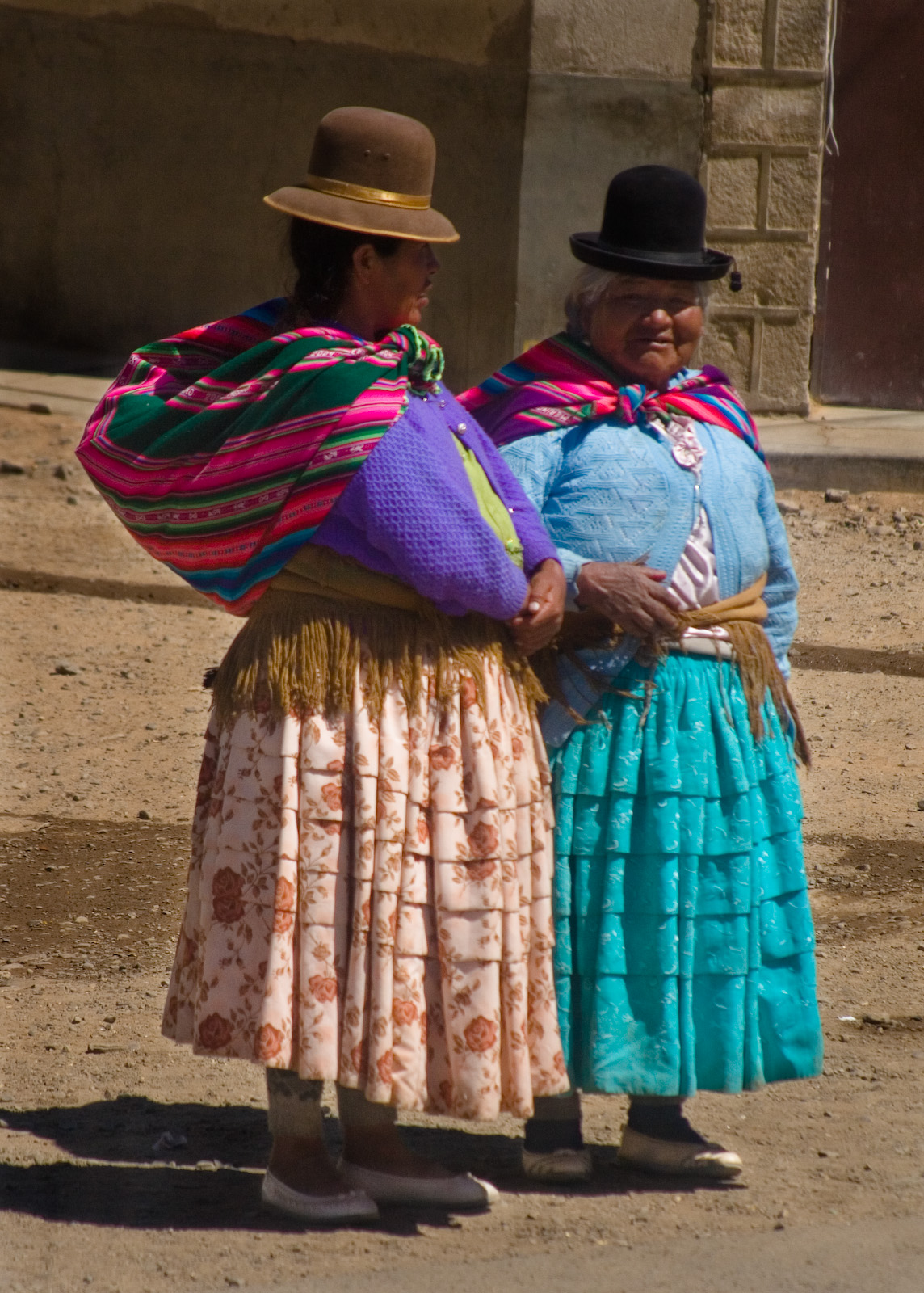 🇵🇦 Las Tablas, Panama and 2 morePollera
A handmade skirt and outfit worn in Panama, Bolivia and Peru, and a marker of identityDress
🇵🇦 Las Tablas, Panama and 2 morePollera
A handmade skirt and outfit worn in Panama, Bolivia and Peru, and a marker of identityDress
 🇺🇾 Montevideo, Uruguay and 3 moreMurga
A lively Carnival musical theatre of chorus, percussion and social satirePerformance
🇺🇾 Montevideo, Uruguay and 3 moreMurga
A lively Carnival musical theatre of chorus, percussion and social satirePerformance
 🇯🇲 Kingston, Jamaica and 5 moreReggae
A Jamaican music of the late 1960s: a slow beat, a deep bass line and Rastafari rootsPerformance
🇯🇲 Kingston, Jamaica and 5 moreReggae
A Jamaican music of the late 1960s: a slow beat, a deep bass line and Rastafari rootsPerformance
Photo credits on this page
The small pictures above come from Wikimedia Commons under free licences. Some are cropped to fit.
- Murga: Mediared, CC BY-SA 4.0, source
- Reggae: Thesupermat, CC BY-SA 3.0, source
- Mola: Johantheghost, CC BY-SA 3.0, source
- Pollera: Pedro Szekely, CC BY 2.0, source