Traditions of Herat
An old city of poets and tile in western Afghanistan, with Persian-style gardens and a rich calendar of Nowruz.
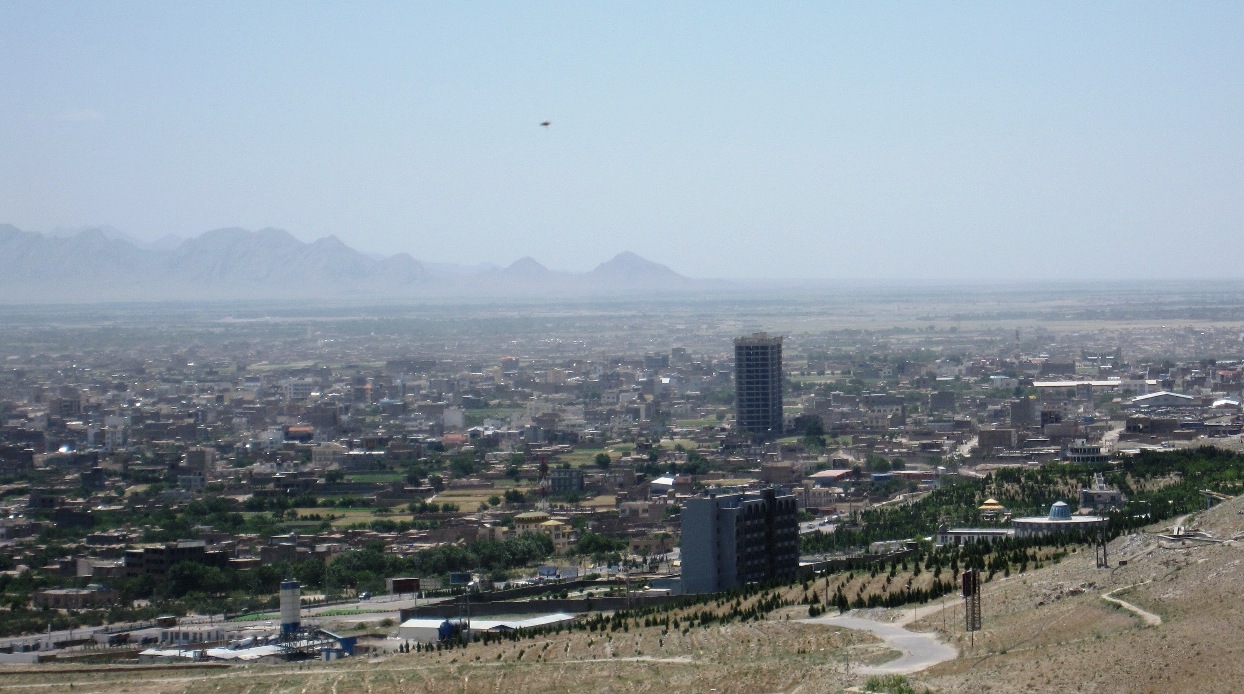
Herat is an ancient city near the Iranian border, long a centre of Persian poetry, miniature painting and glass. Its Friday Mosque is a masterpiece of blue tile. The city keeps Persian traditions such as Nowruz, the spring new year, and the guests-first hospitality common across Afghanistan.
Nowruz and the garden
Nowruz, at the spring equinox, begins the new year with house cleaning, new clothes and visits. Families prepare haft mewa, a bowl of seven dried fruits and nuts in syrup, and rise early to go to the mosque or the fields. In earlier years Herat also kept a tradition of picnicking in gardens on the first days of spring.
At the table
Afghan hospitality means tea and sweets for any visitor, with bread, rice pulao and kebab for guests. Herat is known for its saffron, grown in nearby fields and used in desserts and tea. Breakfast is bread with tea and cream, and festivals bring bolani, a stuffed flatbread.
Signature traditions of Herat


Also part of it, and being written: Kabuli pulao (The national rice dish.).
A trail idea for Herat
- Friday Mosque of Herat A twelfth century mosque with tile and calligraphy.
- Citadel of Herat A fortress rebuilt over centuries.
- Saffron market Buy local saffron from the spice sellers.
Written by the EveryParampara desk with AI assistance. Opening hours, markets and festival dates change; check locally before travelling. Customs differ from place to place and family to family. If this is your tradition and we have it wrong, tell us.
Nothing matches those filters yet. Take one off, or check back: new traditions are written every day.
Photo credits on this page
The small pictures above come from Wikimedia Commons under free licences. Some are cropped to fit.
- Nowruz: Katzenfee50, CC0, source
- Nowruz: Peretz Partensky, CC BY-SA 2.0, source