Traditions of Antananarivo
A hilltop capital of Madagascar, whose famadihana ceremony celebrates the dead by turning the bones in new cloth.
Antananarivo, or Tana, is the capital of Madagascar, built on a ridge of hills. The Merina people of the highlands keep the famadihana, a celebration in which the dead are brought out of the family tomb, wrapped in fresh cloth and danced with, before being returned. It is a time of joy and family reunion.

Famadihana
Held in the dry season, the turning of the bones brings together relatives, music and food. Families dance with the body, wrapped in a new silk shroud, shake the shroud and then place it back in the tomb. Madagascar's belief in ancestors shapes many customs, including fady, taboos, and the honouring of the royal palace of Ambohimanga.
At the table
Rice, vary, is the base of every meal, served with romazava, a beef and greens stew, or ravitoto, pounded cassava leaves with pork. Koba, a sweet of peanuts and sugar, is sold wrapped in banana leaf. Ranonapango, a drink of burnt rice water, is served at the end of the meal.
Signature traditions of Antananarivo


Also part of it, and being written: Romazava (The national dish.), Malagasy people (The people.).
A trail idea for Antananarivo
- Rova of Antananarivo The royal palace.
- Analakely market Browse crafts and vanilla.
- Ambohimanga A sacred hill.
Written by the EveryParampara desk with AI assistance. Opening hours, markets and festival dates change; check locally before travelling. Customs differ from place to place and family to family. If this is your tradition and we have it wrong, tell us.
 🇲🇬 Antananarivo, MadagascarHiragasyHira gasy
A day-long Malagasy highland tradition of song, dance, and poetic speech competitionsPerformance
🇲🇬 Antananarivo, MadagascarHiragasyHira gasy
A day-long Malagasy highland tradition of song, dance, and poetic speech competitionsPerformance
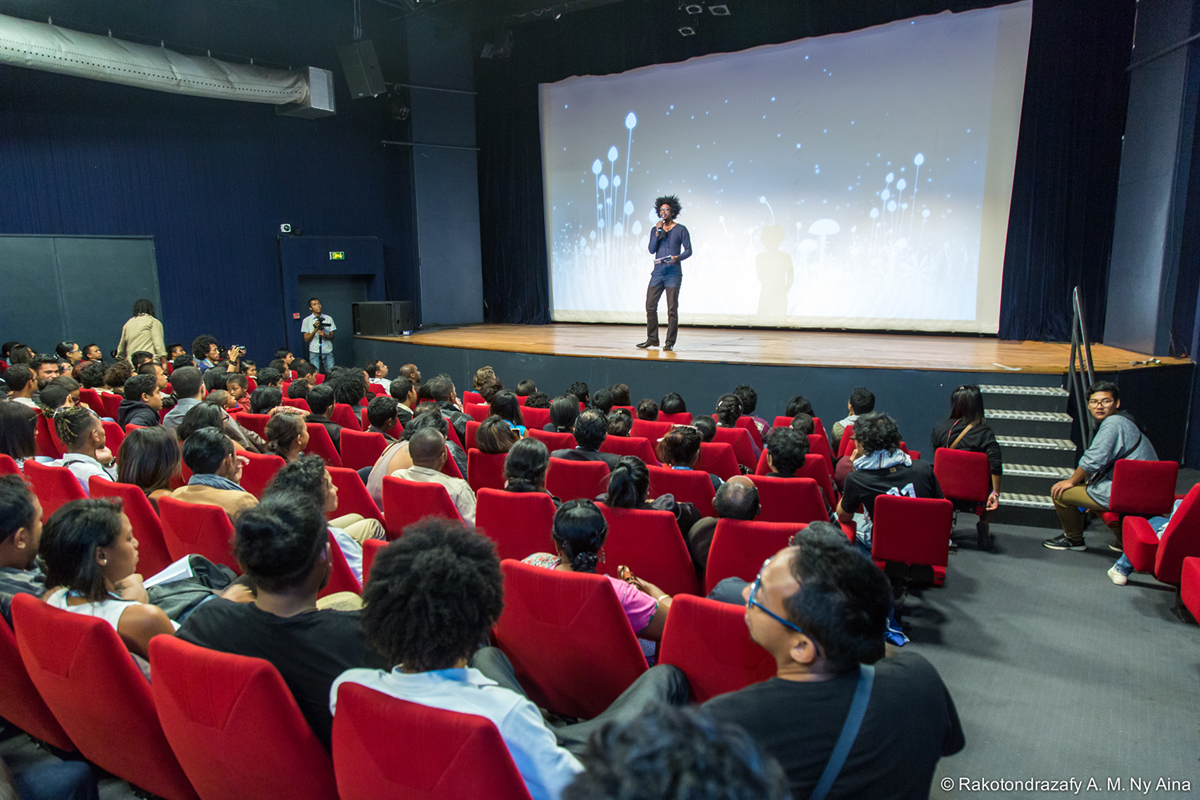 🇲🇬 Antananarivo, MadagascarRencontres du Film Court MadagasikaraRencontres du Film Court Madagascar
Madagascar's annual short film festival, held in Antananarivo with free screeningsFestival
🇲🇬 Antananarivo, MadagascarRencontres du Film Court MadagasikaraRencontres du Film Court Madagascar
Madagascar's annual short film festival, held in Antananarivo with free screeningsFestival
 🇲🇬 Antananarivo, MadagascarSavika
Traditional Betsileo zebu wrestling and courtship rite in MadagascarGame
🇲🇬 Antananarivo, MadagascarSavika
Traditional Betsileo zebu wrestling and courtship rite in MadagascarGame
Photo credits on this page
The small pictures above come from Wikimedia Commons under free licences. Some are cropped to fit.
- Famadihana: Saveoursmile (Hery Zo Rakotondramanana), CC BY-SA 2.0, source
- Hiragasy: Hopeandlink, CC BY-SA 4.0, source
- Fady: Robin Taylor, CC BY 2.0, source
- Rencontres du Film Court Madagasikara: Natsuyasumi, CC BY-SA 4.0, source
- Savika: Obiniaina RANDRIANADRASANA, CC BY-SA 4.0, source