Traditions of Dhaka
A city of rickshaws and rivers whose spring Pohela Boishakh fills the streets with colour, fish and song.
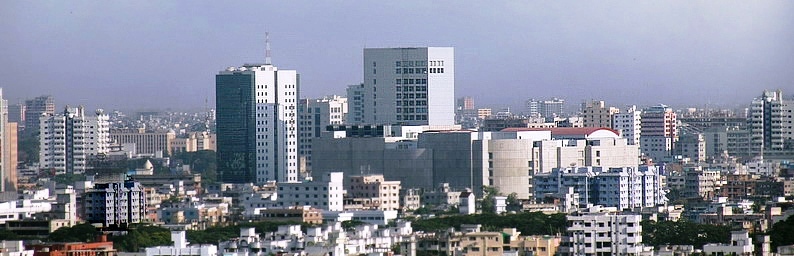
Dhaka, the capital of Bangladesh, is one of the most densely populated cities in the world and a centre of Bengali language, literature and food. Its calendar is full of Bengali festivals, from the new year in April to the Language Martyrs' Day on February 21. Rickshaw art and muslin weaving are its signature crafts.
Boishakh and the language
On Pohela Boishakh, the Bengali new year, people gather at Ramna Park wearing red and white and listen to songs. A procession called the Mangal Shobhajatra carries huge painted masks and animals through the city. On February 21, people walk barefoot to the Shaheed Minar monument with flowers to honour those who died for the Bengali language.
At the table
A new year breakfast is panta bhat, cold rice soaked in water, eaten with fried hilsa, onion and green chilli. Dhaka is known for bakarkhani bread, kacchi biryani and old Dhaka sweets. Ramadan evenings bring the Chawkbazar iftar market, with haleem, beguni and jilapi.
Signature traditions of Dhaka
 Pohela BoishakhThe Bengali new year festival.
 International Mother Language DayThe day of remembrance of the language movement.
Also part of it, and being written: Mangal Shobhajatra (The new year procession of masks, recognised by UNESCO.), Panta bhat (The traditional new year breakfast.).
A trail idea for Dhaka
- Shaheed Minar Join the early morning flower-laying on 21 February.
- Chawkbazar in Ramadan Sample the iftar bazaar.
- Old Dhaka rickshaw ride Watch rickshaw painters at work.
Written by the EveryParampara desk with AI assistance. Opening hours, markets and festival dates change; check locally before travelling. Customs differ from place to place and family to family. If this is your tradition and we have it wrong, tell us.

Photo credits on this page
The small pictures above come from Wikimedia Commons under free licences. Some are cropped to fit.
- Pohela Boishakh: Abidhasan00, CC BY-SA 4.0, source
- International Mother Language Day: Unknown author, CC BY-SA 3.0, source
- Nakshi kantha: A junaid alam khan ( talk ), Public domain, source