Traditions of Khartoum
Where the Blue and White Nile meet, with Sufi dhikr at Omdurman, tea ladies and a Sudanese feast table.
Khartoum is at the meeting of the Blue and White Nile, and across the river lies Omdurman, home of the Sufi tradition and the great market. Sudan's cultural life is rich with music, henna art and poetry. Women who sell tea and coffee on the pavement are a daily feature.

Sufi Fridays and tea ladies
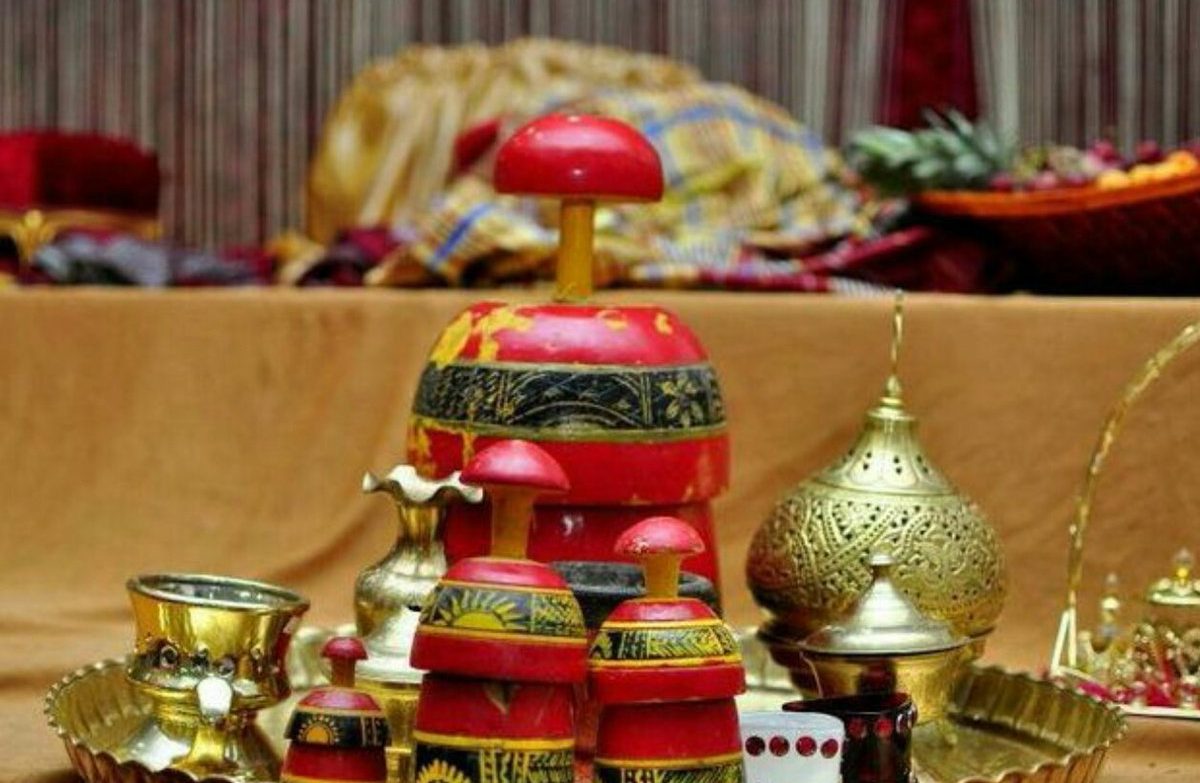
On Fridays, Sufi orders gather at the tomb of Sheikh Hamad al-Nil in Omdurman for dhikr, chanting and drumming. Sudanese weddings include a jirtig, a ritual of smoke and oils for the bride, and elaborate henna. In the street, tea ladies serve spiced tea and coffee in the open and chat with their customers.
At the table
Ful, a bean stew, is the main breakfast. Asida, a porridge of sorghum or wheat, is eaten with a stew called mullah, and kisra is a thin sourdough pancake. Gurassa is a thick flatbread. Hibiscus drink, karkadeh, and sweet date juice are common, and Sudanese tea is flavoured with ginger.
Signature traditions of Khartoum
Also part of it, and being written: Asida (The Sudanese porridge.), Sufism (The tradition of dhikr.), Karkadé (The hibiscus drink.).
A trail idea for Khartoum
- Omdurman market Browse for crafts and spices.
- Hamad al-Nil tomb See the Friday dhikr.
- Meeting of the Niles See the two rivers.
Written by the EveryParampara desk with AI assistance. Opening hours, markets and festival dates change; check locally before travelling. Customs differ from place to place and family to family. If this is your tradition and we have it wrong, tell us.
No traditions here yet. New pages are added every day.
Photo credits on this page
The small pictures above come from Wikimedia Commons under free licences. Some are cropped to fit.
- Jirtig: Alzain Mohammed, CC BY-SA 4.0, source