Traditions of Kinshasa
A huge, music-loving capital on the Congo river, where rumba, sape and street theatre are everyday arts.
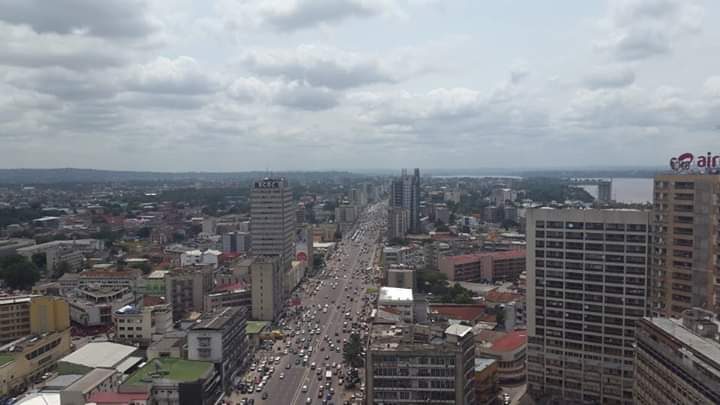
Kinshasa is one of the largest cities in Africa, and a centre of music. The great rumba orchestras of the 1950s and 60s were born in its bars. Congolese society is known for its drum-led dance, its extended families and for the fashion of La Sape. Many languages, such as Lingala, Kikongo and Swahili, are heard.
Rumba and the street
In bars known as ngandas, bands play rumba and soukous, and dancers move with swaying hips. Street performers present theatre and satire on the pavements. Funerals are major events, with days of food and mourning and the wearing of matching cloth. Tshiluba and Kikongo proverbs are spoken in all speeches.
At the table
Pondu, cassava leaf cooked with palm oil and fish, and liboke, fish steamed in banana leaf, are favourites. Fufu and chikwangue come with every meal. Mbika, pumpkin seeds, are cooked as a savoury dish. Palm wine and Primus beer are drunk in the evening.
Signature traditions of Kinshasa

Also part of it, and being written: Sapeur (The elegant men.), Fufu (The pounded staple served with stews.), Chikwangue (Fermented cassava bread steamed in leaves.).
A trail idea for Kinshasa
- Academy of Fine Arts See painters at work.
- Marché Central Browse cloth and herbs.
- Congo River Watch pirogues.
Written by the EveryParampara desk with AI assistance. Opening hours, markets and festival dates change; check locally before travelling. Customs differ from place to place and family to family. If this is your tradition and we have it wrong, tell us.
Photo credits on this page
The small pictures above come from Wikimedia Commons under free licences. Some are cropped to fit.
- Congolese rumba: Jeanne Vu Van, CC BY-SA 4.0, source