🇲🇺 Traditions of Mauritius
14 traditions from Mauritius, best known first.
Mauritius weaves together Indian, African, European and Chinese threads into a single island life. People share festivals, blend flavours at the table and keep distinct faiths side by side.
Mauritius is a multi-ethnic society where Indo-Mauritian, Creole, Franco-Mauritian and Sino-Mauritian communities live side by side. The island has no indigenous population; its people arrived through slavery, indentured labour and trade. Today residents share public holidays, mix cuisines and respect each other’s religious calendars. This coexistence defines daily life on the island.
Faith and ritual
Hinduism is the largest religion, followed by Christianity with Catholicism as the biggest denomination, then Islam and various Chinese-related beliefs. The government recognises six religious groups. Sino-Mauritians often identify as Catholic but also honour Guan Di for business success and Mazu for sailors. Pagodas hold ancestral tablets. Families conduct services one week after death and perform rites during Chinese New Year. Hindus and Muslims observe their own dietary laws, which shape what appears in restaurants.
The year and festivals
Public holidays follow the Hindu, Christian, Muslim and Chinese calendars. Dates shift each year because they rely on lunar cycles. Communities participate collectively in these celebrations, marking the rhythm of the year. The shared calendar reinforces mutual understanding among different ethnic backgrounds. Residents do not seek to dissolve cultural boundaries; instead they celebrate distinct traditions while sharing the same public space.
The table and food
Meals combine French, Indian, Chinese and African influences. Beef and pork are rare in restaurants due to Hindu and Muslim restrictions. French dishes like bouillon, daube and coq au vin remain popular alongside local adaptations. Indian arrivals brought curry, chutney and rougaille poisson sale. Chinese migrants introduced noodles, taken spring rolls and crispy chicken. Rice is the staple. Sugar cane production supports rum making across the island.
Dress and daily wear
Mauritians wear bright colours, especially women. Flip-flops called savat are common everywhere. Western clothes sit alongside traditional ethnic garments. Formality rules and urban or rural settings influence choices. Beachwear suits resorts but is inappropriate in towns and villages. Ethno-religious identity plays a role in clothing decisions. The climate encourages light fabrics and open footwear throughout the year.
The facts in this overview come from the Wikipedia article "Culture of Mauritius", written by its contributors and used under the CC BY-SA 4.0 licence. EveryParampara rewrote the text in its own words, with AI assistance, and compares every page with the article to make sure no passage is copied. It may be reused under the same CC BY-SA 4.0 licence with a link back.
The table in Mauritius
Foods and drinks by the moment they belong to.
| Sweets given and shared | Diwali, Pongal |
|---|---|
| Feasts and festival meals | Diwali, Pongal, Makar Sankranti, Puthandu |
| Fasting and breaking the fast | Diwali |
 🇮🇳 Ayodhya, India and 7 moreDiwaliदीपावली (Dīpāvalī)
A five-day festival of lights celebrated across India and its diaspora to mark the victory of light over darkness.Festival · Feasts and festival meals
🇮🇳 Ayodhya, India and 7 moreDiwaliदीपावली (Dīpāvalī)
A five-day festival of lights celebrated across India and its diaspora to mark the victory of light over darkness.Festival · Feasts and festival meals
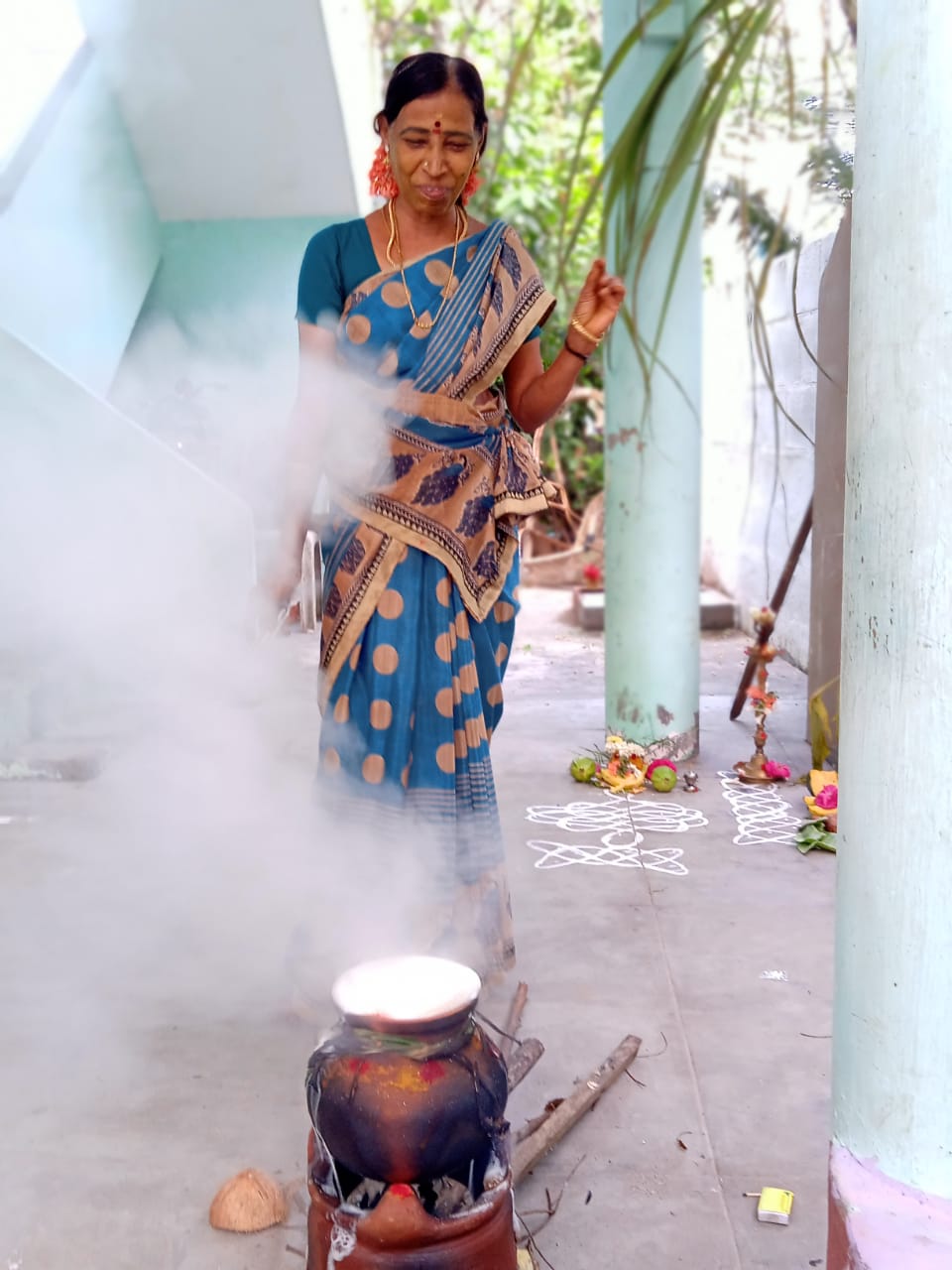 🇮🇳 India and 5 morePongal
Three or four days of boiling rice, garlanded cattle and thanks to the sunSeasonal · Sweets given and shared
🇮🇳 India and 5 morePongal
Three or four days of boiling rice, garlanded cattle and thanks to the sunSeasonal · Sweets given and shared
 🇮🇳 Prayagraj, India and 6 moreMakar Sankrantiमकरसङ्क्रान्ति (Makarasaṅkrānti)
A mid-winter harvest festival marking the sun's northward journey, celebrated across South and Southeast Asia with fairsFestival · Feasts and festival meals
🇮🇳 Prayagraj, India and 6 moreMakar Sankrantiमकरसङ्क्रान्ति (Makarasaṅkrānti)
A mid-winter harvest festival marking the sun's northward journey, celebrated across South and Southeast Asia with fairsFestival · Feasts and festival meals
 🇮🇳 Madurai, India and 4 morePuthanduபுத்தாண்டு (Puttāṇṭu)
The first day of the Tamil solar calendar, celebrated by Tamils with family feasts and auspicious trays.Festival · Feasts and festival meals
🇮🇳 Madurai, India and 4 morePuthanduபுத்தாண்டு (Puttāṇṭu)
The first day of the Tamil solar calendar, celebrated by Tamils with family feasts and auspicious trays.Festival · Feasts and festival meals
Photo credits on this page
The small pictures above come from Wikimedia Commons under free licences. Some are cropped to fit.
- Diwali: Kalli navya, CC BY-SA 4.0, source
- Pongal: Saral Shots, CC BY-SA 4.0, source
- Makar Sankranti: Saloni Desai, CC BY-SA 2.0, source
- Puthandu: Amila Tennakoon, CC BY 2.0, source