Traditions of Lima
A coastal capital where ceviche is a national holiday, the Lord of Miracles procession paints the streets purple and criollo music rules.
Lima was the seat of Spanish power in South America and is now one of the most important food cities in Latin America. Peruvian cuisine mixes Indigenous, Spanish, African, Chinese and Japanese. The Señor de los Milagros procession in October turns the streets purple, with a million faithful.

The Lord of Miracles and criollo music
In October, devotees dressed in purple carry a huge painted image of Christ on a platform through the city's streets, to the sound of hymns and a brass band, and a special sweet, turrón de Doña Pepa, is eaten. Marinera, a courtship dance with handkerchiefs, and festejo, an Afro-Peruvian rhythm, are national dances.
At the table
Ceviche, raw fish cured in lime with chilli and sweet potato, is the national dish, with a national day on 28 June. Lomo saltado, anticuchos, grilled beef heart, and causa are classics. Pisco sour is the national cocktail, and picarones are sweet fritters of sweet potato. Chifa is Peruvian Chinese.
Signature traditions of Lima

Also part of it, and being written: Ceviche (The dish.), Pisco sour (The cocktail.), Anticucho (The skewers.).
A trail idea for Lima
- Mercado de Surquillo See fruit and fish.
- Barranco Walk and eat.
- Plaza de Armas See the cathedral.
Written by the EveryParampara desk with AI assistance. Opening hours, markets and festival dates change; check locally before travelling. Customs differ from place to place and family to family. If this is your tradition and we have it wrong, tell us.
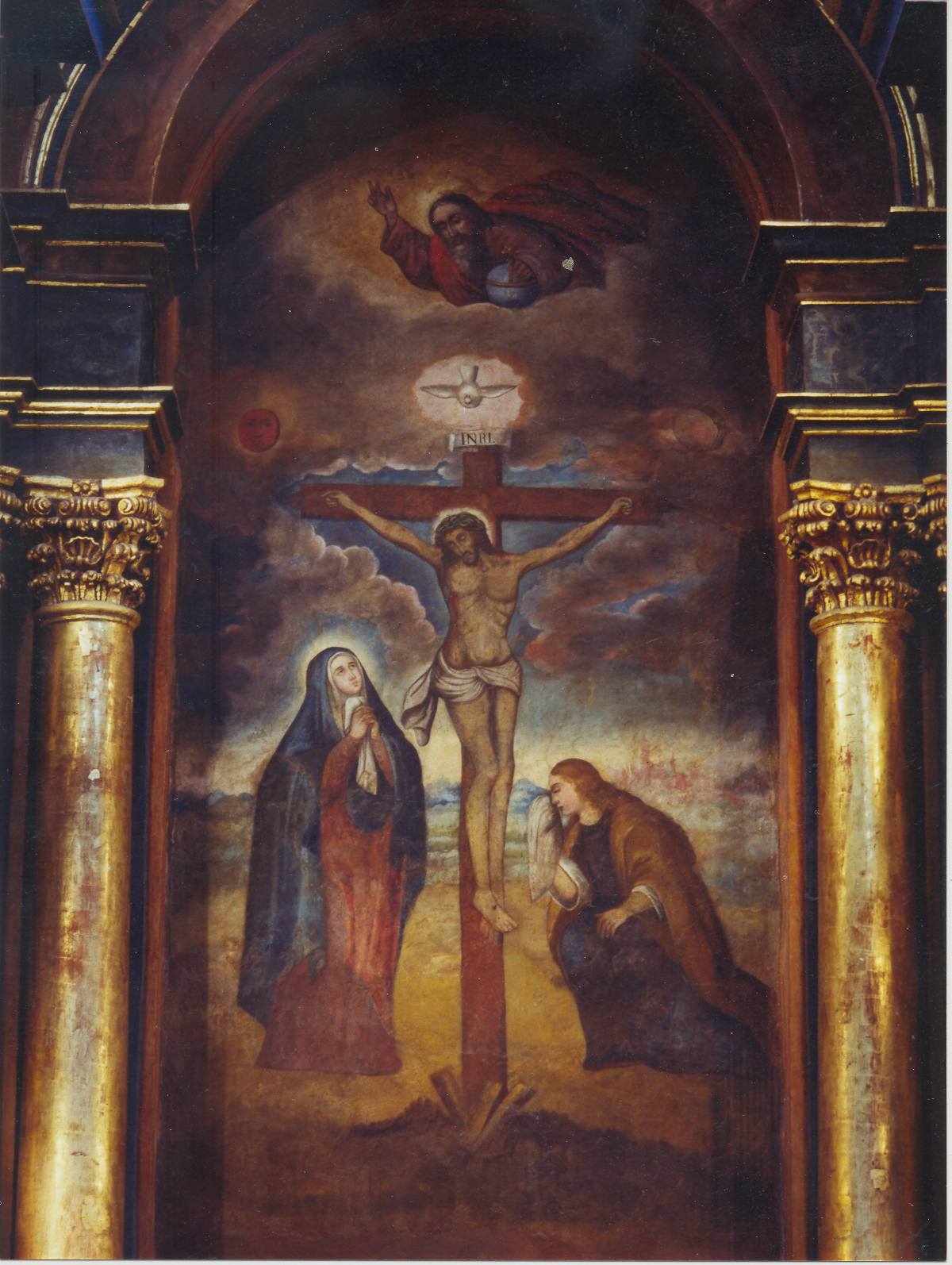 🇵🇪 Lima, PeruLord of MiraclesSeñor de los Milagros
An October Catholic festival in Lima honouring a miraculous mural of ChristSpiritual · Sweets given and shared
🇵🇪 Lima, PeruLord of MiraclesSeñor de los Milagros
An October Catholic festival in Lima honouring a miraculous mural of ChristSpiritual · Sweets given and shared
 🇪🇸 Jijona, Spain and 5 moreTurrón
A festive Mediterranean nut-and-honey confection shared at Christmas and local feastsTable custom · Sweets given and shared
🇪🇸 Jijona, Spain and 5 moreTurrón
A festive Mediterranean nut-and-honey confection shared at Christmas and local feastsTable custom · Sweets given and shared