Traditions of Multan
A city of saints, one of the oldest in South Asia, famous for blue-glazed tile, camel-skin lamps and mangoes.
Multan is often called the City of Saints for its many shrines, among them the tombs of Bahauddin Zakariya and Shah Rukn-e-Alam. It is thousands of years old and sits in the south of the Punjab. Its craft traditions include blue glazed tile, embroidered khussa shoes and painted camel-skin lamps.

Shrines and crafts
Domes covered in blue and white tile shape the skyline, and visitors come on Thursdays to offer rose petals at the saints' tombs. The craftsmen of the old city make hand-painted pottery in a style known as Multani blue. Urs festivals draw crowds from across Punjab and Sindh, with qawwali music and a free langar.
At the table
Multan is known for sohan halwa, a dense sweet of milk and sugar and nuts. Mango season in summer sets the city's calendar, and Multani varieties such as Chaunsa are carried across the country. Street food includes chicken karahi and fresh sugarcane juice.
Signature traditions of Multan

Also part of it, and being written: Sohan halwa (A sweet of the Multan region.), Urs (The saint's anniversary festival.).
A trail idea for Multan
- Shrine of Shah Rukn-e-Alam A fourteenth century tomb with a great brick dome.
- Hussain Agahi Bazaar Browse lamps, pottery and embroidery.
- Ghanta Ghar chowk See the old clock tower and sweet shops.
Written by the EveryParampara desk with AI assistance. Opening hours, markets and festival dates change; check locally before travelling. Customs differ from place to place and family to family. If this is your tradition and we have it wrong, tell us.
 🇮🇳 India and 1 moreLohri
A northern Indian midwinter festival of evening bonfires, folk songs and harvest foodsSeasonal
🇮🇳 India and 1 moreLohri
A northern Indian midwinter festival of evening bonfires, folk songs and harvest foodsSeasonal
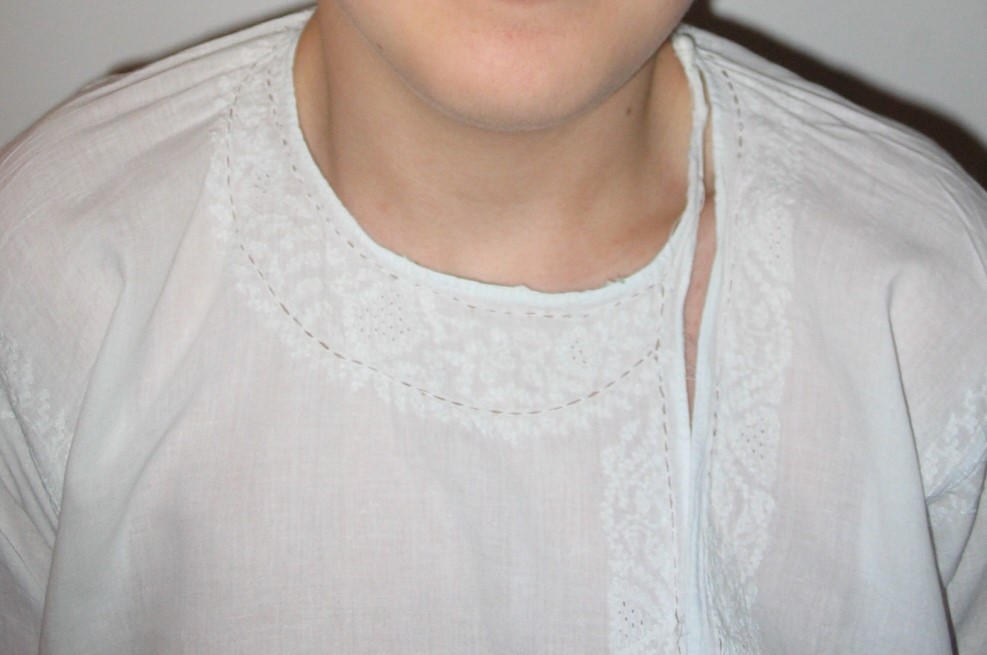 🇮🇳 Lucknow, India and 5 moreKurtaکرته (Persian), कुरता (Hindi)
A loose collarless tunic from South Asia, worn plain or embroidered over pyjamas or jeansDress
🇮🇳 Lucknow, India and 5 moreKurtaکرته (Persian), कुरता (Hindi)
A loose collarless tunic from South Asia, worn plain or embroidered over pyjamas or jeansDress
 🇵🇰 Multan, Pakistan and 3 moreShalwar kameez
Loose trousers and a long tunic, worn as one outfit across South AsiaDress
🇵🇰 Multan, Pakistan and 3 moreShalwar kameez
Loose trousers and a long tunic, worn as one outfit across South AsiaDress
Photo credits on this page
The small pictures above come from Wikimedia Commons under free licences. Some are cropped to fit.
- Lohri: Karen Sandhu, CC BY 2.0, source
- Qawwali: Saswat swarup mishra, CC BY-SA 4.0, source
- Kurta: Unknown author, Public domain, source
- Shalwar kameez: Bernard Gagnon, CC BY-SA 3.0, source