🇸🇩 Traditions of Sudan
5 traditions from Sudan, best known first, across 3 cities and towns.
Sudanese traditions reflect deep ties to the Nile basin, ancient Nubian civilizations, and diverse Islamic and Christian communities. The seasonal calendar combines national commemorations with lunar Muslim celebrations and distinct Coptic and Western Christian holy days.
Sudan sits along the crossroads of Northeast Africa and the Nile Valley, where communities have maintained distinct seasonal rhythms for millennia. Today, the civic and spiritual calendar balances shared national milestones with diverse religious observances. Muslim festivals follow the sighting of the new moon, while both Coptic and Western Christian communities mark their holy days through recognized public holidays. Deeply rooted memories of ancient river cultures and regional sultanates continue to inform the country's collective identity.
The festival calendar
Sudan marks both civic milestones and sacred holidays throughout the year. The secular year opens on the first of January with Independence Day, which celebrates liberation from joint British and Egyptian rule in 1956. Islamic occasions are guided by the lunar calendar and move roughly ten to eleven days earlier in each solar cycle. These include the Prophet's Birthday, the Islamic New Year, and the major feasts of Eid al-Fitr and Eid al-Adha, which depend directly on the local sighting of the moon. Christian observances are also woven into the national schedule, with public recognitions for Coptic Easter as well as separate Christmas dates in late December and early January.
Faith and community
Spiritual practice in Sudan reflects a long interaction between Islamic traditions and Christian communities. For centuries following the decline of the Kingdom of Kush, Nubians organized the Christian states of Nobatia, Makuria, and Alodia. Arab nomadic movements between the fourteenth and fifteenth centuries gradually introduced Islamic traditions across large parts of the country. From 1983 until 2020, religious legal codes shaped public administration, after which the state officially adopted a secular framework. Today, public life accommodates both Muslim and Christian observances, including dual Christmas dates on December 25 and January 7 to respect Western and Coptic traditions alike.
Early Nile life
Settled living along the Sudanese Nile represents some of the world's earliest organized community life. Archaeological evidence at Affad in the southern Dongola Reach reveals prehistoric camps dating back roughly fifty thousand years, including remains of open-air shelters. By the eighth millennium BC, Neolithic groups established permanent mudbrick villages. These early residents relied on a mixed subsistence economy: they herded cattle, gathered wild grains, and fished the waters of the Nile. As the surrounding Sahara grew drier in the fifth millennium BC, arriving populations brought expanded farming techniques, establishing enduring patterns of riverine agriculture and social organization that sustained later civilizations.
Memory of regional kingdoms
Sudanese historical consciousness is shaped by independent regional states that flourished across different eras. Ancient Egyptian records referred to the area as Ta Seti, the land of the archers, in tribute to skilled Nubian and Medjay bowmen. By 2500 BC, the Kingdom of Kerma grew into a powerful empire along Upper Nubia, rivaling ancient Egypt. In later eras, political authority diversified across geographic zones. The Funj sultanate governed central and eastern territories from the sixteenth century onward, while the Darfur sultanate held independent rule across the west. These historic polities, alongside memories of the nineteenth-century Mahdist movement, remain prominent reference points in the country's shared heritage.
The facts in this overview come from the Wikipedia article "Sudan", written by its contributors and used under the CC BY-SA 4.0 licence. EveryParampara rewrote the text in its own words, with AI assistance, and compares every page with the article to make sure no passage is copied. It may be reused under the same CC BY-SA 4.0 licence with a link back.
Cities, towns and villages of Sudan
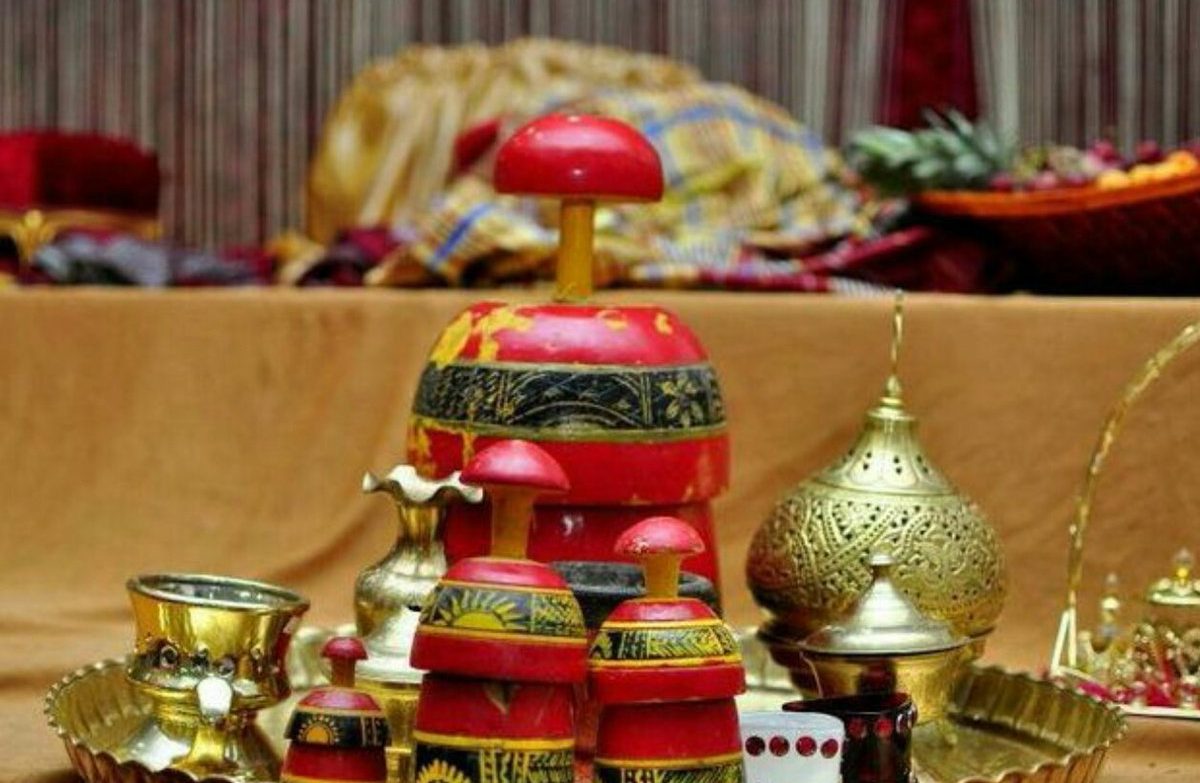

Photo credits on this page
The small pictures above come from Wikimedia Commons under free licences. Some are cropped to fit.
- Jirtig: Alzain Mohammed, CC BY-SA 4.0, source
- Tooth ablation: Unknown author, CC BY 4.0, source