🇪🇬 Traditions of Egypt
62 traditions from Egypt, best known first, across 11 cities and towns.
Egyptian traditions grow out of the Nile Valley, where fertile farming and long spiritual customs shape everyday habits. Life centers on shared meals of flatbread, beans, and stewed greens, alongside distinct religious observances. Spoken Egyptian Arabic carries these stories across the region through popular music, poetry, and screen arts.
Daily life in Egypt moves to the rhythms of community gatherings, shared pots, and deep faith. From bustling urban streets to quiet farming hamlets along the Nile, meals of fresh bread, simmered fava beans, and garden vegetables anchor household routines. The nation blends majority Sunni Muslim customs with ancient Coptic Christian rites. Across neighborhoods, conversation flows easily in the local spoken Arabic dialect, enlivened by a celebrated heritage of storytelling, cinema, and heartfelt vernacular poetry.
The daily table
A typical Egyptian meal begins with eish baladi, a traditional pita flatbread that accompanies almost every spread. Plant-forward recipes define daily eating. People regularly enjoy ful medames, which is slow-simmered mashed fava beans, alongside koshary, a hearty bowl combining lentils and pasta. Green soups made from jute leaves, called molokhiyya, are also common family favorites. Soft white cheeses like Domiati have been made here for thousands of years. After meals, hosts serve hot tea flavored with fresh mint or poured over deep crimson karkadeh, a tart hibiscus infusion. Sweet pastries such as honeyed basbousa, layered baqlawa, and crisp kunafa conclude festive gatherings.
Harvests and dietary habits
The fertile soil hugging the Nile River encourages an abundance of crops over livestock grazing. Because farmland is reserved for plants, vegetables and legumes take center stage in the home kitchen. This vegetarian foundation is further reinforced by Coptic Christian Lent practices, which require believers to observe a strictly vegan diet for long periods of the year. When meat is served, families often prepare poultry like squab, duck, or chicken, as well as grilled lamb and beef. In coastal ports such as Alexandria, Port Said, and Suez, local cooks rely on fresh catches of mullet and freshwater tilapia, while street vendors serve seasoned offal tucked into bread pockets.
Faith and sacred learning
Religion plays a central role in Egyptian civic and domestic life. The majority of the population follows Sunni Islam, with Cairo serving as an intellectual beacon through al-Azhar University, which was founded in 970 and remains a premier center for Islamic scholarship. Alongside the Muslim majority, Coptic Christians represent a significant community that keeps early Christian traditions intact. The Coptic Orthodox Church conducts its liturgy using the Coptic language, written in a Greek script combined with seven demotic characters from ancient times. Respect for religious calendars, charitable gatherings, and communal prayers marks the passing seasons for both faiths across towns and villages.
Language and the arts
While standard Arabic is used in state affairs and print journalism, the spoken dialect known as Masri is the true voice of the street. Because Egyptian films, television serials, and popular songs are broadcast widely across the region, Egyptian idioms are immediately understood by Arabic speakers everywhere. Vernacular poetry holds a cherished place among ordinary citizens, popularized by beloved poets like Ahmed Fouad Negm and Salah Jaheen. Egypt also produced Nobel laureate Naguib Mahfouz and celebrated feminist writers like Nawal El Saadawi. In regional pockets, older speech endures, including Nubian tongues in the southern Nile Valley and the Siwi language spoken in Siwa Oasis.
The facts in this overview come from the Wikipedia article "Culture of Egypt", written by its contributors and used under the CC BY-SA 4.0 licence. EveryParampara rewrote the text in its own words, with AI assistance, and compares every page with the article to make sure no passage is copied. It may be reused under the same CC BY-SA 4.0 licence with a link back.
The table in Egypt
Foods and drinks by the moment they belong to.
Cities, towns and villages of Egypt
 🇪🇬 Egypt and 1 moreLentQuadragesima
Forty days of prayer, fasting and giving that lead Christians towards EasterSpiritual · Fasting and breaking the fast
🇪🇬 Egypt and 1 moreLentQuadragesima
Forty days of prayer, fasting and giving that lead Christians towards EasterSpiritual · Fasting and breaking the fast
 🇪🇬 Egypt and 3 moreGreat LentΜεγάλη Τεσσαρακοστή
The forty-day fast before Easter, kept by Eastern Christians as a season of prayerSpiritual · Fasting and breaking the fast
🇪🇬 Egypt and 3 moreGreat LentΜεγάλη Τεσσαρακοστή
The forty-day fast before Easter, kept by Eastern Christians as a season of prayerSpiritual · Fasting and breaking the fast
 🇮🇹 Italy and 5 moreEasterΠάσχα
The day Christians mark the resurrection, kept with vigils, feasts and eggsSpiritual · Feasts and festival meals
🇮🇹 Italy and 5 moreEasterΠάσχα
The day Christians mark the resurrection, kept with vigils, feasts and eggsSpiritual · Feasts and festival meals
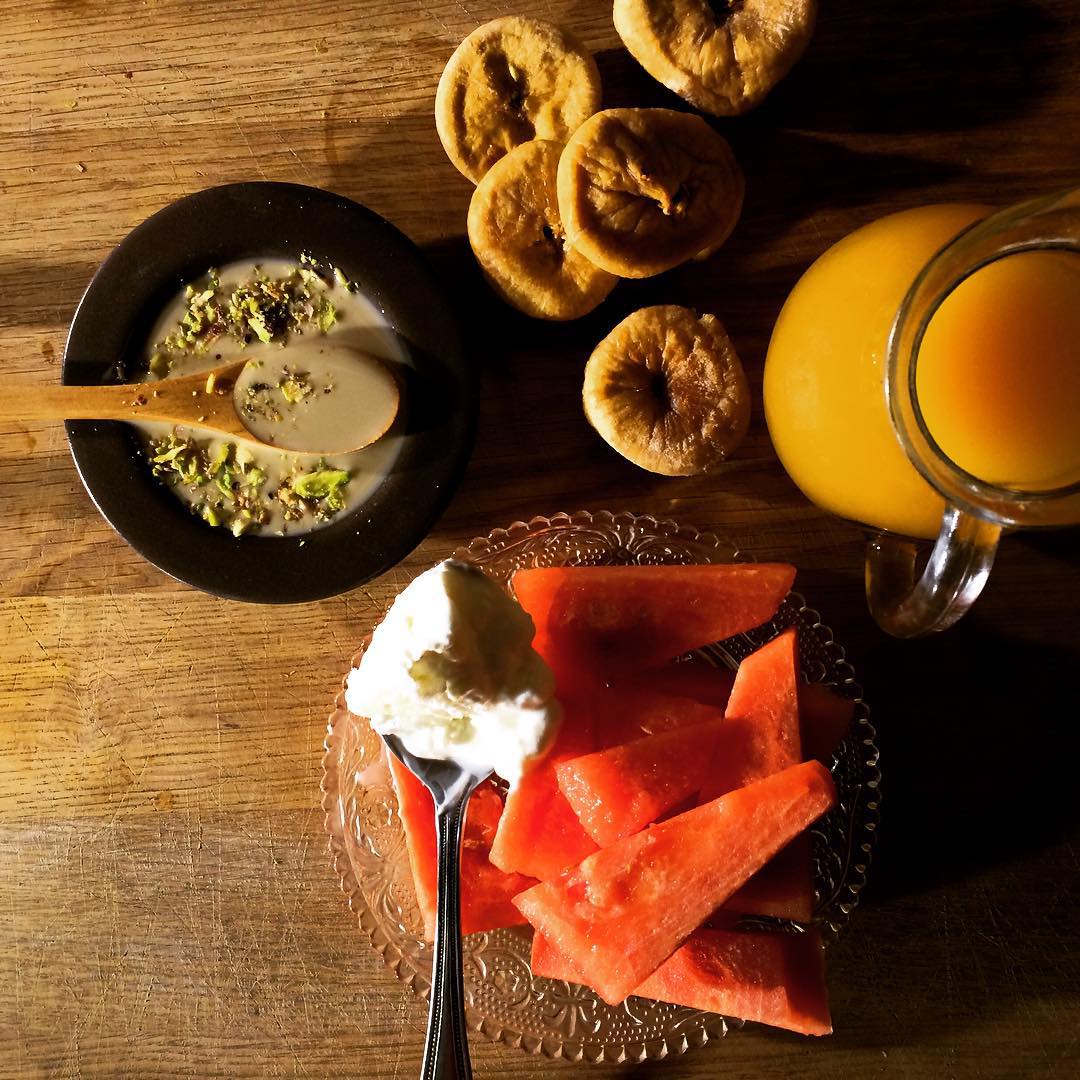 🇧🇩 Dhaka, Bangladesh and 5 moreSuhurسحور
The pre-dawn meal Muslims eat before a day of fasting in RamadanTable custom · Breakfast
🇪🇬 Alexandria, Egypt and 5 moreCenobitic monasticism
A communal way of monastic life where monks live, pray, and follow a shared ruleSpiritual · Fasting and breaking the fast
🇧🇩 Dhaka, Bangladesh and 5 moreSuhurسحور
The pre-dawn meal Muslims eat before a day of fasting in RamadanTable custom · Breakfast
🇪🇬 Alexandria, Egypt and 5 moreCenobitic monasticism
A communal way of monastic life where monks live, pray, and follow a shared ruleSpiritual · Fasting and breaking the fast
Photo credits on this page
The small pictures above come from Wikimedia Commons under free licences. Some are cropped to fit.
- Lent: Manuela Paki-Costa, CC BY-SA 3.0, source
- Great Lent: Stalinsunnykvj, CC BY-SA 4.0, source
- Suhur: Hussein Alazaat, CC BY 2.0, source
- Easter: Piero della Francesca, Public domain, source