🇨🇿 Traditions of Czechia
18 traditions from Czechia, best known first, across 7 cities and towns.
Czech living traditions center around nourishing shared meals, seasonal foraging, and holidays rooted in national memory. Daily dining begins with hearty soups and steamed dumplings, while autumn brings woodland mushroom gathering. Celebrations culminate on Christmas Eve, marked by family gatherings and traditional carp soup.
Czech daily life retains a deep connection to the kitchen table, the harvest, and regional heritage. Meals unfold in distinct courses, starting with steaming broths and continuing with savory gravies, dumplings, and rustic sourdough. In the countryside and towns alike, families preserve seasonal habits like gathering woodland mushrooms each autumn and gathering on Christmas Eve for carp soup. Modern tables blend these older Central European customs with fresh ingredients and treasured national holidays.
Bowls of daily soup
In Czech homes, a meal almost always starts with a hot soup, known as polévka. Clear broths of beef, poultry, or vegetables often feature thin noodles and small liver or nutmeg dumplings. Countryside regions have created their own distinct bowls over generations. In South Bohemia, cooks prepare kulajda, a creamy white soup flavored with wild mushrooms, dill, potatoes, and poached eggs. In the northern mountains, sourdough starter forms the base of tart kyselo, cooked with caraway and fried onions. Sauerkraut creates the foundation for zelňačka, while a delicate carp broth remains an essential first course for Christmas celebrations.
Dumplings and staple grains
Steamed bread dumplings, called knedlíky, anchor the main plate in traditional dining. Cooks prepare these loaves from wheat flour, often folding in cubes of day-old rolls before steaming and slicing them to catch rich gravies. Potato dough yields a heavier variation, frequently stuffed with smoked meat and paired with braised cabbage or stewed spinach. When dumplings are left over from dinner, home cooks slice and fry them in a skillet with scrambled eggs. Although wheat and potato sides dominate modern restaurant menus, home kitchens also prepare older grain staples such as buckwheat, millet, and pearled barley as nutritious everyday alternatives.
Daily breads and pastries
Sourdough bread baked with rye and wheat flour sits on nearly every Czech table. Loaves are seasoned with whole caraway seeds, salt, or garlic, and stale slices are often pan-fried into topinky, which are rubbed generously with raw garlic cloves. Morning routines rely on bakery rolls, especially the curved rohlík, round žemle, and braided houska sprinkled with blue poppy seeds and coarse salt. For a sweeter start to the day, bakers make loupák, a tender crescent roll made with milk and brush-coated with egg yolk before baking to achieve a shiny, golden crust.
Forest foraging and diet
Gathering wild food from local forests is a beloved autumn custom across the country. Rural and town residents walk through woodlands to hunt for wild mushrooms, especially prized bolete varieties, which find their way into pan dishes, gravies, and soups. Summer trips yield baskets of wild blueberries, raspberries, blackberries, and tart cranberries. While past decades emphasized heavy starches and preserved meats, modern eating patterns have gradually shifted. Households now incorporate more garden vegetables, fresh dairy, and poultry into their daily routines, while still preserving traditional flavors and long-standing foraging outings.
Holidays and festive gatherings
The calendar year combines state celebrations with seasonal religious holidays. Unlike neighboring lands that feast on Christmas Day, Czechs hold their primary Christmas celebration on the evening of December twenty-fourth. Work stops early as families gather at home for festive meals centered on carp soup. Spring brings Easter Monday, another non-working holiday observed nationwide. Throughout the rest of the year, official holidays commemorate historic milestones, including May's Liberation Day, autumn's Statehood Day in late September, and Independent Czechoslovak State Day in October. On these days, commercial life slows down so citizens can reflect on shared statehood and family customs.
The facts in this overview come from the Wikipedia article "Czech cuisine", written by its contributors and used under the CC BY-SA 4.0 licence. EveryParampara rewrote the text in its own words, with AI assistance, and compares every page with the article to make sure no passage is copied. It may be reused under the same CC BY-SA 4.0 licence with a link back.
Cities, towns and villages of Czechia
 🇩🇪 Nuremberg, Germany and 5 moreChristkind
The traditional Christmas Eve gift-bringer across Central Europe and Latin AmericaFestival
🇩🇪 Nuremberg, Germany and 5 moreChristkind
The traditional Christmas Eve gift-bringer across Central Europe and Latin AmericaFestival
 🇨🇿 Vlčnov, CzechiaRide of the KingsJízda králů
A Moravian spring procession where horsemen escort a silent boy king holding a roseFestival
🇨🇿 Vlčnov, CzechiaRide of the KingsJízda králů
A Moravian spring procession where horsemen escort a silent boy king holding a roseFestival
 🇺🇦 Ukraine and 7 moreKoliadaКоляда
A traditional winter caroling and solstice festival kept across Slavic EuropeFestival
🇺🇦 Ukraine and 7 moreKoliadaКоляда
A traditional winter caroling and solstice festival kept across Slavic EuropeFestival
 🇫🇮 Finland and 5 moreMolybdomancy
Pouring molten lead or tin into water, then reading the shape as an omenFolklore
🇫🇮 Finland and 5 moreMolybdomancy
Pouring molten lead or tin into water, then reading the shape as an omenFolklore
 🇨🇿 Czechia and 2 moreEaster whippingpomlázka
An Easter Monday custom of tapping women with braided willow switches for vitalitySeasonal
🇨🇿 Czechia and 2 moreEaster whippingpomlázka
An Easter Monday custom of tapping women with braided willow switches for vitalitySeasonal
 🇦🇹 Salzburg, Austria and 5 morePerchta
A midwinter Alpine figure who checks spinning and tests good behaviourFolklore
🇦🇹 Salzburg, Austria and 5 morePerchta
A midwinter Alpine figure who checks spinning and tests good behaviourFolklore
 🇵🇱 Kraków, Poland and 5 moreTurońTuroń (Polish), Turoň (Slovak)
A shaggy horned beast led from house to house by carol singers at carnival timeFolklore
🇵🇱 Kraków, Poland and 5 moreTurońTuroń (Polish), Turoň (Slovak)
A shaggy horned beast led from house to house by carol singers at carnival timeFolklore
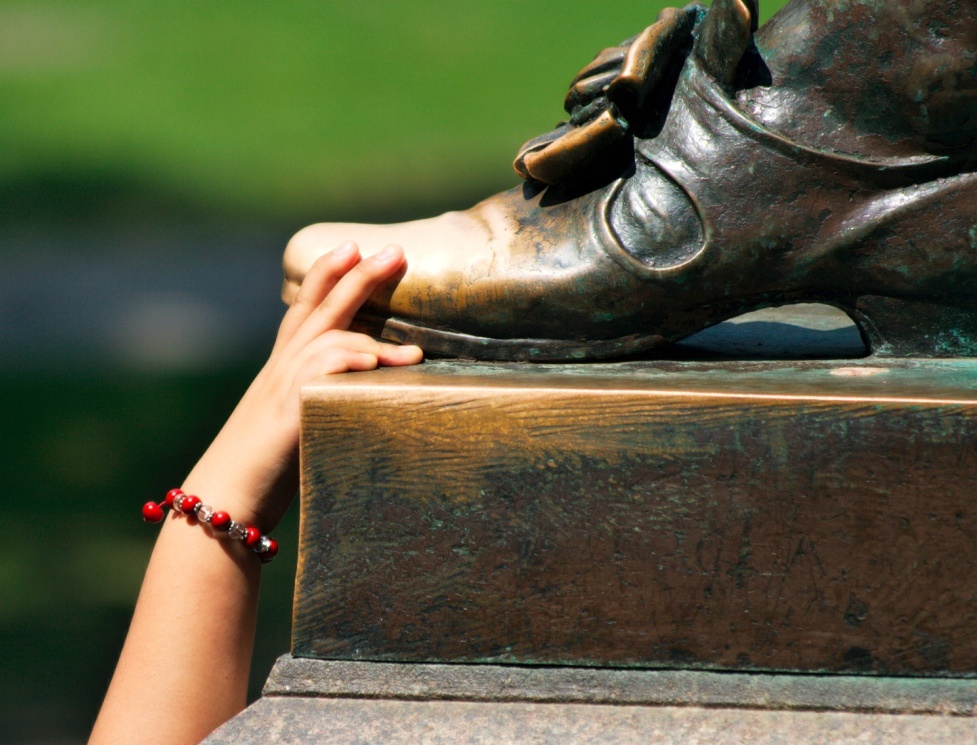 🇺🇸 United States and 5 moreStatue rubbing
A global custom of touching public statues to seek luck, love, or a return to the city.Festival
🇺🇸 United States and 5 moreStatue rubbing
A global custom of touching public statues to seek luck, love, or a return to the city.Festival
Photo credits on this page
The small pictures above come from Wikimedia Commons under free licences. Some are cropped to fit.
- Christkind: Roland Berger, CC BY-SA 3.0, source
- Koliada: Konstantin Trutovsky, Public domain, source
- Easter whipping: Chmee2, CC BY-SA 3.0, source
- Ride of the Kings: Filipzverina, CC BY-SA 4.0, source
- Perchta: Holger Uwe Schmitt, CC BY-SA 4.0, source
- Molybdomancy: Micha L. Rieser, Attribution, source
- Turoń: Museum: The Seweryn Udziela Ethnographic Museum in Kraków, CC0, source
- Statue rubbing: Matthias Rosenkranz, CC BY-SA 2.0, source