🇸🇪 Traditions of Sweden
45 traditions from Sweden, best known first, across 12 cities and towns.
Swedish traditions blend ancient Norse roots with Lutheran simplicity, emphasizing communal connection through fika and seasonal food. The culture values equality, nature, and quiet celebration, marking life cycles with understated rituals that honor both the past and the present.
In Sweden, daily life is shaped by a deep respect for nature and community. People gather for coffee breaks called fika to strengthen bonds. Seasons dictate the table, from preserved winter foods to fresh summer berries. Faith practices are quiet but enduring, rooted in Lutheran history. Celebrations mark the year’s light and dark turns with song and shared meals.
The year and its festivals
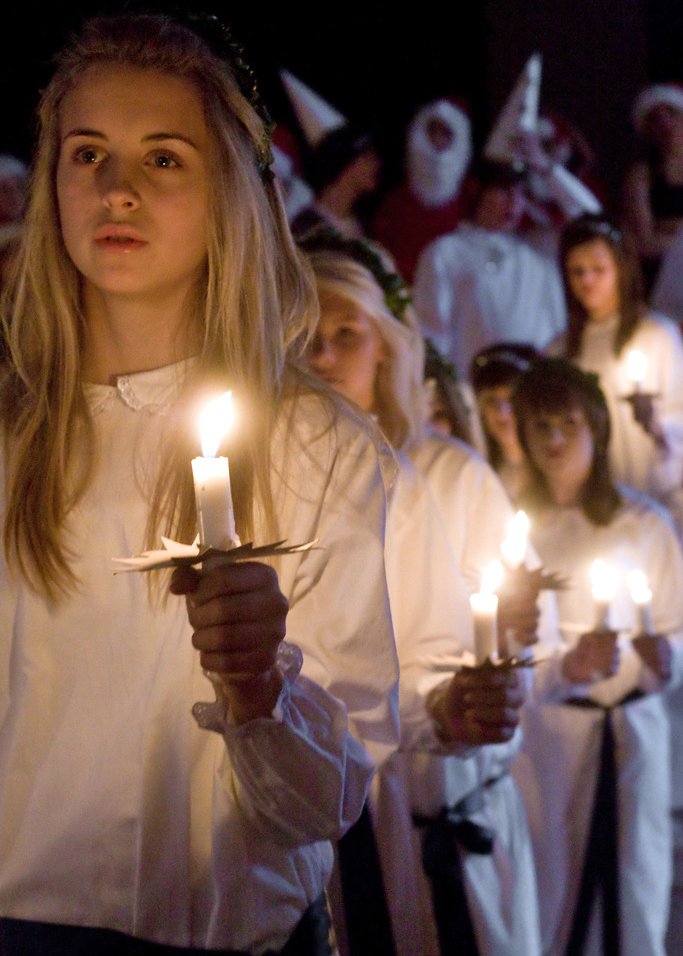
The calendar revolves around light and darkness. Midsummer celebrates the longest day with dancing and flowers. Advent brings candles and peace before Christmas. Saint Lucia’s Day in December honors light with candlelit processions. These events bring families together. People sing traditional songs and share specific treats. The rhythm of the year feels steady and predictable. Communities gather to mark these transitions with warmth.
Faith and ritual
Most Swedes belong to the Church of Sweden, which follows Lutheran beliefs. Baptisms, confirmations, weddings, and funerals are often held here. Even those who do not practice regularly may participate in these rites. Uppsala was an important pagan site before Christianization. Today, church bells ring on Sundays. Quiet reflection is valued. Rituals provide structure for major life changes. They connect individuals to their ancestors and neighbors.
Birth and marriage and death
Life milestones are marked with simple ceremonies. A christening welcomes a baby into the community. Confirmation marks the transition to adulthood. Weddings often include exchanging rings and vows in churches or outdoors. Funerals are solemn affairs focused on memory. Mementos like lockets or poems are common. Families visit graves on All Saints’ Day. These rites offer comfort and continuity. They reinforce family ties across generations.
The table and what is eaten when
Food centers on dairy, bread, berries, and meat. Fika is a daily coffee break with pastries. Meatballs with lingonberry jam are a national staple. Herring and salmon appear frequently. Potatoes accompany many dishes. Preserved foods were vital in winter. Cabbage rolls and pea soup are classic comfort foods. Regional differences exist between north and south. Simple flavors dominate. Meals are shared slowly to foster conversation.
Music and dance
Singing is widespread, with many people in choirs. Folk music features fiddles and nyckelharpa instruments. Dances accompany festivals like Midsummer. Classical composers have gained international fame. Pop music also thrives globally. Instruments reflect local history. Songs tell stories of love and labor. Music binds communities during celebrations. It preserves dialects and regional identities. Listening and participating are equally valued.
The facts in this overview come from the Wikipedia article "Culture of Sweden", written by its contributors and used under the CC BY-SA 4.0 licence. EveryParampara rewrote the text in its own words, with AI assistance, and compares every page with the article to make sure no passage is copied. It may be reused under the same CC BY-SA 4.0 licence with a link back.
The table in Sweden
Foods and drinks by the moment they belong to.