🇩🇪 Traditions of Germany
111 traditions from Germany, best known first, across 32 cities and towns.
German traditions reflect a history of regional diversity and deep-rooted craftsmanship. People mark the year with seasonal festivals, family meals centered on meat and bread, and strong community bonds. The culture values education, literature, and philosophical thought alongside local customs.
Germany is a country where local identity often outweighs national uniformity. For centuries, small states developed distinct customs that persist today. Families gather for Sunday meals featuring roasted meats and dumplings. Festivals celebrate harvests and saints across every region. Literary giants and philosophers are honored in cities named after them. Craftsmanship remains a point of pride in workshops and homes alike.
The yearly calendar
Seasonal changes dictate the rhythm of life in Germany. Advent marks the start of winter with markets selling wooden crafts and baked goods. Christmas trees are brought indoors to symbolize evergreen life during the dark months. Easter brings painted eggs and lamb dishes to family tables. Summer festivals often honor local patrons or historical events. Harvest celebrations thank the land for its bounty before autumn sets in. These dates structure social gatherings and religious observances across the federal states.
Faith and ritual
Christianity shapes much of the public calendar, though secularism grows. Many people identify as Catholic or Protestant depending on their region. Church bells ring on Sundays and holidays, marking time for the community. Baptisms, confirmations, and weddings often involve large family reunions. Funerals provide a moment for collective mourning and remembrance. Some regions retain older folk beliefs mixed with Christian rites. Pilgrimages to shrines still draw visitors seeking spiritual connection or healing.
Birth and marriage
Life cycle events are marked by specific foods and gifts. A child's first birthday might include a pie pulled from a drawer, a tradition called Schuhschlagen. Weddings often feature a cake cutting ceremony where guests break the tiered cake for good luck. Rings are exchanged in civil ceremonies followed by church blessings. Naming children often honors grandparents or biblical figures. Death rituals vary by faith but typically involve a service at a cemetery. Mourners share memories over coffee and cake afterward.
The table and food
Meat plays a central role in German cooking, especially pork and beef. Sausages come in thousands of varieties, each with strict quality rules. Bread is ubiquitous, with over three hundred types baked daily. Potatoes appear boiled, mashed, or fried as side dishes. Stews like Sauerbraten involve marinating meat in vinegar for days. Fish is common in northern coastal areas, often served pickled or fried. Regional specialties define local identity, from Bavarian white sausage to Thuringian rolls.
Arts and letters
Germany is known as the land of poets and thinkers. Literature traces back to medieval epics like the Nibelungenlied. Fairy tales collected by the Grimm brothers remain popular worldwide. Philosophers such as Kant and Hegel influenced global thought. Music ranges from Bach to contemporary classical composers. Museums preserve artifacts from ancient tribes to modern design. Education is highly valued, with universities serving as centers of intellectual exchange.
The facts in this overview come from the Wikipedia article "Culture of Germany", written by its contributors and used under the CC BY-SA 4.0 licence. EveryParampara rewrote the text in its own words, with AI assistance, and compares every page with the article to make sure no passage is copied. It may be reused under the same CC BY-SA 4.0 licence with a link back.
The table in Germany
Foods and drinks by the moment they belong to.
Cities, towns and villages of Germany
 🇵🇱 Poland and 5 moreChristmas Eve
The evening before Christmas, marked by church services, family meals, and gift preparations across Christian cultures.Festival · Dinner
🇵🇱 Poland and 5 moreChristmas Eve
The evening before Christmas, marked by church services, family meals, and gift preparations across Christian cultures.Festival · Dinner
 🇮🇱 Israel and 5 moreChallahחַלָּה
A braided Jewish bread, blessed and shared at Shabbat and holiday tablesTable custom · Feasts and festival meals
🇮🇱 Israel and 5 moreChallahחַלָּה
A braided Jewish bread, blessed and shared at Shabbat and holiday tablesTable custom · Feasts and festival meals
 🇬🇧 United Kingdom and 5 moreChristmas dinner
The festive family meal of Christmas Eve or Christmas Day, with roast meats and puddingsTable custom · Dinner
🇬🇧 United Kingdom and 5 moreChristmas dinner
The festive family meal of Christmas Eve or Christmas Day, with roast meats and puddingsTable custom · Dinner
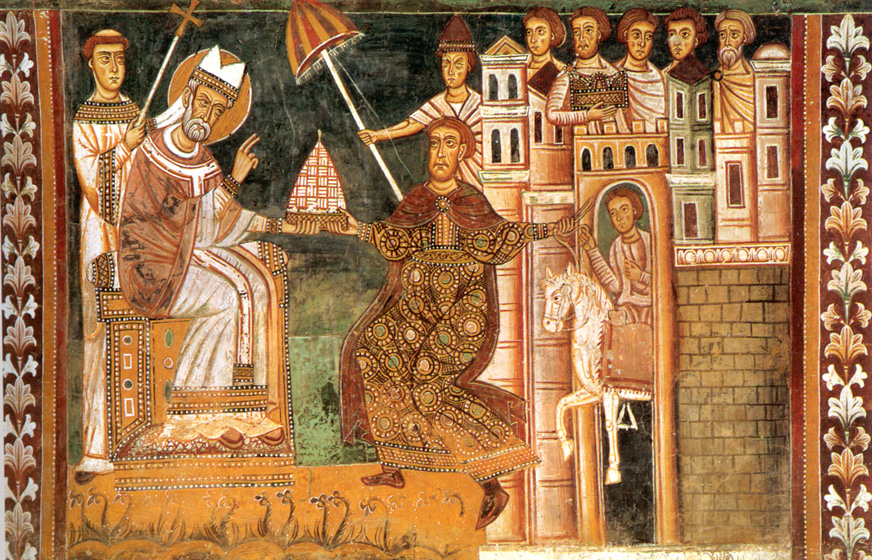 🇩🇪 Germany and 5 moreSaint Sylvester's Day
A Christian feast day and year-end celebration marked across Europe and beyondSeasonal · Dinner
🇩🇪 Germany and 5 moreSaint Sylvester's Day
A Christian feast day and year-end celebration marked across Europe and beyondSeasonal · Dinner
Photo credits on this page
The small pictures above come from Wikimedia Commons under free licences. Some are cropped to fit.
- Shabbat meals: Yoninah, Public domain, source
- Christmas dinner: Austin McGee, CC BY-SA 2.0, source
- Saint Sylvester's Day: Unknown medieval artist in Rome, Public domain, source
- Christmas Eve: Carl Larsson, Public domain, source