🇷🇴 Traditions of Romania
38 traditions from Romania, best known first, across 4 cities and towns.
Romanian traditions grew from ancient Daco-Thracian and Roman roots, shaped over centuries by close contact with neighboring Balkan, Ottoman, and Central European cultures. Village life follows seasonal rhythms rooted in Eastern Orthodox calendars, centered on communal winter feasts, hearty sour soups, and polenta.
Romania's cultural patterns reflect its position along major European trading routes and the enduring rhythms of rural agriculture. Communities across Wallachia, Moldavia, and Transylvania built an identity that blends Latin heritage with eastern influences. From religious observances tied to the Orthodox year to deep-seated hospitality around shared dishes of pork, sour soups, and cornmeal porridge, daily customs celebrate regional ingenuity and family labor.
Winter pig slaughter
Rural households mark December 20, known as Ignat's Day or Ignatul, with the slaughter of a pig for the approaching Christmas festivities. Relatives and neighbors gather to help with the work. Right after the processing, the hosts serve pomana porcului, a pan-fried dish of cubed pork, as a gesture of gratitude to those who assisted. The meat is then turned into diverse holiday dishes. Families prepare smoked or dry-cured garlic sausages called cârnați, alongside lebăr made from seasoned liver. They also craft sângerete, a spiced blood pudding, and head cheese called tobă, which suspends meat in clear aspic inside a pig stomach.
The traditional table
Cornmeal polenta, known as mămăligă, forms the backbone of daily meals. Cooks serve it on its own or alongside rich meat and vegetable dishes. A meal often begins with ciorbă, a broad category of sour soups. These broths feature combinations of beef, vegetables, tripe, or fish, given their tangy profile through fermented wheat bran called borș, pickled cabbage juice, lemon juice, or vinegar. Cheese, known generically as brânză, has accompanied pastoral life since ancient eras. Hearty stews such as tochitură simmer pork and sausages in tomato sauce, eaten with polenta and wine. Strong plum brandy, called țuică, remains a favored traditional drink across the country.
Crossroads of culinary influence
Centuries of commerce and regional contact introduced many new flavors into Romanian kitchens. Ottoman rule brought stuffed cabbage rolls called sarmale, stuffed bell peppers, bean stews, and fried meatballs known as chiftele. Soups with delicate meatballs, known as perișoare, also entered the repertoire through Ottoman ties. Greek cooks introduced layered vegetable bakes like musaca, while Austrian contacts brought breaded cutlets, or șnițel. The arrival of maize during the sixteenth and seventeenth centuries transformed local farming, boosting public health and fueling population growth. By 1841, writers Costache Negruzzi and Mihail Kogălniceanu compiled a landmark cookbook containing two hundred proven recipes, formalizing both domestic traditions and cosmopolitan dishes.
Faith and written word
Religious life and literary history developed together across the historical principalities. Early printing began with a Slavonic prayer book in Wallachia in 1508, followed by a Romanian catechism in Transylvania in 1544. Monks at Snagov published the first complete Romanian translation of the Bible in 1688, while Metropolitan Dosoftei produced rhymed psalms in Iași. In Transylvania, the formation of the Romanian Greek-Catholic Church in 1700 opened intellectual connections with Rome. Scholars from the Transylvanian School championed Enlightenment ideas and introduced a modern Latin alphabet to replace Cyrillic script. Throughout Wallachia and Moldavia, Eastern Orthodox practice continued to anchor the annual rhythms of fasting, feast days, and communal worship.
The facts in this overview come from the Wikipedia article "Culture of Romania", written by its contributors and used under the CC BY-SA 4.0 licence. EveryParampara rewrote the text in its own words, with AI assistance, and compares every page with the article to make sure no passage is copied. It may be reused under the same CC BY-SA 4.0 licence with a link back.
The table in Romania
Foods and drinks by the moment they belong to.
Cities, towns and villages of Romania
 🇭🇺 Budapest, Hungary and 2 moreHungarian folk dance
A collection of traditional dances kept by Hungarians in Hungary and across the diaspora.Performance
🇭🇺 Budapest, Hungary and 2 moreHungarian folk dance
A collection of traditional dances kept by Hungarians in Hungary and across the diaspora.Performance
 🇷🇴 Romania and 3 moreCălușariCălușarii
An acrobatic Romanian spring dance and ritual brotherhood tied to folklore and healingPerformance
🇷🇴 Romania and 3 moreMărțișor
A spring custom of wearing intertwined red and white strings to welcome the new season.Festival
🇷🇴 RomaniaDragobete
A Romanian festival of young love and spring, celebrated with early flowers and courtshipFestival
🇷🇴 Romania and 3 moreCălușariCălușarii
An acrobatic Romanian spring dance and ritual brotherhood tied to folklore and healingPerformance
🇷🇴 Romania and 3 moreMărțișor
A spring custom of wearing intertwined red and white strings to welcome the new season.Festival
🇷🇴 RomaniaDragobete
A Romanian festival of young love and spring, celebrated with early flowers and courtshipFestival
 🇷🇴 RomaniaSorcova
Children tap people with a flowered twig on New Year's morning, wishing health and luckSeasonal
🇷🇴 RomaniaSorcova
Children tap people with a flowered twig on New Year's morning, wishing health and luckSeasonal
 🇧🇬 Bulgaria and 4 moreKukeriкукери (kukeri)
Masked and belled figures who tour Bulgarian villages at New Year to drive off harmSpiritual
🇭🇺 Budapest, Hungary and 3 moreTáncház
A Hungarian folk dance gathering where anyone can learn the steps and dance to live musicPerformance
🇧🇬 Bulgaria and 4 moreKukeriкукери (kukeri)
Masked and belled figures who tour Bulgarian villages at New Year to drive off harmSpiritual
🇭🇺 Budapest, Hungary and 3 moreTáncház
A Hungarian folk dance gathering where anyone can learn the steps and dance to live musicPerformance
 🇧🇬 Bulgaria and 5 moreMartenitsaмартеница
Red and white yarn dolls worn from 1 March until spring shows itselfFestival
🇧🇬 Bulgaria and 5 moreMartenitsaмартеница
Red and white yarn dolls worn from 1 March until spring shows itselfFestival
 🇺🇦 Chernivtsi, Ukraine and 3 moreMalankaМаланка
A Ukrainian folk celebration of masked mummers, feasting and New Year blessingsFestival · Feasts and festival meals
🇺🇦 Chernivtsi, Ukraine and 3 moreMalankaМаланка
A Ukrainian folk celebration of masked mummers, feasting and New Year blessingsFestival · Feasts and festival meals
 🇬🇷 Greece and 4 moreVasilopitaΒασιλόπιτα
A New Year bread or cake with a coin baked inside, shared out slice by sliceTable custom · Sweets given and shared
🇬🇷 Greece and 4 moreVasilopitaΒασιλόπιτα
A New Year bread or cake with a coin baked inside, shared out slice by sliceTable custom · Sweets given and shared
 🇧🇬 Bulgaria and 5 moreKoledariколядники
A Slavic winter caroling custom of visiting homes with songs, masks and blessingsFestival
🇧🇬 Bulgaria and 5 moreKoledariколядники
A Slavic winter caroling custom of visiting homes with songs, masks and blessingsFestival
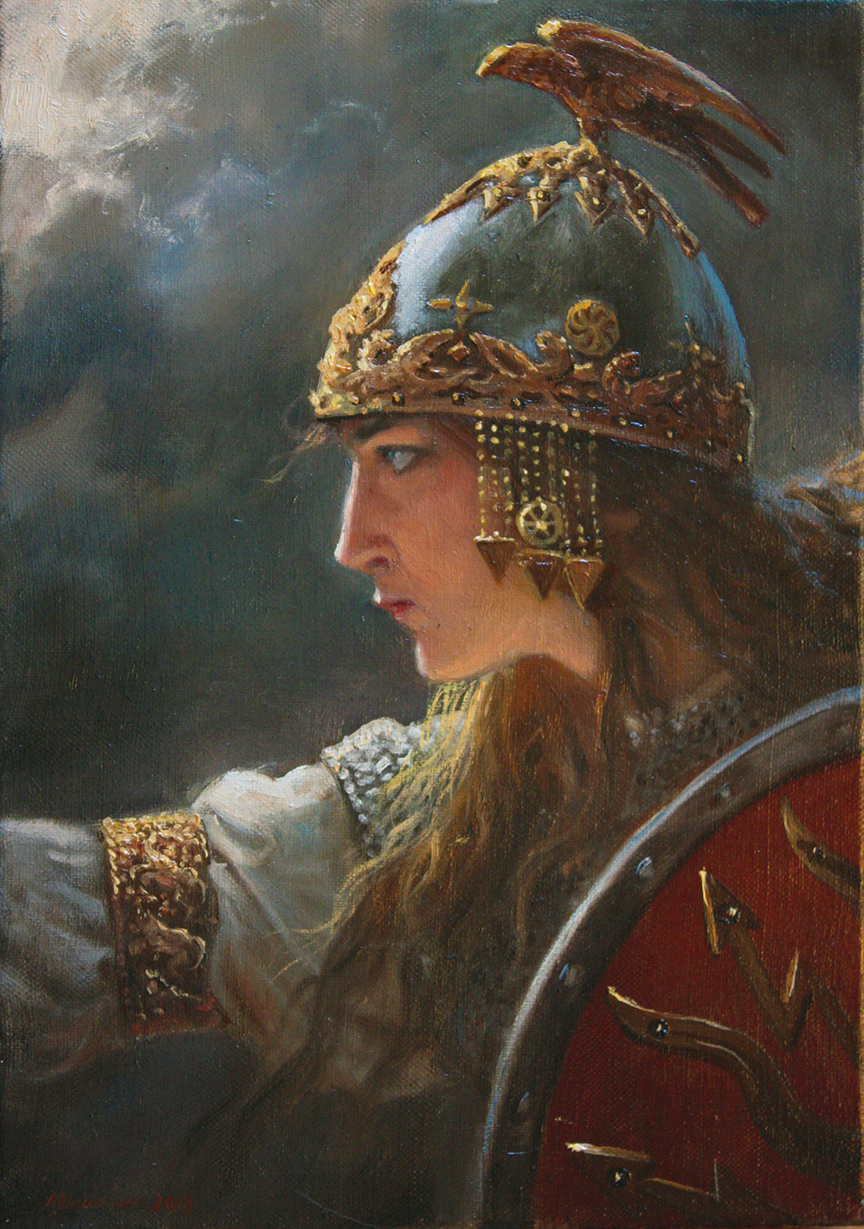 🇦🇱 Albania and 5 moreDodolaДодoла / Dodola
A Balkan rainmaking ritual where children dressed in greenery lead processions to call for summer showers.Festival
🇦🇱 Gjirokastër, Albania and 5 moreDodola and Perperuna
A rainmaking ritual kept across Southeast Europe, where children dressed in greenery lead processions to call for summerSpiritual
🇦🇱 Albania and 5 moreDodolaДодoла / Dodola
A Balkan rainmaking ritual where children dressed in greenery lead processions to call for summer showers.Festival
🇦🇱 Gjirokastër, Albania and 5 moreDodola and Perperuna
A rainmaking ritual kept across Southeast Europe, where children dressed in greenery lead processions to call for summerSpiritual
 🇷🇴 RomaniaCapra
A New Year's ritual in Romania where a masked dancer visits homes to bring luck and predict the weather.Festival
🇷🇴 RomaniaCapra
A New Year's ritual in Romania where a masked dancer visits homes to bring luck and predict the weather.Festival
 🇷🇴 Bucharest, Romania and 2 moreCaloian
A Romanian rainmaking and fertility ritual centered on the creation, funeral, and rebirth of a clay effigy.Festival
🇷🇴 Bucharest, Romania and 2 moreCaloian
A Romanian rainmaking and fertility ritual centered on the creation, funeral, and rebirth of a clay effigy.Festival
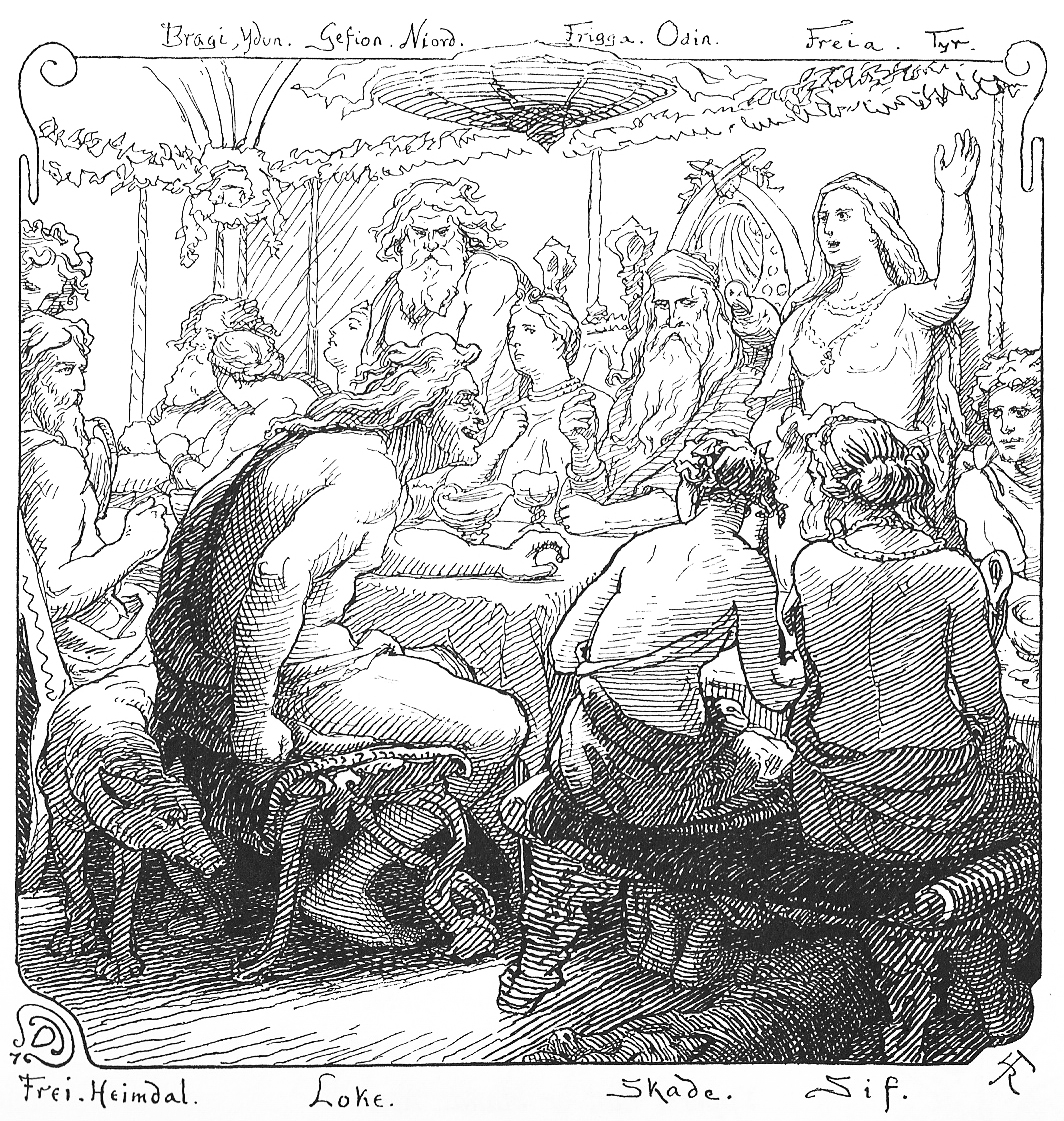 🇬🇧 United Kingdom and 3 moreFlyting
A ritual contest of poetic insults exchanged between two parties in verse.Performance
🇬🇧 United Kingdom and 3 moreFlyting
A ritual contest of poetic insults exchanged between two parties in verse.Performance
 🇷🇸 Belgrade, Serbia and 5 moreSerbian traditional clothingсрпска народна ношња (srpska narodna nošnja)
The regional folk attire of Serbs, featuring wool, linen, and leather, worn for celebrations and cultural identity.Dress
🇷🇸 Belgrade, Serbia and 5 moreSerbian traditional clothingсрпска народна ношња (srpska narodna nošnja)
The regional folk attire of Serbs, featuring wool, linen, and leather, worn for celebrations and cultural identity.Dress
 🇨🇭 Basel, Switzerland and 4 moreScheibenschlagen
A Central European custom where glowing wooden disks are flung from hillsides into valleys at dusk.Festival
🇨🇭 Basel, Switzerland and 4 moreScheibenschlagen
A Central European custom where glowing wooden disks are flung from hillsides into valleys at dusk.Festival
Photo credits on this page
The small pictures above come from Wikimedia Commons under free licences. Some are cropped to fit.
- Flyting: Lorenz Frølich, Public domain, source
- Călușari: El bes, CC BY 3.0, source
- Malanka: Viktoriyasechkar, CC BY-SA 4.0, source
- Sorcova: The original uploader was Alex:D at Romanian Wikipedia ., Public domain, source
- Martenitsa: Unknown author, CC BY-SA 2.0, source
- Hungarian folk dance: Koós Ildikó, CC BY-SA 4.0, source
- Kukeri: Nenko Lazarov, CC BY 2.5, source
- Vasilopita: Μυρμηγκάκι, Public domain, source
- Koledari: Mikhail Germashev, Public domain, source
- Dodola: Andrey Shishkin, CC BY 3.0, source
- Capra: Michał Elwiro Andriolli, Public domain, source
- Caloian: Costică Acsinte Archive, No restrictions, source
- Serbian traditional clothing: Kolega2357, CC BY-SA 4.0, source
- Scheibenschlagen: Josef Saurwein, Zams, Public domain, source