🇷🇸 Traditions of Serbia
44 traditions from Serbia, best known first, across 7 cities and towns.
Serbian life rests on Eastern Orthodox faith and a pastoral past that shapes its tables and calendars. Families mark time through church feasts and seasonal harvests while keeping old recipes alive. Names carry family lines through patronymic endings, and shared meals bind communities across mountain valleys and northern plains.
People in Serbia keep their year aligned with the liturgical calendar and the rhythm of farm work. The Eastern Orthodox Church guides daily practice, while centuries of trade and migration leave visible marks on local customs. Families gather around heavy wooden tables to share bread, cured meats, and spiced stews. Neighbours exchange greetings with quiet courtesy, and guests are always offered coffee or fruit brandy before conversation begins.
Faith and Calendar
The Serbian Orthodox Church anchors community life and marks the turning of the seasons. Believers attend services at stone churches and historic monasteries that dot the hillsides. These religious houses preserve ancient manuscripts and host annual pilgrimages. Local parishes organize feast days that bring neighbours together for prayer and shared food. A small portion of the population follows Roman Catholic or Muslim traditions, reflecting centuries of borderland contact. Religious festivals follow the Julian calendar, so Christmas and Easter arrive later than in Western Europe. Families visit graves and light candles on memorial days to honour ancestors.
Names and Kinship
Parents choose a child’s first name with help from godparents, who must give their blessing before the ceremony. Most family names end in a suffix that means son of or little. This pattern traces lineage back through generations and links distant relatives under one root word. Women typically carry names ending in a soft vowel sound. Surnames shift slightly depending on where families live, with northern regions showing different endings than southern villages. Children learn their place in the family tree early, and elders expect respectful address based on age and relationship.
Table and Seasons
Daily eating follows a simple three meal routine, with midday serving as the main event. Breakfast features savoury pastries and strong coffee, while evening brings lighter fare. Historical herding practices left a lasting mark on local cooking, making dairy, pork, and wheat staples rather than leafy greens. Cooks season dishes with black pepper, salt, and ground red peppers that arrived centuries ago. Stuffed cabbage leaves, egg and cheese pies, and grilled meat patties appear on ordinary weekdays and holiday plates alike. Farmers sell fresh produce directly at morning markets, and kitchens rely on seasonal ingredients to keep flavours bright.
Gathering Spaces
Serving guests forms a core social duty, and refusing food or drink is considered rude. Hosts fill bowls until they overflow and insist that visitors take home leftovers. Traditional taverns evolved from Ottoman coffee houses and now play acoustic string music while serving local spirits. These rooms stay warm in winter and open to courtyards in summer. Families celebrate birthdays, name days, and harvest successes inside these spaces. Northern provinces show heavier pasta and dumpling traditions from former imperial borders, while southern villages keep older meat and dairy recipes intact.
The facts in this overview come from the Wikipedia article "Culture of Serbia", written by its contributors and used under the CC BY-SA 4.0 licence. EveryParampara rewrote the text in its own words, with AI assistance, and compares every page with the article to make sure no passage is copied. It may be reused under the same CC BY-SA 4.0 licence with a link back.
The table in Serbia
Foods and drinks by the moment they belong to.
Cities, towns and villages of Serbia
 🇮🇷 Iran and 21 moreNowruzنوروز
The Iranian new year at the March equinox, kept with fire, greenery and picnicsSeasonal
🇮🇷 Iran and 21 moreNowruzنوروز
The Iranian new year at the March equinox, kept with fire, greenery and picnicsSeasonal
 🇺🇦 Kyiv, Ukraine and 14 morePysankaписанка
A wax-resist egg decorating tradition kept by Slavic communities for Easter and spring renewal.Festival
🇺🇦 Kyiv, Ukraine and 14 morePysankaписанка
A wax-resist egg decorating tradition kept by Slavic communities for Easter and spring renewal.Festival
 🇷🇸 SerbiaSlavaСлава
An annual Serbian family feast honouring their patron saint with blessed bread and wineSpiritual · Feasts and festival meals
🇷🇸 SerbiaSlavaСлава
An annual Serbian family feast honouring their patron saint with blessed bread and wineSpiritual · Feasts and festival meals
 🇷🇸 Serbia and 1 moreVidovdanВидовдан
A Serbian church feast on 28 June, kept in memory of those who died at KosovoSpiritual
🇷🇸 Serbia and 1 moreVidovdanВидовдан
A Serbian church feast on 28 June, kept in memory of those who died at KosovoSpiritual
 🇷🇸 Serbia and 5 moreSerbian ChristmasБожић
A three-day midwinter observance focused on oak logs, floor straw and family gatheringsSpiritual · Dinner
🇷🇸 Serbia and 5 moreSerbian ChristmasБожић
A three-day midwinter observance focused on oak logs, floor straw and family gatheringsSpiritual · Dinner
 🇧🇬 Bulgaria and 4 moreKukeriкукери (kukeri)
Masked and belled figures who tour Bulgarian villages at New Year to drive off harmSpiritual
🇧🇬 Bulgaria and 4 moreKukeriкукери (kukeri)
Masked and belled figures who tour Bulgarian villages at New Year to drive off harmSpiritual
 🇵🇱 Poland and 5 moreZaduszkiZaduszki, Dzień Zaduszny
A Polish day of prayer for the dead on 2 November, kept with candles at the gravesSpiritual
🇵🇱 Poland and 5 moreZaduszkiZaduszki, Dzień Zaduszny
A Polish day of prayer for the dead on 2 November, kept with candles at the gravesSpiritual
 🇪🇹 Ethiopia and 5 moreNativity Fast
A forty-day Christian period of abstinence and prayer observed in preparation for Christmas.Spiritual
🇪🇹 Ethiopia and 5 moreNativity Fast
A forty-day Christian period of abstinence and prayer observed in preparation for Christmas.Spiritual
 🇱🇧 Beirut, Lebanon and 7 moreEid il-Burbaraعيد البربارة
A winter feast of costumes, sweet boiled wheat, and sprouting seeds across the LevantFestival · Feasts and festival meals
🇱🇧 Beirut, Lebanon and 7 moreEid il-Burbaraعيد البربارة
A winter feast of costumes, sweet boiled wheat, and sprouting seeds across the LevantFestival · Feasts and festival meals
 🇬🇧 United Kingdom and 6 moreSaint George's Day
A saint's feast on 23 April, kept by churches and patron nations from England to GeorgiaSpiritual
🇬🇧 United Kingdom and 6 moreSaint George's Day
A saint's feast on 23 April, kept by churches and patron nations from England to GeorgiaSpiritual
 🇬🇧 St Andrews, United Kingdom and 10 moreSaint Andrew's DayLà Naomh Anndrais
The feast of Andrew the Apostle, kept on 30 November and Scotland's national daySpiritual
🇬🇧 St Andrews, United Kingdom and 10 moreSaint Andrew's DayLà Naomh Anndrais
The feast of Andrew the Apostle, kept on 30 November and Scotland's national daySpiritual
 🇷🇺 Russia and 5 moreBeheading of John the Baptist
A Christian holy day of strict fasting that marks the death of John the BaptistSpiritual · Fasting and breaking the fast
🇷🇺 Russia and 5 moreBeheading of John the Baptist
A Christian holy day of strict fasting that marks the death of John the BaptistSpiritual · Fasting and breaking the fast
 🇷🇺 Russia and 5 moreRadonitsaРа́доница (Russian), Ра́даўніца (Belarusian)
A spring day when Orthodox families visit graves, share Easter food and greet the deadSpiritual · Feasts and festival meals
🇬🇷 Greece and 2 moreAdelphopoiesisἀδελφοποίησις
A historical Christian church ceremony creating a spiritual bond of brotherhoodSpiritual
🇷🇺 Russia and 5 moreRadonitsaРа́доница (Russian), Ра́даўніца (Belarusian)
A spring day when Orthodox families visit graves, share Easter food and greet the deadSpiritual · Feasts and festival meals
🇬🇷 Greece and 2 moreAdelphopoiesisἀδελφοποίησις
A historical Christian church ceremony creating a spiritual bond of brotherhoodSpiritual
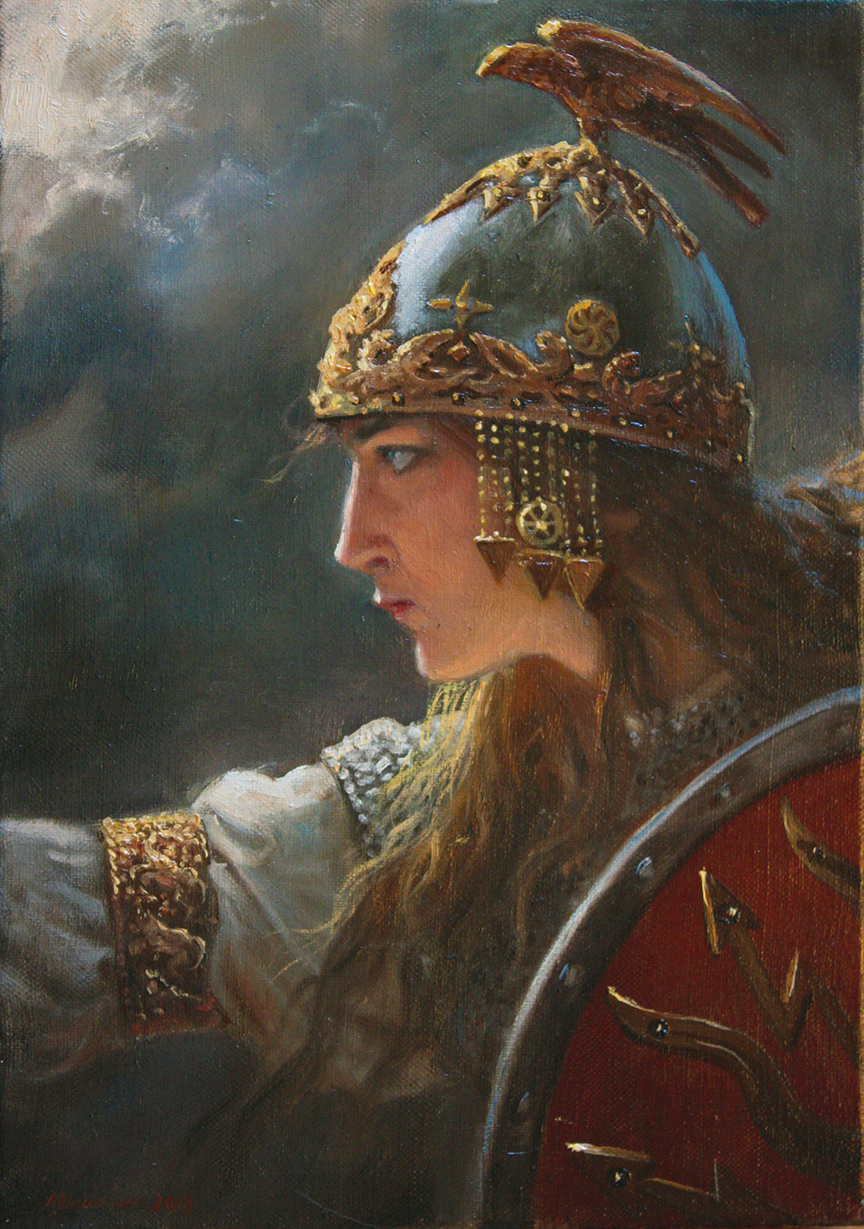 🇦🇱 Albania and 5 moreDodolaДодoла / Dodola
A Balkan rainmaking ritual where children dressed in greenery lead processions to call for summer showers.Festival
🇦🇱 Albania and 5 moreDodolaДодoла / Dodola
A Balkan rainmaking ritual where children dressed in greenery lead processions to call for summer showers.Festival
 🇵🇱 Poland and 6 morePolaznik
The first visitor to cross the threshold at Christmas, read as a sign of the year to comeFolklore
🇵🇱 Poland and 6 morePolaznik
The first visitor to cross the threshold at Christmas, read as a sign of the year to comeFolklore
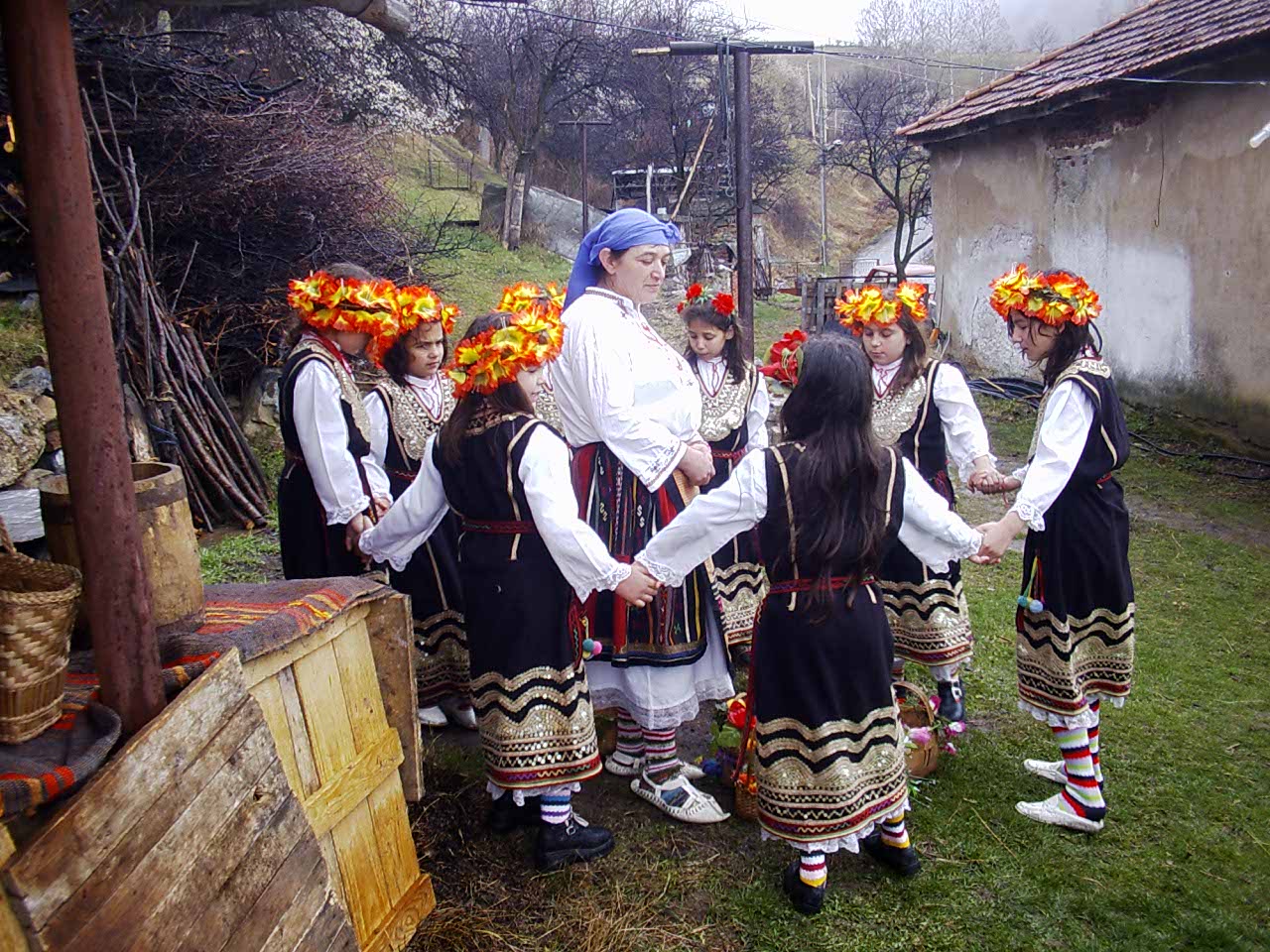 🇷🇸 Serbia and 3 moreLazariceлазарице
A spring procession of girls in flower wreaths, singing door to door before Palm SundaySpiritual
🇷🇸 Serbia and 3 moreLazariceлазарице
A spring procession of girls in flower wreaths, singing door to door before Palm SundaySpiritual
 🇷🇺 Russia and 3 moreGeorge's Day in AutumnЕгорий Осенний (Yegoriy Osenniy), Юрьев день (Yuriev den); Serbian: Ђурђиц (Đurđic)
The autumn feast of Saint George, kept at harvest's end in Slavic landsFestival
🇷🇺 Russia and 3 moreGeorge's Day in AutumnЕгорий Осенний (Yegoriy Osenniy), Юрьев день (Yuriev den); Serbian: Ђурђиц (Đurđic)
The autumn feast of Saint George, kept at harvest's end in Slavic landsFestival
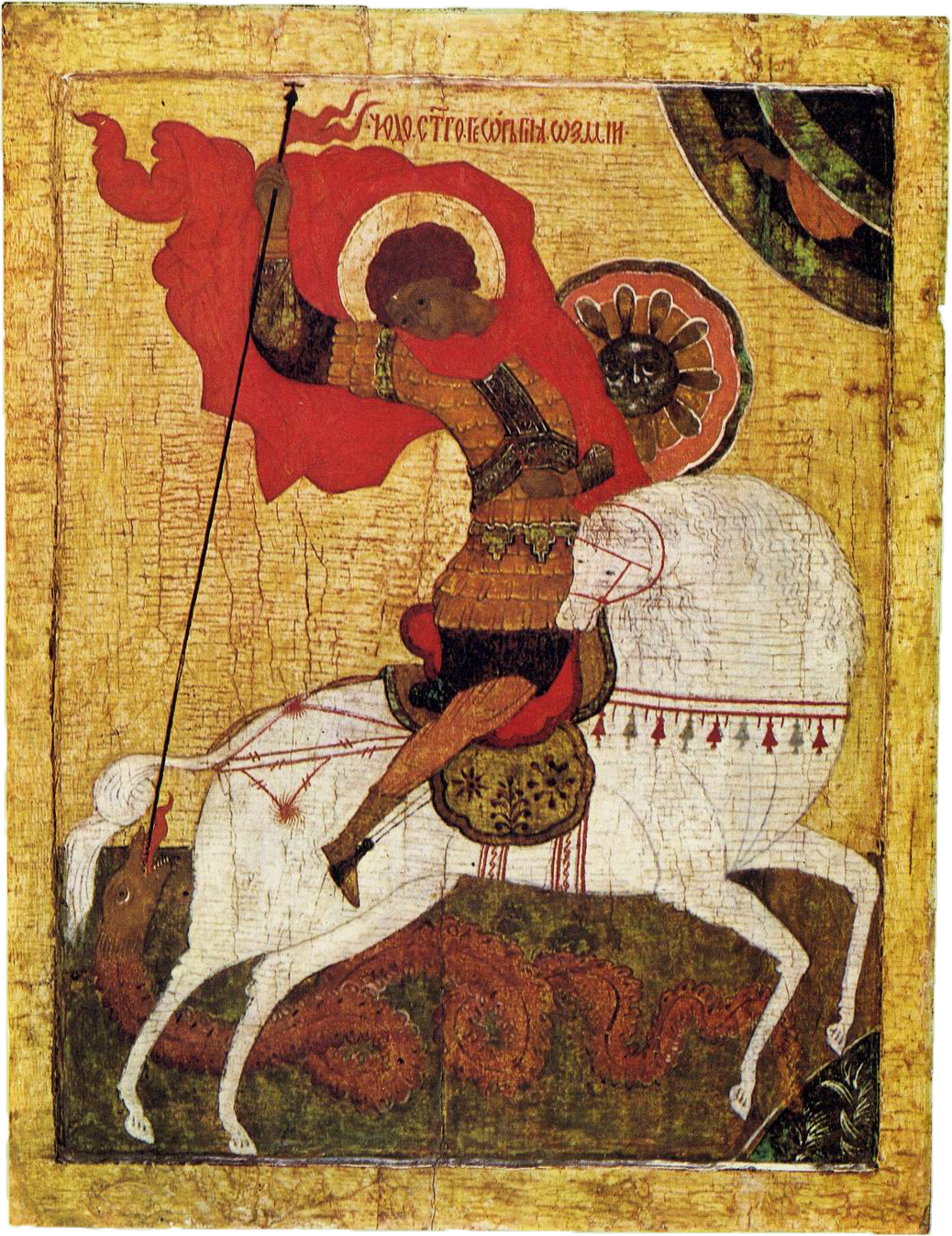 🇷🇸 Serbia and 5 moreĐurđevdanЂурђевдан
A spring festival and feast of Saint George kept across the Balkans and Eastern EuropeFestival · Feasts and festival meals
🇷🇸 Serbia and 5 moreĐurđevdanЂурђевдан
A spring festival and feast of Saint George kept across the Balkans and Eastern EuropeFestival · Feasts and festival meals
 🇷🇸 Serbia and 2 moreZapisзапис
A consecrated village tree marked with a cross, venerated in Serbian folk traditionSpiritual · Feasts and festival meals
🇷🇸 SerbiaVertepвертеп
A Serbian Orthodox Christmas Eve custom, named for the cave of the NativitySpiritual
🇷🇸 Serbia and 2 moreZapisзапис
A consecrated village tree marked with a cross, venerated in Serbian folk traditionSpiritual · Feasts and festival meals
🇷🇸 SerbiaVertepвертеп
A Serbian Orthodox Christmas Eve custom, named for the cave of the NativitySpiritual
Photo credits on this page
The small pictures above come from Wikimedia Commons under free licences. Some are cropped to fit.
- Nativity Fast: User:LoKi, Public domain, source
- Slava: Petar Milošević, CC BY-SA 4.0, source
- Nowruz: Katzenfee50, CC0, source
- Serbian Christmas: Petar Milošević, CC BY-SA 3.0, source
- Kukeri: Nenko Lazarov, CC BY 2.5, source
- Saint George's Day: Raphael, Public domain, source
- Beheading of John the Baptist: Caravaggio, Public domain, source
- Radonitsa: Perohanych, CC BY-SA 3.0, source
- Polaznik: Carlton Alfred Smith, Public domain, source
- Dodola: Andrey Shishkin, CC BY 3.0, source
- George's Day in Autumn: Sergey Ivanov, Public domain, source
- Pysanka: Lubap, CC BY-SA 4.0, source
- Saint Andrew's Day: Henryk Siemiradzki, Public domain, source
- Vidovdan: Радосав Стојановић at Serbian Wikipedia, Public domain, source
- Lazarice: Svetlina bov at Bulgarian Wikipedia, Public domain, source
- Eid il-Burbara: Durziil89, CC0, source
- Zaduszki: Ivan Mrkvička, CC BY-SA 4.0, source
- Zapis: Zblagojevic, CC BY-SA 4.0, source
- Đurđevdan: Anonymous Russian icon painter (before 1917) Public domain image (acco, Public domain, source