🇷🇺 Traditions of Russia
98 traditions from Russia, best known first, across 27 cities and towns.
Russian traditions blend ancient Slavic roots with Orthodox rituals and a multicultural heritage shaped by vast geography. Life centers on communal feasting, seasonal preservation, and deep literary and artistic expression.
In Russia, daily life moves with the seasons and the liturgical calendar. People gather around tables laden with bread, soups, and preserved foods to mark births, marriages, and deaths. The arts, from ballet to literature, hold a sacred place in public consciousness. Regional diversity adds layers of flavor and custom across the vast landscape.
The year and its festivals
The rhythm of the year is set by the harsh climate and the Orthodox Church. Winter brings long nights for storytelling and indoor crafts. Summer offers brief bursts of activity in fields and gardens. Major holidays like Easter and Christmas involve fasting followed by lavish meals. Midsummer celebrations, known as Kupala Night, retain pagan elements of fire jumping and flower weaving. These events reinforce community bonds and honor ancestral cycles.
Faith and ritual
Eastern Orthodoxy shapes much of the spiritual landscape. Churches dot towns and villages, serving as centers for baptism, marriage, and funeral rites. Icons are treated with reverence in homes. Pilgrimages to monasteres are common acts of devotion. Many rural practices blend Christian prayers with older folk beliefs about spirits and nature. This syncretism creates a unique spiritual texture that honors both heaven and earth.
Birth and marriage and death
Life cycle events are marked by elaborate customs. Baptisms often include godparents who guide the child’s moral path. Weddings feature braiding ceremonies and communal feasts that last for days. Funerals emphasize remembrance and shared grief, with specific foods prepared for mourners. These rites ensure continuity between generations. They provide structure during times of transition and loss, anchoring individuals within their family and community networks.
The table and what is eaten when
Food is central to Russian hospitality. Bread and salt welcome guests at every door. Soups like shchi and borscht appear frequently, made from seasonal vegetables or preserved ingredients. Meat pies, kasha, and pickled goods sustain families through winter. Tea is drunk constantly, often with sweets or jam. Regional variations exist, with northern areas relying on fish and berries, while southern regions use more grains and fruits. Meals are shared slowly, fostering conversation and connection.
Music and dance
Folk music uses instruments like the balalaika and accordion to accompany dances. Circle dances, or khorovod, bring people together in celebration. Ballet and classical music enjoy high cultural status, rooted in centuries of training and performance. Literature also plays a musical role, with poems recited aloud in gatherings. These art forms preserve history and express collective emotions, linking past and present through sound and movement.
The facts in this overview come from the Wikipedia article "Culture of Russia", written by its contributors and used under the CC BY-SA 4.0 licence. EveryParampara rewrote the text in its own words, with AI assistance, and compares every page with the article to make sure no passage is copied. It may be reused under the same CC BY-SA 4.0 licence with a link back.
The table in Russia
Foods and drinks by the moment they belong to.
Cities, towns and villages of Russia
 🇷🇺 Russia and 2 moreMaslenitsaМасленица
A seven-day Eastern Slavic festival of pancakes and bonfires marking the end of winter before Lent.Festival · Breakfast
🇷🇺 Russia and 2 moreMaslenitsaМасленица
A seven-day Eastern Slavic festival of pancakes and bonfires marking the end of winter before Lent.Festival · Breakfast
 🇲🇳 Mongolia and 2 moreTsagaan SarЦагаан сар
The Mongolian Lunar New Year festival of peace, elders, white foods and renewalSeasonal · Feasts and festival meals
🇲🇳 Mongolia and 2 moreTsagaan SarЦагаан сар
The Mongolian Lunar New Year festival of peace, elders, white foods and renewalSeasonal · Feasts and festival meals
 🇦🇲 Armenia and 2 moreVardavarՎարդավառ
An Armenian midsummer festival where people playfully douse each other with waterFestival
🇦🇲 Armenia and 2 moreVardavarՎարդավառ
An Armenian midsummer festival where people playfully douse each other with waterFestival
 🇺🇦 Ukraine and 7 moreKoliadaКоляда
A traditional winter caroling and solstice festival kept across Slavic EuropeFestival
🇺🇦 Ukraine and 7 moreKoliadaКоляда
A traditional winter caroling and solstice festival kept across Slavic EuropeFestival
 🇪🇹 Ethiopia and 5 moreNativity Fast
A forty-day Christian period of abstinence and prayer observed in preparation for Christmas.Spiritual
🇪🇹 Ethiopia and 5 moreNativity Fast
A forty-day Christian period of abstinence and prayer observed in preparation for Christmas.Spiritual
 🇦🇲 Armenia and 1 moreTrndezտրնդեզ
An Armenian fire feast forty days after Christmas, kept with bonfires and shared sweetsSpiritual · Feasts and festival meals
🇦🇲 Armenia and 1 moreTrndezտրնդեզ
An Armenian fire feast forty days after Christmas, kept with bonfires and shared sweetsSpiritual · Feasts and festival meals
 🇷🇺 Moscow, Russia and 4 morePalm Sunday
A Christian Sunday feast marking Jesus's entry into Jerusalem with blessed branches.Spiritual
🇷🇺 Moscow, Russia and 4 morePalm Sunday
A Christian Sunday feast marking Jesus's entry into Jerusalem with blessed branches.Spiritual
 🇮🇱 Israel and 4 moreTorah readingקריאת התורה
The public reading of the Torah scroll in synagogue, chanted to a special tuneSpiritual
🇮🇱 Israel and 4 moreTorah readingקריאת התורה
The public reading of the Torah scroll in synagogue, chanted to a special tuneSpiritual
 🇵🇱 Poland and 5 moreZaduszkiZaduszki, Dzień Zaduszny
A Polish day of prayer for the dead on 2 November, kept with candles at the gravesSpiritual
🇵🇱 Poland and 5 moreZaduszkiZaduszki, Dzień Zaduszny
A Polish day of prayer for the dead on 2 November, kept with candles at the gravesSpiritual
 🇪🇬 Egypt and 3 moreGreat LentΜεγάλη Τεσσαρακοστή
The forty-day fast before Easter, kept by Eastern Christians as a season of prayerSpiritual · Fasting and breaking the fast
🇪🇬 Egypt and 3 moreGreat LentΜεγάλη Τεσσαρακοστή
The forty-day fast before Easter, kept by Eastern Christians as a season of prayerSpiritual · Fasting and breaking the fast
 🇷🇺 Moscow, RussiaChristmas in RussiaРождество Христово
An Orthodox winter feast marked by church vigils, fasting suppers and festive mealsSpiritual · Supper
🇷🇺 Moscow, RussiaChristmas in RussiaРождество Христово
An Orthodox winter feast marked by church vigils, fasting suppers and festive mealsSpiritual · Supper
 🇷🇺 Moscow, Russia and 5 moreNovy GodНовый Год
A secular winter celebration of decorated trees, family feasts and midnight giftsFestival · Feasts and festival meals
🇷🇺 Moscow, Russia and 5 moreNovy GodНовый Год
A secular winter celebration of decorated trees, family feasts and midnight giftsFestival · Feasts and festival meals
 🇷🇺 Moscow, Russia and 5 moreDormition of the Mother of God
A major feast in Eastern Christianity marking the death and heavenly ascent of Mary.Spiritual
🇷🇺 Moscow, Russia and 5 moreDormition of the Mother of God
A major feast in Eastern Christianity marking the death and heavenly ascent of Mary.Spiritual
 🇩🇪 Germany and 3 moreVisitation
A Christian feast commemorating Mary's journey to visit her cousin ElizabethSpiritual
🇺🇦 Ukraine and 2 moreProgrammer's Day
A professional day for programmers, fixed to the 256th day of the yearCeremony
🇩🇪 Germany and 3 moreVisitation
A Christian feast commemorating Mary's journey to visit her cousin ElizabethSpiritual
🇺🇦 Ukraine and 2 moreProgrammer's Day
A professional day for programmers, fixed to the 256th day of the yearCeremony
 🇺🇦 Ukraine and 2 moreIntercession of the TheotokosПокровъ
An Eastern Christian autumn feast honoring the protective veil of the Virgin MarySpiritual
🇺🇦 Ukraine and 2 moreIntercession of the TheotokosПокровъ
An Eastern Christian autumn feast honoring the protective veil of the Virgin MarySpiritual
 🇷🇺 Russia and 3 moreOld New YearСтарый Новый год (Russian), Стара Нова година (Macedonian), Српска Нова година (Serbian), Hen Galan (Welsh)
An informal holiday marking the start of the Julian calendar year, celebrated on 14 January in the Gregorian calendar.Festival · Dinner
🇷🇺 Russia and 3 moreOld New YearСтарый Новый год (Russian), Стара Нова година (Macedonian), Српска Нова година (Serbian), Hen Galan (Welsh)
An informal holiday marking the start of the Julian calendar year, celebrated on 14 January in the Gregorian calendar.Festival · Dinner
 🇷🇺 Russia and 5 moreBeheading of John the Baptist
A Christian holy day of strict fasting that marks the death of John the BaptistSpiritual · Fasting and breaking the fast
🇷🇺 Russia and 5 moreBeheading of John the Baptist
A Christian holy day of strict fasting that marks the death of John the BaptistSpiritual · Fasting and breaking the fast
 🇷🇺 Russia and 5 moreRadonitsaРа́доница (Russian), Ра́даўніца (Belarusian)
A spring day when Orthodox families visit graves, share Easter food and greet the deadSpiritual · Feasts and festival meals
🇷🇺 Russia and 5 moreRadonitsaРа́доница (Russian), Ра́даўніца (Belarusian)
A spring day when Orthodox families visit graves, share Easter food and greet the deadSpiritual · Feasts and festival meals
 🇮🇹 Rome, Italy and 4 moreMarian feast days
Holy days across the liturgical year celebrating the life and veneration of Mary.Spiritual
🇮🇹 Rome, Italy and 4 moreMarian feast days
Holy days across the liturgical year celebrating the life and veneration of Mary.Spiritual
 🇷🇺 Mordovia, Russia and 2 moreErzya Language DayЭрзянь келень чи
A yearly day for the Erzya language, held on 16 April, the birthday of Anatoli RyabovFestival
🇷🇺 Mordovia, Russia and 2 moreErzya Language DayЭрзянь келень чи
A yearly day for the Erzya language, held on 16 April, the birthday of Anatoli RyabovFestival
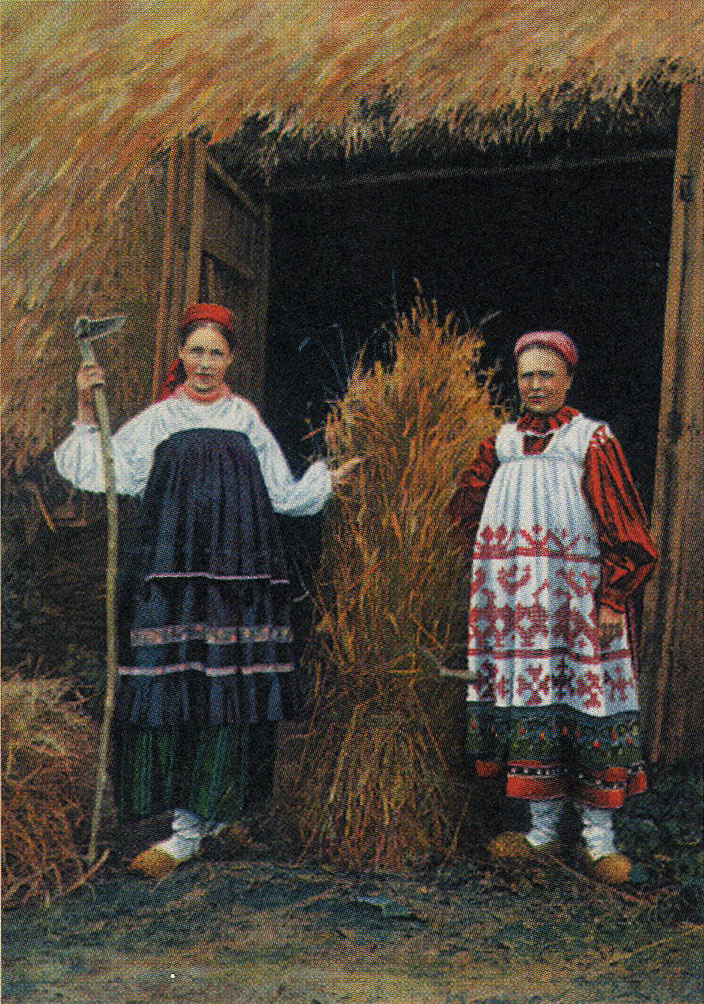 🇵🇱 Kraków, Poland and 5 moreDozhinkiDożynki
A Slavic harvest festival of the last sheaf, a woven wreath and a shared mealSeasonal
🇵🇱 Kraków, Poland and 5 moreDozhinkiDożynki
A Slavic harvest festival of the last sheaf, a woven wreath and a shared mealSeasonal
 🇷🇺 RussiaAsperges
The Christian liturgical ceremony of sprinkling the faithful with blessed waterSpiritual
🇷🇺 RussiaAsperges
The Christian liturgical ceremony of sprinkling the faithful with blessed waterSpiritual
 🇺🇦 Ukraine and 7 moreVechornytsiвечорниці
Evening gatherings of Ukrainian youth, with songs, jokes, games and winter divinationSeasonal
🇺🇦 Ukraine and 7 moreVechornytsiвечорниці
Evening gatherings of Ukrainian youth, with songs, jokes, games and winter divinationSeasonal
 🇱🇻 Riga, Latvia and 4 moreMeteņi
A Latvian pre-Lenten festival marking the turn of time and welcoming spring.Festival · Feasts and festival meals
🇱🇻 Riga, Latvia and 4 moreMeteņi
A Latvian pre-Lenten festival marking the turn of time and welcoming spring.Festival · Feasts and festival meals
 🇵🇱 Kraków, Poland and 5 moreTurońTuroń (Polish), Turoň (Slovak)
A shaggy horned beast led from house to house by carol singers at carnival timeFolklore
🇵🇱 Kraków, Poland and 5 moreTurońTuroń (Polish), Turoň (Slovak)
A shaggy horned beast led from house to house by carol singers at carnival timeFolklore
 🇷🇺 Russia and 3 moreGeorge's Day in AutumnЕгорий Осенний (Yegoriy Osenniy), Юрьев день (Yuriev den); Serbian: Ђурђиц (Đurđic)
The autumn feast of Saint George, kept at harvest's end in Slavic landsFestival
🇷🇺 Russia and 3 moreGeorge's Day in AutumnЕгорий Осенний (Yegoriy Osenniy), Юрьев день (Yuriev den); Serbian: Ђурђиц (Đurđic)
The autumn feast of Saint George, kept at harvest's end in Slavic landsFestival
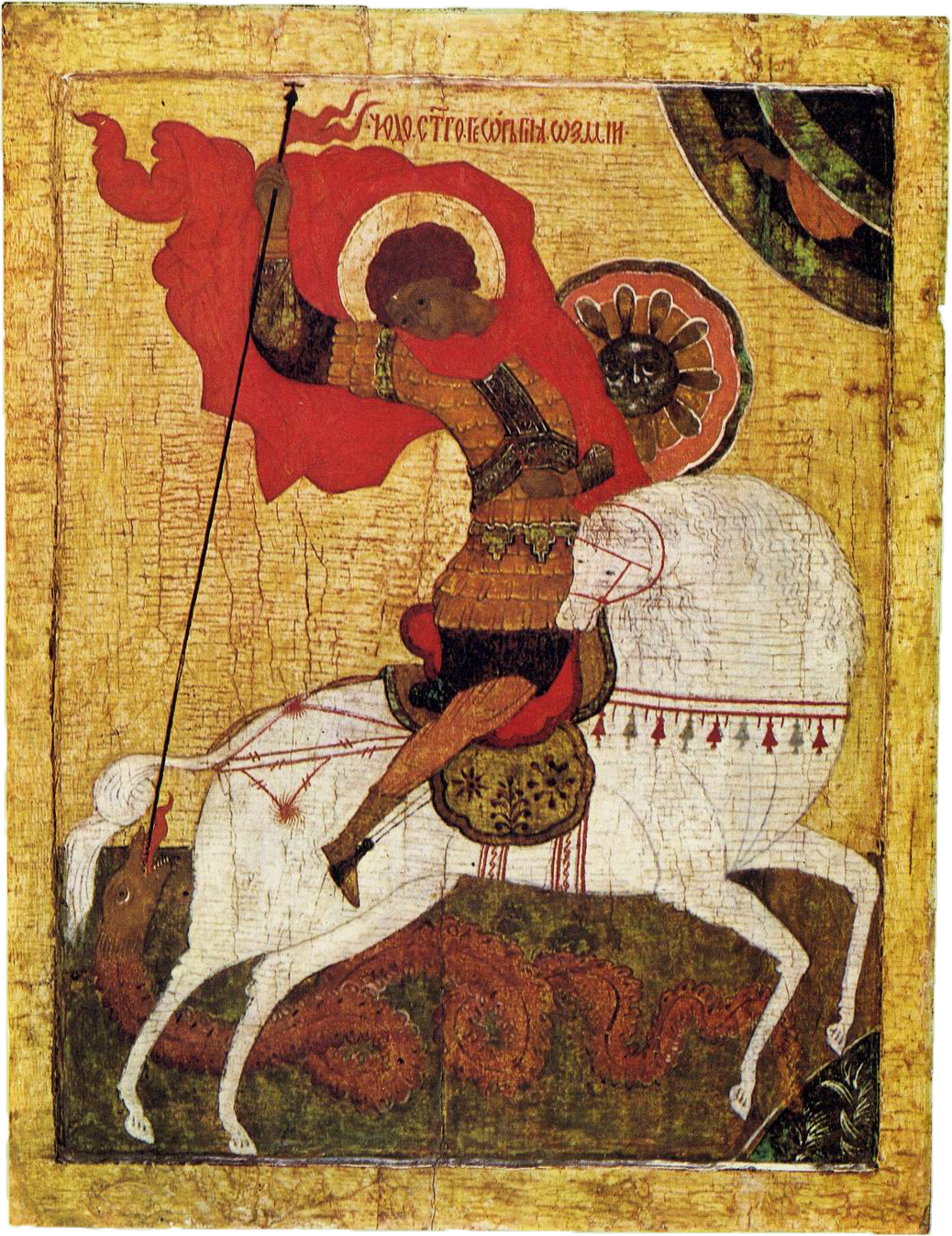 🇷🇸 Serbia and 5 moreĐurđevdanЂурђевдан
A spring festival and feast of Saint George kept across the Balkans and Eastern EuropeFestival · Feasts and festival meals
🇷🇸 Serbia and 5 moreĐurđevdanЂурђевдан
A spring festival and feast of Saint George kept across the Balkans and Eastern EuropeFestival · Feasts and festival meals
Photo credits on this page
The small pictures above come from Wikimedia Commons under free licences. Some are cropped to fit.
- Nativity Fast: User:LoKi, Public domain, source
- Đurđevdan: Anonymous Russian icon painter (before 1917) Public domain image (acco, Public domain, source
- Tsagaan Sar: User:Chinneeb, CC BY-SA 3.0, source
- Maslenitsa: Лобачев Владимир, CC BY-SA 4.0, source
- Vardavar: Камалян001, CC BY-SA 3.0, source
- Koliada: Konstantin Trutovsky, Public domain, source
- Novy God: Евгений Самарин, CC BY 4.0, source
- Palm Sunday: Pietro Lorenzetti, Public domain, source
- Christmas in Russia: Gzen92, CC BY-SA 4.0, source
- Great Lent: Stalinsunnykvj, CC BY-SA 4.0, source
- Trndez: Armineaghayan, CC BY-SA 4.0, source
- Torah reading: Sagie Maoz, CC BY-SA 2.0, source
- Zaduszki: Ivan Mrkvička, CC BY-SA 4.0, source
- Dormition of the Mother of God: El Greco, Public domain, source
- Beheading of John the Baptist: Caravaggio, Public domain, source
- Radonitsa: Perohanych, CC BY-SA 3.0, source
- Erzya Language Day: Erzianj jurnalist, CC BY-SA 3.0, source
- Dozhinki: Unknown author, Public domain, source
- Vechornytsi: Гейслер, Кристиан Готфрид Генрих, Public domain, source
- Turoń: Museum: The Seweryn Udziela Ethnographic Museum in Kraków, CC0, source
- Meteņi: Spekozols, CC BY-SA 4.0, source
- Visitation: Giotto, Public domain, source
- Intercession of the Theotokos: SNCH, CC BY-SA 4.0, source
- Old New Year: ceridwen, CC BY-SA 2.0, source
- Marian feast days: © Ralph Hammann - Wikimedia Commons, CC BY-SA 4.0, source
- Asperges: Ian42, CC BY-SA 3.0, source
- George's Day in Autumn: Sergey Ivanov, Public domain, source