🇰🇷 Traditions of South Korea
57 traditions from South Korea, best known first, across 20 cities and towns.
South Korean traditions grow from lunar cycles, ancestral reverence, and shared meals centered on rice and fermented vegetables. Families gather each autumn and winter to honor elders and mark the harvest. Storytelling through song preserves historical memory, while rapid urban life reshapes daily routines. These practices balance deep respect for the past with quiet adaptation to modern rhythms.
People in South Korea measure time by the moon and the turning seasons. Each year brings gatherings where families tend graves, prepare special cakes, and share long tables. Stories told through music carry centuries of feeling. Daily life moves quickly in crowded cities, yet many customs remain woven into ordinary moments. This guide follows those living practices as they continue today.
The Turning Year
Families observe two major lunar holidays that pause work and bring relatives together. Seollal marks the first new moon of the year, usually falling in January or February. Chuseok arrives later in autumn to thank the earth for the harvest. Both occasions feature visits to family shrines and meals built around steamed rice cakes filled with sweet beans. The calendar also holds several national observances. Citizens raise the flag on founding and liberation dates. Buddha’s birthday brings temple lanterns and quiet reflection. These days anchor the community to shared history and seasonal rhythm.
Meals and Seasons
Meals revolve around bowls of steamed rice and jars of fermented cabbage seasoned with chili and garlic. Small plates of banchan accompany every dish, offering a range of textures and flavors. Porridge warms cold mornings, while grilled beef appears at celebrations. Soju remains the standard drink for gatherings. Modern kitchens also welcome foreign recipes, often blending corn or sweet potato into familiar formats. Coffee shops serve as quiet workspaces for students and professionals alike. Street vendors still sell skewered fish cakes and spicy rice cakes near parks. Delivery riders navigate city streets to bring hot meals to doorsteps within minutes.
Sound and Story
A single vocalist and one drummer keep ancient narratives alive through a form called pansori. Performers train for years to master vocal techniques that project across open spaces. The music unfolds slowly, sometimes stretching over hours, allowing listeners to absorb tales of loyalty, romance, and sorrow. Audiences often call out encouragement to match the singer’s pace. Many stories express han, a word for lingering grief or quiet resilience passed down through generations. Though originally shared orally, these performances survive as careful records of Korean emotional life. The art continues to draw crowds who value its steady rhythm and honest expression.
Living Changes
Rapid city growth has separated extended families into smaller households. Rural villages shrink while metropolitan areas concentrate population and commerce. Writers adapted to this shift by embracing Hangul, the phonetic alphabet introduced in the fifteenth century to broaden reading skills. Poetry gained popularity after earlier patriotic verses faded from favor. Young readers once absorbed foreign comics and music before trade restrictions eased. Today, global audiences recognize local entertainment and fashion trends. Despite these transformations, communities still value education, linguistic clarity, and the quiet persistence of older customs alongside new routines.
The facts in this overview come from the Wikipedia article "Culture of South Korea", written by its contributors and used under the CC BY-SA 4.0 licence. EveryParampara rewrote the text in its own words, with AI assistance, and compares every page with the article to make sure no passage is copied. It may be reused under the same CC BY-SA 4.0 licence with a link back.
The table in South Korea
Foods and drinks by the moment they belong to.
Cities, towns and villages of South Korea
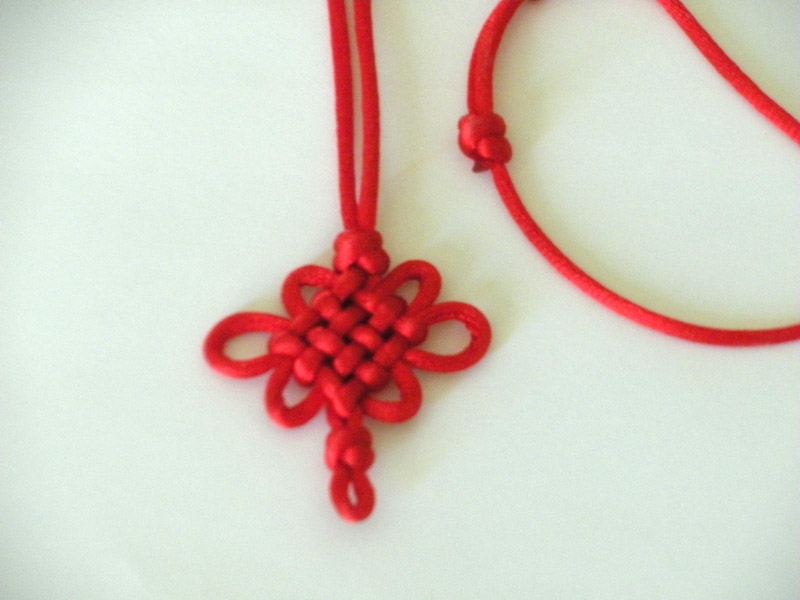 🇨🇳 China and 2 moreChinese knotting中國結 (Zhōngguó jié)
A folk craft of cord tied into lucky shapes, made in China and given as charmsCraft
🇨🇳 China and 2 moreChinese knotting中國結 (Zhōngguó jié)
A folk craft of cord tied into lucky shapes, made in China and given as charmsCraft
 🇰🇷 Seoul, South Korea and 1 moreTalchum탈춤
A Korean mask dance drama in which masked actors sing, dance and mock the powerfulPerformance
🇰🇷 Seoul, South Korea and 1 moreTalchum탈춤
A Korean mask dance drama in which masked actors sing, dance and mock the powerfulPerformance
 🇯🇵 Tokyo, Japan and 1 moreBonsai盆栽
A Japanese craft of keeping small trees in shallow pots, shaped for contemplationCraft
🇯🇵 Tokyo, Japan and 1 moreBonsai盆栽
A Japanese craft of keeping small trees in shallow pots, shaped for contemplationCraft
 🇰🇷 South KoreaHanji한지
The Korean craft of making durable paper from mulberry fiber and root mucilage.Craft
🇰🇷 South KoreaHanji한지
The Korean craft of making durable paper from mulberry fiber and root mucilage.Craft
 🇰🇷 South Korea and 1 moreGanggangsullae강강술래
A Korean harvest dance where women hold hands and sing in circles under the full moonPerformance
🇰🇷 South Korea and 1 moreGanggangsullae강강술래
A Korean harvest dance where women hold hands and sing in circles under the full moonPerformance
 🇰🇷 Honam, South Korea and 2 morePansori판소리
A Korean art of sung storytelling, with one singer, one drummer and a listening crowdPerformance
🇰🇷 Honam, South Korea and 2 morePansori판소리
A Korean art of sung storytelling, with one singer, one drummer and a listening crowdPerformance
 🇰🇷 South KoreaSinawi시나위
An improvisational Korean musical style played for shamanic rituals.Performance
🇰🇷 South KoreaMusok eumak무속 음악 (巫俗音樂)
Ritual music of Korean shamanism, sung and drummed to carry a shaman into trancePerformance
🇰🇷 South KoreaSinawi시나위
An improvisational Korean musical style played for shamanic rituals.Performance
🇰🇷 South KoreaMusok eumak무속 음악 (巫俗音樂)
Ritual music of Korean shamanism, sung and drummed to carry a shaman into trancePerformance
 🇰🇷 Seoul, South KoreaJultagi줄타기 (eoreum)
A traditional Korean tightrope performance that combines acrobatics with music and storytelling.Performance
🇰🇷 Jindo Island, South KoreaNamdo Field Songs남도 들노래
Farmers' choral work songs from South Jeolla, sung through the rice field yearPerformance
🇰🇷 Seoul, South KoreaJultagi줄타기 (eoreum)
A traditional Korean tightrope performance that combines acrobatics with music and storytelling.Performance
🇰🇷 Jindo Island, South KoreaNamdo Field Songs남도 들노래
Farmers' choral work songs from South Jeolla, sung through the rice field yearPerformance
Photo credits on this page
The small pictures above come from Wikimedia Commons under free licences. Some are cropped to fit.
- Ganggangsullae: originally by photoren, CC BY 2.0, source
- Bonsai: Ragesoss, CC BY-SA 3.0, source
- Jultagi: Korea.net / Korean Culture and Information Service, CC BY-SA 2.0, source
- Chinese knotting: Ucla90024, CC BY-SA 3.0, source
- Sinawi: Lee Jeong Woo (이정우) / Ministry of Culture, Sports and Tourism via Repu, CC BY-SA 2.0, source
- Talchum: originally by photoren, CC BY 2.0, source
- Hanji: Arghun, Public domain, source
- Pansori: Steve46814, CC BY-SA 3.0, source