🇮🇳 Traditions of India
343 traditions from India, best known first, across 60 cities and towns.
Indian traditions are built on a deep history of diverse religious practices, regional cuisines, and artistic expressions that have evolved over millennia. The most distinctive features include the central role of faith in daily life, the intricate variety of food shaped by geography and belief, and the enduring influence of ancient philosophical concepts like dharma and karma.
India is a land where ancient customs coexist with modern life. People here follow many different religions, each with its own rituals and festivals. Food plays a big part in social gatherings and religious observances. Art, music, and dance vary greatly from region to region. These traditions reflect a long history of cultural exchange and local innovation.
Faith and ritual
Religion shapes daily life for many Indians. Hinduism, Buddhism, Jainism, and Sikhism originated here and share ideas like dharma and karma. Nonviolence is a key value in these native faiths. Islam, Christianity, Judaism, and other foreign religions also have followers. Atheism and agnosticism have a long history too. Religious tolerance is common, though tensions sometimes arise. Festivals mark the calendar year with prayers and community events.
The table and eating
Indian cuisine varies widely by region and religion. Staples include rice, wheat flour, lentils, and millet. Spices like turmeric, cardamom, and cumin are essential. Cooking often involves frying onion, garlic, and ginger paste in oil. Religious beliefs influence diet; Hindus may avoid beef, Muslims avoid pork, and Jains eat only plant foods. New world ingredients like tomatoes and potatoes were adopted centuries ago. Meals are often shared family style using hands or spoons.
Arts and expression
Music, dance, and architecture show India's long cultural history. Classical forms exist alongside folk traditions. Dance styles vary by region, often telling stories from mythology. Music uses specific scales and rhythms unique to the area. Architecture reflects influences from various periods and cultures. Literature spans many languages and genres. These arts are kept alive through practice and performance in communities across the country.
Life cycle rites
Birth, marriage, and death are marked by specific rituals. These ceremonies often involve family and community members. Religious leaders may officiate at weddings and funerals. Birth celebrations welcome the new child into the community. Marriage unions two families as well as individuals. Death rituals focus on honoring the deceased and guiding their spirit. These rites reinforce social bonds and spiritual beliefs.
The facts in this overview come from the Wikipedia article "Culture of India", written by its contributors and used under the CC BY-SA 4.0 licence. EveryParampara rewrote the text in its own words, with AI assistance, and compares every page with the article to make sure no passage is copied. It may be reused under the same CC BY-SA 4.0 licence with a link back.
The table in India
Foods and drinks by the moment they belong to.
Cities, towns and villages of India
 🇫🇷 France and 4 morePicnic
A meal taken outdoors in a park or scenic spot, often shared with friends and family.Festival · Lunch
🇫🇷 France and 4 morePicnic
A meal taken outdoors in a park or scenic spot, often shared with friends and family.Festival · Lunch
 🇮🇳 Guwahati, IndiaBohag Bihu
A multi-day Assamese New Year festival of cattle rites, music, gifts and feastsSeasonal · Feasts and festival meals
🇮🇳 Guwahati, IndiaBohag Bihu
A multi-day Assamese New Year festival of cattle rites, music, gifts and feastsSeasonal · Feasts and festival meals
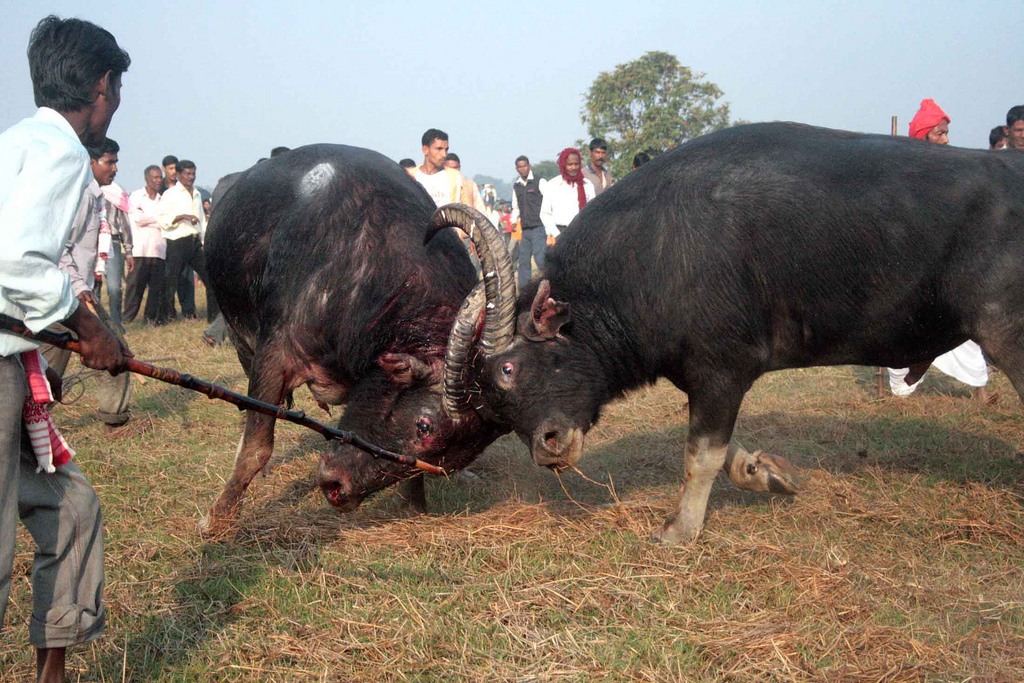 🇮🇳 IndiaMagh Bihu
A harvest festival of bonfires, feasts and winter games in AssamSeasonal · Feasts and festival meals
🇮🇳 IndiaMagh Bihu
A harvest festival of bonfires, feasts and winter games in AssamSeasonal · Feasts and festival meals
 🇮🇳 IndiaSadyaസദ്യ
A vegetarian feast from Kerala, served on a banana leaf at Onam, Vishu and weddingsTable custom · Lunch
🇮🇳 IndiaSadyaസദ്യ
A vegetarian feast from Kerala, served on a banana leaf at Onam, Vishu and weddingsTable custom · Lunch
 🇮🇳 India and 5 moreNativity of Mary
A Christian feast day honouring the birth of Mary, the mother of JesusSpiritual · Lunch
🇮🇳 India and 5 moreNativity of Mary
A Christian feast day honouring the birth of Mary, the mother of JesusSpiritual · Lunch
Photo credits on this page
The small pictures above come from Wikimedia Commons under free licences. Some are cropped to fit.
- Sadya: Augustus Binu / facebook, CC BY-SA 3.0, source
- Picnic: Thomas Cole, Public domain, source
- Bohag Bihu: Diganta Talukdar, CC BY-SA 4.0, source
- Magh Bihu: Diganta Talukdar, CC BY 2.0, source
- Nativity of Mary: Giotto, Public domain, source