🇮🇳 Traditions of India
355 traditions from India, best known first, across 60 cities and towns.
Indian traditions are built on a deep history of diverse religious practices, regional cuisines, and artistic expressions that have evolved over millennia. The most distinctive features include the central role of faith in daily life, the intricate variety of food shaped by geography and belief, and the enduring influence of ancient philosophical concepts like dharma and karma.
India is a land where ancient customs coexist with modern life. People here follow many different religions, each with its own rituals and festivals. Food plays a big part in social gatherings and religious observances. Art, music, and dance vary greatly from region to region. These traditions reflect a long history of cultural exchange and local innovation.
Faith and ritual
Religion shapes daily life for many Indians. Hinduism, Buddhism, Jainism, and Sikhism originated here and share ideas like dharma and karma. Nonviolence is a key value in these native faiths. Islam, Christianity, Judaism, and other foreign religions also have followers. Atheism and agnosticism have a long history too. Religious tolerance is common, though tensions sometimes arise. Festivals mark the calendar year with prayers and community events.
The table and eating
Indian cuisine varies widely by region and religion. Staples include rice, wheat flour, lentils, and millet. Spices like turmeric, cardamom, and cumin are essential. Cooking often involves frying onion, garlic, and ginger paste in oil. Religious beliefs influence diet; Hindus may avoid beef, Muslims avoid pork, and Jains eat only plant foods. New world ingredients like tomatoes and potatoes were adopted centuries ago. Meals are often shared family style using hands or spoons.
Arts and expression
Music, dance, and architecture show India's long cultural history. Classical forms exist alongside folk traditions. Dance styles vary by region, often telling stories from mythology. Music uses specific scales and rhythms unique to the area. Architecture reflects influences from various periods and cultures. Literature spans many languages and genres. These arts are kept alive through practice and performance in communities across the country.
Life cycle rites
Birth, marriage, and death are marked by specific rituals. These ceremonies often involve family and community members. Religious leaders may officiate at weddings and funerals. Birth celebrations welcome the new child into the community. Marriage unions two families as well as individuals. Death rituals focus on honoring the deceased and guiding their spirit. These rites reinforce social bonds and spiritual beliefs.
The facts in this overview come from the Wikipedia article "Culture of India", written by its contributors and used under the CC BY-SA 4.0 licence. EveryParampara rewrote the text in its own words, with AI assistance, and compares every page with the article to make sure no passage is copied. It may be reused under the same CC BY-SA 4.0 licence with a link back.
The table in India
Foods and drinks by the moment they belong to.
Cities, towns and villages of India
 🇹🇷 Turkey and 5 moreNazarnazar boncuğu
A blue glass eye amulet worn and displayed to deflect the evil eye.Folklore
🇹🇷 Turkey and 5 moreNazarnazar boncuğu
A blue glass eye amulet worn and displayed to deflect the evil eye.Folklore
 🇮🇩 Bali, Indonesia and 5 moreIkat
A resist-dyeing craft from Southeast Asia, where yarns are tied and dyed before weavingCraft
🇮🇩 Bali, Indonesia and 5 moreIkat
A resist-dyeing craft from Southeast Asia, where yarns are tied and dyed before weavingCraft
 🇮🇳 Paithan, IndiaPaithani
A handwoven silk sari from Maharashtra, with a squared border and a peacock palluDress
🇮🇳 Paithan, IndiaPaithani
A handwoven silk sari from Maharashtra, with a squared border and a peacock palluDress
 🇮🇳 Kolhapur, IndiaKolhapuri chappal
Handcrafted braided leather slip-on sandals from western IndiaCraft
🇮🇳 Kolhapur, IndiaKolhapuri chappal
Handcrafted braided leather slip-on sandals from western IndiaCraft
 🇮🇳 India and 1 morePhulkariਫੁਲਕਾਰੀ
Geometric and floral threadwork embroidered by Punjabi women on handwoven cotton.Craft
🇮🇳 India and 1 morePhulkariਫੁਲਕਾਰੀ
Geometric and floral threadwork embroidered by Punjabi women on handwoven cotton.Craft
 🇮🇳 Pune, India and 5 moreTurbanدولبند (dolband)
Cloth wound around the head, worn for faith, rank, shade and identityDress
🇮🇳 Pune, India and 5 moreTurbanدولبند (dolband)
Cloth wound around the head, worn for faith, rank, shade and identityDress
 🇾🇪 Hadhramaut, Yemen and 1 moreJambiyaجنبية
A short curved dagger worn at the waist by Yemeni men, its handle a sign of statusDress
🇾🇪 Hadhramaut, Yemen and 1 moreJambiyaجنبية
A short curved dagger worn at the waist by Yemeni men, its handle a sign of statusDress
 🇮🇳 Lucknow, India and 3 moreSherwani
A long buttoned coat for men, worn at weddings and state occasions in South AsiaDress
🇮🇳 Lucknow, India and 3 moreSherwani
A long buttoned coat for men, worn at weddings and state occasions in South AsiaDress
 🇧🇩 Dhaka, Bangladesh and 1 moreJamdaniজামদানি
A fine handwoven cotton cloth of Bengal, patterned with motifs worked in by handCraft
🇧🇩 Dhaka, Bangladesh and 1 moreJamdaniজামদানি
A fine handwoven cotton cloth of Bengal, patterned with motifs worked in by handCraft
 🇮🇷 Iran and 4 moreZardoziزردوزی (zarduzi)
Heavy gold and silver embroidery on silk or velvet, worked in Iran, India and beyondCraft
🇮🇷 Iran and 4 moreZardoziزردوزی (zarduzi)
Heavy gold and silver embroidery on silk or velvet, worked in Iran, India and beyondCraft
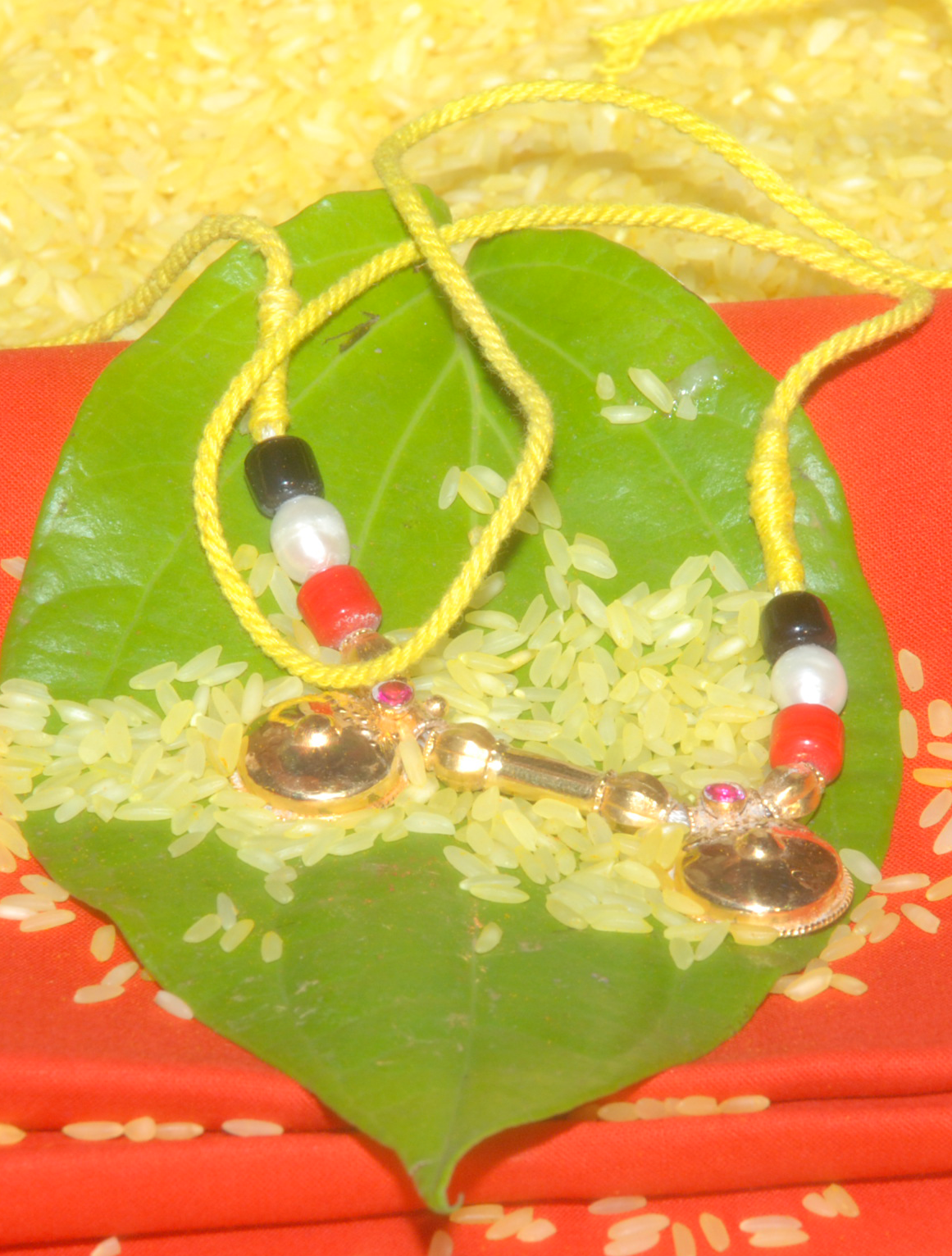 🇮🇳 India and 2 moreMangalasutraमङ्गलसूत्रम् (maṅgalasūtram)
A necklace tied by the groom at a wedding, worn through married lifeDress
🇮🇳 India and 2 moreMangalasutraमङ्गलसूत्रम् (maṅgalasūtram)
A necklace tied by the groom at a wedding, worn through married lifeDress
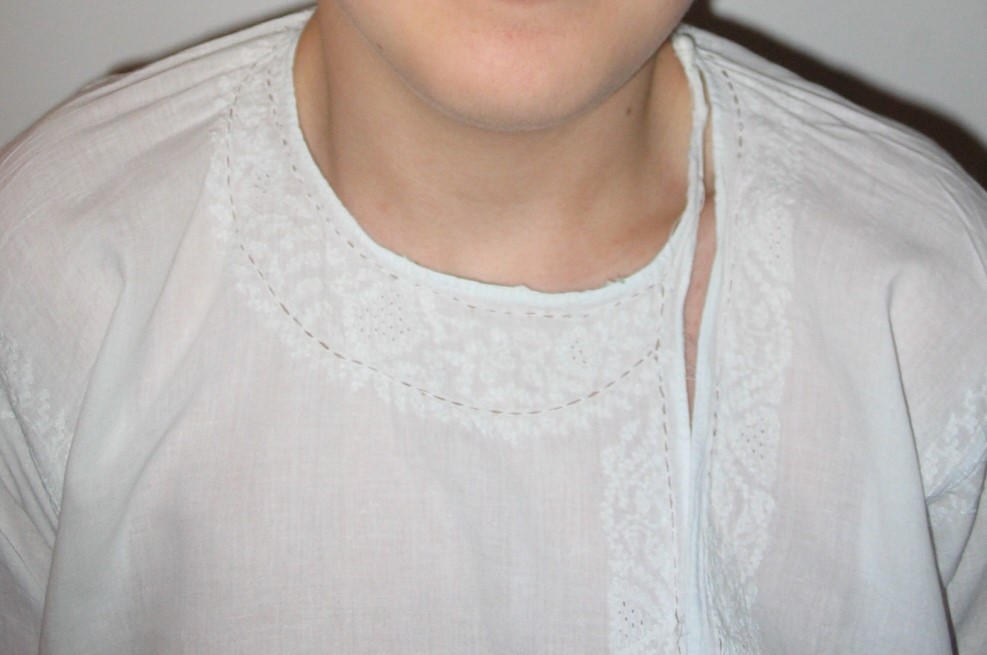 🇮🇳 Lucknow, India and 5 moreKurtaکرته (Persian), कुरता (Hindi)
A loose collarless tunic from South Asia, worn plain or embroidered over pyjamas or jeansDress
🇮🇳 Lucknow, India and 5 moreKurtaکرته (Persian), कुरता (Hindi)
A loose collarless tunic from South Asia, worn plain or embroidered over pyjamas or jeansDress
 🇵🇰 Multan, Pakistan and 3 moreShalwar kameez
Loose trousers and a long tunic, worn as one outfit across South AsiaDress
🇵🇰 Multan, Pakistan and 3 moreShalwar kameez
Loose trousers and a long tunic, worn as one outfit across South AsiaDress
 🇮🇳 IndiaGamosaগামুছা
A white Assamese cloth with a red border, worn, gifted and laid under sacred textsDress
🇮🇳 IndiaGamosaগামুছা
A white Assamese cloth with a red border, worn, gifted and laid under sacred textsDress
 🇮🇳 Mumbai, India and 1 moreDhoti
A long unstitched cloth men wrap like trousers, for worship and formal daysDress
🇮🇳 Mumbai, India and 1 moreDhoti
A long unstitched cloth men wrap like trousers, for worship and formal daysDress
 🇮🇳 Srinagar, India and 3 morePashmina
Ultra-fine wool of Himalayan goats, hand-woven in Kashmir into shawls of rankDress
🇮🇳 Srinagar, India and 3 morePashmina
Ultra-fine wool of Himalayan goats, hand-woven in Kashmir into shawls of rankDress
 🇮🇳 India and 4 moreSariसाड़ी
An unstitched length of cloth that women drape around the body, worn across South AsiaDress
🇮🇳 India and 4 moreSariसाड़ी
An unstitched length of cloth that women drape around the body, worn across South AsiaDress
 🇮🇳 Bhuj, India and 1 moreBandhani
Tie-dye cloth from India, knotted by hand and dipped in dye to leave dot patternsCraft
🇮🇳 Bhuj, India and 1 moreBandhani
Tie-dye cloth from India, knotted by hand and dipped in dye to leave dot patternsCraft
 🇮🇳 Ayodhya, IndiaTilakaतिलक
A forehead mark worn by Hindus and Jains, at home, at temple and on special daysDress
🇮🇳 Ayodhya, IndiaTilakaतिलक
A forehead mark worn by Hindus and Jains, at home, at temple and on special daysDress
 🇮🇳 India and 2 moreRudrakshaरुद्राक्ष
Seeds of the Elaeocarpus tree, worn as prayer beads by devotees of ShivaSpiritual
🇮🇳 India and 2 moreRudrakshaरुद्राक्ष
Seeds of the Elaeocarpus tree, worn as prayer beads by devotees of ShivaSpiritual
 🇮🇳 India and 5 moreBindi
A dot worn between the eyebrows, red for marriage and devotion, worn daily by many womenDress
🇮🇳 India and 5 moreBindi
A dot worn between the eyebrows, red for marriage and devotion, worn daily by many womenDress
 🇮🇳 India and 4 moreSindoorसिंदूर
A red powder worn in the hair parting by many married Hindu womenDress
🇮🇳 India and 4 moreSindoorसिंदूर
A red powder worn in the hair parting by many married Hindu womenDress
 🇨🇦 Toronto, Canada and 5 moreNo Bra Day
An annual October observance promoting breast cancer awareness and bodily autonomySeasonal
🇨🇦 Toronto, Canada and 5 moreNo Bra Day
An annual October observance promoting breast cancer awareness and bodily autonomySeasonal
 🇮🇳 Bagh, IndiaBagh print
Hand block printed cloth from a village in Madhya Pradesh, dyed red and black on whiteCraft
🇮🇳 Bagh, IndiaBagh print
Hand block printed cloth from a village in Madhya Pradesh, dyed red and black on whiteCraft
 🇮🇳 India and 1 moreCholi
A cropped, fitted bodice worn with saris and ghagras across South AsiaDress
🇮🇳 IndiaMadisarமடிசார் (Tamil)
A nine-yard sari drape kept by Tamil Brahmin women for weddings, puja and mourningDress
🇮🇳 India and 1 moreCholi
A cropped, fitted bodice worn with saris and ghagras across South AsiaDress
🇮🇳 IndiaMadisarமடிசார் (Tamil)
A nine-yard sari drape kept by Tamil Brahmin women for weddings, puja and mourningDress
 🇯🇵 Kyoto, Japan and 5 moreTeeth blackening
A custom of dyeing teeth black to mark adulthood and beauty in parts of Asia and Oceania.Rite of passage
🇮🇳 Jammu, India and 1 moreChura
A set of bridal bangles worn across South Asia at weddings and in early marriageDress
🇯🇵 Kyoto, Japan and 5 moreTeeth blackening
A custom of dyeing teeth black to mark adulthood and beauty in parts of Asia and Oceania.Rite of passage
🇮🇳 Jammu, India and 1 moreChura
A set of bridal bangles worn across South Asia at weddings and in early marriageDress
 🇮🇳 Varanasi, India and 3 moreDupattaदुपट्टा
A traditional South Asian scarf worn across the shoulders, chest, and headDress
🇮🇳 Varanasi, India and 3 moreDupattaदुपट्टा
A traditional South Asian scarf worn across the shoulders, chest, and headDress
 🇳🇵 Nepal and 1 moreDaura-Suruwalदौरा सुरुवाल
The traditional Nepali male attire of a wrap shirt, tapered trousers, and a coat.Dress
🇮🇳 Hyderabad, IndiaClothing of Hyderabad
Traditional attire of Hyderabad, shaped by South Asian and Islamic stylesDress
🇳🇵 Nepal and 1 moreDaura-Suruwalदौरा सुरुवाल
The traditional Nepali male attire of a wrap shirt, tapered trousers, and a coat.Dress
🇮🇳 Hyderabad, IndiaClothing of Hyderabad
Traditional attire of Hyderabad, shaped by South Asian and Islamic stylesDress
 🇳🇵 Nepal and 1 moreDhaka topiढाका टोपी
A patterned cotton cap worn across Nepal as part of the national dressDress
🇮🇳 IndiaLohepfhe
A handwoven black shawl with red and green bands, worn by Angami and Chakhesang Naga men as a marker of identity.Dress
🇳🇵 Nepal and 1 moreDhaka topiढाका टोपी
A patterned cotton cap worn across Nepal as part of the national dressDress
🇮🇳 IndiaLohepfhe
A handwoven black shawl with red and green bands, worn by Angami and Chakhesang Naga men as a marker of identity.Dress
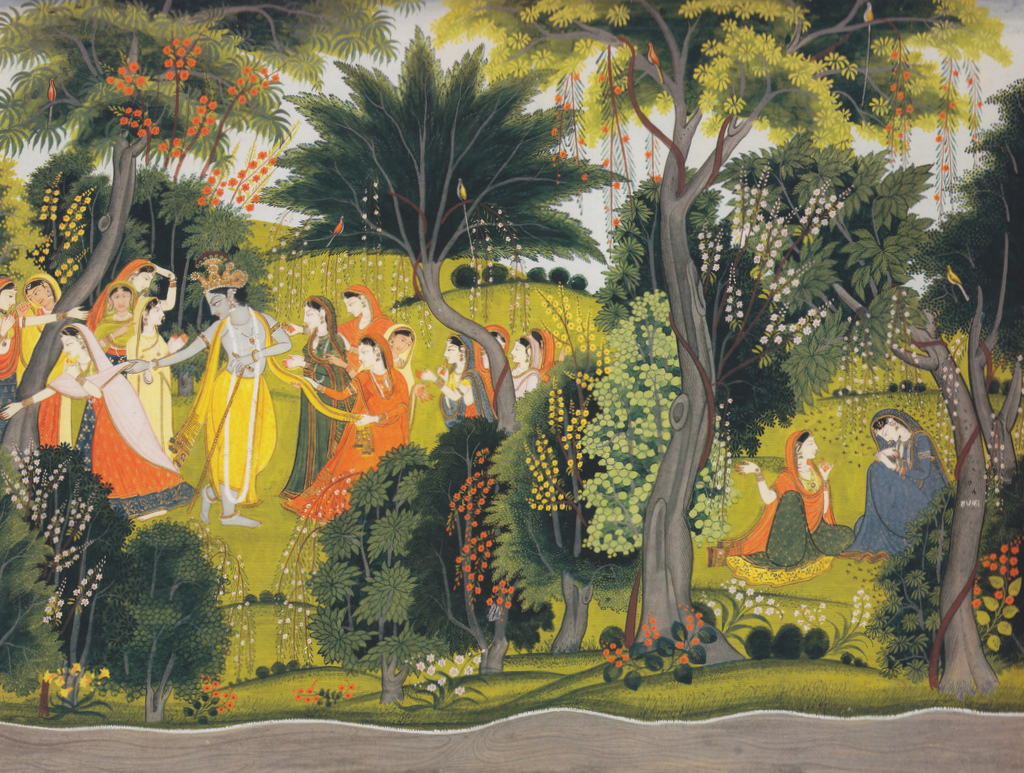 🇮🇳 IndiaLuanchariलोआंचरी
A traditional one-piece flared garment worn by Gaddi women in Himachal PradeshDress
🇮🇳 IndiaLuanchariलोआंचरी
A traditional one-piece flared garment worn by Gaddi women in Himachal PradeshDress
 🇮🇳 India and 2 moreKasayaकाषाय
The traditional patchwork robes worn by ordained Buddhist monasticsDress
🇮🇳 India and 2 moreKasayaकाषाय
The traditional patchwork robes worn by ordained Buddhist monasticsDress
 🇮🇳 IndiaIndian wedding clothes
Traditional attire worn by couples and guests during Indian wedding ceremonies across various regions.Dress
🇮🇳 IndiaIndian wedding clothes
Traditional attire worn by couples and guests during Indian wedding ceremonies across various regions.Dress
 🇮🇳 IndiaNadiri
A sleeveless coat made for Mughal Emperor Jahangir and the courtiers he choseDress
🇮🇳 IndiaNadiri
A sleeveless coat made for Mughal Emperor Jahangir and the courtiers he choseDress
 🇨🇳 Dunhuang, China and 2 moreYingluo璎珞
A ring-shaped Buddhist neck ornament that became a Chinese necklace, worn again todayDress
🇮🇳 India and 5 moreSalwar
Loose trousers gathered at the ankle, worn with a kameez across South AsiaDress
🇨🇳 Dunhuang, China and 2 moreYingluo璎珞
A ring-shaped Buddhist neck ornament that became a Chinese necklace, worn again todayDress
🇮🇳 India and 5 moreSalwar
Loose trousers gathered at the ankle, worn with a kameez across South AsiaDress
Photo credits on this page
The small pictures above come from Wikimedia Commons under free licences. Some are cropped to fit.
- Jambiya: Bernard Gagnon, CC BY-SA 3.0, source
- Sherwani: SabaFatima123456789, Public domain, source
- Paithani: Unknown author, Public domain, source
- Jamdani: Salim_Khandoker, CC0, source
- Zardozi: Zarood, CC BY-SA 3.0, source
- Mangalasutra: Ackroydman, CC BY-SA 3.0, source
- Ikat: Midori, CC BY 3.0, source
- Turban: pxhere, CC0, source
- Kolhapuri chappal: Daderot, CC0, source
- Phulkari: Sheebamadanloewinger, CC BY-SA 4.0, source
- Nazar: Alev Akın, CC BY-SA 4.0, source
- Kurta: Unknown author, Public domain, source
- Shalwar kameez: Bernard Gagnon, CC BY-SA 3.0, source
- Gamosa: Priyankoo at en.wikipedia, Public domain, source
- Dhoti: Redaloes at English Wikipedia, Public domain, source
- Pashmina: Aaditya Kitroo, CC BY-SA 4.0, source
- Sari: Suyash.dwivedi, CC BY-SA 4.0, source
- Bandhani: RubyGoes, CC BY 2.0, source
- Tilaka: Robert Vane Russell (1873-1915), Public domain, source
- Rudraksha: Merasmita, CC BY-SA 4.0, source
- Nadiri: Attributed to Abu al-Hasan (1589-1630), Public domain, source
- Bindi: Vinay Sahay, CC BY-SA 4.0, source
- Sindoor: Masum-al-hasan, CC BY-SA 3.0, source
- Yingluo: Unknown author, CC0, source
- Bagh print: Mrqd9, CC BY-SA 4.0, source
- No Bra Day: Ralf Roletschek, GFDL, source
- Choli: Janavi, CC BY-SA 3.0, source
- Teeth blackening: momo, CC BY 2.0, source
- Dupatta: Kinshuk Sunil, CC BY 2.0, source
- Daura-Suruwal: not researched, CC BY 4.0, source
- Dhaka topi: Sophie Graubert, CC BY-SA 3.0, source
- Luanchari: Purkhu of Kangra, Public domain, source
- Indian wedding clothes: Lee Jordan, CC BY-SA 2.0, source
- Kasaya: Unknown author, Public domain, source