🇮🇪 Traditions of Ireland
72 traditions from Ireland, best known first, across 20 cities and towns.
Irish traditions are built on a deep connection to the land, family loyalty, and communal celebration. The year is marked by seasonal festivals and religious observances that blend ancient Gaelic roots with Christian practices. Daily life revolves around local identity, shared meals, and a warm hospitality that welcomes both neighbors and strangers.
In Ireland, culture flows from the soil and the sea. People gather for holidays that honor saints and seasons alike. Families keep close ties to their townlands and counties. Food brings people together, often centered on simple ingredients cooked with care. Music and storytelling fill the air in pubs and homes. These living customs shape how Irish communities understand themselves and welcome others into their circle.
The year and its festivals
Saint Patrick's Day stands as the national holiday, celebrated with parades and community events across the island. Christmas brings nativity scenes, known locally as cribs, into homes and schools. On Saint Stephen's Day, December 26th, young men known as Wrenboys visit houses door to door. They carry a representation of a wren caught in furze, singing rhymes and collecting items for their group. Halloween has ancient roots in the Gaelic festival of Samhain, marking the end of harvest season. These dates anchor the social calendar, bringing neighbors together to share food, song, and good humor.
Faith and ritual
Christianity shapes much of daily life, particularly through the Roman Catholic Church. Greetings in the Irish language reflect this spiritual foundation. Saying Dia dhuit means God be with you, and the reply Dia is Mhuire dhuit invokes God and Mary. There are cultural distinctions between those of Catholic, Anglican, and Presbyterian backgrounds. Religious sites often serve as focal points for local identity. The parish system remains important in rural areas, linking civil and spiritual life. Rituals mark the passage of time and provide comfort during life's transitions.
Birth and marriage and death
Family values remain central to Irish society. Strong bonds connect generations within households and extended kin networks. Land ownership has historically been a primary concern, with families working hard to keep property within the lineage. This attachment to place influences how people view inheritance and legacy. Marriage ceremonies often incorporate local customs and religious rites. Funerals bring the community together to support the grieving family. These life-cycle events reinforce social ties and ensure that traditions pass to the next generation.
The table and what is eaten when
The diet relies on crops and animals suited to the temperate climate. Fresh fish and seafood from the Atlantic are common along the coasts. Chowder is a popular dish in fishing villages. Traditional meals include Irish stew, bacon and cabbage, and boxty. Brown bread or soda bread appears at many tables. Colcannon, made with potatoes and kale, offers a hearty option. Herbs like parsley, thyme, and bay leaves add flavor. The potato became a staple crop in the eighteenth century, supporting the working class. Modern cooking revives these historic recipes for everyday enjoyment.
Music and dance
Folklore and legends inspire artistic expression. Stories from Lebor Gabála Érenn inform cultural narratives. Music and dance are integral to social gatherings. Pubs serve as venues for traditional sessions where musicians play together. Dance styles vary by region but share common rhythmic foundations. Instruments like the fiddle, tin whistle, and bodhrán provide the sound. These arts preserve history and allow communities to celebrate their shared heritage through performance.
The facts in this overview come from the Wikipedia article "Culture of Ireland", written by its contributors and used under the CC BY-SA 4.0 licence. EveryParampara rewrote the text in its own words, with AI assistance, and compares every page with the article to make sure no passage is copied. It may be reused under the same CC BY-SA 4.0 licence with a link back.
The table in Ireland
Foods and drinks by the moment they belong to.
 🇬🇧 United Kingdom and 3 moreMumming
A medieval European custom of masked house-to-house visits, performances and seasonal revelry.Festival
🇬🇧 United Kingdom and 3 moreMumming
A medieval European custom of masked house-to-house visits, performances and seasonal revelry.Festival
 🇮🇪 Ireland and 5 moreFleadh CheoilFleadh Cheoil na hÉireann
An annual gathering of Irish traditional music and dance, featuring competitions, public sessions, and concerts across IPerformance
🇮🇪 Ros Muc, Ireland and 2 moreSean-nós dancedamhsa ar an sean nós
An improvised solo Irish dance: low footwork, free arms and a loud battering beatPerformance
🇮🇪 Ireland and 5 moreFleadh CheoilFleadh Cheoil na hÉireann
An annual gathering of Irish traditional music and dance, featuring competitions, public sessions, and concerts across IPerformance
🇮🇪 Ros Muc, Ireland and 2 moreSean-nós dancedamhsa ar an sean nós
An improvised solo Irish dance: low footwork, free arms and a loud battering beatPerformance
 🇮🇪 Dublin, Ireland and 2 moreIrish traditional music
A living folk practice of dance tunes, airs, songs and communal pub sessionsPerformance
🇮🇪 Dublin, Ireland and 2 moreIrish traditional music
A living folk practice of dance tunes, airs, songs and communal pub sessionsPerformance
 🇮🇪 Dublin, Ireland and 2 moreIrish stepdance
A percussive dance form with swift, intricate footwork and an upright torsoPerformance
🇮🇪 Dublin, Ireland and 2 moreIrish stepdance
A percussive dance form with swift, intricate footwork and an upright torsoPerformance
 🇮🇪 Waterford, IrelandSean-nós singingSean-nós
An unaccompanied, highly ornamented style of traditional Irish folk singingPerformance
🇮🇪 Waterford, IrelandSean-nós singingSean-nós
An unaccompanied, highly ornamented style of traditional Irish folk singingPerformance
 🇮🇪 Dublin, Ireland and 5 moreBloomsdayLá Bloom
A celebration of James Joyce and his novel Ulysses, observed on 16 June in Dublin and worldwide.Festival · Breakfast
🇮🇪 Dublin, Ireland and 5 moreBloomsdayLá Bloom
A celebration of James Joyce and his novel Ulysses, observed on 16 June in Dublin and worldwide.Festival · Breakfast
 🇬🇧 United Kingdom and 4 moreMummers' play
A comic folk drama of staged combat, death, and revival by an eccentric doctorPerformance
🇬🇧 United Kingdom and 4 moreMummers' play
A comic folk drama of staged combat, death, and revival by an eccentric doctorPerformance
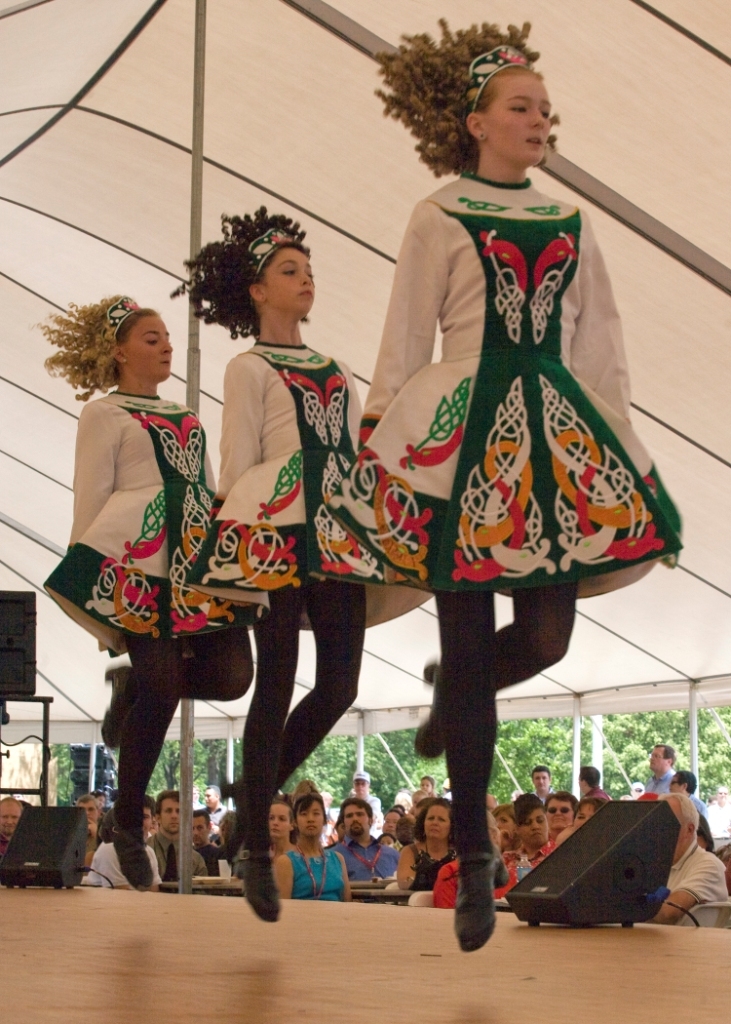 🇮🇪 Dublin, Ireland and 3 moreIrish dance
Ireland's traditional solo and group dances, from social halls to world competitionsPerformance
🇮🇪 Dublin, Ireland and 3 moreIrish dance
Ireland's traditional solo and group dances, from social halls to world competitionsPerformance
 🇨🇦 Canada and 2 moreMummering
A festive midwinter custom of disguised visits, music and playful guessing gamesFestival · Tea-time and snacking customs
🇬🇧 United Kingdom and 1 moreCarol service
A Christmas church service of seasonal hymns, scripture readings and candlelightSpiritual
🇨🇦 Canada and 2 moreMummering
A festive midwinter custom of disguised visits, music and playful guessing gamesFestival · Tea-time and snacking customs
🇬🇧 United Kingdom and 1 moreCarol service
A Christmas church service of seasonal hymns, scripture readings and candlelightSpiritual
 🇮🇪 Ireland and 1 moreKeeningCaoineadh
A sung mourning cry at Gaelic funerals, once led by hired women singersRite of passage
🇮🇪 Ireland and 1 moreKeeningCaoineadh
A sung mourning cry at Gaelic funerals, once led by hired women singersRite of passage
 🇬🇧 Llangollen, United Kingdom and 5 moreEisteddfod
A Welsh festival of poetry and music competitions, featuring the chairing and crowning of winning bards.Festival
🇬🇧 Llangollen, United Kingdom and 5 moreEisteddfod
A Welsh festival of poetry and music competitions, featuring the chairing and crowning of winning bards.Festival
 🇬🇧 United Kingdom and 5 moreLast Post
A bugle call sounded at military funerals and remembrance services across the Commonwealth to honour those who died in sPerformance
🇮🇪 Galway, IrelandSeachtain na Gaeilge
Seventeen days of Irish-language events, from 1 March to St Patrick's DayFestival
🇬🇧 United Kingdom and 5 moreLast Post
A bugle call sounded at military funerals and remembrance services across the Commonwealth to honour those who died in sPerformance
🇮🇪 Galway, IrelandSeachtain na Gaeilge
Seventeen days of Irish-language events, from 1 March to St Patrick's DayFestival
 🇬🇧 United Kingdom and 3 moreSelkieselkie fowk
The seal shapeshifters of Scottish and northern island folkloreFolklore
🇬🇧 United Kingdom and 3 moreSelkieselkie fowk
The seal shapeshifters of Scottish and northern island folkloreFolklore
Photo credits on this page
The small pictures above come from Wikimedia Commons under free licences. Some are cropped to fit.
- Bloomsday: No machine-readable author provided. Flapdragon assumed (based on copy, Public domain, source
- Mummers' play: Aladjov, CC BY 3.0, source
- Mummering: https://www.flickr.com/photos/jerry_curtis/, CC0, source
- Sean-nós singing: Pierre Puvis de Chavannes, Public domain, source
- Irish traditional music: Gtapp, CC BY-SA 3.0, source
- Irish stepdance: John Benson, CC BY 2.0, source
- Mumming: Flemish illuminator Jehan de Grise and his workshop, 1338-1344, Public domain, source
- Fleadh Cheoil: Gfitz122, CC BY-SA 4.0, source
- Irish dance: U.S. Army, Public domain, source
- Keening: W.H. Brooke, Public domain, source
- Eisteddfod: Llywelyn2000, CC BY-SA 4.0, source
- Last Post: User:EnEdC, Public domain, source
- Selkie: Carolyn Emerick, CC BY-SA 3.0, source