🇮🇷 Traditions of Iran
69 traditions from Iran, best known first, across 17 cities and towns.
Iranian traditions weave ancient Persian roots with Islamic practices, creating a culture of deep literary and artistic heritage. Daily life revolves around shared meals centered on rice and bread, while the year is marked by seasonal festivals like Nowruz that celebrate renewal and family bonds.
In Iran, daily life balances ancient customs with modern rhythms. People gather for meals featuring rice and bread, share poetry, and mark seasons with festivals. This blend of old and new shapes a unique cultural identity rooted in hospitality and art.
The year and its festivals
Nowruz marks the spring equinox and the start of the new year. Families clean their homes and set a table with seven symbolic items representing renewal. People visit relatives and exchange gifts during this time. Other celebrations include Yalda Night, when families stay up late to read poetry and eat fruits as the longest night of winter passes. These events strengthen community ties and honor seasonal changes.
Faith and ritual
Most Iranians follow Islam, which blends with pre-Islamic customs. Mosques serve as centers for prayer and community gatherings. Religious holidays involve specific prayers, charitable acts, and family meals. Some communities also observe Zoroastrian traditions, such as fire temples, reflecting the country's diverse spiritual history. Rituals often emphasize purity, reflection, and gratitude.
Birth and marriage rites
Births are celebrated with gatherings where friends and family offer blessings. Names are chosen carefully, often from literature or nature. Weddings involve elaborate ceremonies, including henna nights and traditional music. Couples exchange vows in front of loved ones, followed by feasts featuring sweets and savory dishes. Divorce is less common but handled through legal and religious frameworks.
The table and what is eaten
Meals center on rice, bread, meat, and fresh herbs. Dishes like ghormeh sabzi and fesenjan showcase complex flavors using saffron, dried limes, and nuts. Fruits such as pomegranates and apricots appear in both savory and sweet preparations. Hospitality demands offering food and tea to guests. Meals are shared communally, emphasizing generosity and connection.
Music and dance
Traditional music uses instruments like the tar, santur, and ney. Poets recite verses accompanied by melody, preserving stories of love and heroism. Dance varies by region, with some styles involving rhythmic footwork and others more fluid movements. Contemporary artists blend classical forms with modern influences, keeping the art form alive across generations.
The facts in this overview come from the Wikipedia article "Culture of Iran", written by its contributors and used under the CC BY-SA 4.0 licence. EveryParampara rewrote the text in its own words, with AI assistance, and compares every page with the article to make sure no passage is copied. It may be reused under the same CC BY-SA 4.0 licence with a link back.
The table in Iran
Foods and drinks by the moment they belong to.
 🇮🇷 Iran and 7 moreNowruzنوروز
The Iranian new year at the March equinox, kept with fire, greenery and picnicsSeasonal
🇮🇷 Iran and 7 moreNowruzنوروز
The Iranian new year at the March equinox, kept with fire, greenery and picnicsSeasonal
 🇮🇱 Jerusalem, Israel and 1 morePurimפּוּרִים
A lively Jewish festival of storytelling, shared food, masks and charityFestival · Feasts and festival meals
🇮🇱 Jerusalem, Israel and 1 morePurimפּוּרִים
A lively Jewish festival of storytelling, shared food, masks and charityFestival · Feasts and festival meals
 🇹🇷 Kayseri, Turkey and 4 moreHalay
A traditional line and circle folk dance kept across Turkey, Azerbaijan, Armenia, Iran, and Syria.Performance
🇮🇷 Iran and 2 moreKhordad Salخرداد روز
A Zoroastrian festival marking the birth of the prophet Zarathushtra with prayers and feasts.Festival · Feasts and festival meals
🇹🇷 Kayseri, Turkey and 4 moreHalay
A traditional line and circle folk dance kept across Turkey, Azerbaijan, Armenia, Iran, and Syria.Performance
🇮🇷 Iran and 2 moreKhordad Salخرداد روز
A Zoroastrian festival marking the birth of the prophet Zarathushtra with prayers and feasts.Festival · Feasts and festival meals
 🇹🇲 Ashgabat, Turkmenistan and 2 moreTurkmen rugTürkmen haly
Handmade textiles woven by Turkmen tribes, featuring geometric patterns and natural dyes.Craft
🇹🇲 Ashgabat, Turkmenistan and 2 moreTurkmen rugTürkmen haly
Handmade textiles woven by Turkmen tribes, featuring geometric patterns and natural dyes.Craft
 🇮🇷 Iran and 5 moreYaldā Nightشب یلدا
A solstice night of poetry, fruit and family, kept from Iran through Central AsiaFestival · Dinner
🇮🇷 Iran and 5 moreYaldā Nightشب یلدا
A solstice night of poetry, fruit and family, kept from Iran through Central AsiaFestival · Dinner
 🇮🇷 Isfahan, Iran and 4 moreChaharshanbe Suriچهارشنبهسوری
An Iranian festival of fire and renewal celebrated on the eve of the final Wednesday before spring.Festival · Tea-time and snacking customs
🇮🇷 Isfahan, Iran and 4 moreChaharshanbe Suriچهارشنبهسوری
An Iranian festival of fire and renewal celebrated on the eve of the final Wednesday before spring.Festival · Tea-time and snacking customs
 🇮🇷 Isfahan, Iran and 4 moreMehreganمهرگان
An Iranian autumn festival honoring Mithra, friendship, and the harvestSeasonal
🇮🇷 Isfahan, Iran and 4 moreMehreganمهرگان
An Iranian autumn festival honoring Mithra, friendship, and the harvestSeasonal
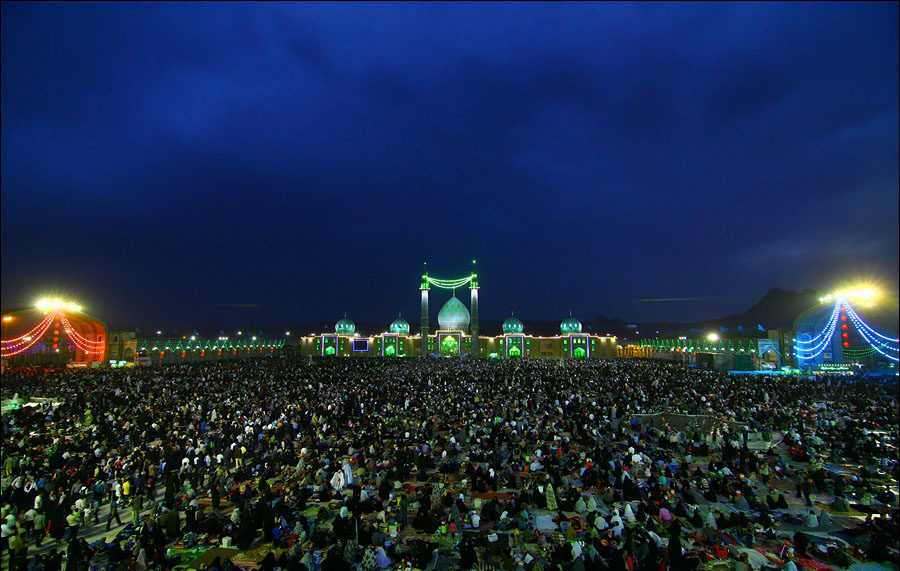 🇮🇷 Iran and 5 moreMid-Sha'banنصف شعبان
An Islamic night of prayer, remembrance, and seeking divine forgiveness.Spiritual
🇮🇷 Iran and 5 moreMid-Sha'banنصف شعبان
An Islamic night of prayer, remembrance, and seeking divine forgiveness.Spiritual
 🇮🇷 Shiraz, IranHaft-sinهفتسین
Seven symbolic items whose Persian names begin with S, set out for NowruzSeasonal · Feasts and festival meals
🇮🇷 Shiraz, IranHaft-sinهفتسین
Seven symbolic items whose Persian names begin with S, set out for NowruzSeasonal · Feasts and festival meals
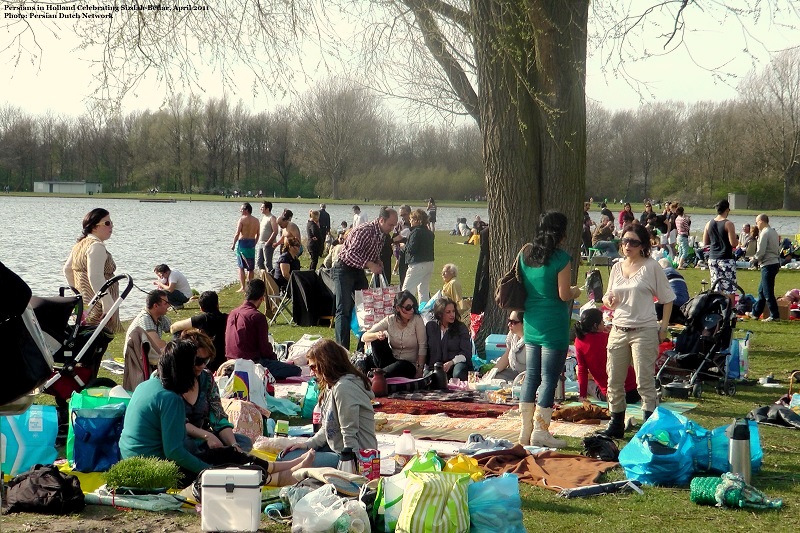 🇮🇷 Iran and 4 moreSizdah Bedarسیزدهبدر
An open-air picnic holiday concluding the Iranian New Year celebrationsFestival
🇮🇷 Iran and 4 moreSizdah Bedarسیزدهبدر
An open-air picnic holiday concluding the Iranian New Year celebrationsFestival
 🇮🇷 Amol, Iran and 3 moreTirganتیرگان (Tirgān)
An ancient Iranian summer festival of water, poetry and rainbow bands, kept on the thirteenth day of Tir.Festival · Feasts and festival meals
🇮🇷 Amol, Iran and 3 moreTirganتیرگان (Tirgān)
An ancient Iranian summer festival of water, poetry and rainbow bands, kept on the thirteenth day of Tir.Festival · Feasts and festival meals
 🇮🇷 Yazd, Iran and 1 moreSadehسده
An ancient midwinter festival of fire, light, and the approach of springFestival · Feasts and festival meals
🇮🇷 Yazd, Iran and 1 moreSadehسده
An ancient midwinter festival of fire, light, and the approach of springFestival · Feasts and festival meals
 🇮🇷 Iran and 5 moreEid al-Ghadirعید الغدیر
A Shia Muslim festival of prayer, gifts and shared meals, kept on 18 Dhu al-HijjahSpiritual
🇮🇷 Iran and 5 moreEid al-Ghadirعید الغدیر
A Shia Muslim festival of prayer, gifts and shared meals, kept on 18 Dhu al-HijjahSpiritual
 🇹🇷 Turkey and 5 moreNewrozنەورۆز
A Kurdish spring festival and new year celebration marked by bonfires, dance, and the lighting of fires.Festival
🇹🇷 Turkey and 5 moreNewrozنەورۆز
A Kurdish spring festival and new year celebration marked by bonfires, dance, and the lighting of fires.Festival
 🇮🇷 Urmia, IranKurdish danceGovend (گۆڤەند)
Circle dances of the Kurds, led by handkerchief twirlers, for weddings and NewrozPerformance
🇮🇷 Urmia, IranKurdish danceGovend (گۆڤەند)
Circle dances of the Kurds, led by handkerchief twirlers, for weddings and NewrozPerformance
 🇬🇧 United Kingdom and 5 moreHarvest festival
A thanks for the gathered crop, kept with church meals, songs and shared foodSeasonal · Feasts and festival meals
🇮🇱 Israel and 1 moreSeharane
A Kurdish Jewish festival of campfires, circle dances and shared foodFestival
🇮🇷 Iran and 5 moreMid-Sha'banنصف شعبان
An Islamic night of prayer, forgiveness, ancestral remembrance and sweet offeringsSpiritual · Sweets given and shared
🇬🇧 United Kingdom and 5 moreHarvest festival
A thanks for the gathered crop, kept with church meals, songs and shared foodSeasonal · Feasts and festival meals
🇮🇱 Israel and 1 moreSeharane
A Kurdish Jewish festival of campfires, circle dances and shared foodFestival
🇮🇷 Iran and 5 moreMid-Sha'banنصف شعبان
An Islamic night of prayer, forgiveness, ancestral remembrance and sweet offeringsSpiritual · Sweets given and shared
 🇺🇦 Ukraine and 7 moreEgg decorating
Decorating eggs with dye, wax and carving, kept at Easter, Nowruz and springCraft
🇺🇦 Ukraine and 7 moreEgg decorating
Decorating eggs with dye, wax and carving, kept at Easter, Nowruz and springCraft
 🇸🇾 Syria and 6 moreKha b'Nisanܚܕ ܒܢܝܣܢ
A spring new year on 1 April, kept with parades, poems and dancing by AssyriansFestival
🇸🇾 Syria and 6 moreKha b'Nisanܚܕ ܒܢܝܣܢ
A spring new year on 1 April, kept with parades, poems and dancing by AssyriansFestival
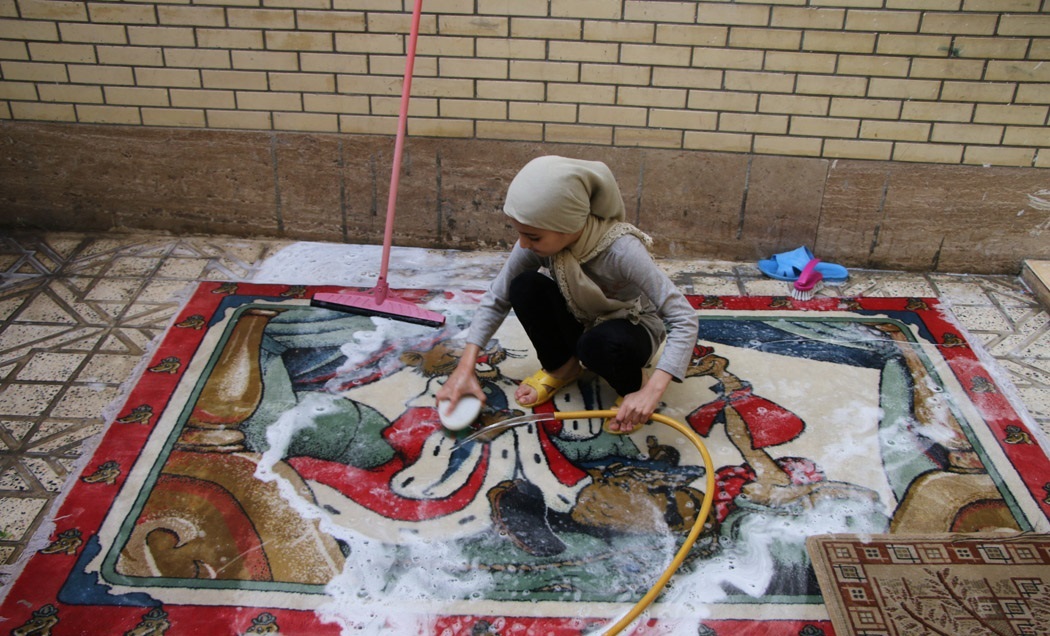 🇮🇷 IranKhāne-takānīخانهتکانی
A spring cleaning ritual in Iran that prepares homes for the Norouz new year.Festival
🇮🇷 IranKhāne-takānīخانهتکانی
A spring cleaning ritual in Iran that prepares homes for the Norouz new year.Festival
 🇮🇱 Israel and 1 morePurim costume
The Jewish custom of wearing masks and disguises during the festival of PurimDress
🇮🇱 Israel and 1 morePurim costume
The Jewish custom of wearing masks and disguises during the festival of PurimDress
 🇮🇷 Iran and 1 moreEidiyahعيدية
The holiday custom of presenting cash and gifts to children and relativesFestival
🇮🇷 Kashan, IranOmar Koshanعمرکشان
A yearly carnival in Iran where social roles reverse to honor Fatima al-Zahra and remember historical figures.Festival
🇮🇷 Iran and 1 moreEidiyahعيدية
The holiday custom of presenting cash and gifts to children and relativesFestival
🇮🇷 Kashan, IranOmar Koshanعمرکشان
A yearly carnival in Iran where social roles reverse to honor Fatima al-Zahra and remember historical figures.Festival
Photo credits on this page
The small pictures above come from Wikimedia Commons under free licences. Some are cropped to fit.
- Halay: Post of Moldova, Public domain, source
- Chaharshanbe Suri: Philippe Giabbanelli, CC BY 3.0, source
- Mid-Sha'ban: sayyed shahab-o- din vajedi, CC BY 4.0, source
- Sizdah Bedar: PersianDutchNetwork, CC BY-SA 3.0, source
- Sadeh: Farzad j, Public domain, source
- Tirgan: LACIPETO, CC BY-SA 4.0, source
- Nowruz: Katzenfee50, CC0, source
- Purim: Unknown author, CC BY 2.5, source
- Haft-sin: HengamehRM, CC BY-SA 3.0, source
- Turkmen rug: AltynAsyr, CC BY-SA 3.0, source
- Kurdish dance: Kaiwan Moradi, CC BY-SA 4.0, source
- Eid al-Ghadir: khamenei.ir, CC BY 4.0, source
- Harvest festival: High Contrast, CC BY 3.0 de, source
- Newroz: Salar Arkan - سالار ارکان, CC BY-SA 4.0, source
- Yaldā Night: M.Sadegh Nikgostar/Tasnim News Agency, CC BY 4.0, source
- Egg decorating: L.Kenzel, CC BY 3.0, source
- Kha b'Nisan: Athrakado, CC BY-SA 4.0, source
- Purim costume: Flavio~, CC BY 2.0, source
- Eidiyah: Rahbar Emamdadi, CC BY 4.0, source
- Mehregan: PersianDutchNetwork, CC BY-SA 3.0, source
- Khāne-takānī: Niloofar Rakhshan, CC BY 4.0, source